
Palazzo Falier, Venice — History & Facts
Did the painter know this moment would outlive them? In Palazzo Falier, Venice, a serene rebirth of a storied city unfolds, whispering secrets of a time suspended in the delicate balance of light and shadow. Look to the right at the elegant archways, where soft golden hues melt into cool blues, capturing the essence of dawn. The composition draws your eye down the palatial facade, revealing intricate details—the ornate carvings and textured walls that seem to breathe life into the architecture. Notice how the shimmering reflections in the water below enhance this sense of tranquility, evoking a sense of nostalgia for what once was and what can still be. Beneath the surface, a deeper narrative lies waiting to be discovered.
The juxtaposition of the fleeting moment—captured in the stillness of the water—against the enduring form of the building suggests a meditation on permanence and transience. The artist masterfully contrasts the vibrancy of life with the stone's steadfastness, hinting at the resilience of culture amid change. Each brushstroke seems to echo the pulse of history, a reminder of life’s ephemeral beauty intertwined with the unyielding strength of legacy. Painted during an era when the artist found herself in the midst of a flourishing artistic community in late 19th-century Venice, Palazzo Falier reflects both a personal and collective renaissance.
It was a time of renewal not only for the city, recovering from its past, but for Brandeis herself, who was navigating her path as a prominent female artist in a male-dominated field. The world was awakening to Impressionism, and her work encapsulated this spirit, forever linking her name to the enchanting city she depicted.
More Artworks by Antonietta Brandeis
Browse all →
St Mark’s, Venice
Antonietta Brandeis

Venice, a View of Ponte de la Calcina on Rio di San Vio
Antonietta Brandeis
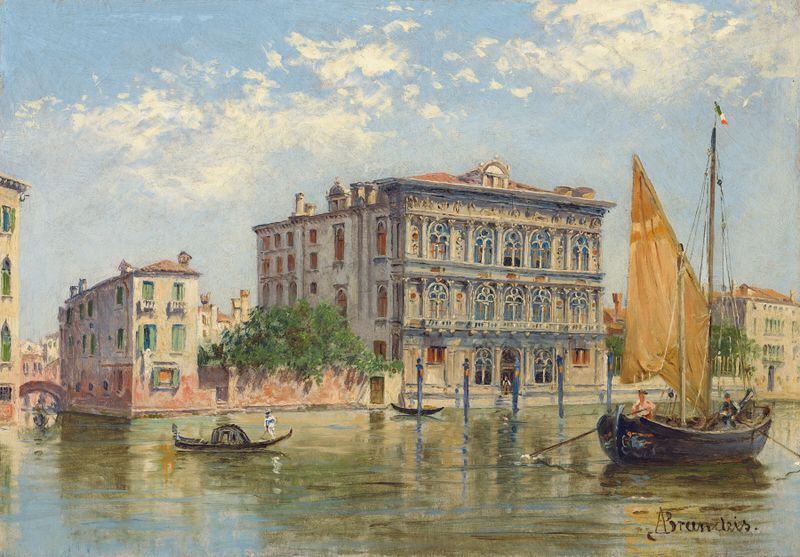
Ca’ Vendramin Calergi from the Grand Canal, Venice
Antonietta Brandeis
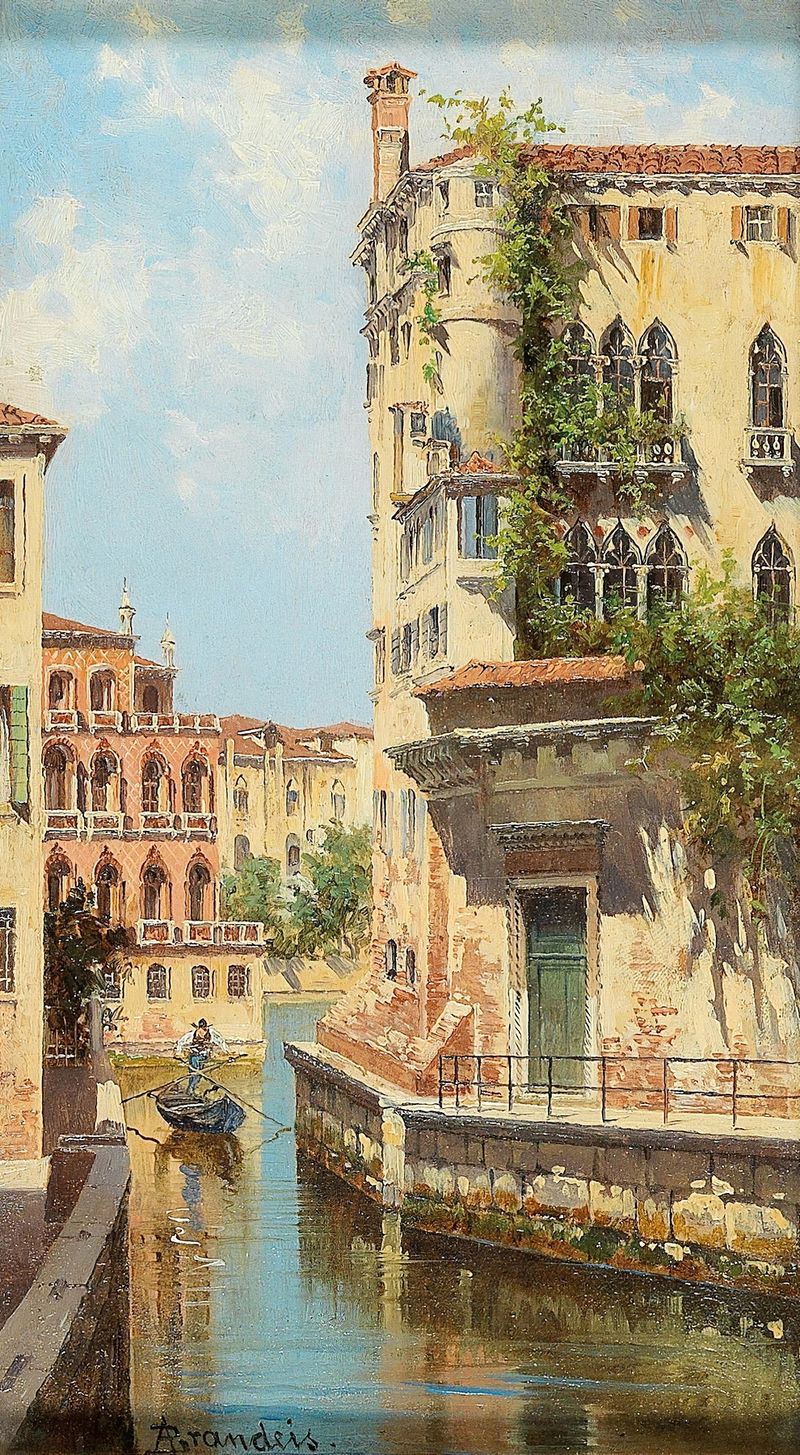
Canal In Venice With View Of The Back Of The Palazzo Rocca
Antonietta Brandeis
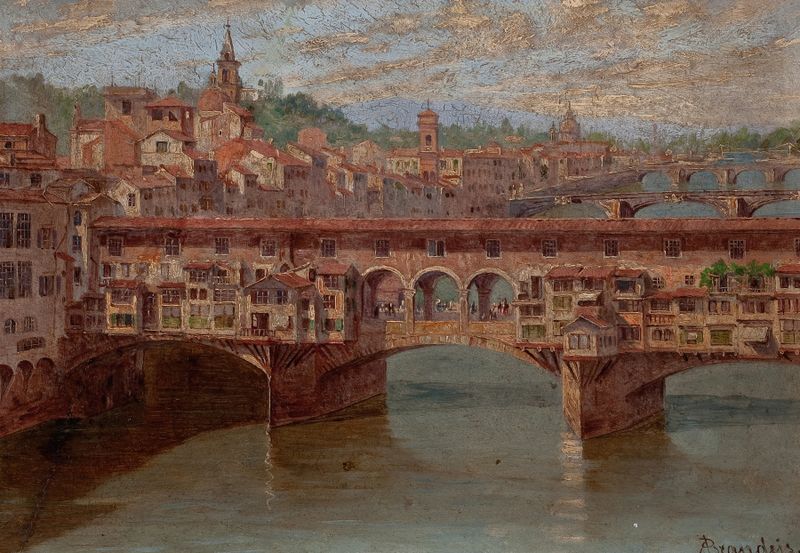
Ponte Vecchio, Florence
Antonietta Brandeis

The Grand Canal, Venice
Antonietta Brandeis
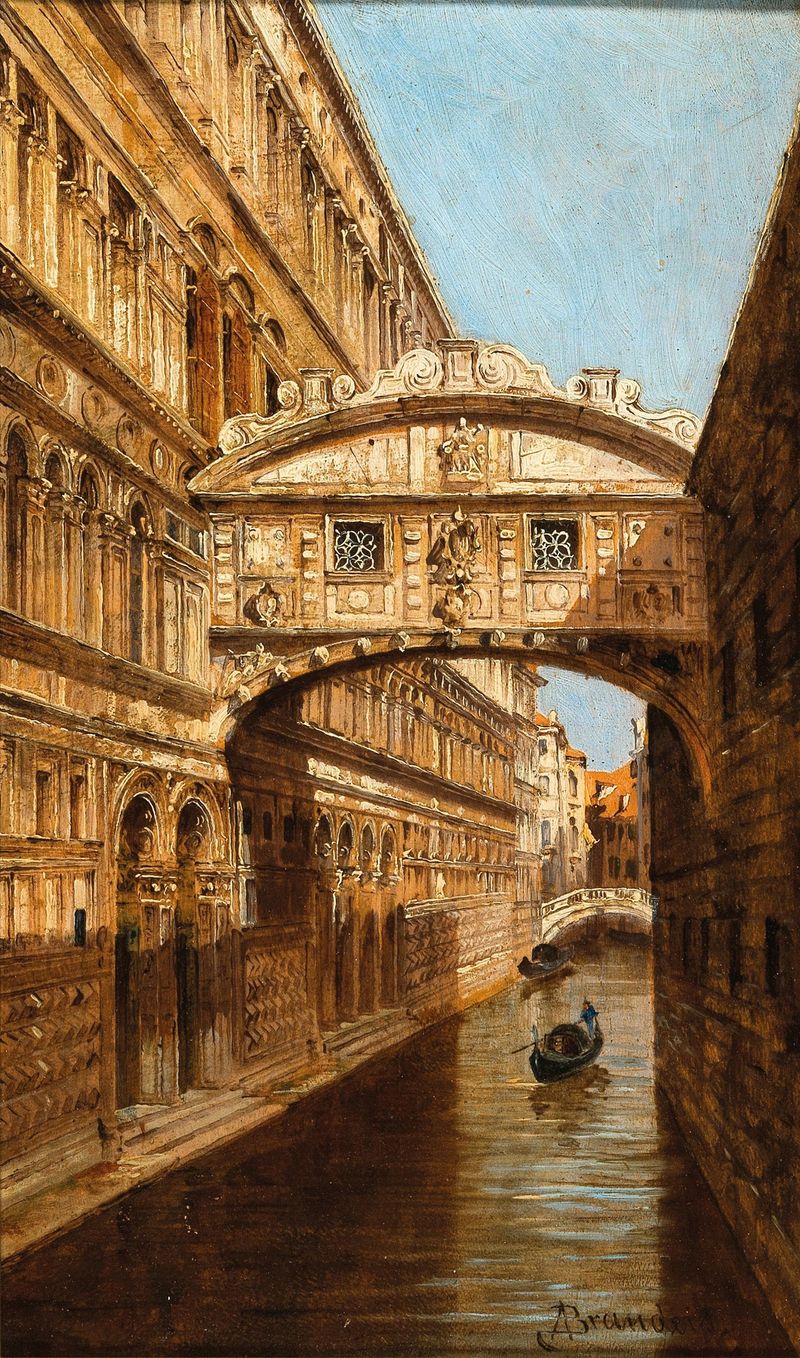
Venice, Le ponte dei Sospiri, Venezia
Antonietta Brandeis
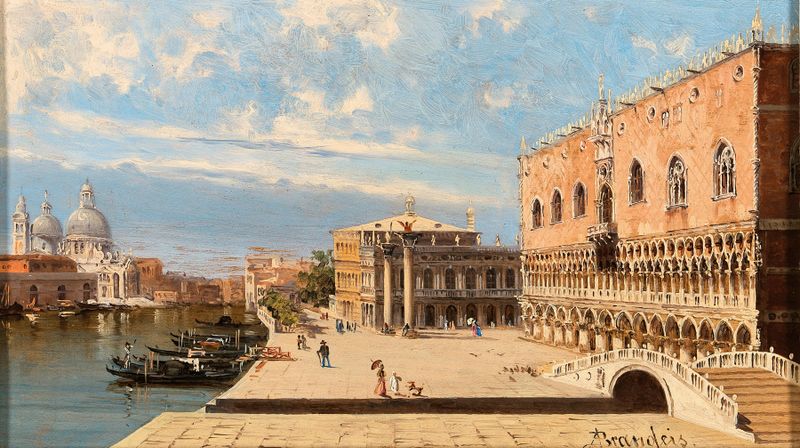
Il Palazzo Ducale Venezia
Antonietta Brandeis
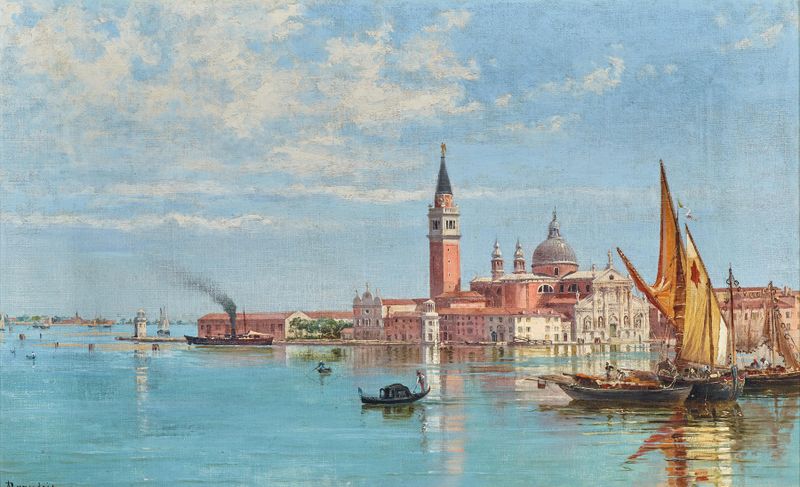
Venice, a View of San Giorgio Maggiore
Antonietta Brandeis
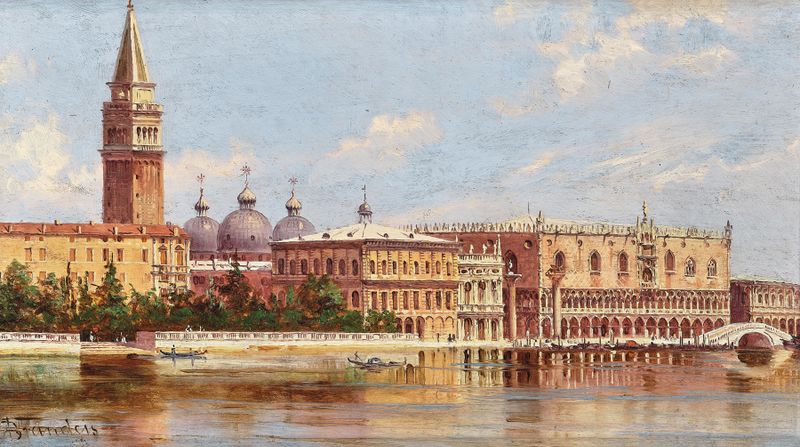
Venice, a View of the Bacino di San Marco
Antonietta Brandeis
More Architecture Art
Browse all →
The statue of Liberty
Frédéric Auguste Bartholdi

View of Houses in Delft, Known as ‘The Little Street’
Johannes Vermeer

View of Houses in Delft, Known as ‘The Little Street’
Johannes Vermeer

The Cathedral in Rouen. The portal, Grey Weather
Claude Monet

The yellow house
Vincent van Gogh

The Church in Auvers-sur-Oise, View from the Chevet
Vincent van Gogh