
Paris The Seine River And The Louvre — History & Facts
Can paint confess what words never could? In Paris The Seine River And The Louvre, a quiet yet intense yearning is captured, echoing the eternal allure of a city that holds countless secrets within its folds. Look to the left at the shimmering waters of the Seine, where the gentle ripples mirror the soft pastels of the evening sky. Notice how the brushwork creates a dance of light across the surface, each stroke revealing the fluidity of the scene. The architectural elegance of the Louvre stands in the background, its grand silhouette harmonizing with the natural beauty of the river.
The warm palette of ochres and blues stirs a sense of nostalgia, inviting the viewer into a moment that feels both transient and timeless. Beneath the surface, there’s a palpable tension between nature and man-made beauty—between the fleeting passage of time and the enduring presence of the Louvre. The reflections in the water suggest a longing, as if the viewer is peering into memories that shimmer just out of reach. This juxtaposition of stillness and movement evokes emotions of longing and reverence, hinting at personal stories woven into the fabric of this iconic landscape. In 1881, Boggs painted this work while living in France, a time when Impressionism was blooming and artists were exploring new ways to capture light and atmosphere.
His position in the art world was defined by a desire to convey emotion through landscape, reflecting the broader cultural shift towards personal expression. In this piece, he not only captures a moment in Paris but also the essence of an artist immersed in a world ripe with inspiration.
More Artworks by Frank Myers Boggs
Browse all →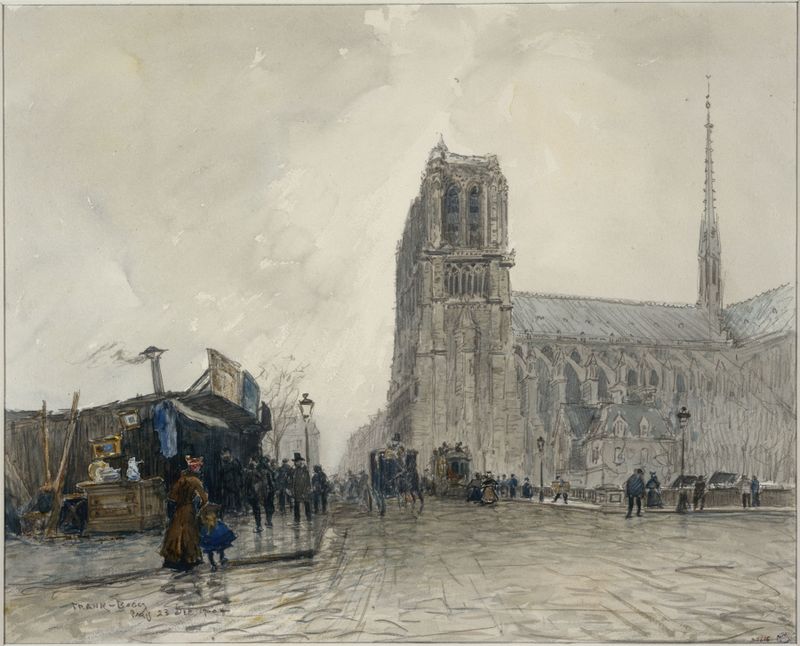
Notre-Dame vue du Pont au Double
Frank Myers Boggs
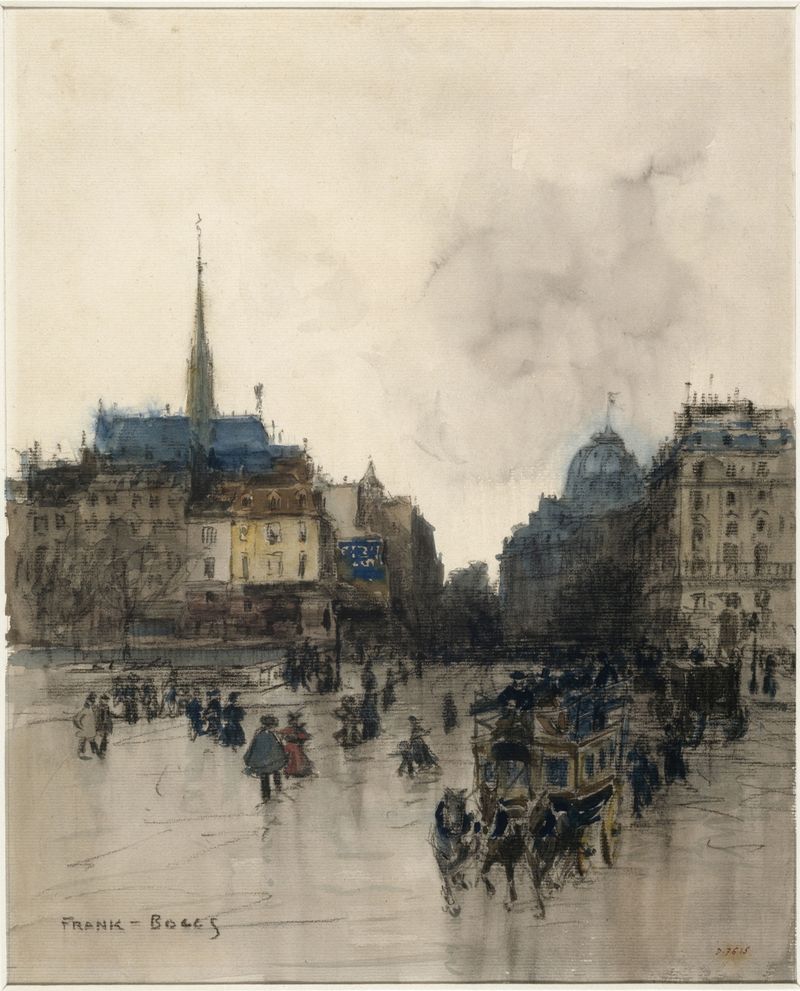
Le pont Saint-Michel
Frank Myers Boggs
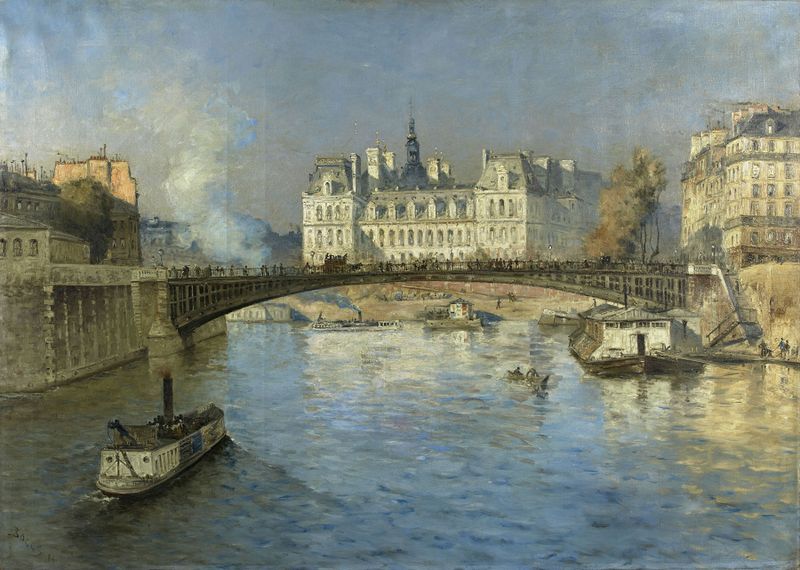
Paris, la Seine et l’Hôtel de Ville
Frank Myers Boggs
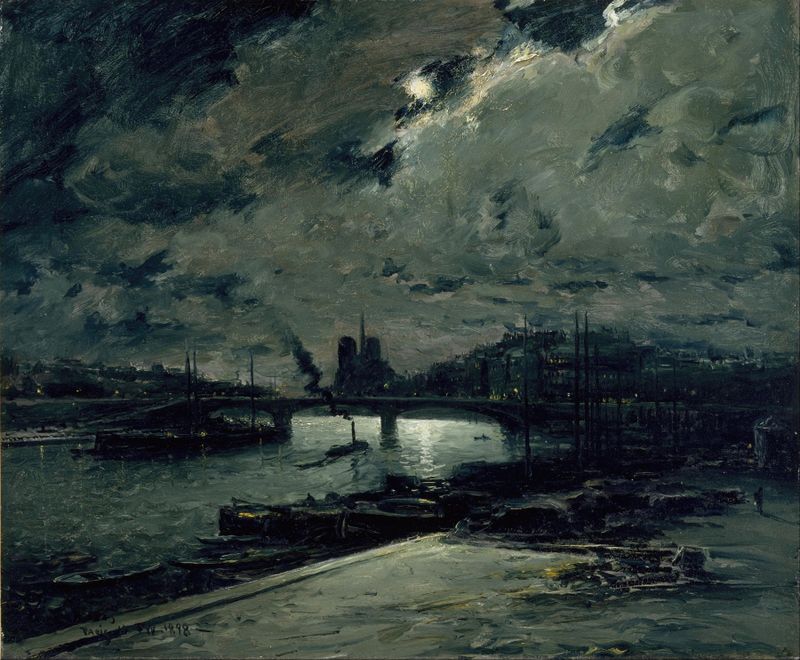
Quai de la Seine, Paris, au Clair de Lune
Frank Myers Boggs
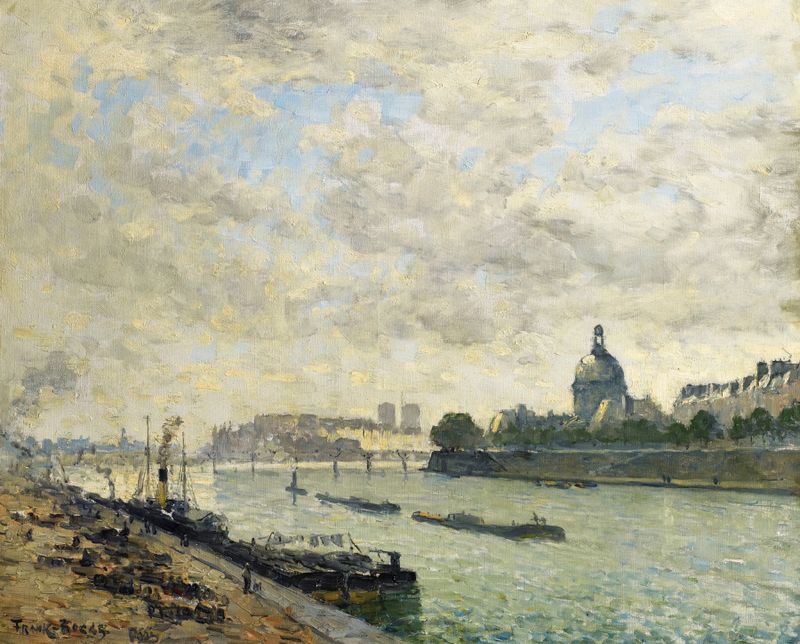
Les quais de Seine à Paris
Frank Myers Boggs
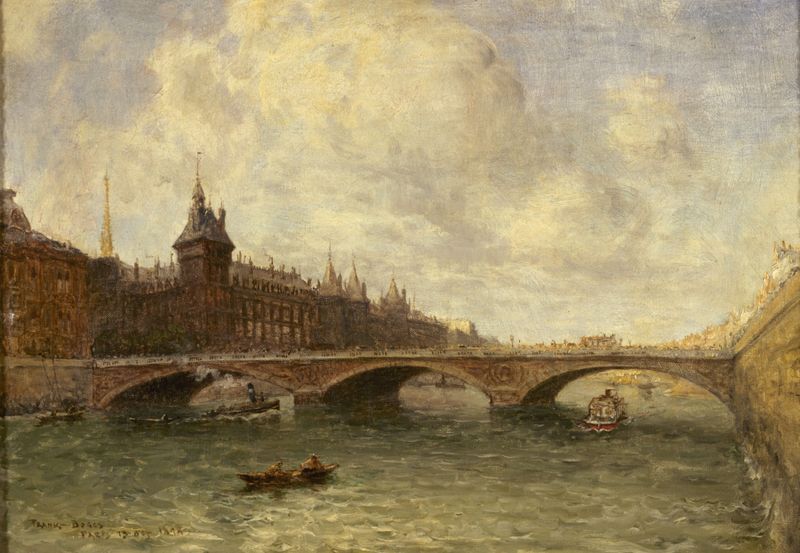
Le pont au change et le quai de l’horloge
Frank Myers Boggs
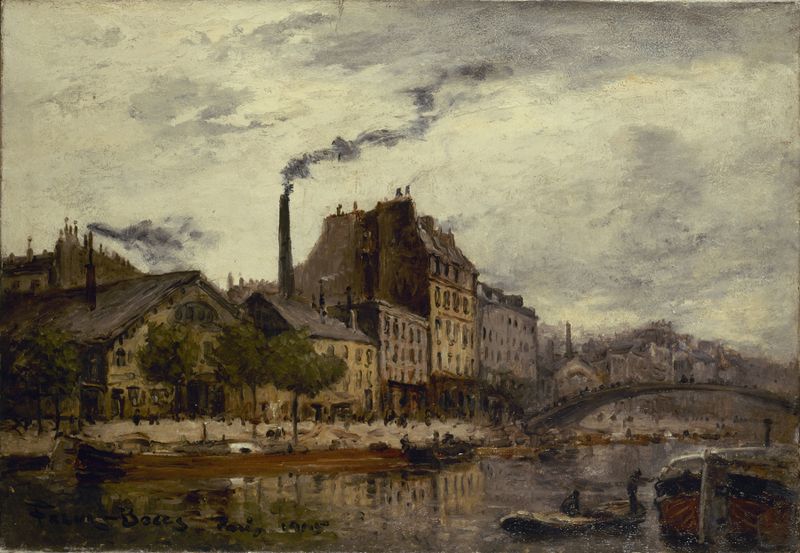
La démolition de l’ancien pont de la Tournelle
Frank Myers Boggs
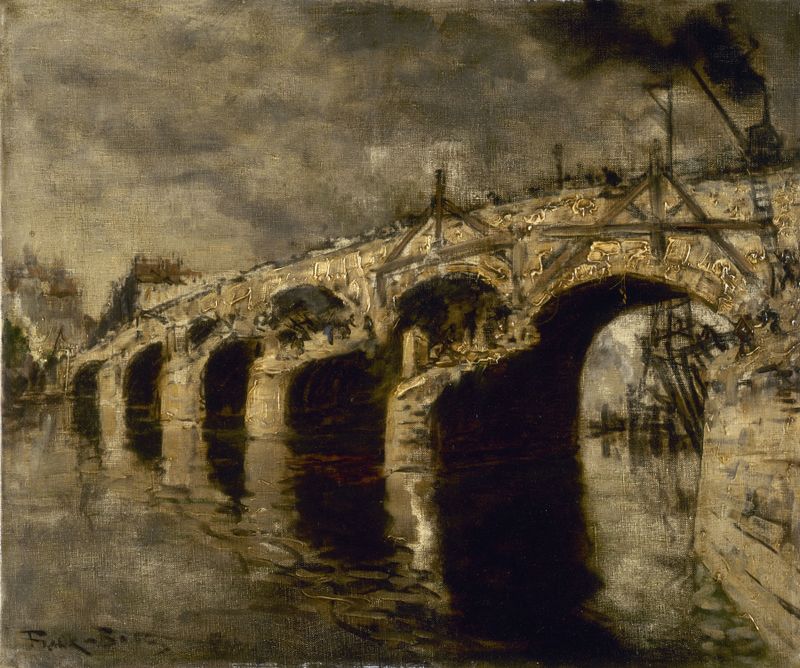
La démolition de l’ancien pont de la Tournelle
Frank Myers Boggs

La tour Saint-Jacques
Frank Myers Boggs
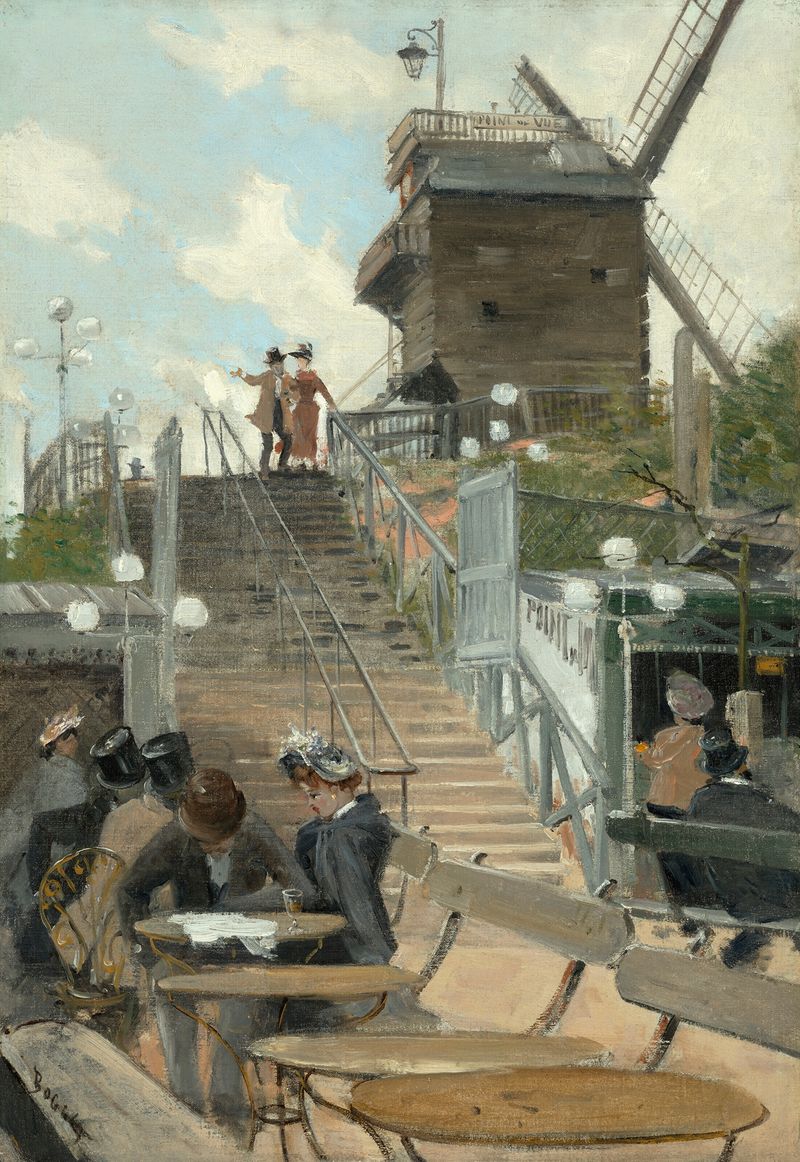
Le Moulin de la Galette
Frank Myers Boggs





