
Parnassus — History & Facts
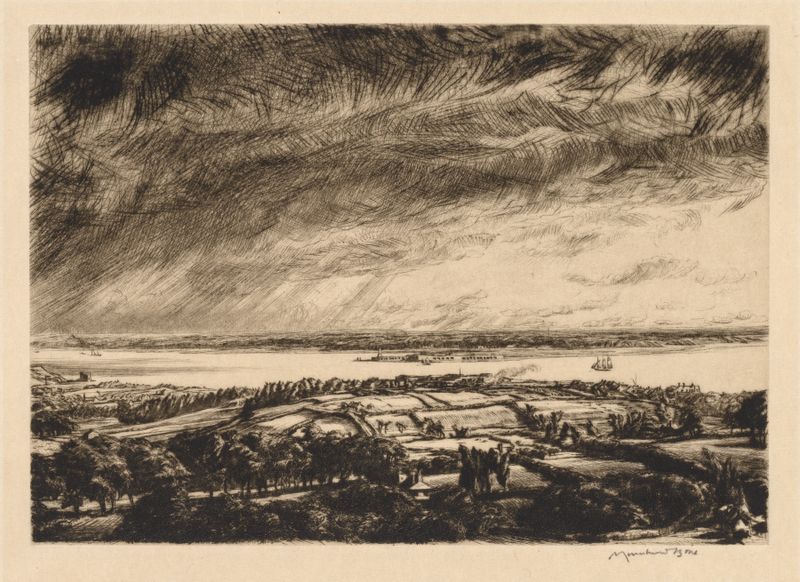
Can paint confess what words never could? In Parnassus, vibrant hues speak in vibrant tones, revealing stories of aspiration and artistic achievement that transcend mere text. Focus on the brushstrokes that swirl with life across the canvas. The deep blues and greens draw your eye to the majestic mountain range, while soft pastels dance along the horizon, creating a dreamlike quality. Notice how the artist uses color not just to depict a landscape but to evoke emotion—the cool shades of nature contrast with warmer touches of golden light, suggesting the warmth of human endeavor against the backdrop of untouched beauty. Delve deeper into the interplay of form and hue.
The towering peaks symbolize aspirations, while the winding paths conjure the journey of the artist. Small figures dot the landscape, hinting at the presence of creators grappling with inspiration and ambition. This juxtaposition of scale invites contemplation: the grandeur of nature versus the fragile human spirit, encapsulated in vivid color. During the years of creation, from 1896 to 1937, the artist found himself navigating a world in flux, as modernism began to challenge traditional artistic norms.
Working in London, he was influenced by the changing tides of art and society, reflecting a desire to capture not just the physical realm but the emotional landscapes that accompany creative pursuit.
More Artworks by Muirhead Bone
Browse all →
On the Clyde, 1917-1918; Building a Liner at Greenock
Muirhead Bone
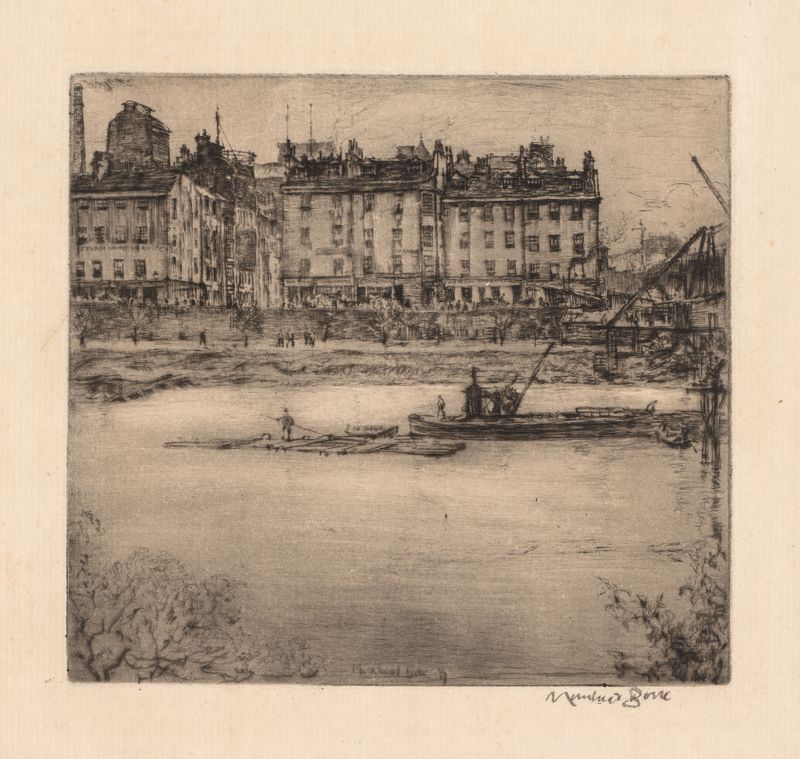
Etchings of Glasgow; Gorbals
Muirhead Bone

On the Clyde, 1917-1918; Reconstructing a Clyde Shipyard
Muirhead Bone

The Great War; Britain’s Efforts and Ideals; Building Ships; A Fitting Out Basin
Muirhead Bone

Picadilly Circus
Muirhead Bone

Demolition of St. James Hall, Exterior
Muirhead Bone
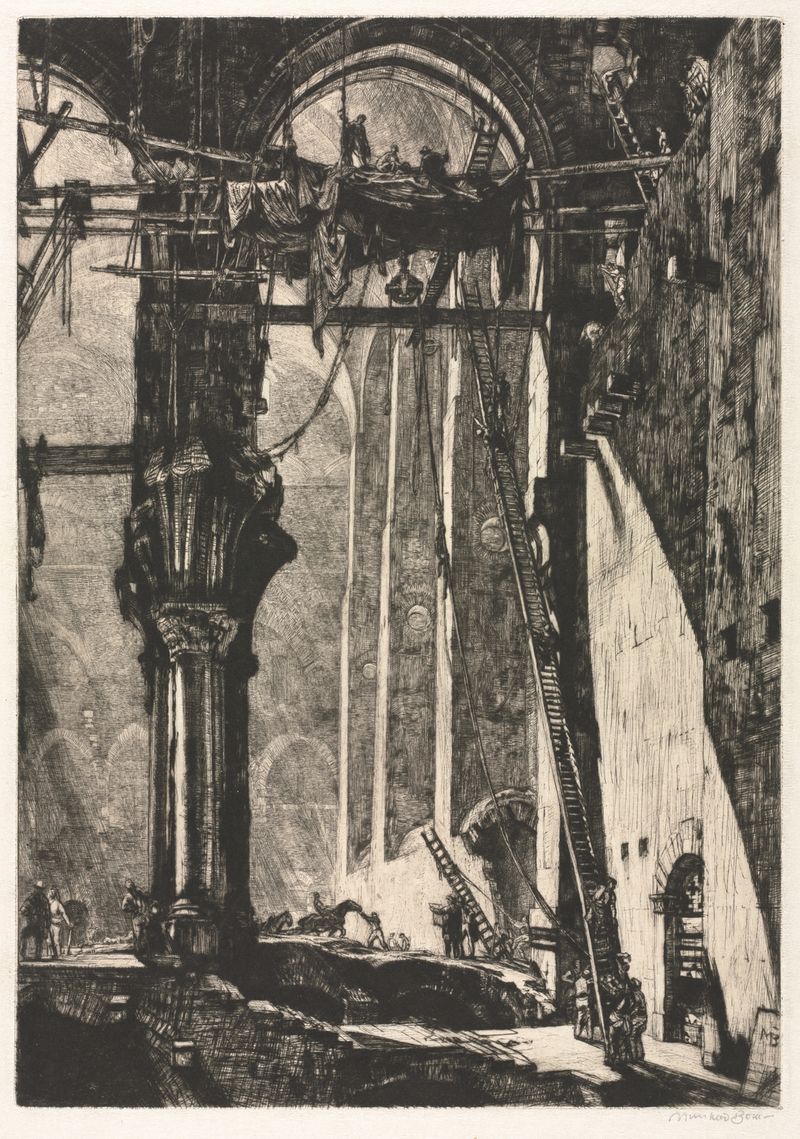
Demolition of St. James Hall, Interior
Muirhead Bone
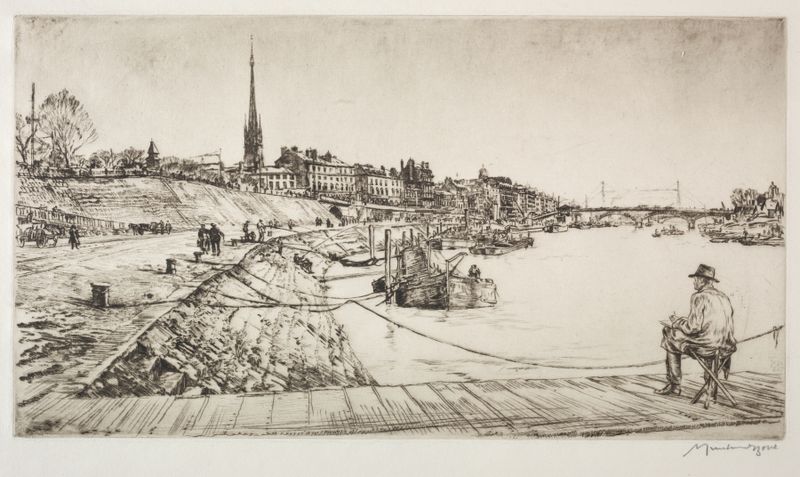
Rouen
Muirhead Bone
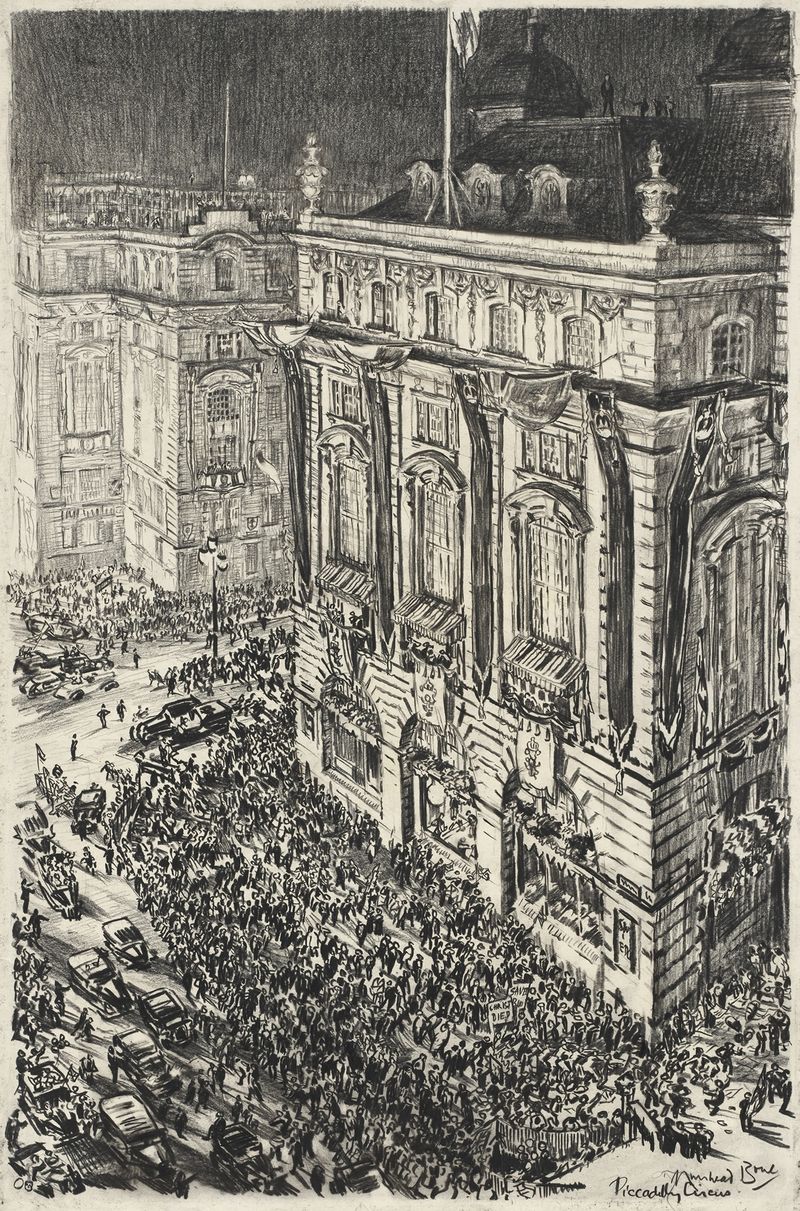
Piccadilly Circus, Eve of the Coronation of George VI
Muirhead Bone
The Solent
Muirhead Bone





