
Partenkirchen in Bavaria at Sunrise — History & Facts
When did color learn to lie? In the delicate interplay of hues, the chaos of nature is poised on the brink of tranquility. Look to the left, where soft golden rays spill over the distant mountains, igniting the sky with a palette of pastel pinks and blues. The village below awakens, its rooftops kissed by the dawn's gentle glow. Notice how the vibrant colors merge, blurring the line between reality and a dreamscape, while the cool shadows linger, hinting at the remnants of night.
The brushstroke technique, both fluid and precise, captures the ephemeral moment where night surrenders to day, inviting the viewer to linger in this dawning chaos. Amidst the serene landscape, a tension brews between the village's stillness and the volatile sky that threatens to unravel. The warm light suggests hope, yet the swirling clouds hint at the unpredictable nature of life itself. Each element—nature, architecture, and light—coexists in a delicate balance, embodying the artist's emotional resonance with the world around him.
This duality encapsulates the essence of human experience: the beautiful and the chaotic intertwined. In 1860, a period marked by immense change in Europe, the artist found himself in Bavaria, painting the intimate landscapes that reflected both his inner tumult and the evolving world. As nations grappled with innovation and rebellion, he crafted works that echoed the tension of his time, celebrating nature's beauty while acknowledging its fragility.
More Artworks by Carl Millner
Browse all →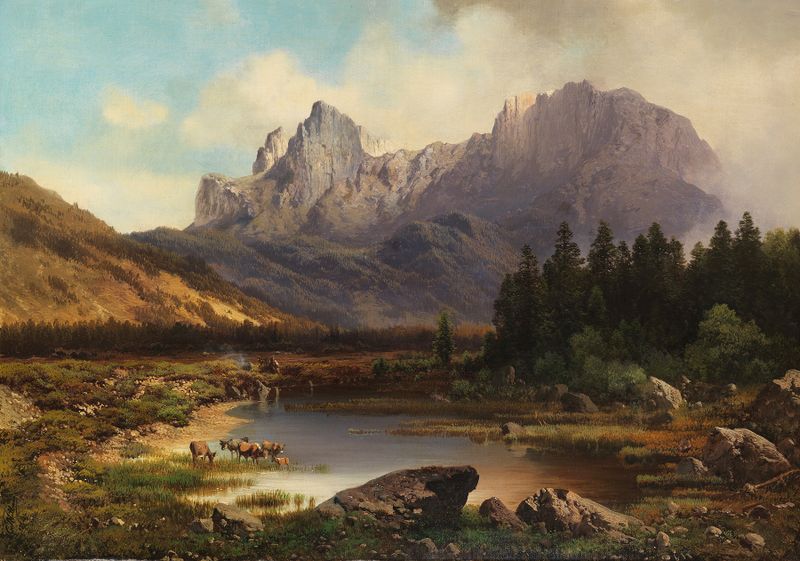
In den Dolomiten
Carl Millner
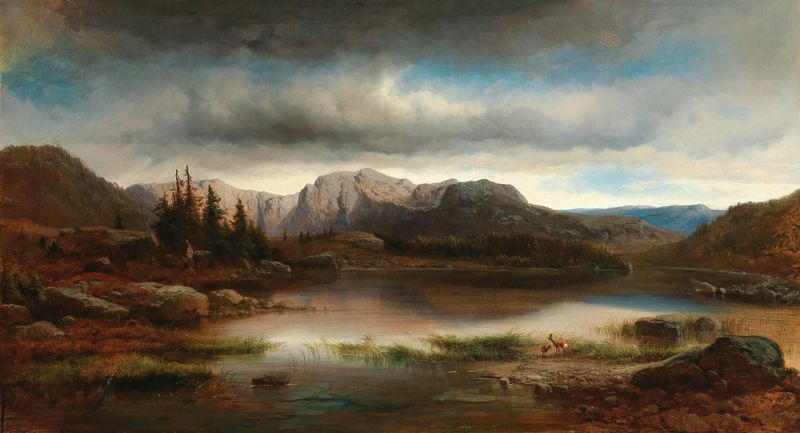
An Evening Landscape with a Mountain Lake
Carl Millner
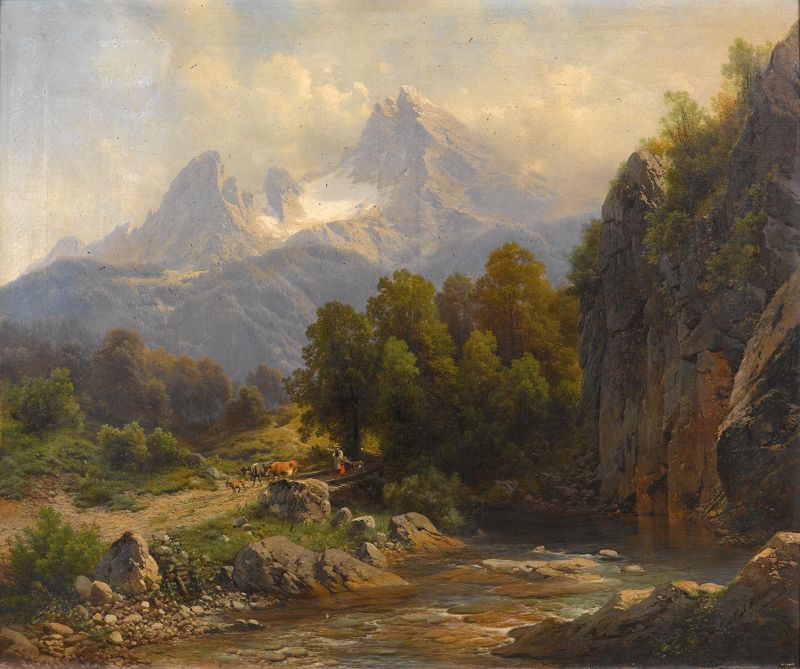
Blick auf den Watzmann
Carl Millner

Der Maler im Gebirge
Carl Millner

Sommerliche Gebirgslandschaft
Carl Millner
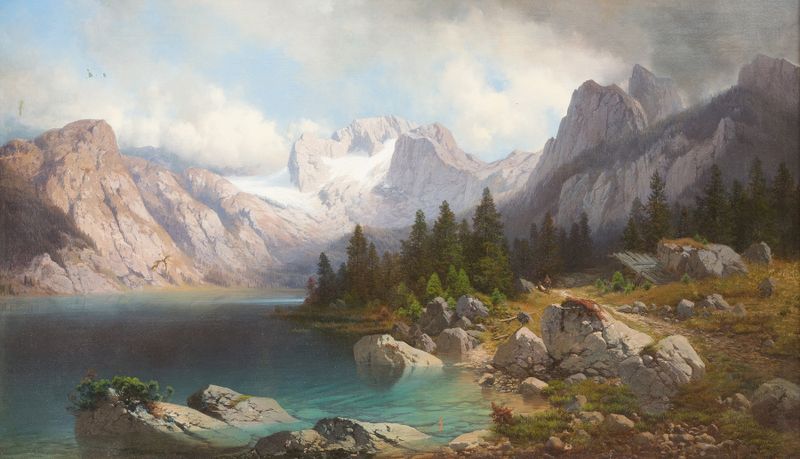
View on mount Zugspitze and lake Eibsee
Carl Millner
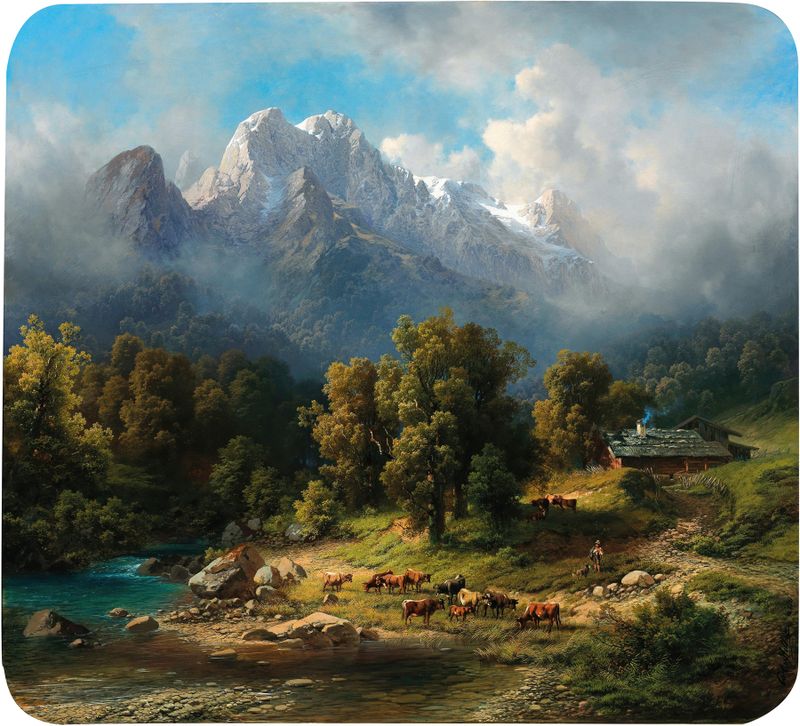
Grazing Cows near an Alpine Lake
Carl Millner
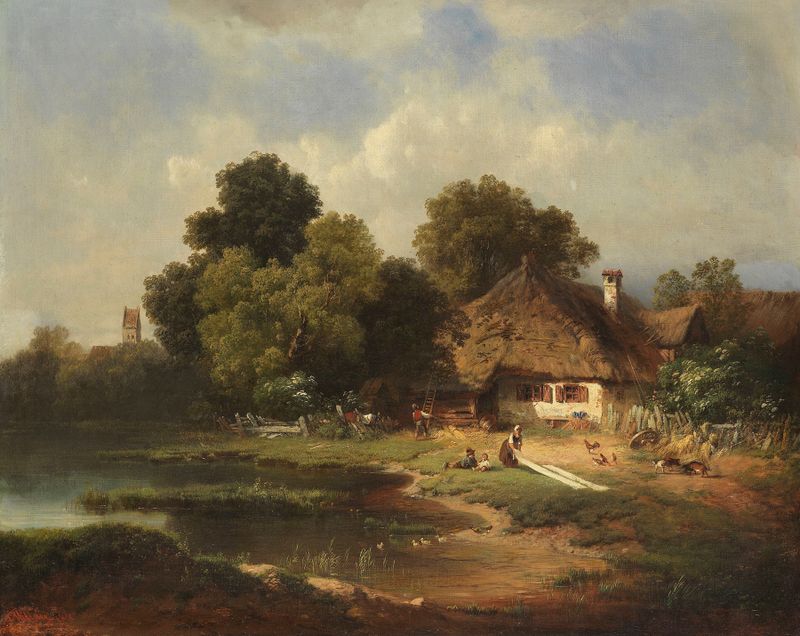
Landschaft mit Bauernhof
Carl Millner
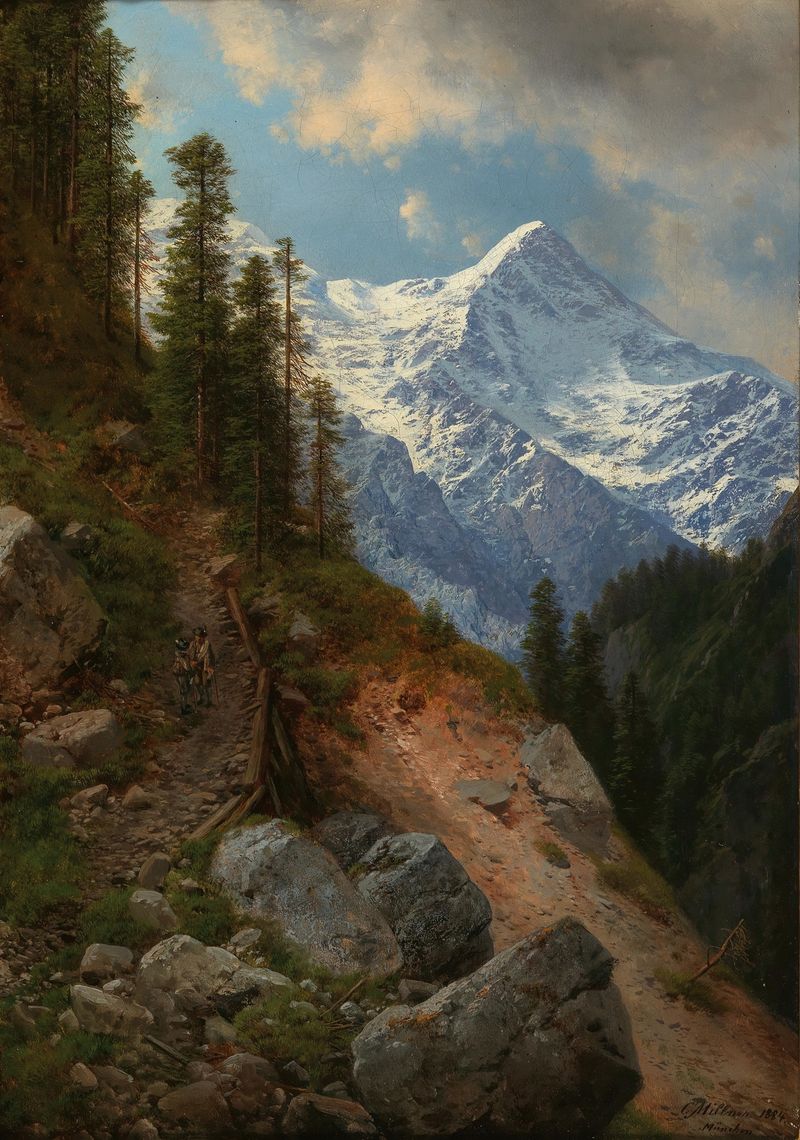
Alpinists Meeting in the French Alps with a View at Aiguille du Goûter in Chamonix-Mont-Blanc
Carl Millner

Der Alpsee bei Hohenschwangau
Carl Millner





