
Partia z Mengušoviec — History & Facts
In the quietude of our existence, moments of mortality become the most poignant reflections of life itself. Look at the center of Partia z Mengušoviec, where the stark silhouette of a figure stands against a landscape that feels both serene and somber. Notice how the muted palette—earthy browns and deep blues—paints an atmosphere of introspection. The composition draws your gaze inward, inviting contemplation on the relationship between humanity and nature, life and death.
The brushstrokes are deliberate but soft, suggesting a gentle caress of emotions that linger just beneath the surface. The presence of the figure evokes a profound sense of solitude, a contemplation of the transient nature of life. Details like the way the horizon line seems to merge with the figure, hinting at an inseparable bond between the individual and the cosmos. Here, stillness is laden with unspoken questions about existence and impermanence—a reminder that while the physical world may fade, the essence of experience persists.
This tension between life and stillness resonates, inviting viewers to confront their own mortality. In the early 1930s, while creating this piece in Slovakia, Gustáv Mallý was navigating personal and societal transitions. Post-World War I, Europe was grappling with profound changes, reflecting a yearning for identity amidst turmoil. Mallý's exploration of existential themes in Partia z Mengušoviec mirrors both his inner struggles and the broader artistic movements of his time, where the search for meaning often eclipsed the chaos surrounding them.
More Artworks by Gustáv Mallý
Browse all →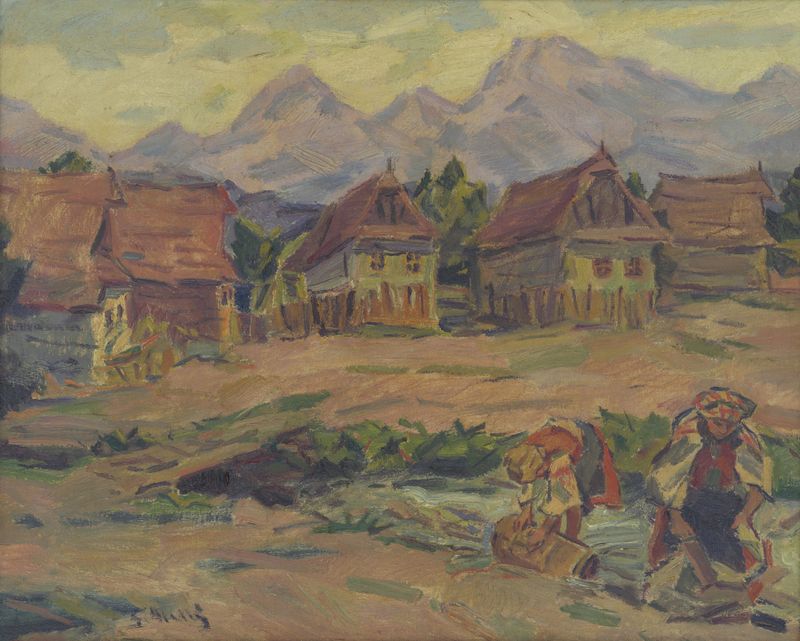
On a Brook below the Tatras
Gustáv Mallý
Tatras Landscape
Gustáv Mallý
Fair in Marianka
Gustáv Mallý
Walk in Petržalka Park
Gustáv Mallý

From the Tatras
Gustáv Mallý

Chief Shepherd with Sheep
Gustáv Mallý

Landscape from Petržalka
Gustáv Mallý
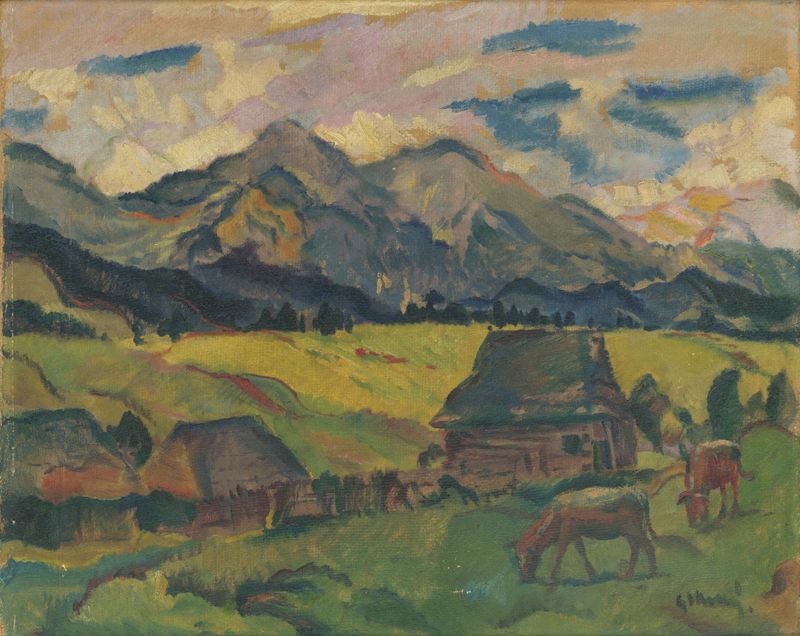
Motif from Ždiar
Gustáv Mallý
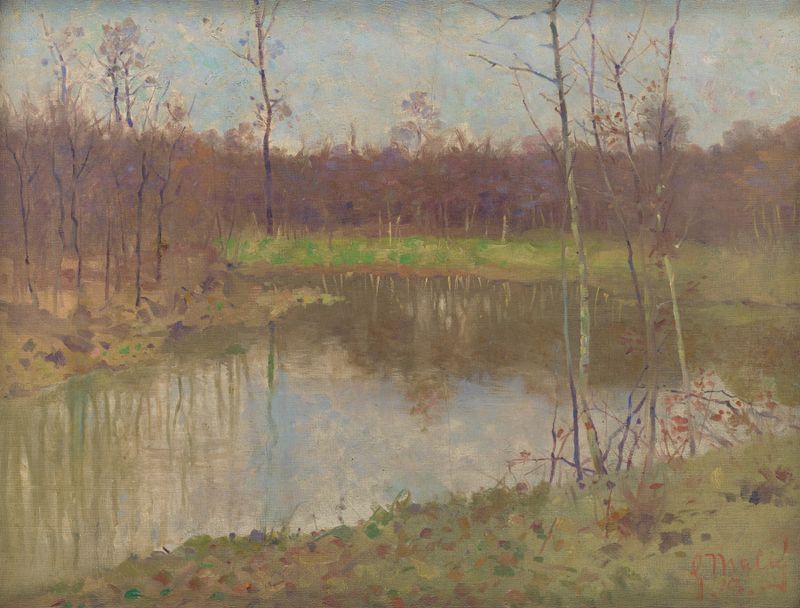
Landscape with a Fishpond
Gustáv Mallý
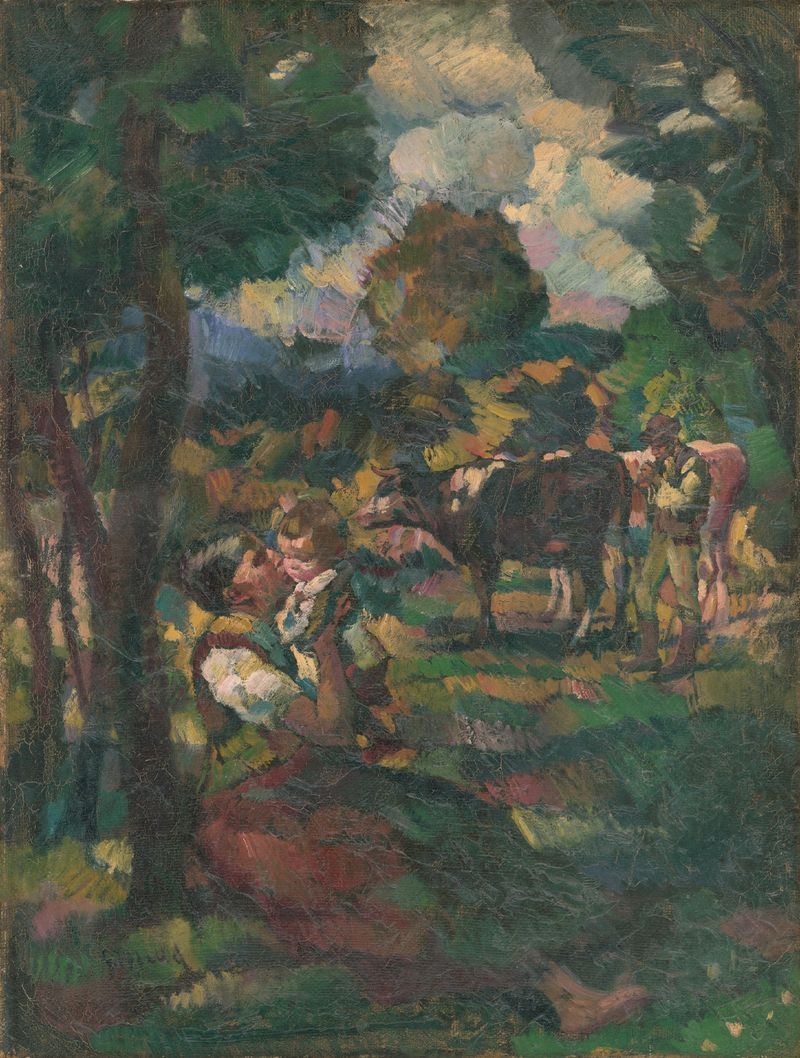
Summer
Gustáv Mallý





