
Partie bei Weyer — History & Facts
What if silence could speak through light? In the stillness of Partie bei Weyer, a moment of rebirth unfolds, whispering secrets of renewal and hope. Look to the center of the canvas, where a vibrant tableau of figures gathers, bathed in a soft, golden light that spills across the scene. The delicate brushwork illuminates their expressions, revealing a tapestry of emotions and interactions. The warm tones contrast with cooler hues in the background, creating a palpable depth that invites the viewer into this intimate gathering, where every gesture feels significant. As you explore the fringes, notice the interplay of shadow and illumination; it symbolizes the tension between old and new.
The figures, with their thoughtful postures, embody a collective yearning for connection and a fresh beginning. The subtle details—a hand reaching out, a glance exchanged—imbue the scene with an understated vibrancy, suggesting that this is not merely a pause in time, but a pivotal moment of transformation. Gustav Barbarini created Partie bei Weyer during a time of artistic exploration and social change, likely in the early 20th century. This period saw an embrace of modernism and a departure from traditional forms, reflecting the artist's own quest for personal and creative growth.
Amidst this evolving landscape, Barbarini sought to capture the essence of human experience, carving out a space where light and shadow become agents of rebirth.
More Artworks by Gustav Barbarini
Browse all →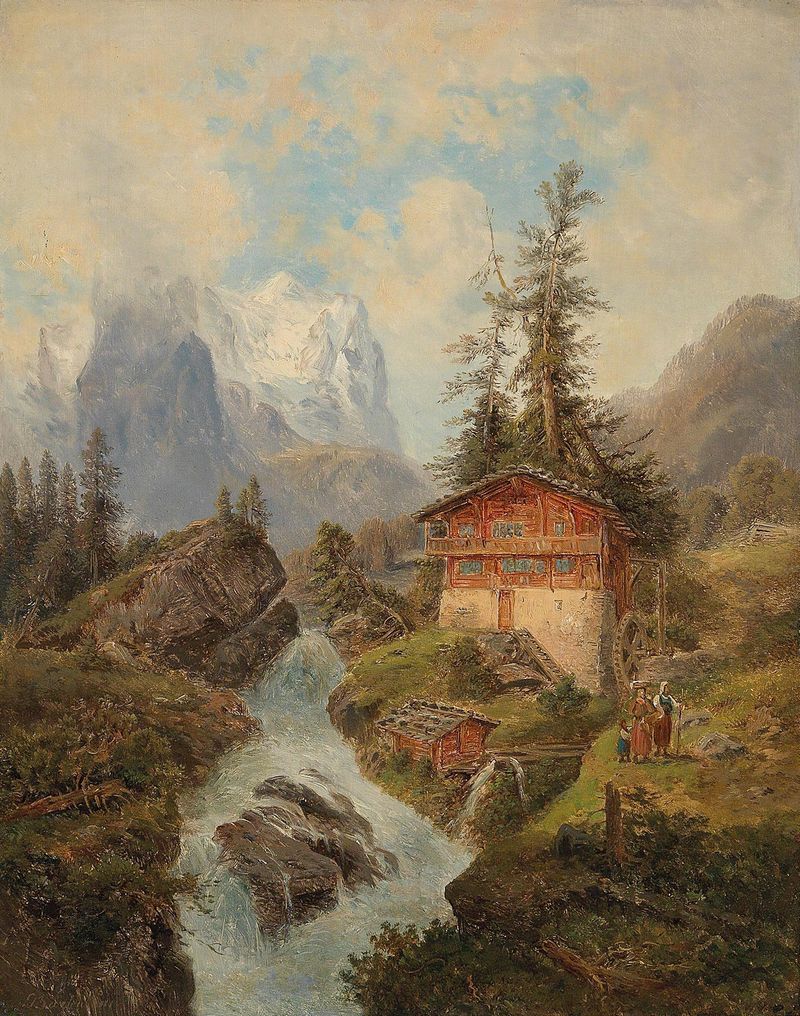
Das Wetterhorn
Gustav Barbarini
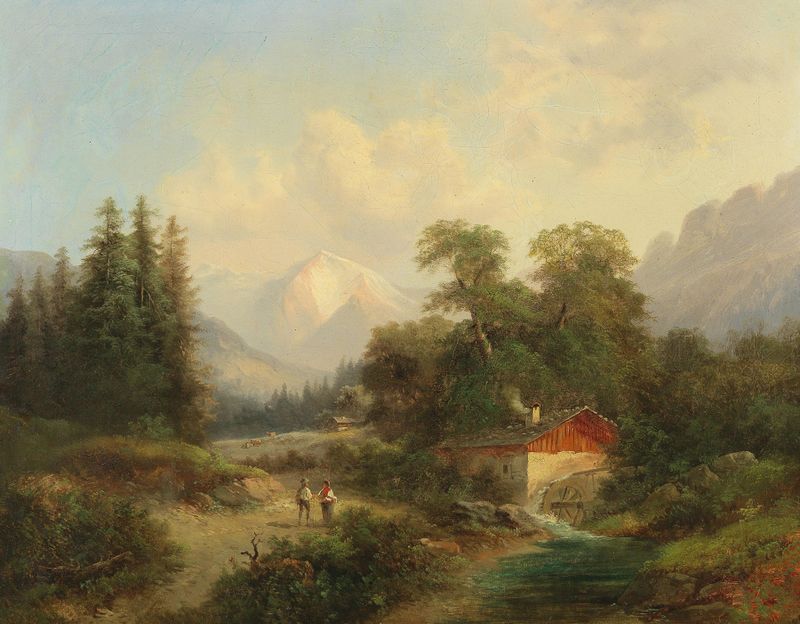
View of the Breite Riss, Puchberg in the Schneeberg Region
Gustav Barbarini
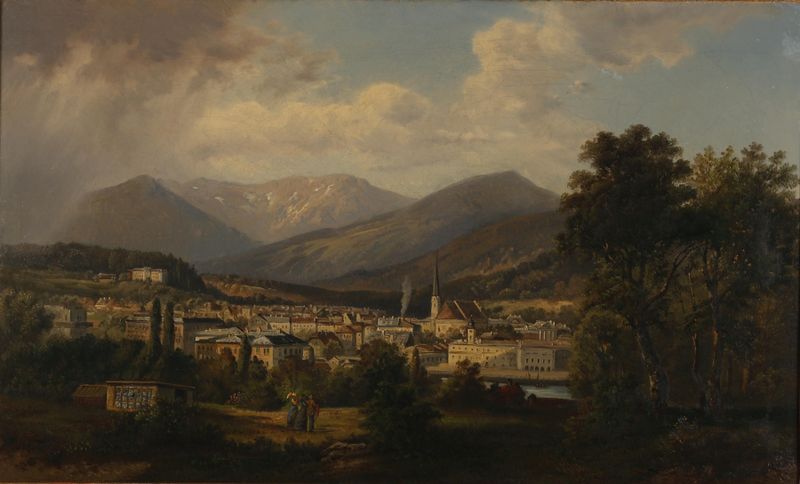
Blick auf Bad Ischl
Gustav Barbarini
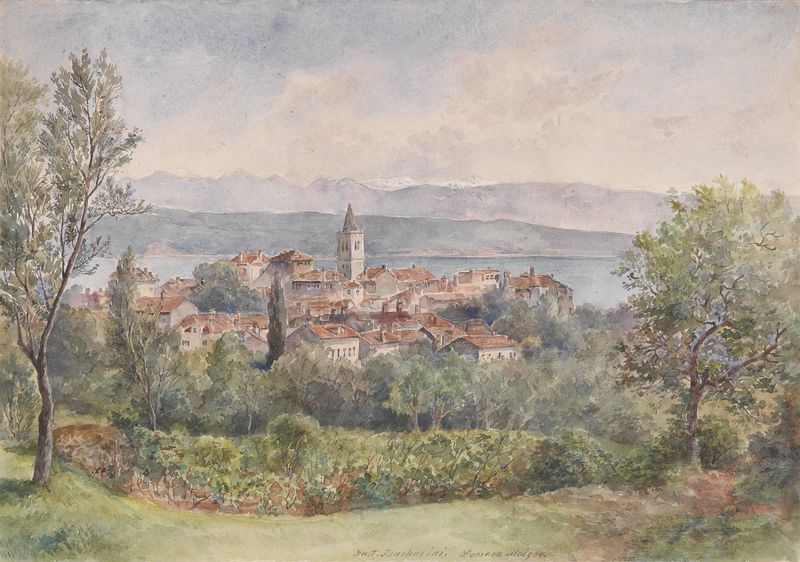
Blick auf Lovran
Gustav Barbarini
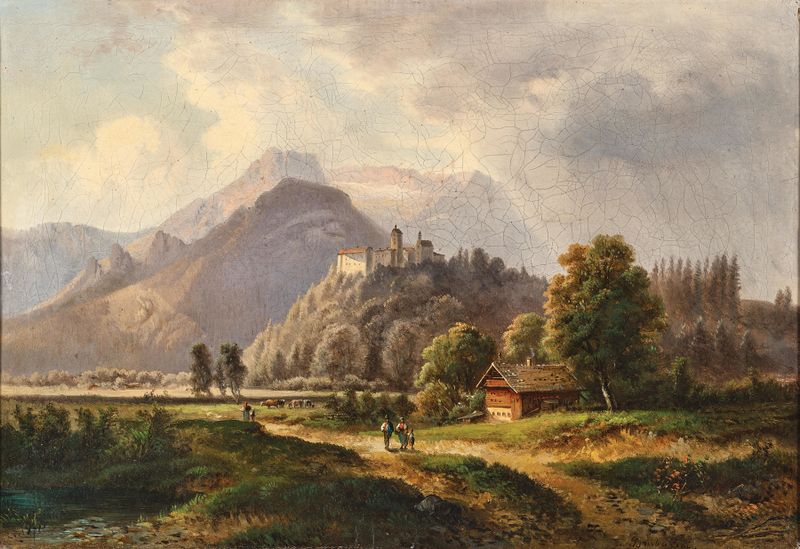
A View of the Glanegg Castle Ruins
Gustav Barbarini
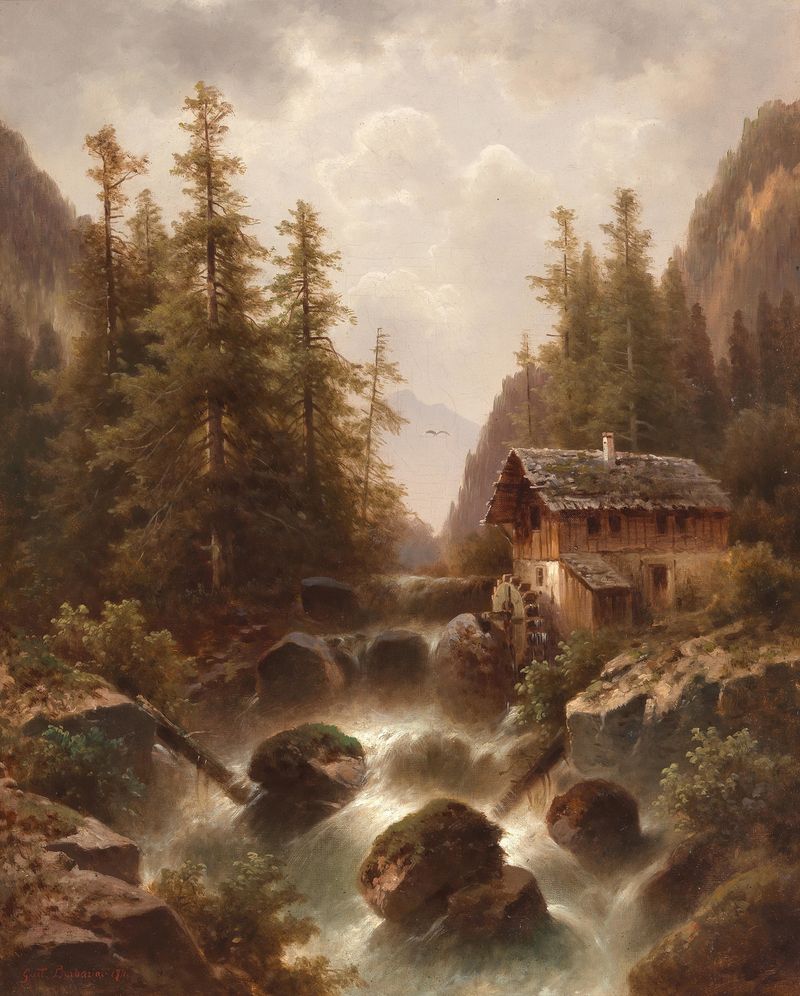
A Mill by a Mountain Torrent
Gustav Barbarini
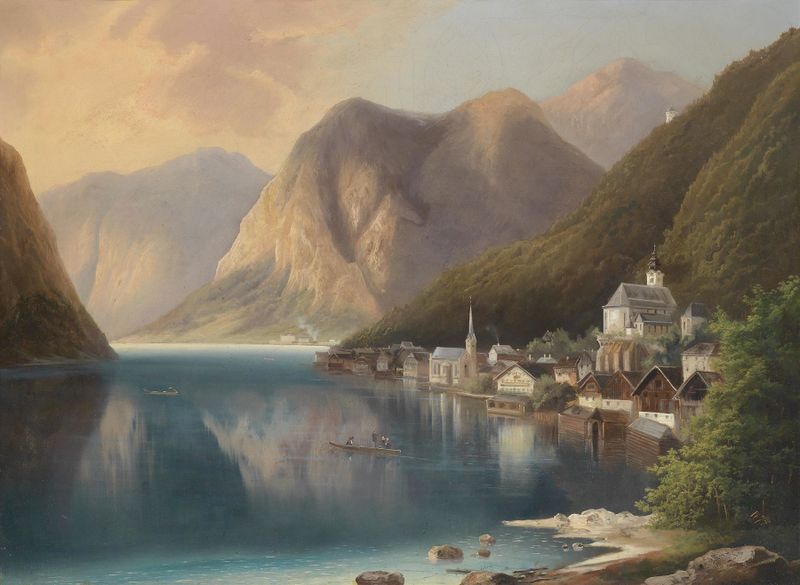
Blick auf Hallstatt
Gustav Barbarini
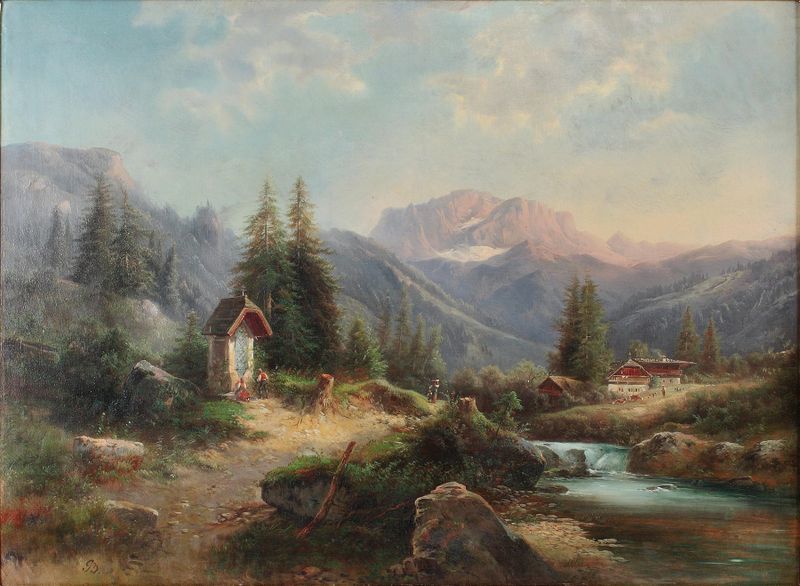
Bachlandschaft mit Figurenstaffage
Gustav Barbarini
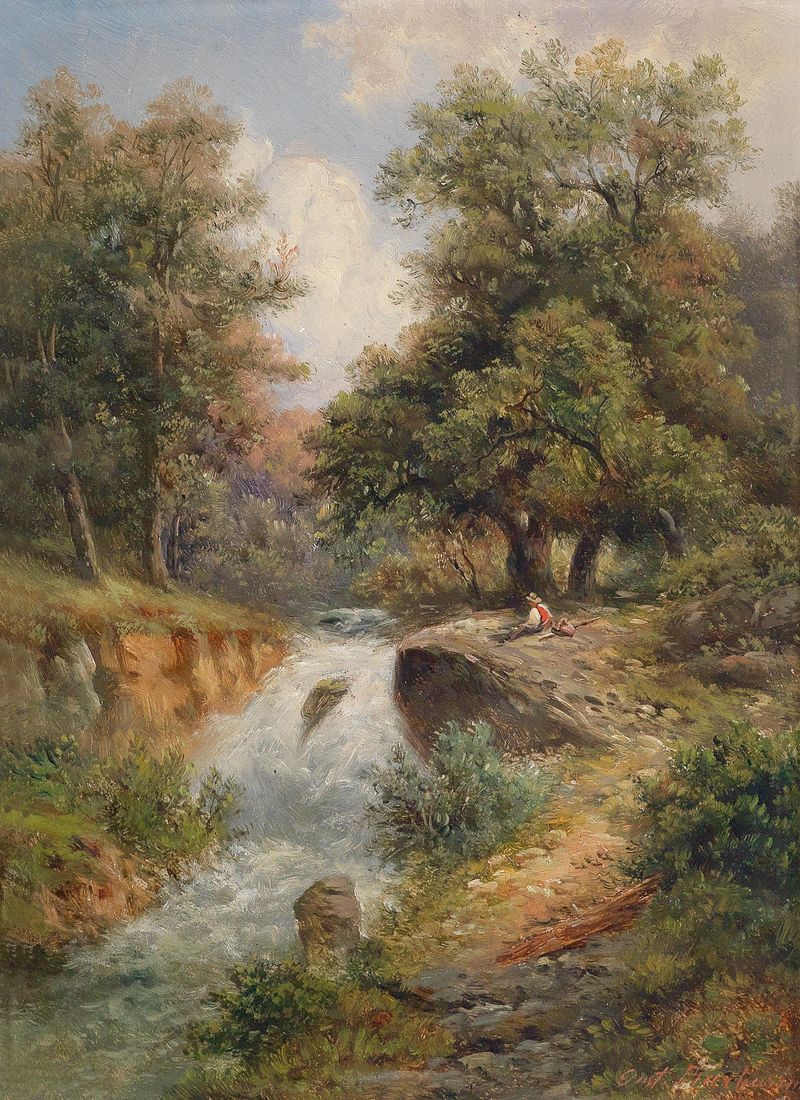
Wasserfall in Tirol in Windisch-Matrei
Gustav Barbarini
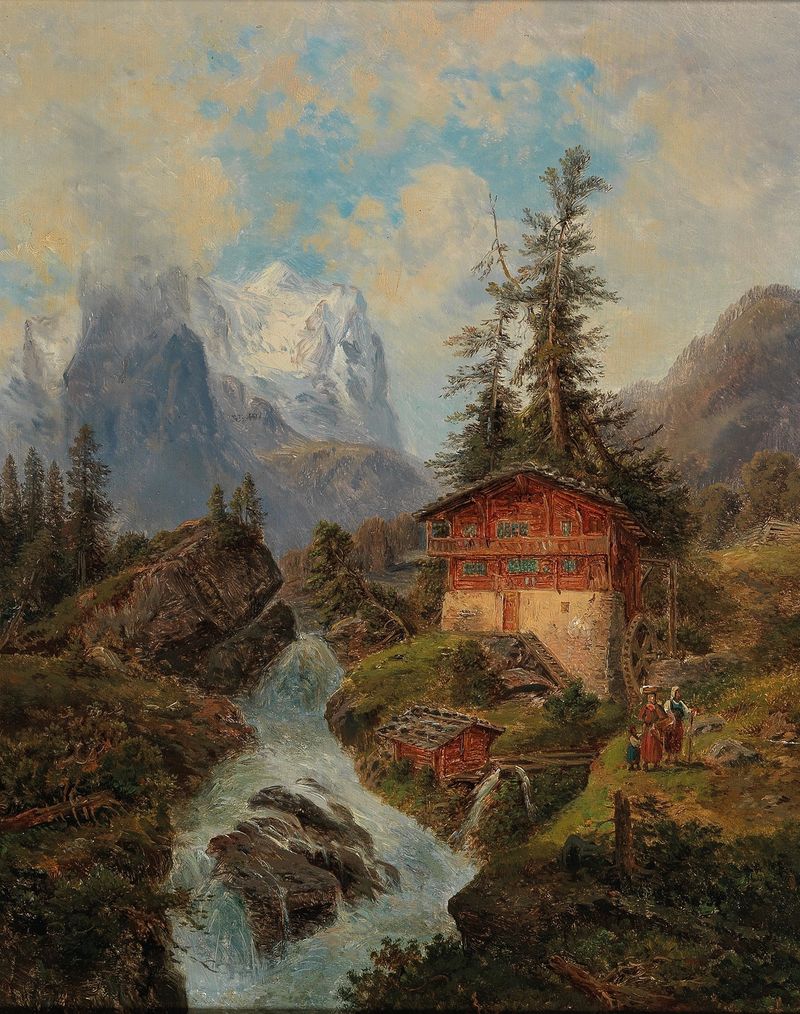
Das Wetterhorn in der Schweiz
Gustav Barbarini





