
Partie beim Schloss — History & Facts
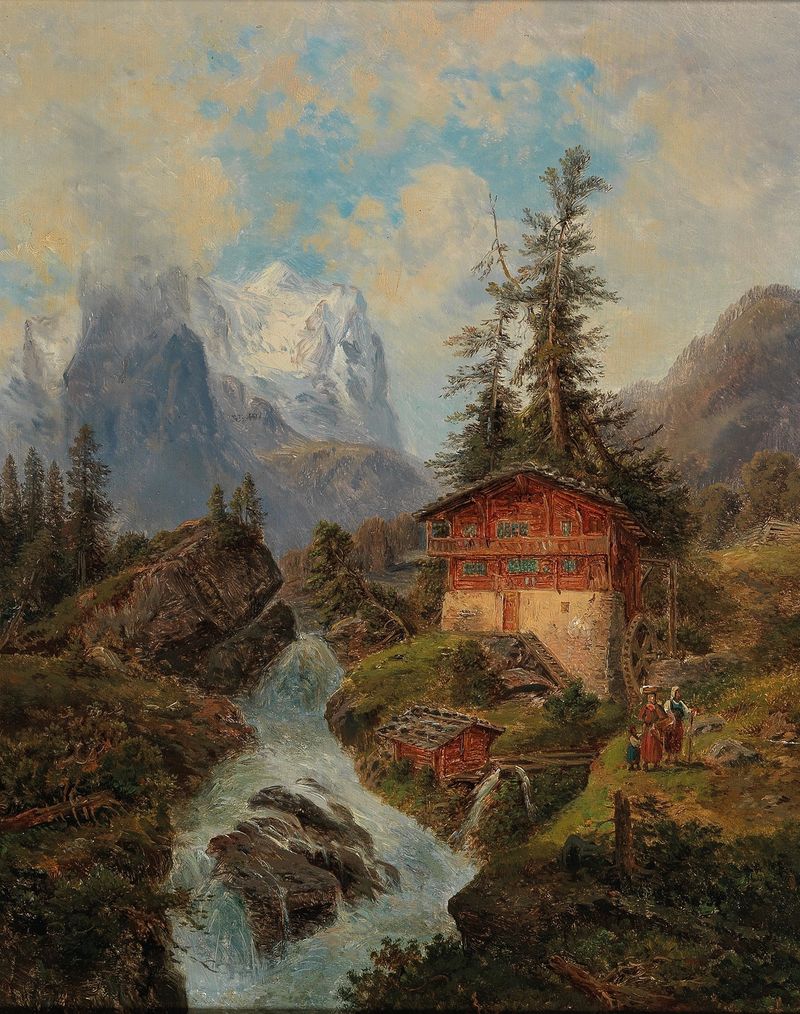
This evocative interplay invites us to reflect on how beauty often emerges from the depths of loss. Focus on the swirling patterns of color that dominate the canvas, where ochres and blues intertwine like whispers of forgotten conversations. Notice how the artist's deft strokes create a sense of movement, as if the figures are caught in a dance, both alive and ephemeral. The composition is alive with energy, yet there is an underlying tension, a sense of something precious slipping away, captured in the fleeting nature of the moment. Delve deeper into the subtleties hidden within.
The contrasting shades evoke an emotional dichotomy—bright hues hint at joy, while shadowy undertones suggest sorrow. Look closely at the figures; their gestures are both jubilant and introspective, conveying a duality of celebration and melancholy. This tension mirrors the complexities of human experience, revealing that loss often coexists with moments of beauty and connection. During the period when this piece was created, Barbarini was immersed in a world of artistic evolution.
The late 19th century was a time of significant change in Europe, marked by new ideas and movements. As the artist navigated his own personal challenges, he explored the themes of transience and memory, reflecting the broader societal shifts. It was within this context that he crafted Partie beim Schloss, a poignant exploration of how loss can transform into grace through the lens of artistic expression.
More Artworks by Gustav Barbarini
Browse all →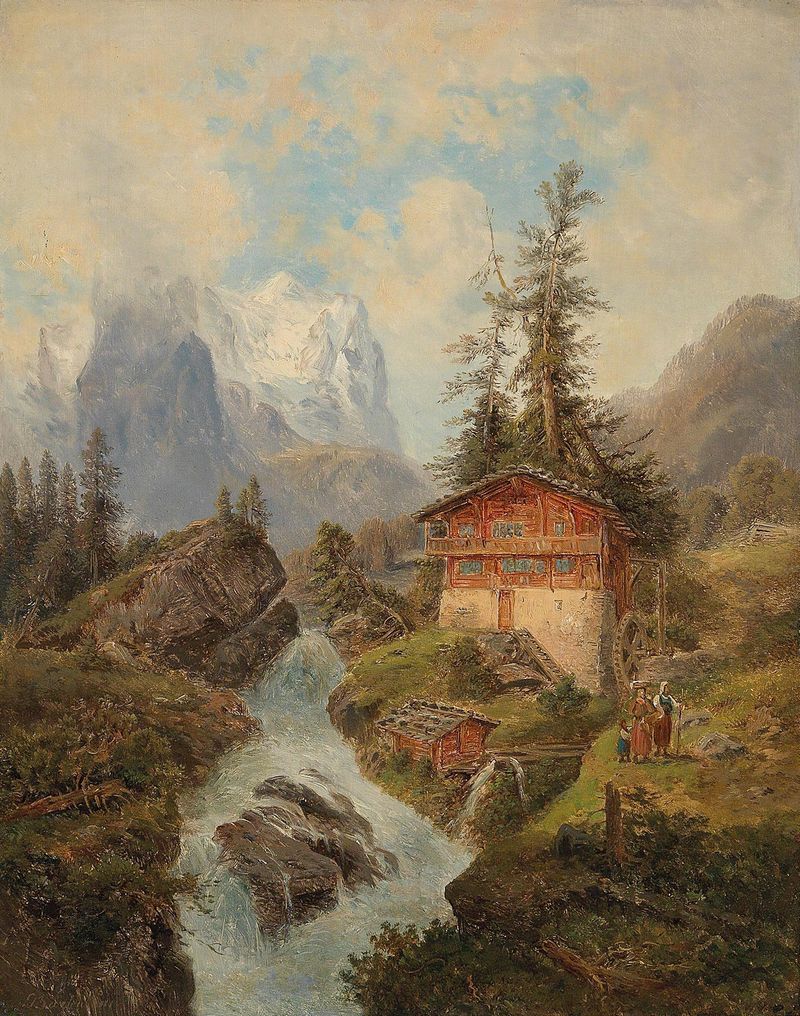
Das Wetterhorn
Gustav Barbarini
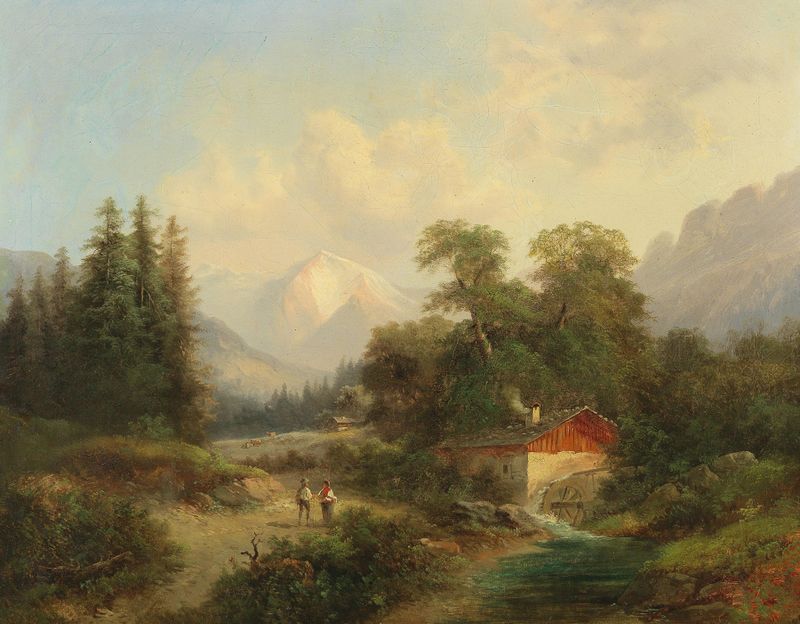
View of the Breite Riss, Puchberg in the Schneeberg Region
Gustav Barbarini
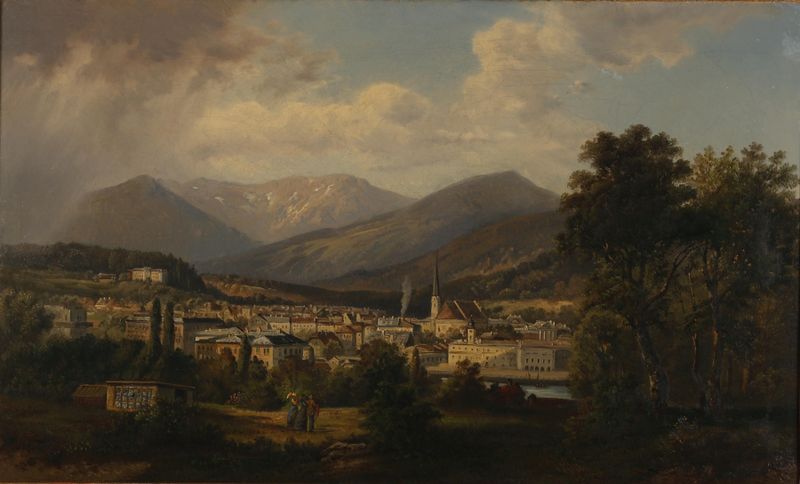
Blick auf Bad Ischl
Gustav Barbarini
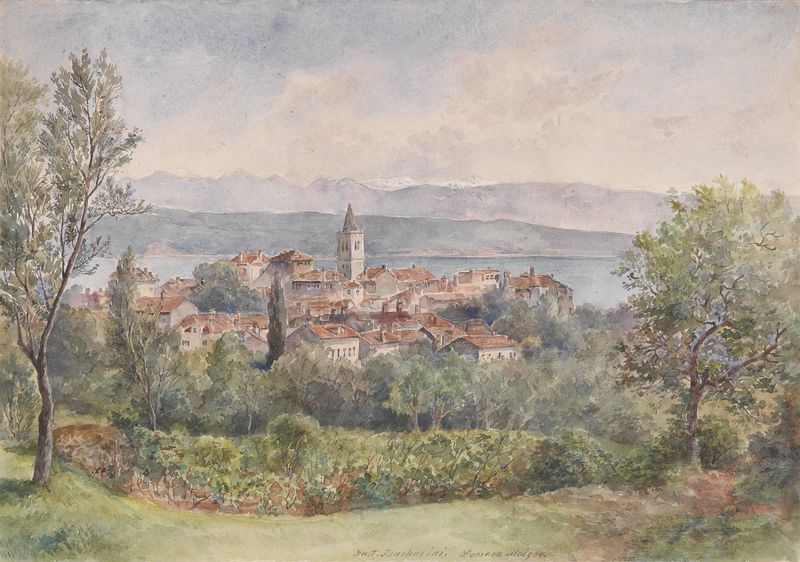
Blick auf Lovran
Gustav Barbarini
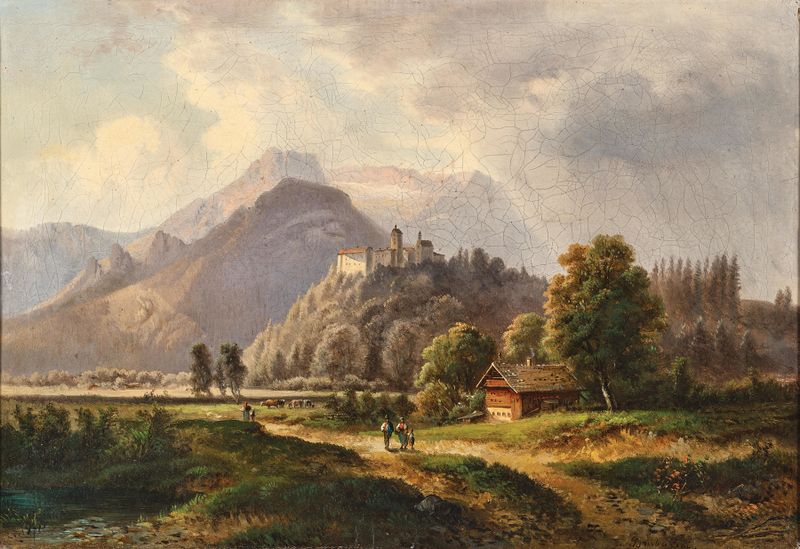
A View of the Glanegg Castle Ruins
Gustav Barbarini
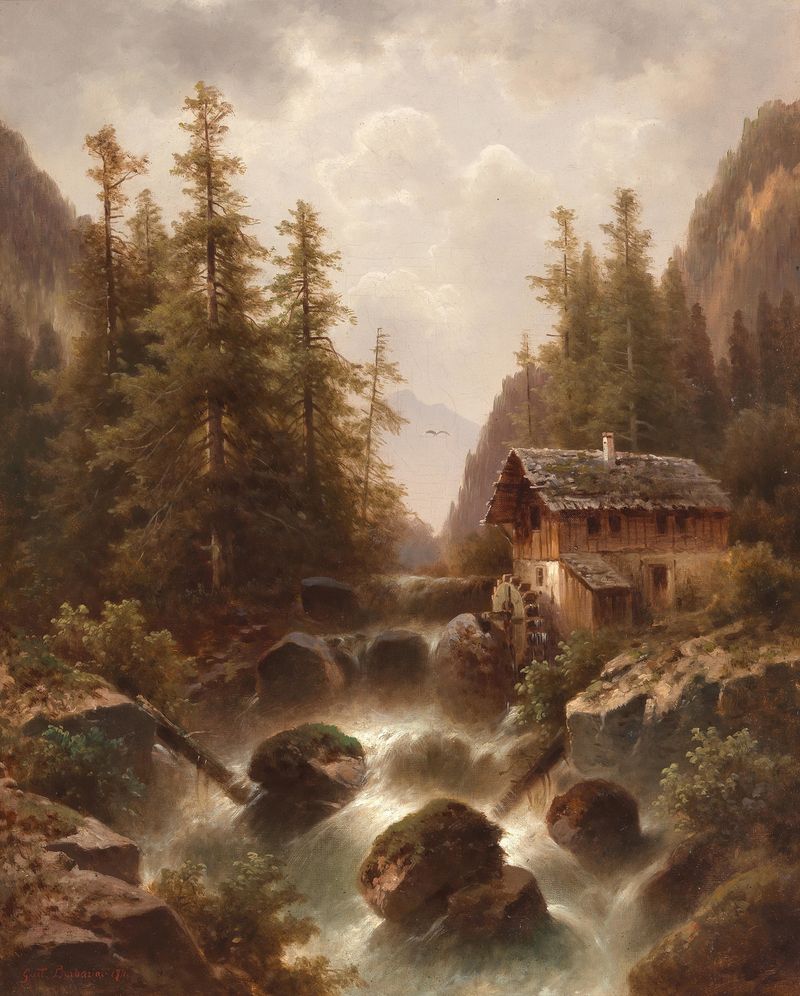
A Mill by a Mountain Torrent
Gustav Barbarini

Blick auf Hallstatt
Gustav Barbarini
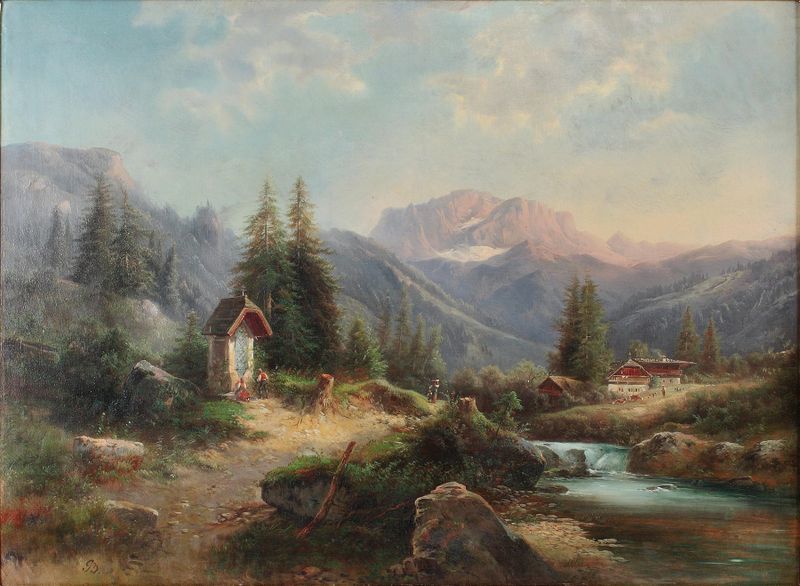
Bachlandschaft mit Figurenstaffage
Gustav Barbarini
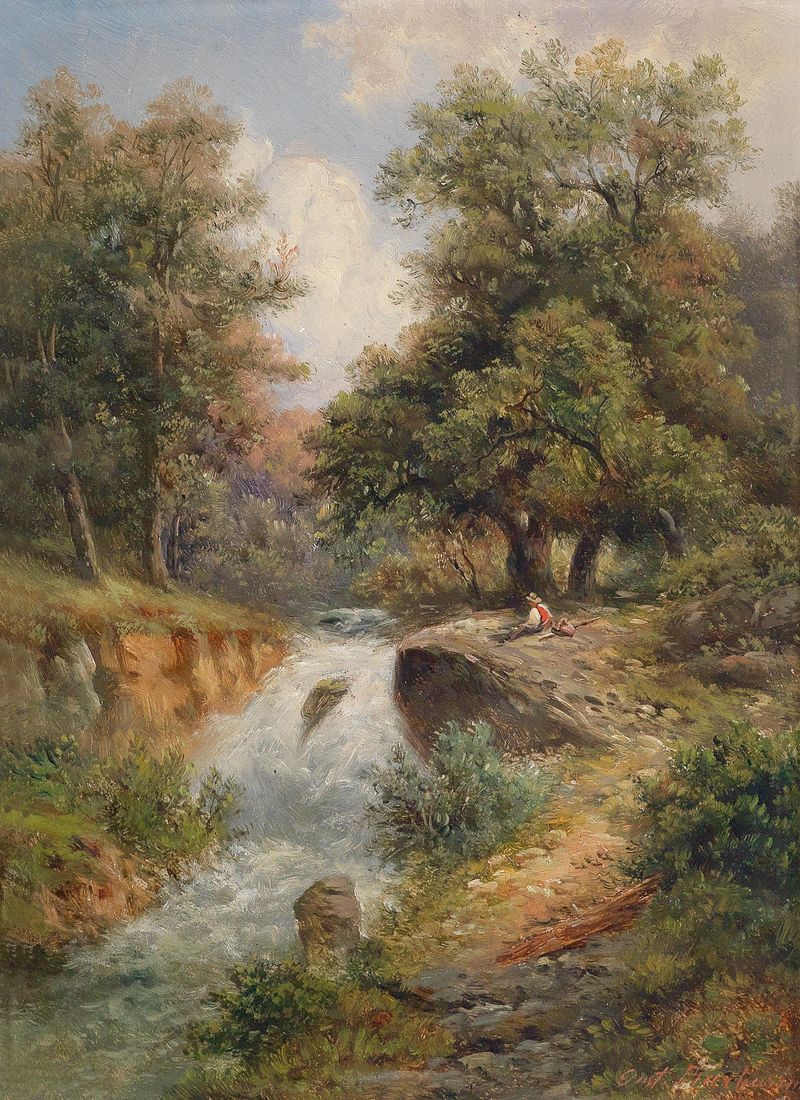
Wasserfall in Tirol in Windisch-Matrei
Gustav Barbarini
Das Wetterhorn in der Schweiz
Gustav Barbarini





