
Pasteur's portrait by Edelfelt — History & Facts
The eye is drawn first to the intensity of thought on the scientist’s face, caught in a rare moment of stillness amid the quiet clutter of a working laboratory. Light pours in from a high window, catching on glass vessels and the crisp white of a paper in his hand, but it is the way his gaze fixes on the flask—a vessel sealed with cotton, cradled as if it holds the fate of lives—that holds the viewer’s attention. Every object on the bench seems to orbit this act of scrutiny: the careful arrangement of bottles, the thick volume propping up his elbow, the faint reflection of colored liquids.
The vertical stripes of a curtain in the background echo the upright posture of the man himself, suggesting discipline and order, while the palette of earth and ochre grounds the scene in the reality of nineteenth-century science. This is not a grand public demonstration, but a private reckoning with discovery. Painted in 1885 by Albert Edelfelt, this portrait belongs to a world where science was rapidly transforming daily life and public health. The subject, Louis Pasteur, was already a figure of international renown, and portraits of scientists in their laboratories had become a genre in themselves—celebrating not just the individual, but the new secular faith in experiment and reason.
Such works were often commissioned to honor achievement or inspire emulation, and they reflect the era’s fascination with the laboratory as a modern sanctum. While the details of this painting’s commission or journey remain obscure, its survival in photographic reproduction and digital archives speaks to the lasting curiosity about both Pasteur and the environments that shaped modern science. The viewer is left to wonder what revelation might be emerging in that moment, and to look again at the play of light across glass and thought.
More Artworks by Albert Edelfelt

The Day of Rest
Albert Edelfelt
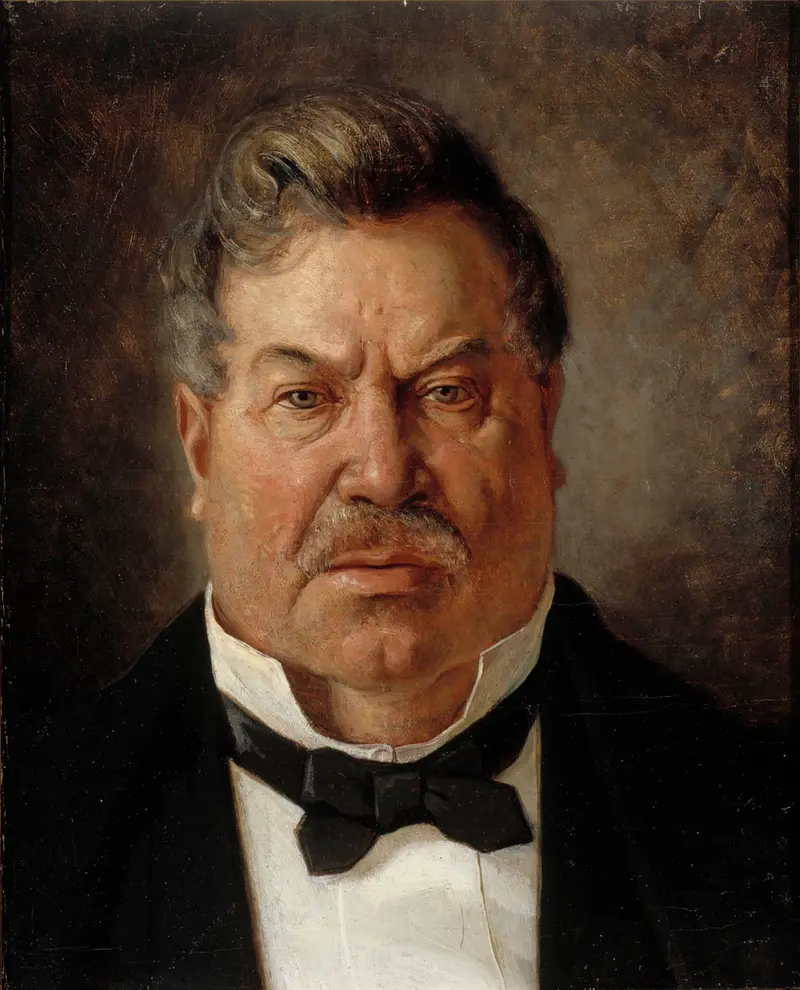
Portrait of August Streng
Albert Edelfelt
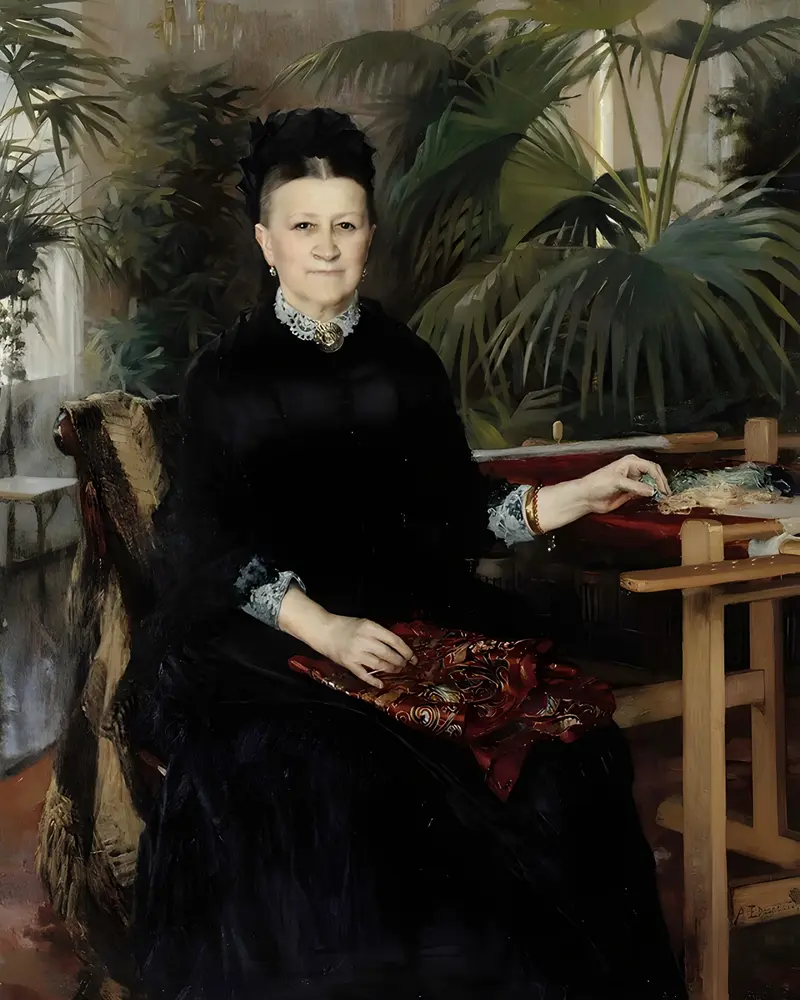
Portrait Of Mrs. Anna Sinebrychoff
Albert Edelfelt

The Poet, Larin Paraske
Albert Edelfelt

Parisian lady in a Peignoir
Albert Edelfelt
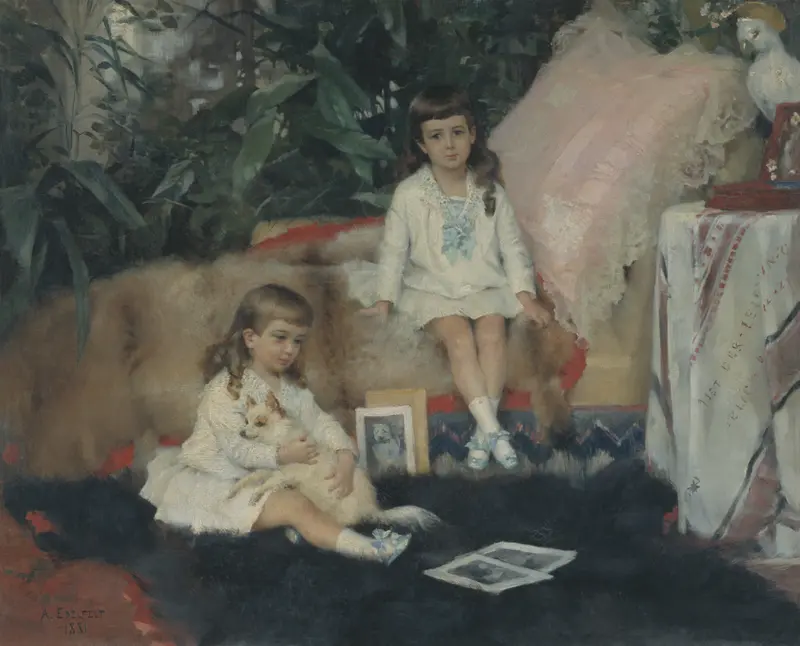
The Grand Dukes Boris and Kirill Vladimirovich as Children
Albert Edelfelt
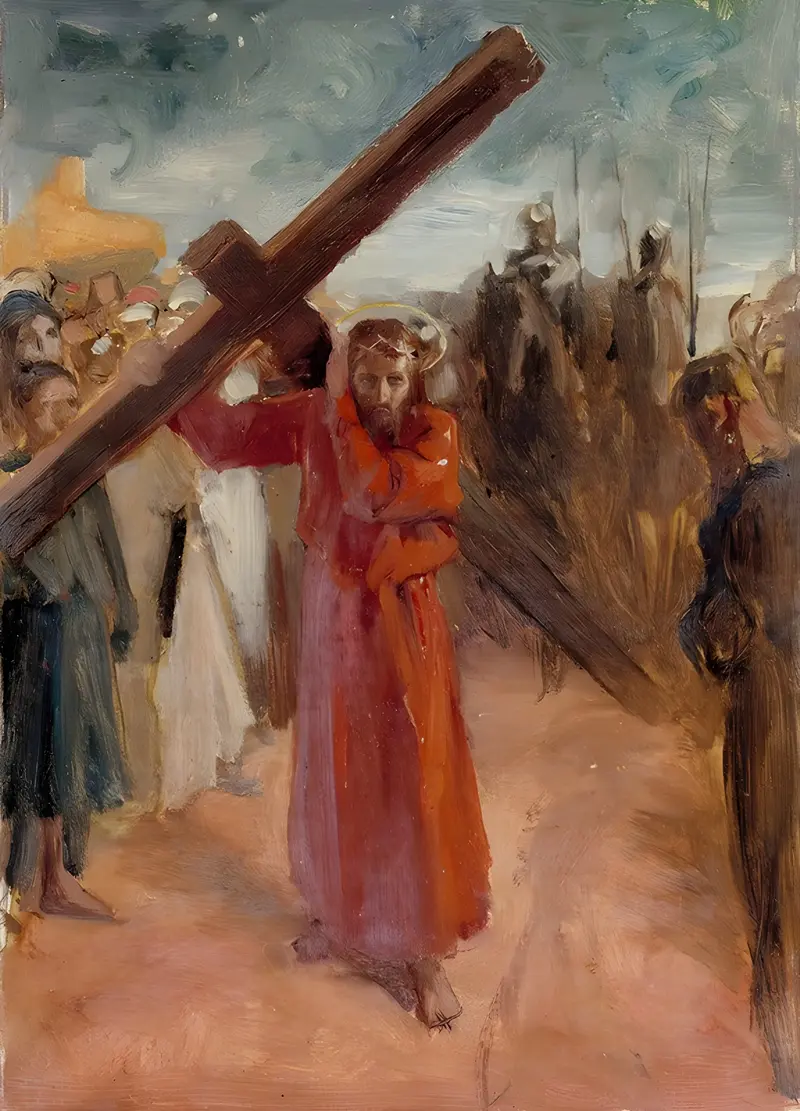
Christ Bears The Cross
Albert Edelfelt
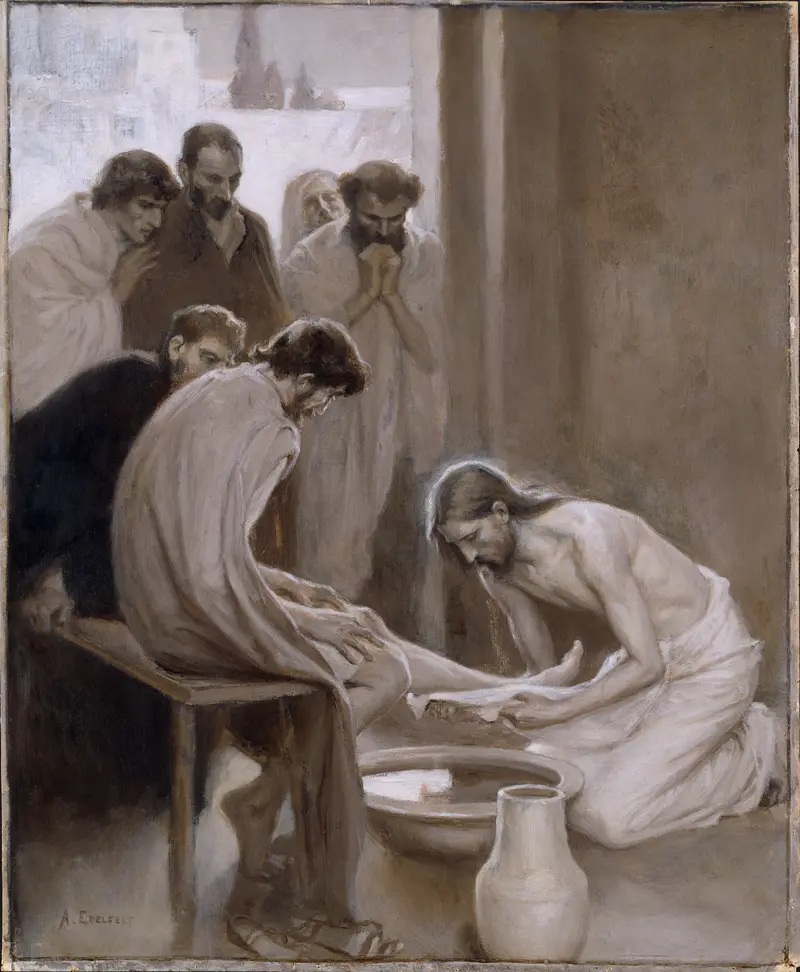
Jesus Washing the Feet of his Disciples
Albert Edelfelt

Larin Paraske with Kantele
Albert Edelfelt
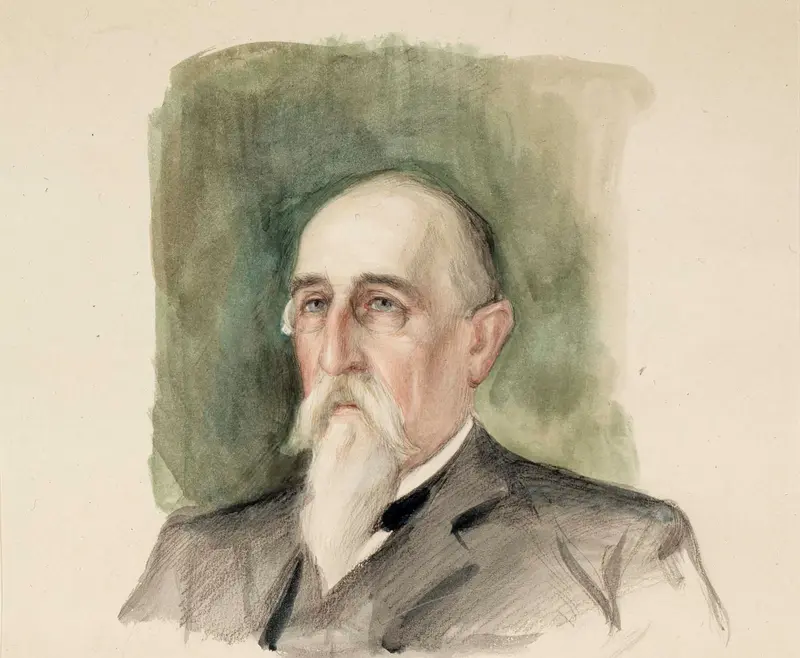
Leo Mechelin, Portrait Study
Albert Edelfelt





