
Path through the Village of Manen at Ede — History & Facts
Can paint confess what words never could? In Path through the Village of Manen at Ede, a quiet, almost unsettling stillness pervades, where the brushstrokes hint at a deeper madness lurking beneath the serene surface of village life. Look closely at the winding path leading into the depths of the verdant landscape. The vibrant greens and soft earth tones draw your eye along the way, inviting a journey into the heart of the village. Notice how the light dances through the leaves, casting playful shadows that suggest movement and life, yet the figures walking along the path remain eerily static, their anonymity evoking both connection and estrangement.
The composition balances the lush scenery with an underlying tension, as if the environment itself is both nurturing and suffocating. As you delve into the details, consider the contrast between the idyllic landscape and the stark absence of emotion in the villagers. Their muted expressions and unhurried pace hint at a collective resignation, perhaps a reflection of the societal expectations of the time. The tension between the vibrancy of nature and the dullness of human experience raises questions about the distance between the beauty of existence and the madness that can accompany it. In 1783, Wybrand Hendriks painted this piece in the Netherlands, a time marked by Enlightenment ideals, yet also a period ripe with societal pressures.
As art began to reflect more personal narratives and emotional depth, Hendriks navigated the delicate balance between the outer beauty of rural life and the inner turmoil of mankind, capturing a moment that resonates even today.
More Artworks by Wybrand Hendriks
Browse all →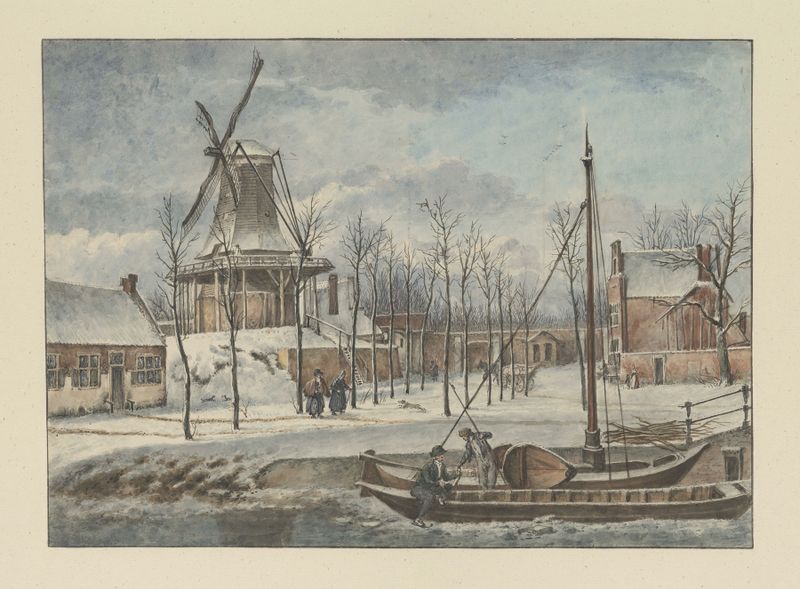
De Doelmolen, de Raampoort, de Stadswal en de huizen aan de Korte Geusestraat (nu; Wilsonsplein) vanaf de Raamgracht in de sneeuw.
Wybrand Hendriks
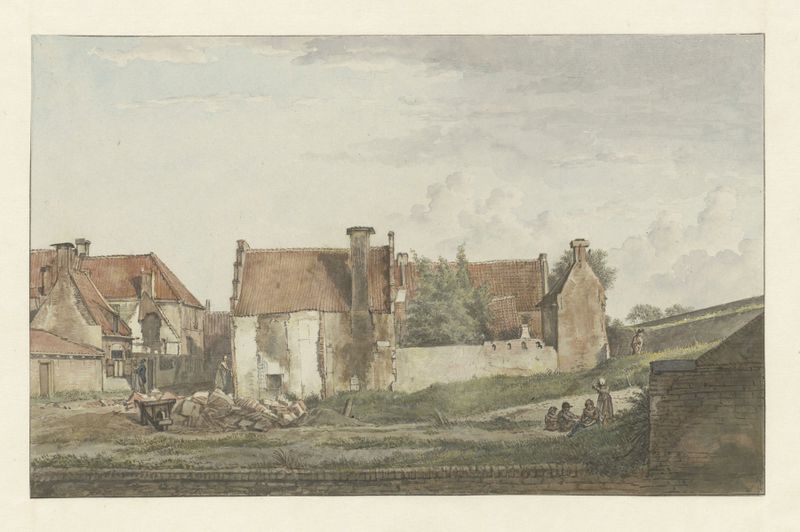
Gezicht op de Raamgragt op de Lange Geusestraat na ‘t wegbreeke van eenige huisen in 1809
Wybrand Hendriks
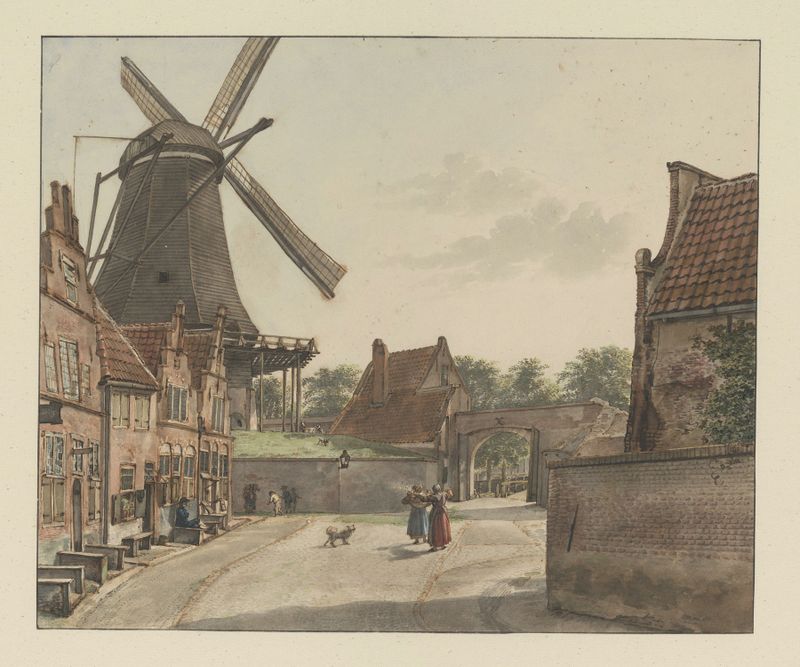
Gezicht vanuit de Bereiderstraat, tegenwoordig Sophiastraat, op de oostzijde van de Raampoort en de Doelmolen
Wybrand Hendriks
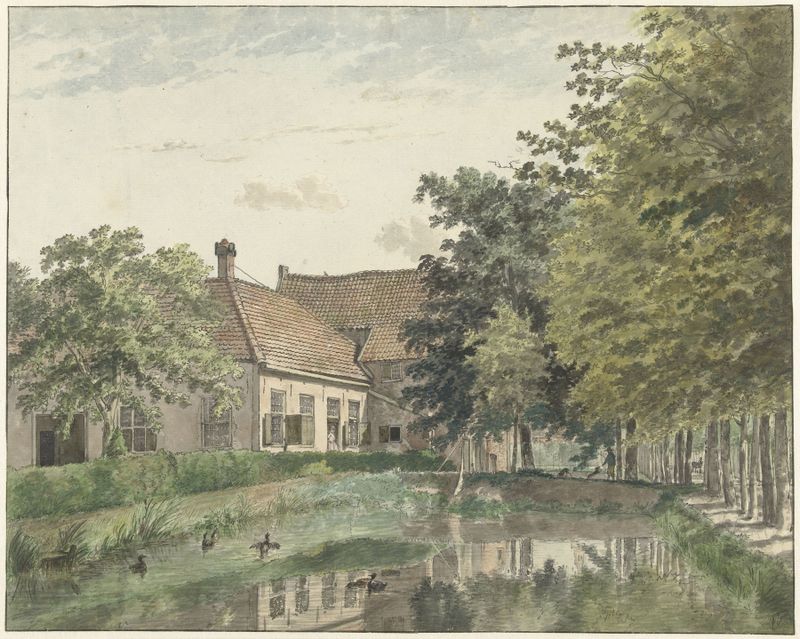
Gezicht op de buitenplaats Watergoor bij Nijkerk
Wybrand Hendriks
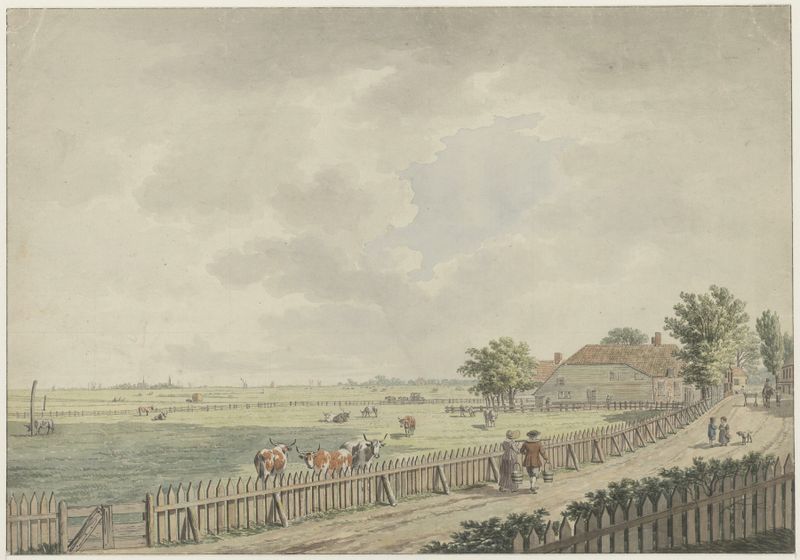
Gezicht in de Hoofdstraat, de weg naar Haarlem, in Santpoort, ziende naar het Zuiden.
Wybrand Hendriks
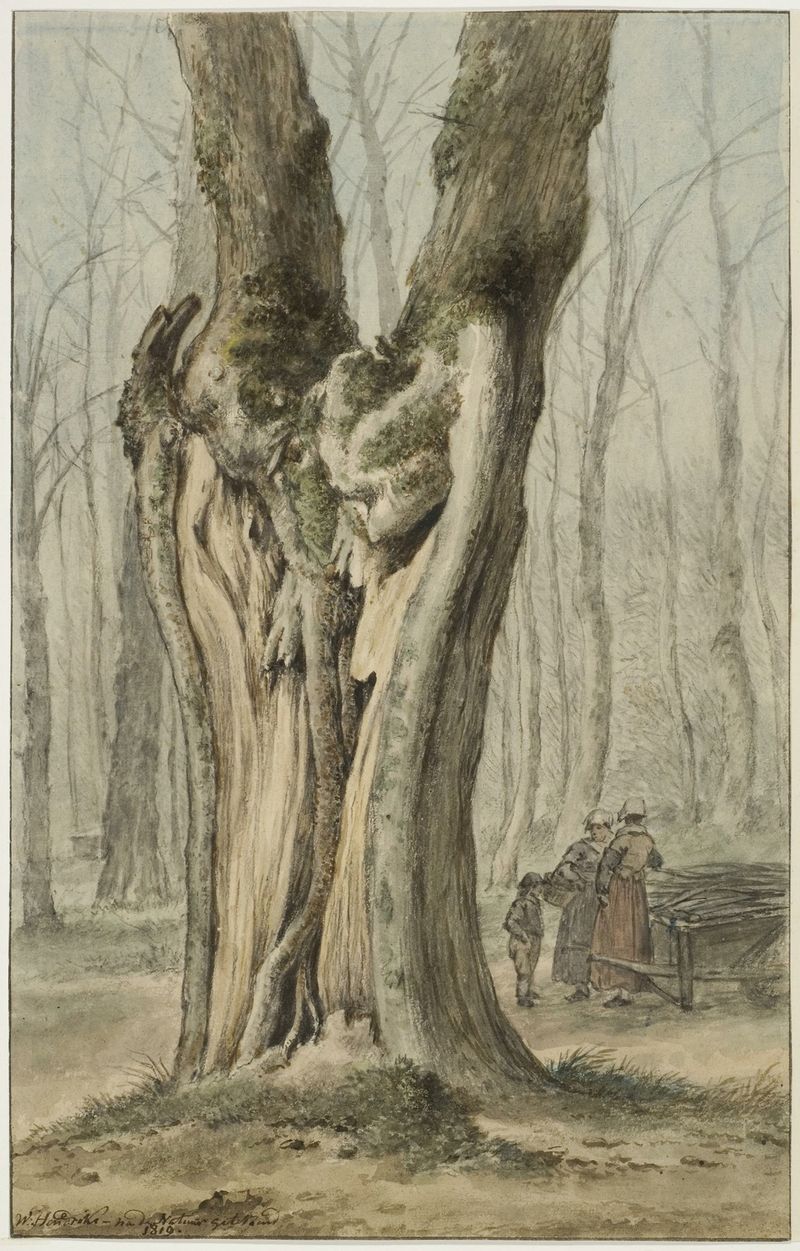
De wonderboom in de Spanjaardslaan in de Haarlemmerhout te Haarlem
Wybrand Hendriks
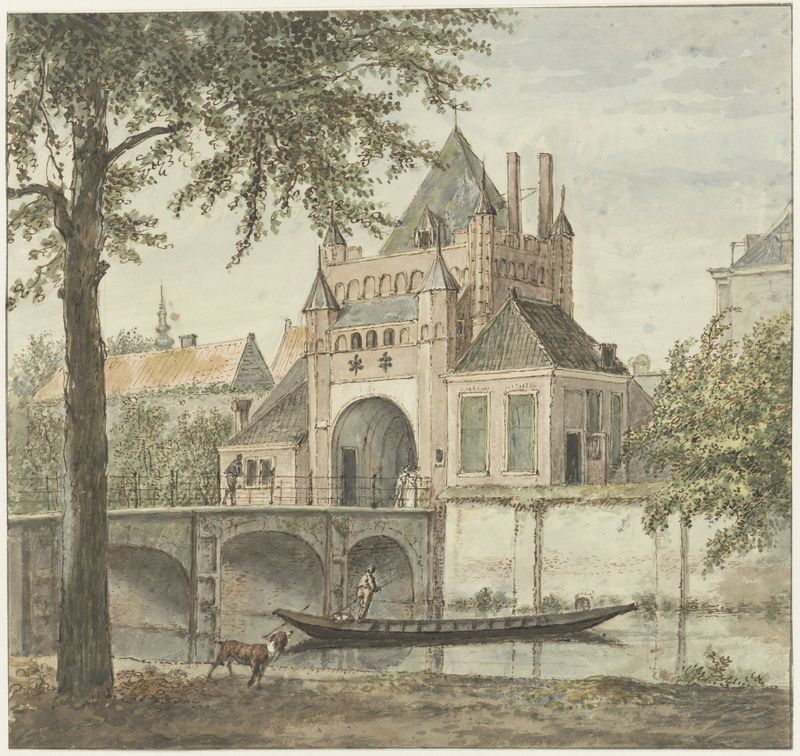
Grote Houtpoort van de zuidoostzijde
Wybrand Hendriks
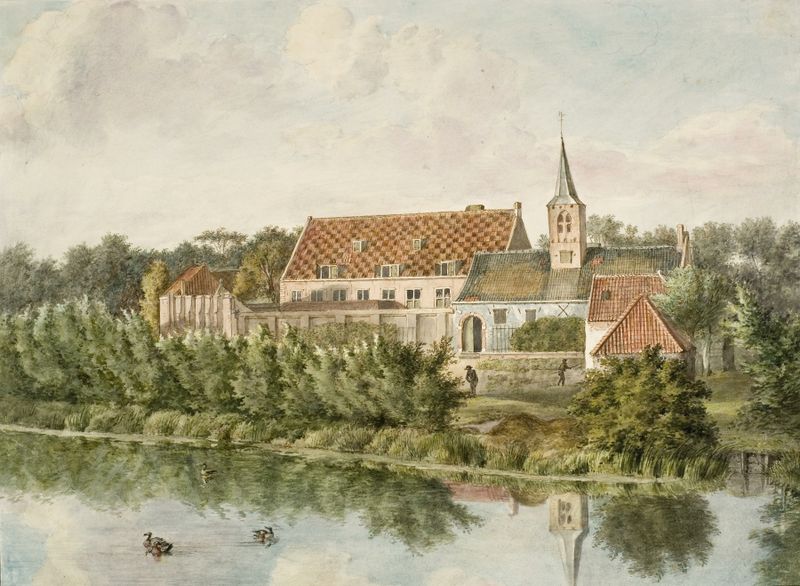
t Buyten Proveniershuis te Haarlem; van de hoogte van de wal te zien
Wybrand Hendriks
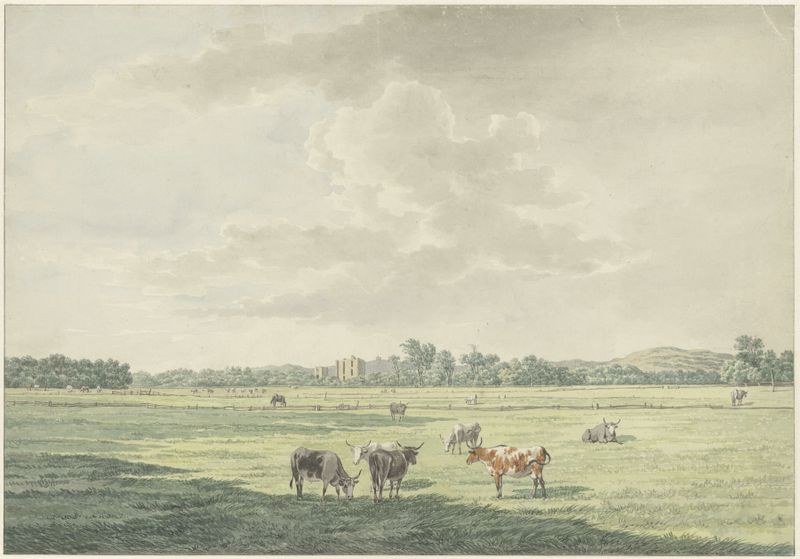
Landschap met weiland en koeien op de voorgrond en in de verte de ruIne van Brederode
Wybrand Hendriks
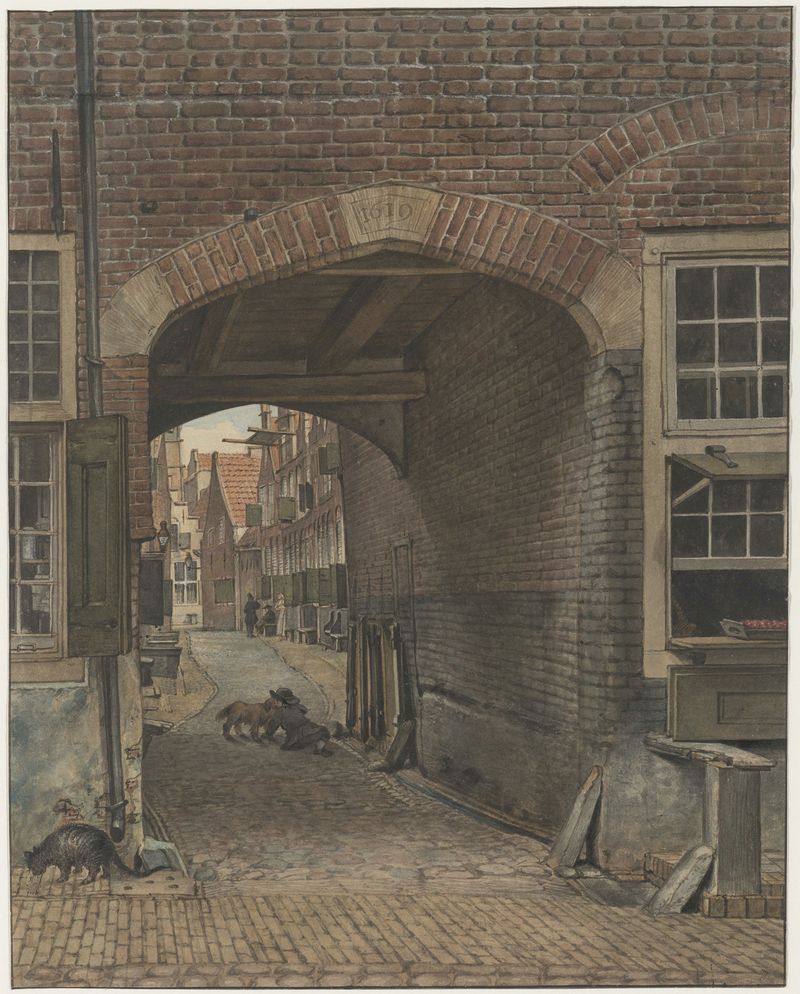
Gezicht in het Nieuw Heiligland door poort aan het Klein Heiligland
Wybrand Hendriks





