
Gezicht op de buitenplaats Watergoor bij Nijkerk — History & Facts
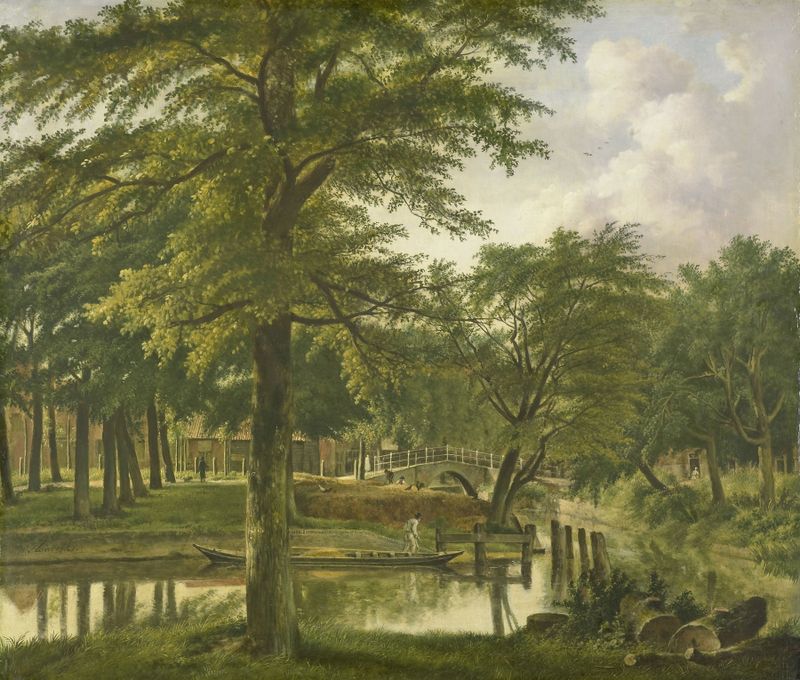
The canvas draws you into a world where nature whispers its secrets and the passage of time unfolds effortlessly. Each brushstroke seems to breathe life into the landscape, urging viewers to pause and contemplate the awe that exists within the harmony of the world. Look to the left at the gentle rise of the green hills, their lushness contrasting with the soft blue of the sky. Notice how the light dances upon the water’s surface, creating a shimmering reflection that invites you deeper into the scene.
The brushwork is meticulous, revealing a delicate balance between detail and tranquility, while the palette—earthy greens, rich browns, and tranquil blues—evokes a sense of peace and reverence for the natural landscape. Hidden within this serene vista lies a tension between man and nature. The distant structure suggests the presence of human life, yet its understated appearance allows the surrounding wilderness to dominate the canvas. The juxtaposition of the elegant architecture with the wild, unrefined beauty of the countryside speaks to the complex relationship between civilization and the natural world, a reminder of our fleeting footprint amidst time’s vast landscape. In 1782, Wybrand Hendriks painted this work while residing in the Dutch town of Nijkerk.
The late 18th century witnessed a burgeoning appreciation for landscapes, with artists increasingly seeking to capture the beauty of their surroundings. As Romanticism began to take root, Hendriks' serene depiction of Watergoor reflects the era's growing reverence for nature, positioning him within a shifting artistic landscape that cherished the awe of the natural world.
More Artworks by Wybrand Hendriks
Browse all →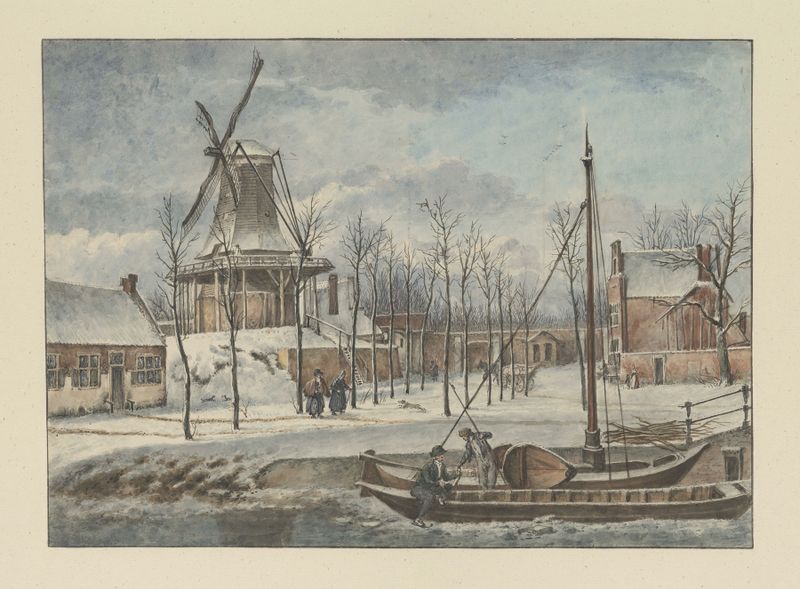
De Doelmolen, de Raampoort, de Stadswal en de huizen aan de Korte Geusestraat (nu; Wilsonsplein) vanaf de Raamgracht in de sneeuw.
Wybrand Hendriks
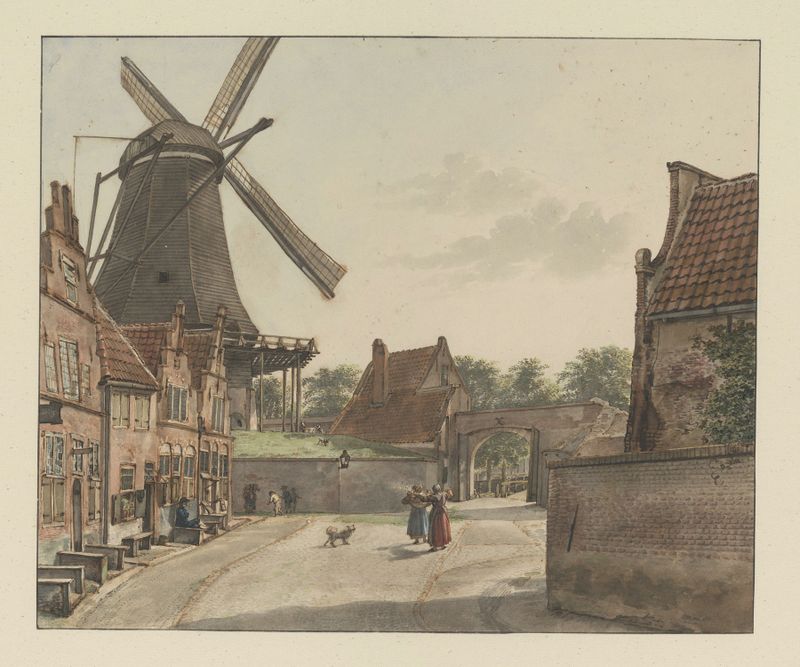
Gezicht vanuit de Bereiderstraat, tegenwoordig Sophiastraat, op de oostzijde van de Raampoort en de Doelmolen
Wybrand Hendriks
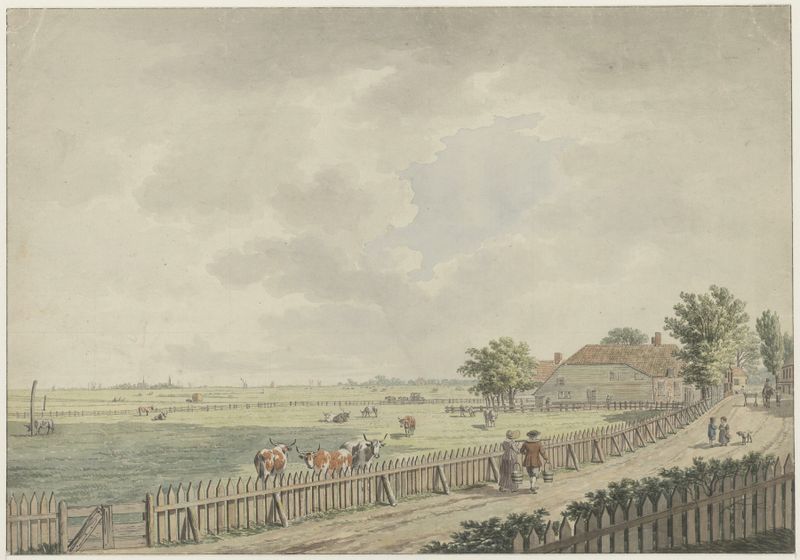
Gezicht in de Hoofdstraat, de weg naar Haarlem, in Santpoort, ziende naar het Zuiden.
Wybrand Hendriks
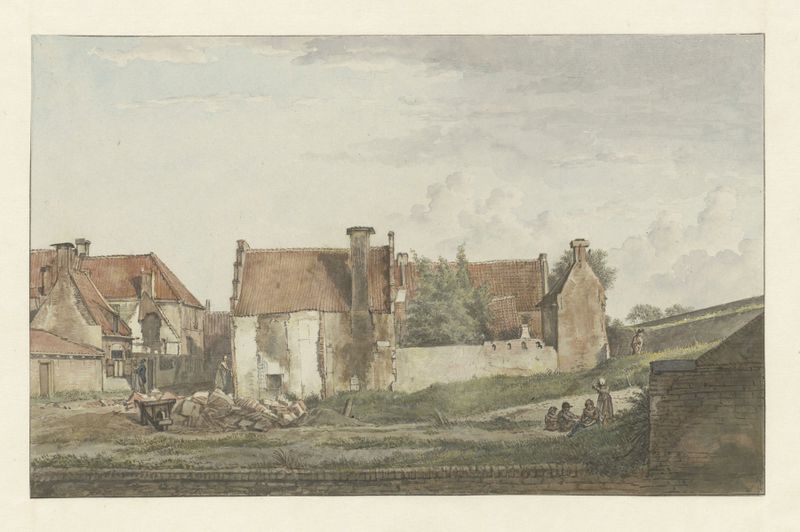
Gezicht op de Raamgragt op de Lange Geusestraat na ‘t wegbreeke van eenige huisen in 1809
Wybrand Hendriks
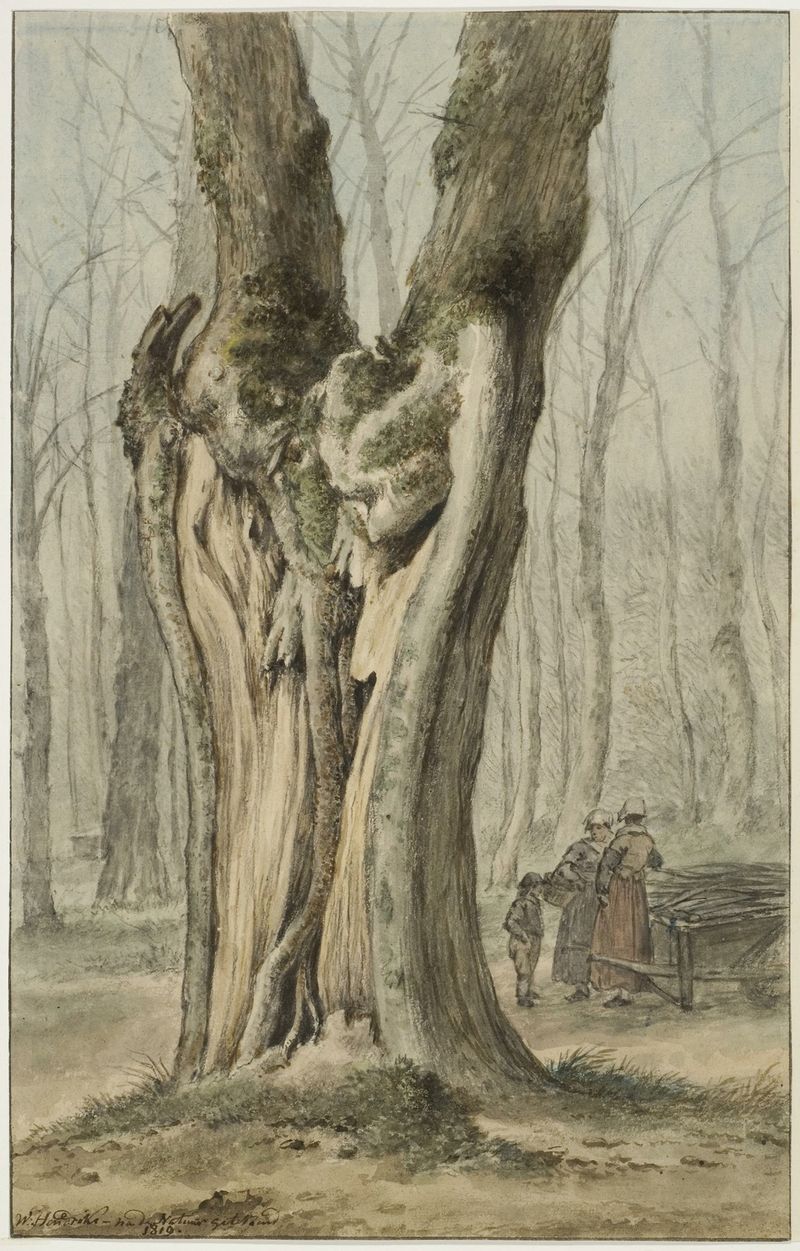
De wonderboom in de Spanjaardslaan in de Haarlemmerhout te Haarlem
Wybrand Hendriks
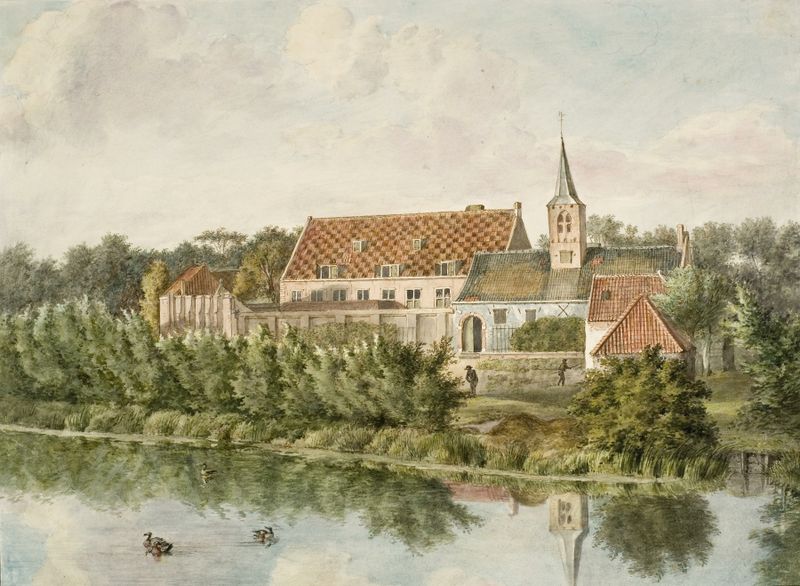
t Buyten Proveniershuis te Haarlem; van de hoogte van de wal te zien
Wybrand Hendriks
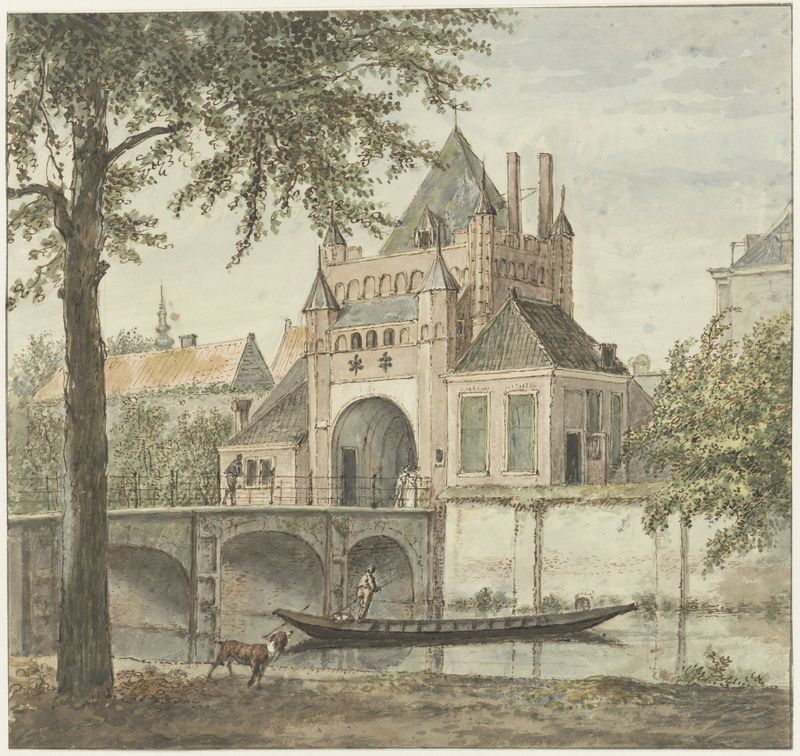
Grote Houtpoort van de zuidoostzijde
Wybrand Hendriks
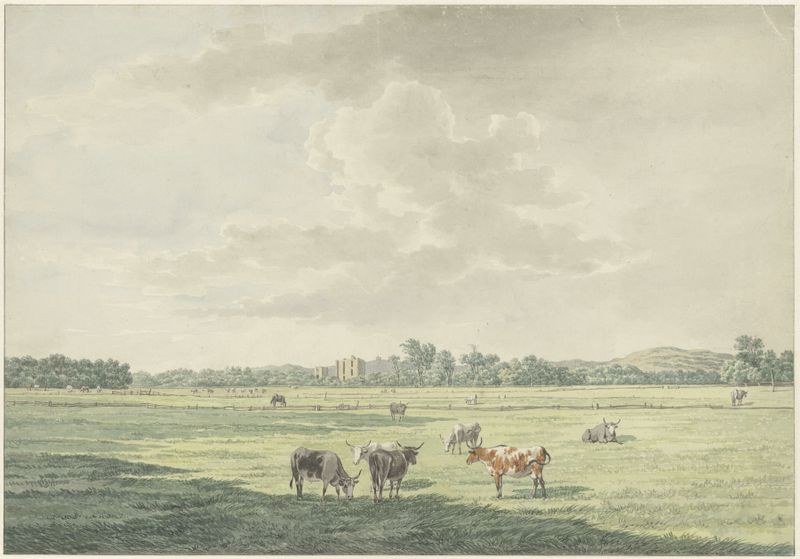
Landschap met weiland en koeien op de voorgrond en in de verte de ruIne van Brederode
Wybrand Hendriks
View of the Nieuwe Gracht near the Bolwerk, Haarlem
Wybrand Hendriks
Gezicht in het Nieuw Heiligland door poort aan het Klein Heiligland
Wybrand Hendriks





