
Pavia Certosa — History & Facts
What if silence could speak through light? In the stillness of Pavia Certosa, every beam appears to whisper secrets of reverence and awakening, drawing the viewer into a profound dialogue with the divine. Look to the center, where the sun filters through the tall, vaulted windows, casting intricate patterns across the stone floor. The delicate interplay of light and shadow creates a sanctuary within the frame, guiding the eye to the ornate details of the architecture. Notice how the muted color palette enhances the solemn atmosphere, with ochres and soft browns enveloping the space in warmth, inviting contemplation. Hidden beneath the surface, the painting resonates with themes of spiritual awakening and introspection.
The stark contrast between light and darkness symbolizes the duality of existence, a reminder of the tension between the sacred and the mundane. Each column and archway stands as a testament to the passage of time, suggesting that within stillness lies an invitation to reflect upon our own journeys. Carlo Grubas painted Pavia Certosa during a period of significant change in the art world, where artists began to embrace tranquility and introspection following the tumultuous events of the late 19th century. This artwork, crafted in an unknown year, reflects the artist’s own contemplation of faith and existence, as he delved into the spiritual essence of architectural forms, capturing a moment where time seems suspended.
More Artworks by Carlo Grubas
Browse all →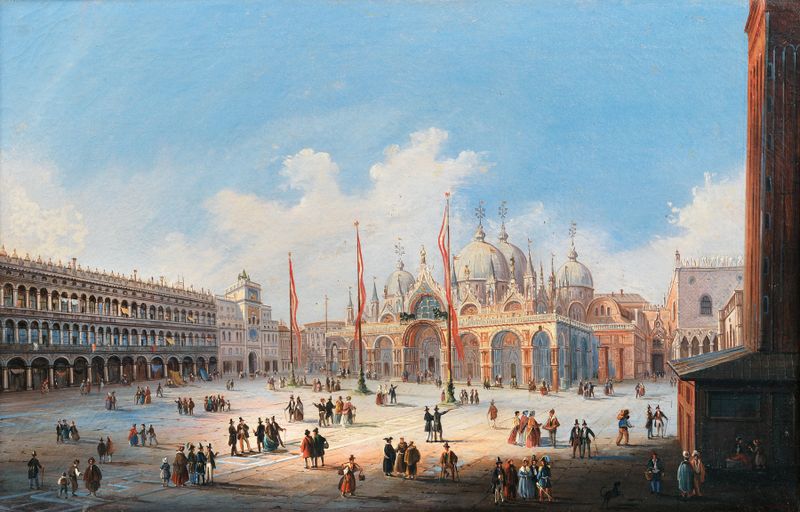
Venice, St Mark’s Square
Carlo Grubas
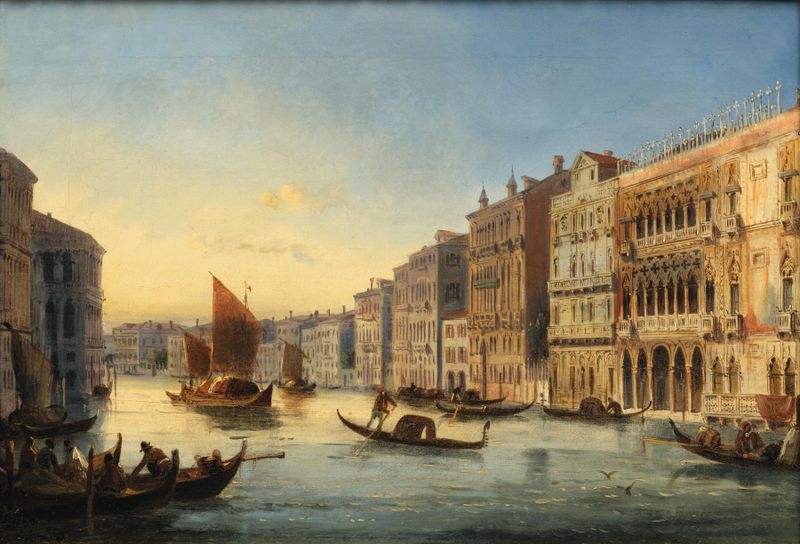
Venice, a View of the Grand Canal with the Ca‘ d‘Oro
Carlo Grubas
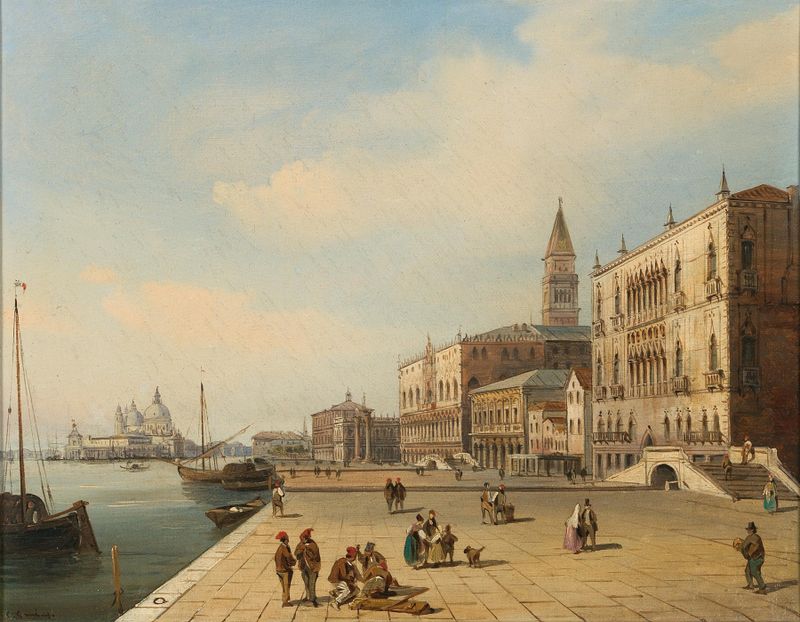
Venice, Riva degli Schiavoni
Carlo Grubas
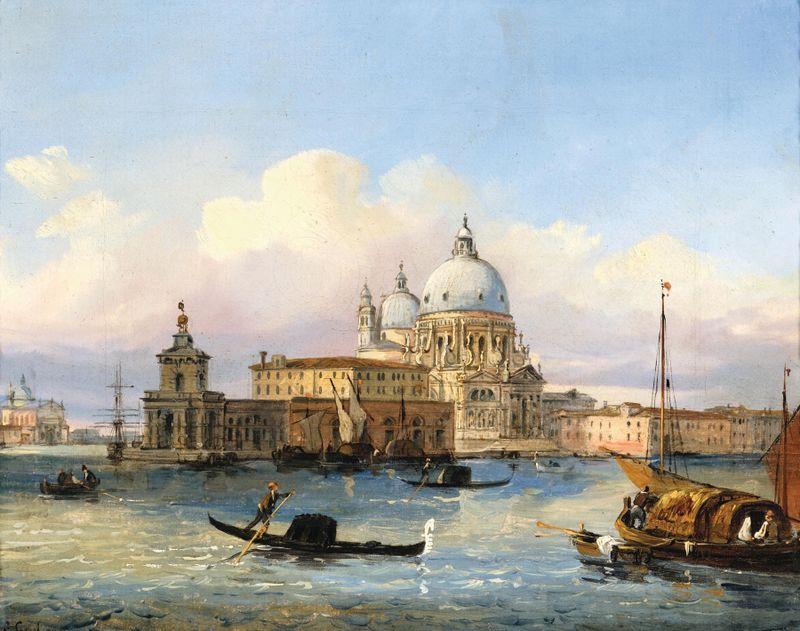
Venice, The Entrance to the Canal Grande with Santa Maria della Salute and Punta della Dogana
Carlo Grubas
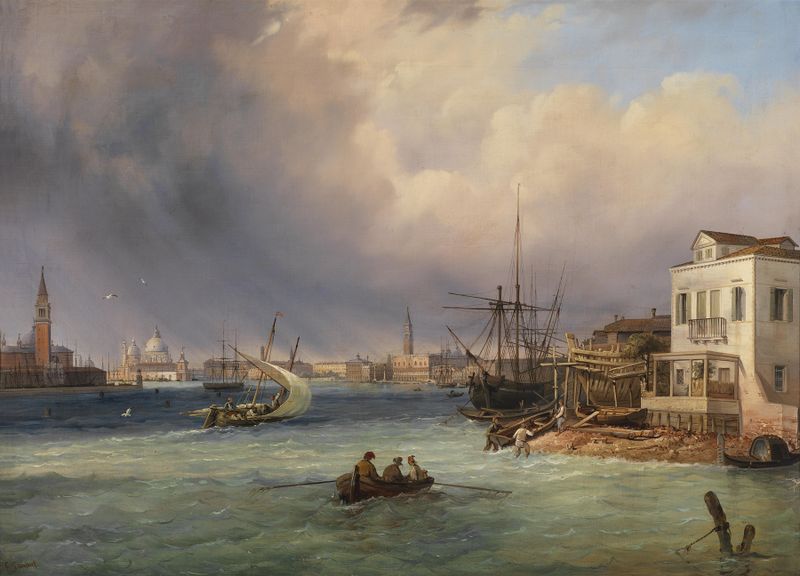
Blick auf Venedig bei Gewitterstimmung
Carlo Grubas
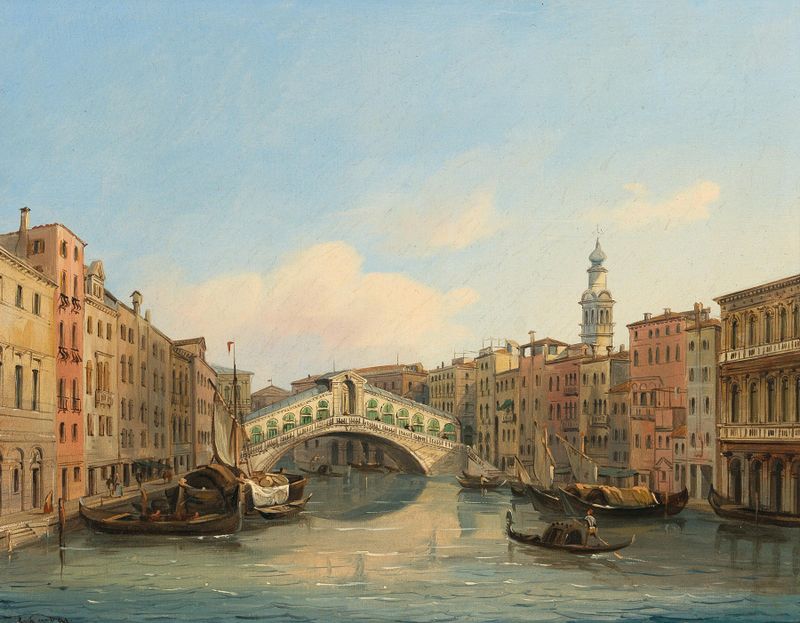
The Rialto Bridge
Carlo Grubas
More Architecture Art
Browse all →
The statue of Liberty
Frédéric Auguste Bartholdi

View of Houses in Delft, Known as ‘The Little Street’
Johannes Vermeer

View of Houses in Delft, Known as ‘The Little Street’
Johannes Vermeer

The Cathedral in Rouen. The portal, Grey Weather
Claude Monet

The yellow house
Vincent van Gogh

The Church in Auvers-sur-Oise, View from the Chevet
Vincent van Gogh