
The Rialto Bridge — History & Facts
Can paint confess what words never could? In the quiet embrace of The Rialto Bridge, the canvas speaks volumes about loss, longing, and the bittersweet passages of time. Look to the center, where the bridge arches gracefully over the shimmering water, its stone structure both sturdy and melancholic. The muted palette of blues and greys envelops the scene, while dappled sunlight dances upon the surface, creating a rippling reflection that blurs the boundary between land and water. Notice how the figures on the bridge appear both isolated and connected, their gestures telling silent stories of past encounters and unspoken farewells. Beneath the surface, the painting conveys profound emotional tensions.
The bridge, a symbol of connection, also serves as a reminder of separation—each traveler a fragment of a larger narrative. Observe the absence of vibrant colors; the subdued tones suggest a sense of grief that lingers in the air. This melancholy is mirrored in the stillness of the water, where time seems to stand still, capturing moments that are both fleeting and eternal. Created during an unspecified period in the artist's life, this piece reflects a transitional moment in the world of art, where realism began to intertwine with the emotional depth of the human experience.
While little is known about Grubas' biography, the essence of his work resonates with the era's search for meaning beyond mere representation, hinting at personal experiences that may linger just beneath the surface of the paint.
More Artworks by Carlo Grubas
Browse all →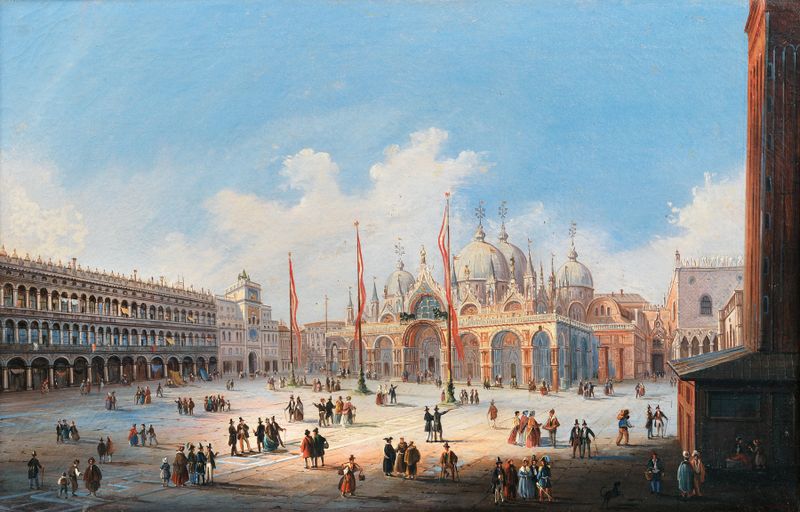
Venice, St Mark’s Square
Carlo Grubas
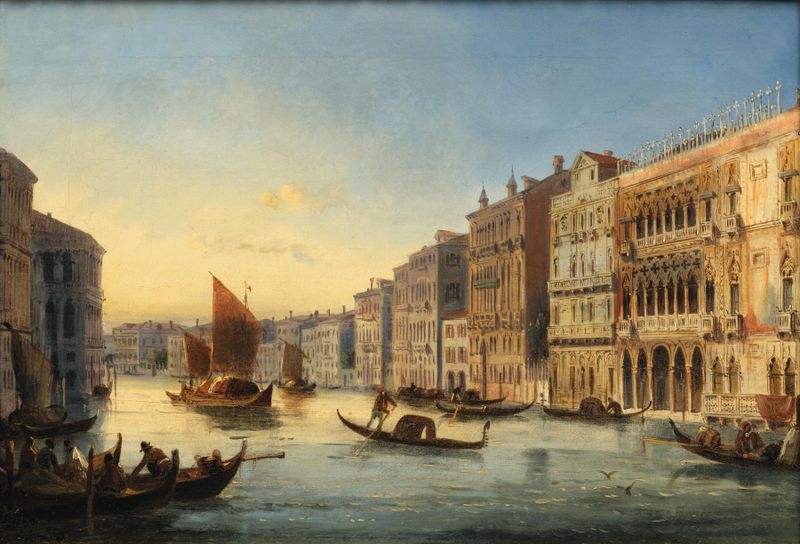
Venice, a View of the Grand Canal with the Ca‘ d‘Oro
Carlo Grubas
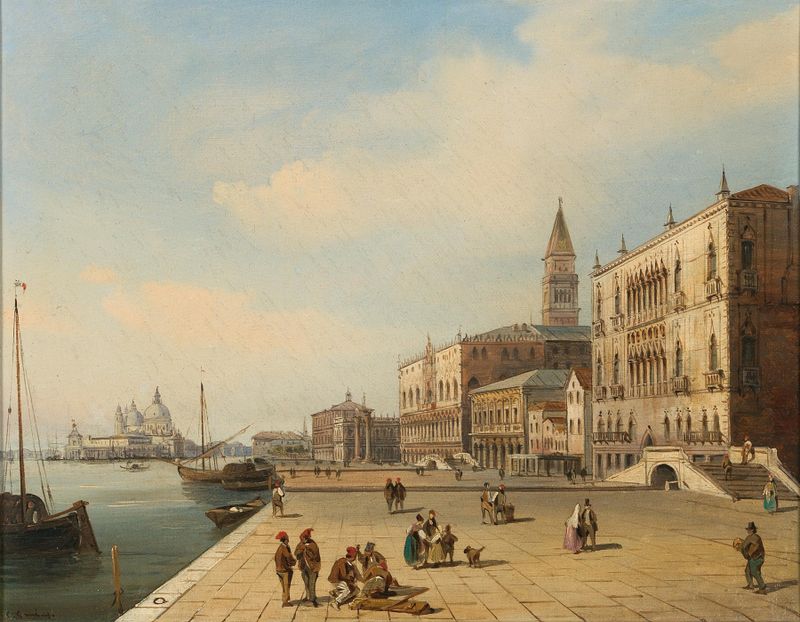
Venice, Riva degli Schiavoni
Carlo Grubas
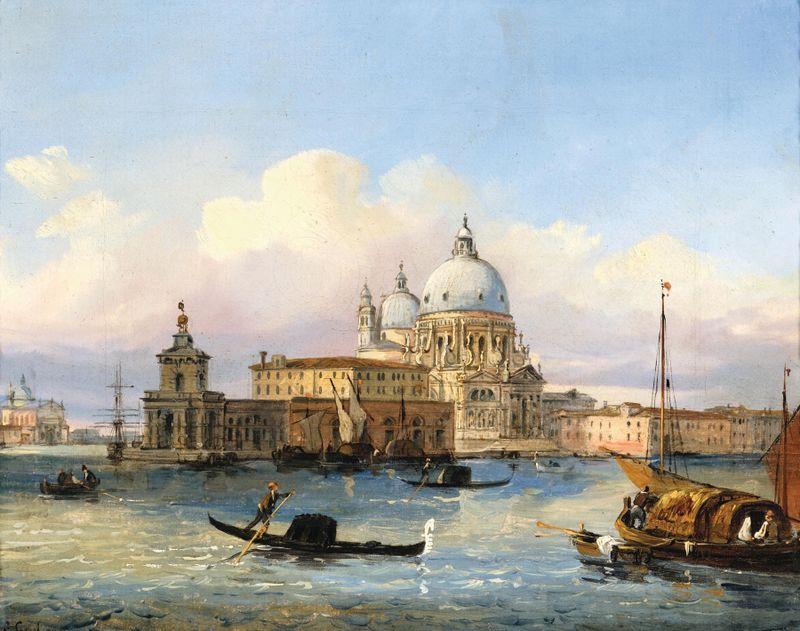
Venice, The Entrance to the Canal Grande with Santa Maria della Salute and Punta della Dogana
Carlo Grubas
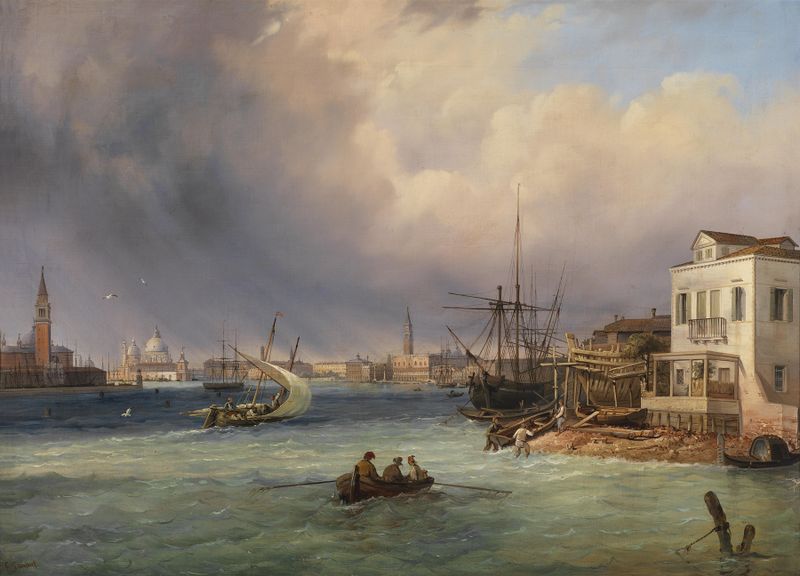
Blick auf Venedig bei Gewitterstimmung
Carlo Grubas
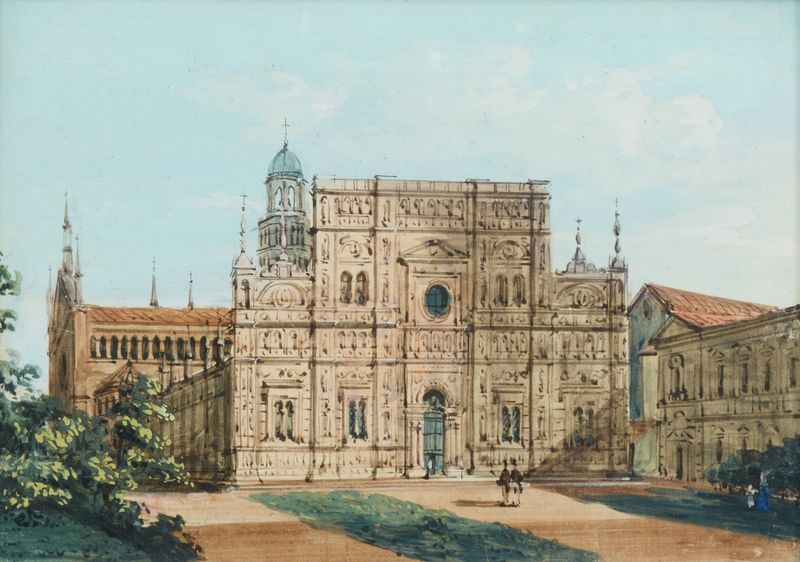
Pavia Certosa
Carlo Grubas
More Architecture Art
Browse all →
The statue of Liberty
Frédéric Auguste Bartholdi

View of Houses in Delft, Known as ‘The Little Street’
Johannes Vermeer

View of Houses in Delft, Known as ‘The Little Street’
Johannes Vermeer

The Cathedral in Rouen. The portal, Grey Weather
Claude Monet

The yellow house
Vincent van Gogh

The Church in Auvers-sur-Oise, View from the Chevet
Vincent van Gogh