Paysage — History & Analysis
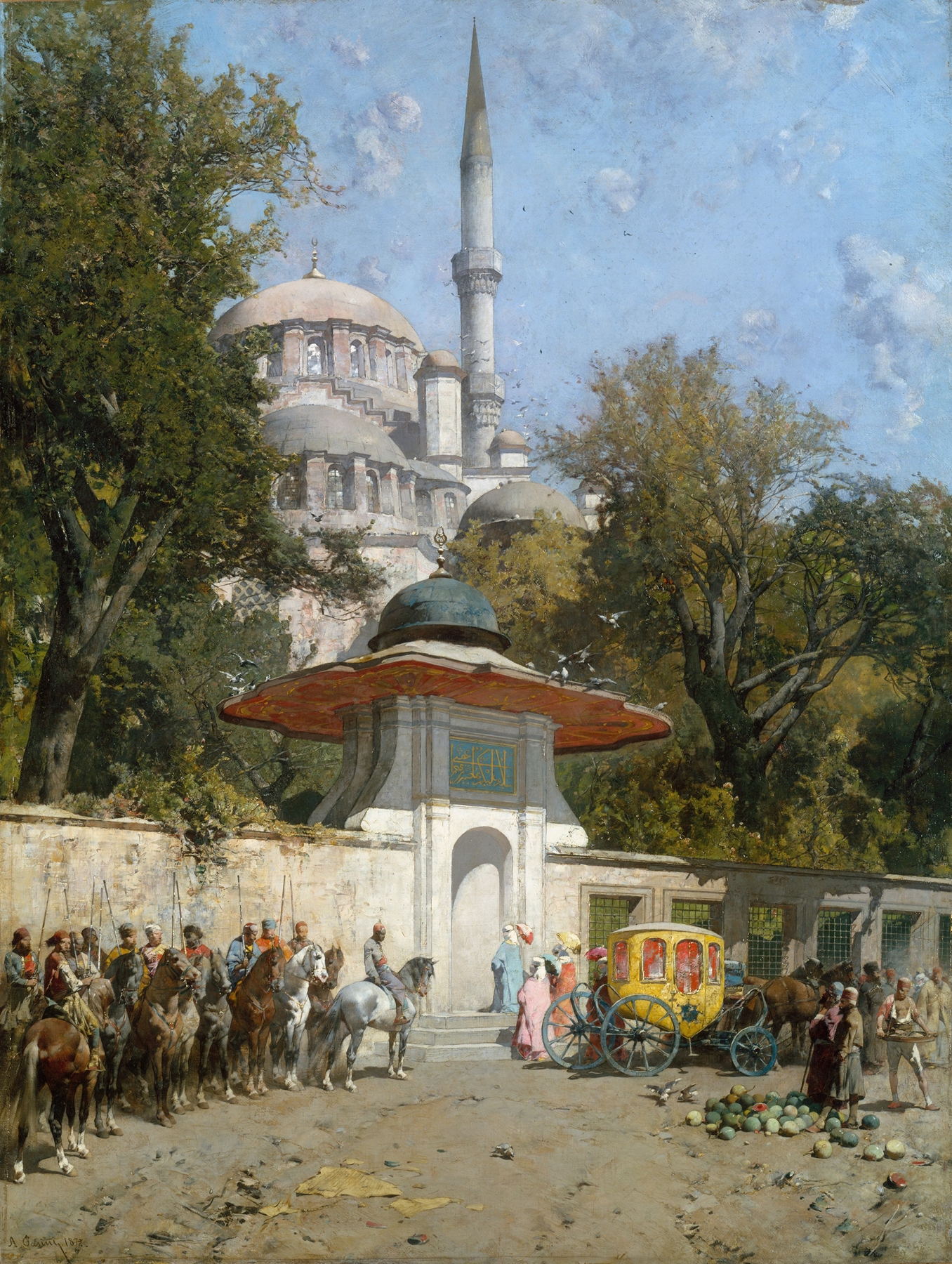
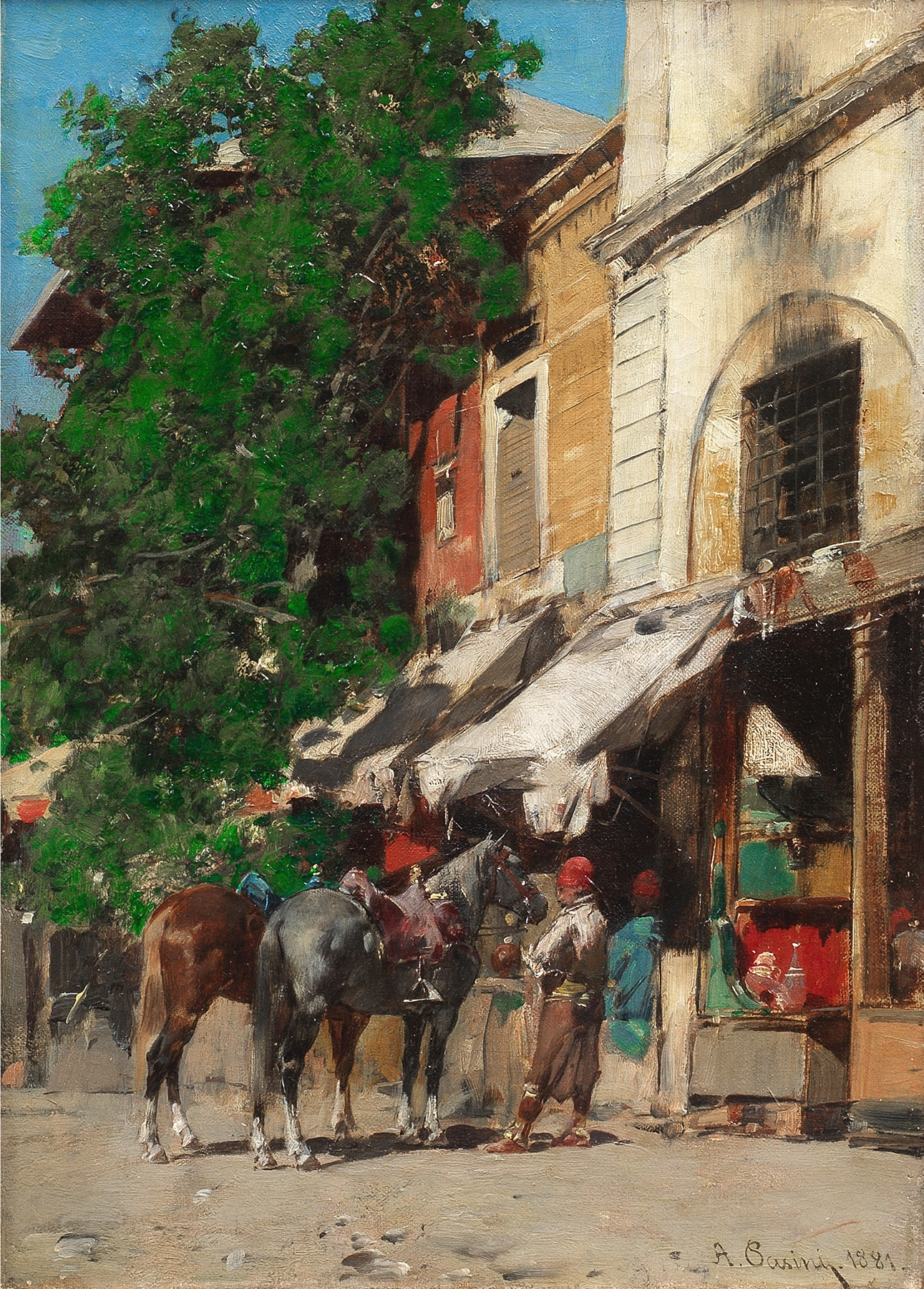
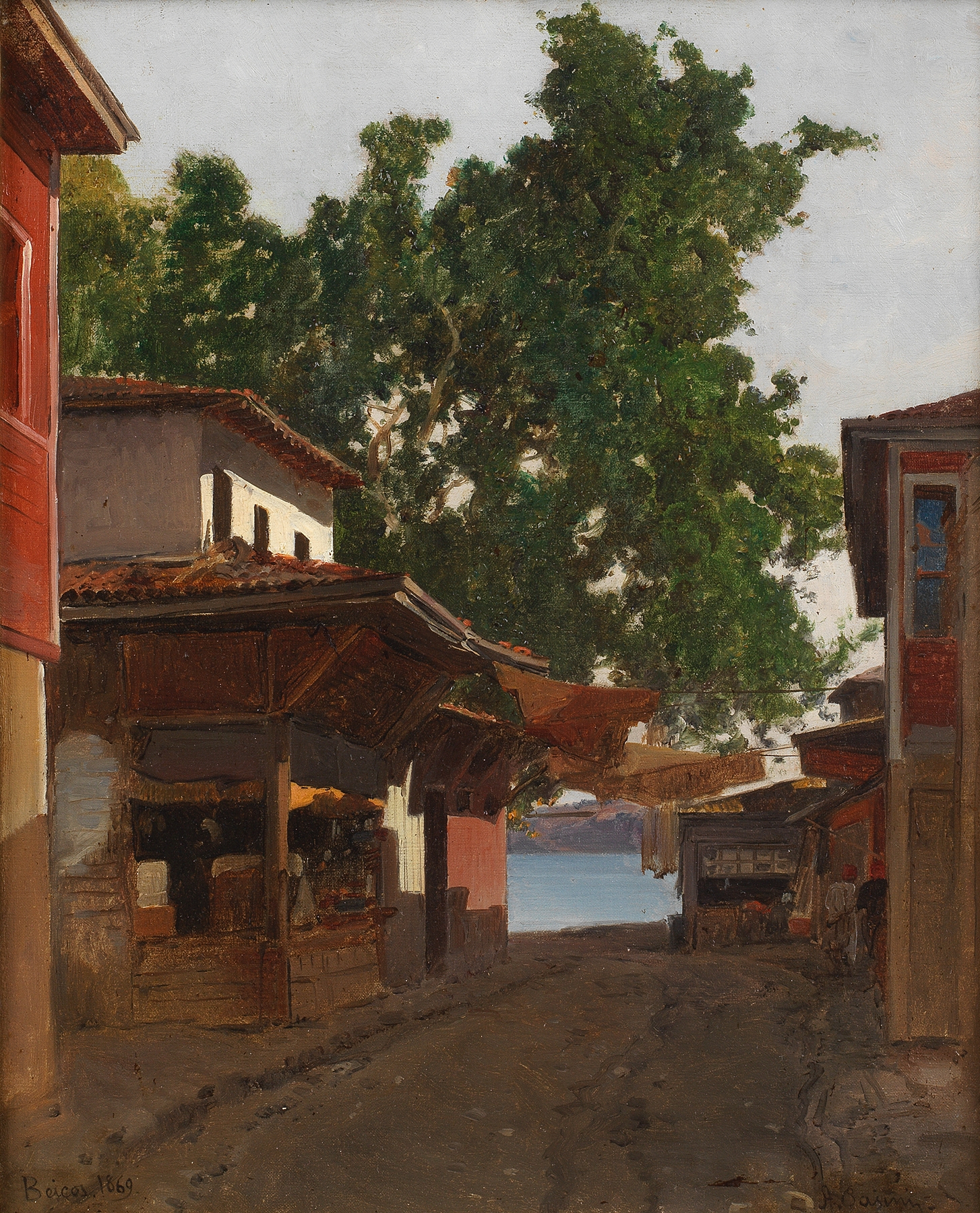
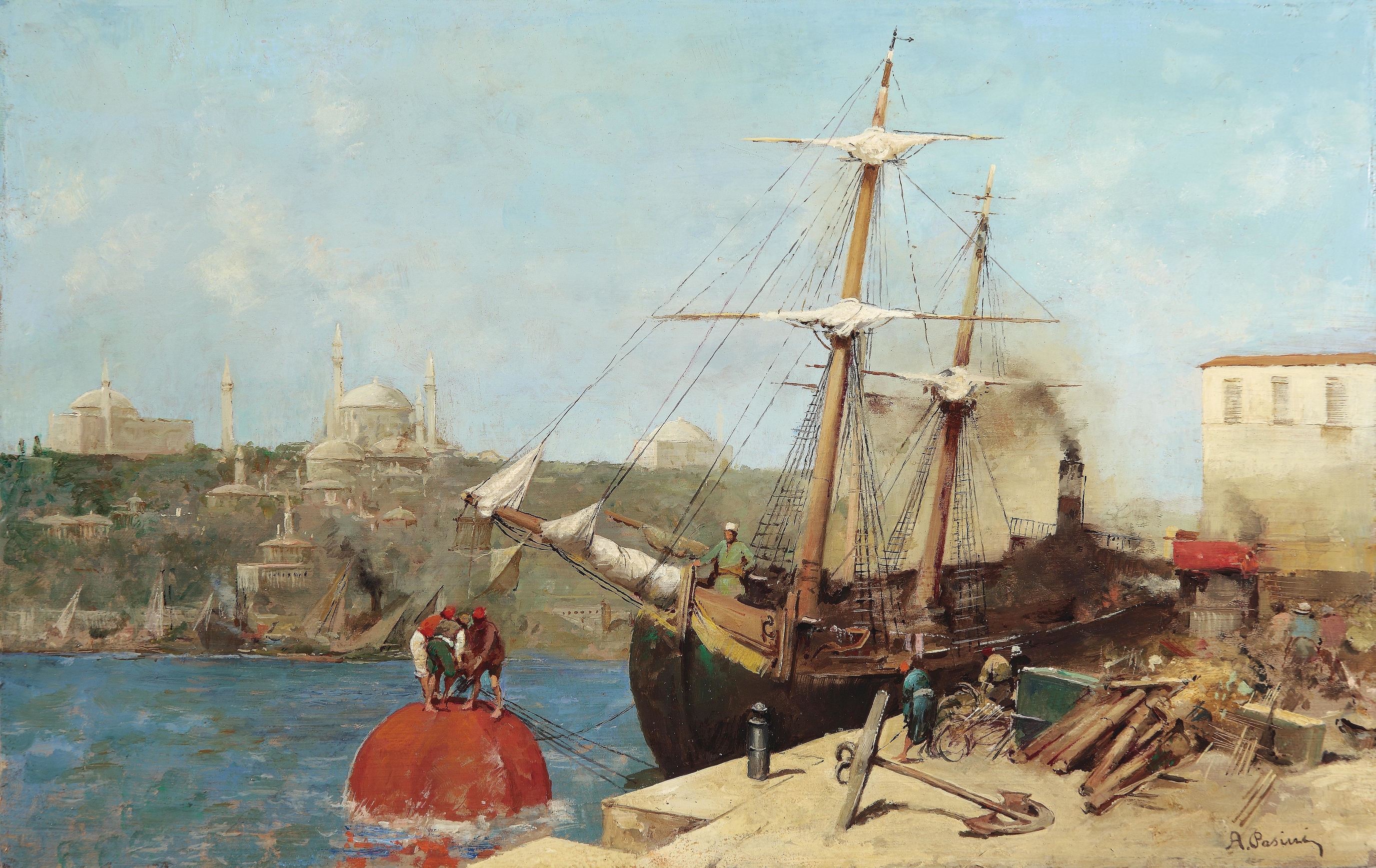
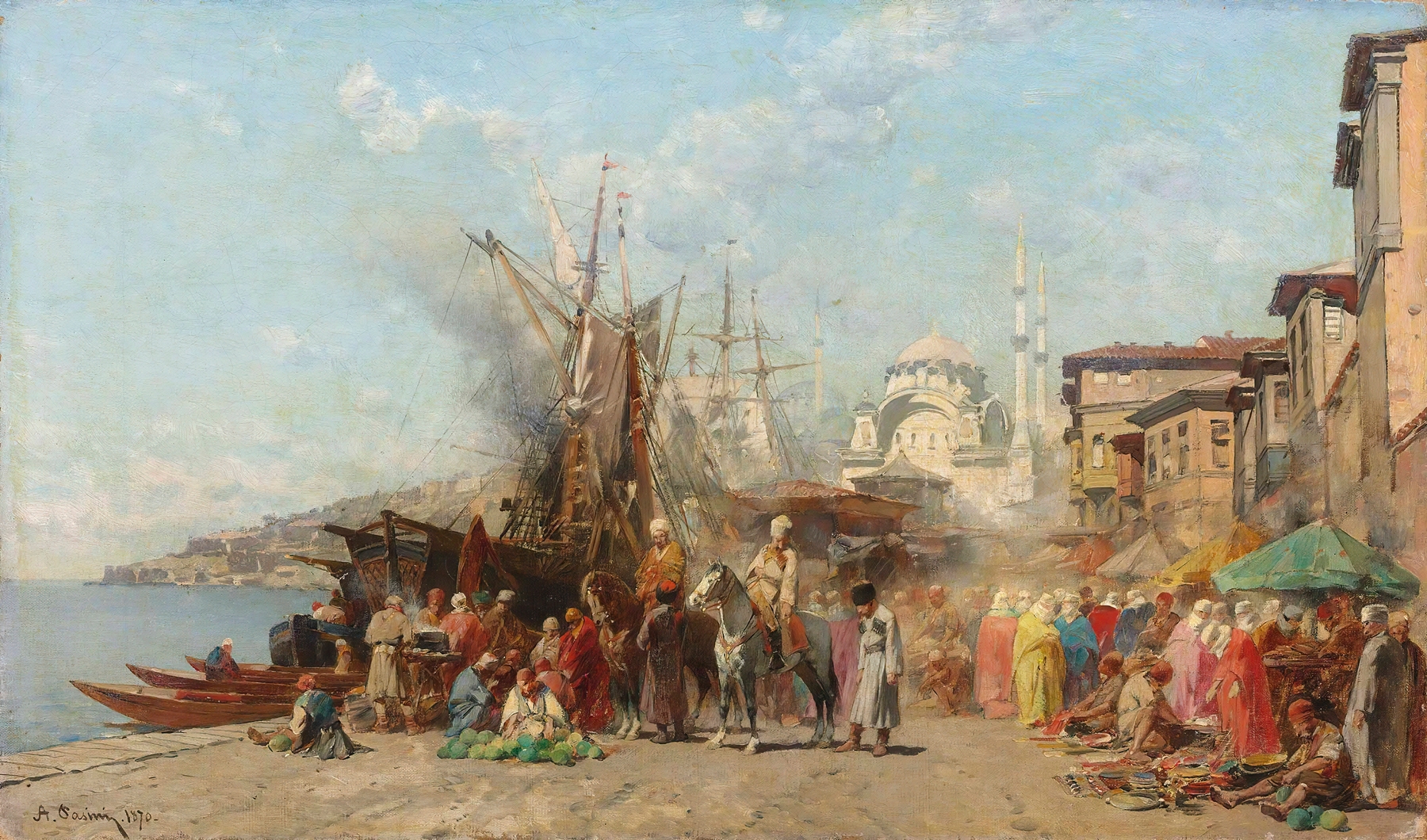
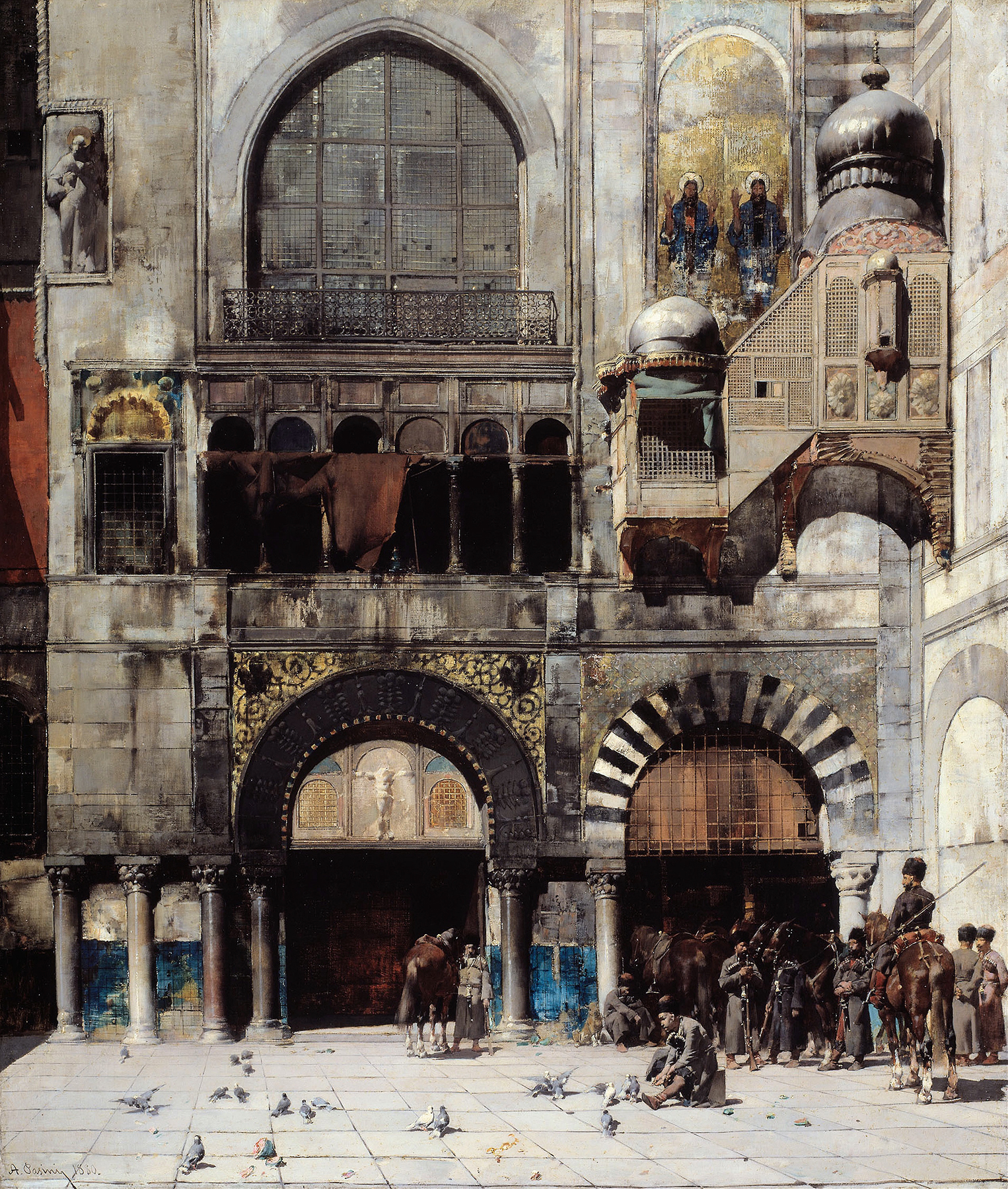
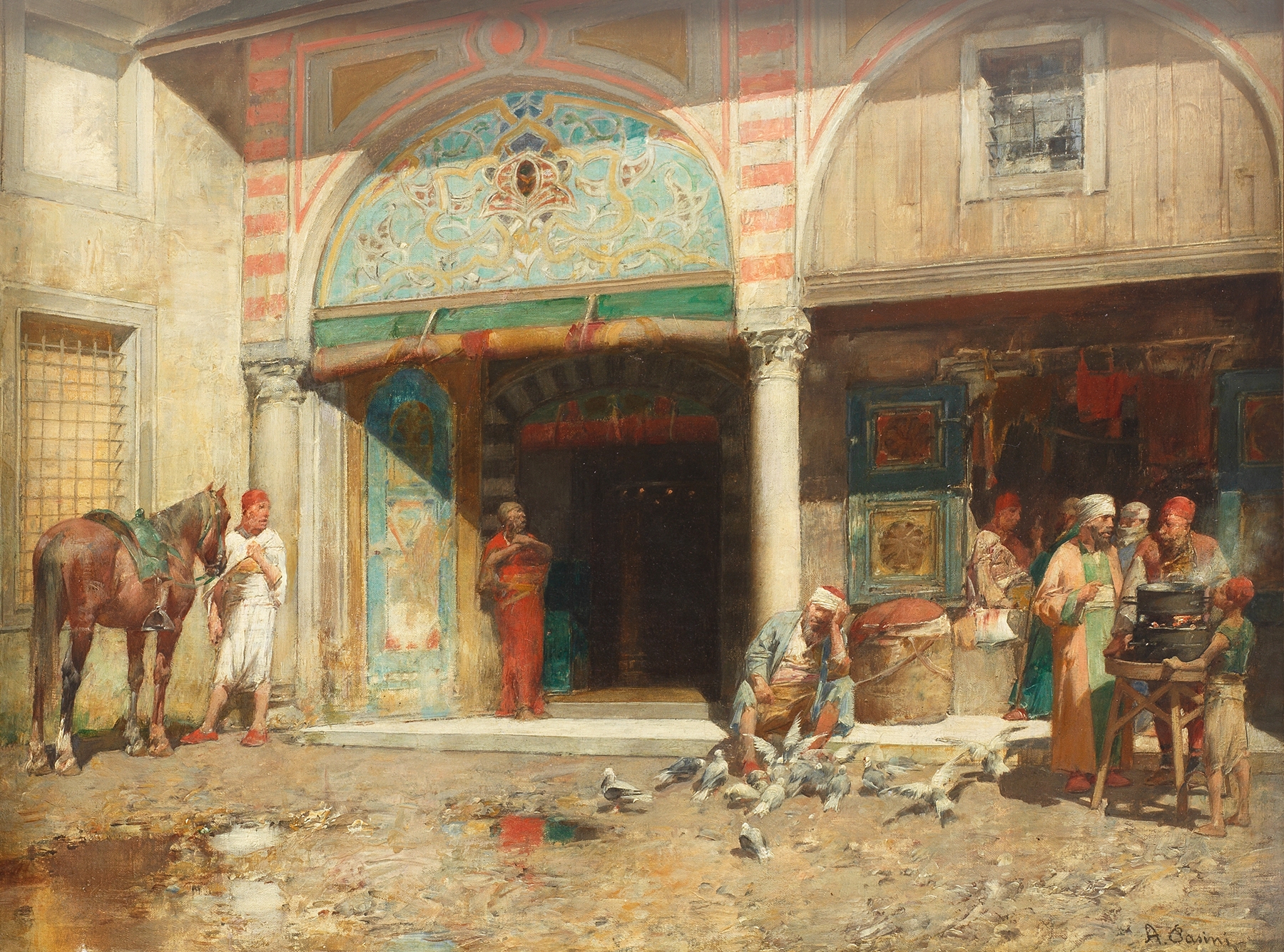
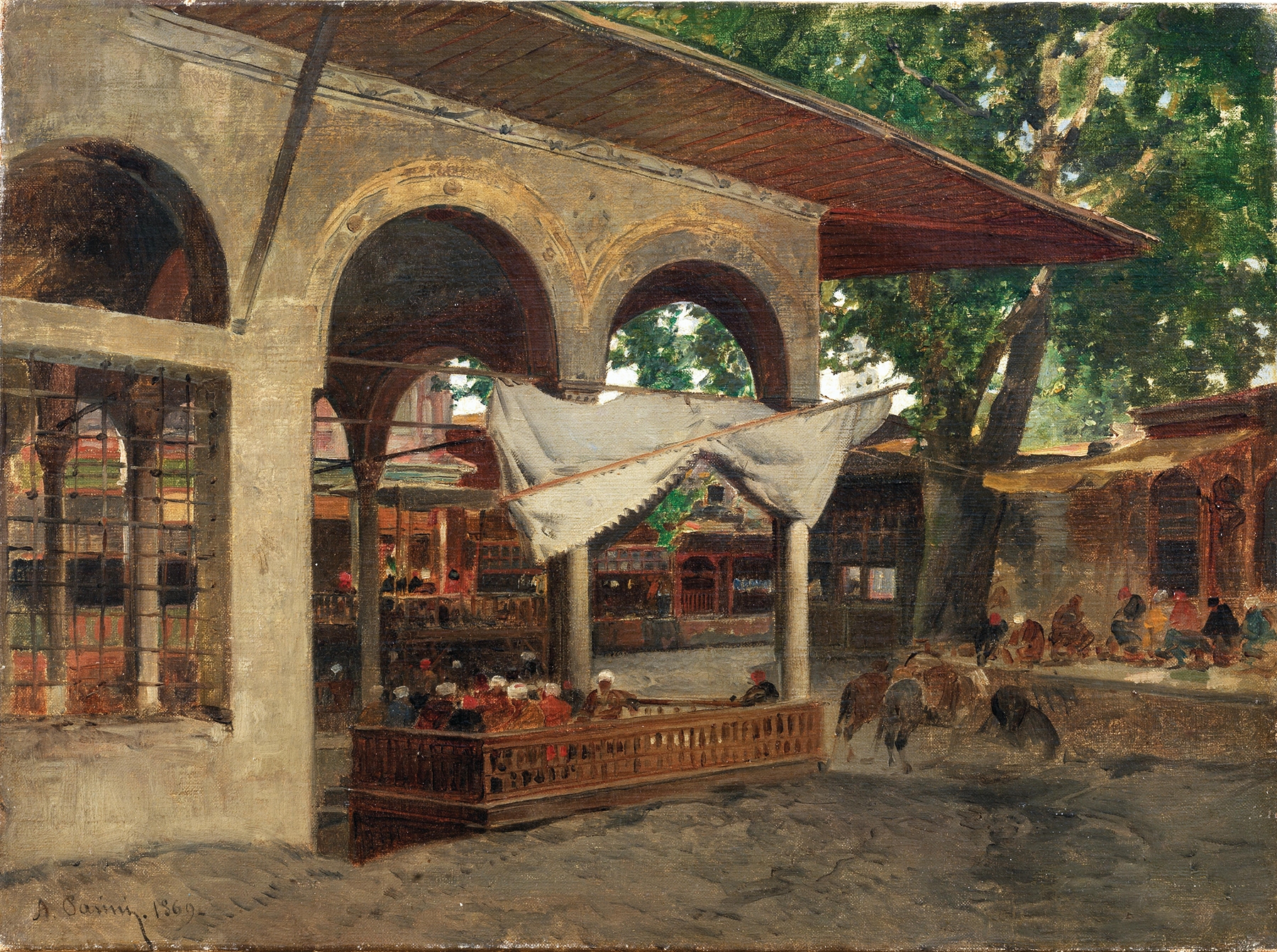
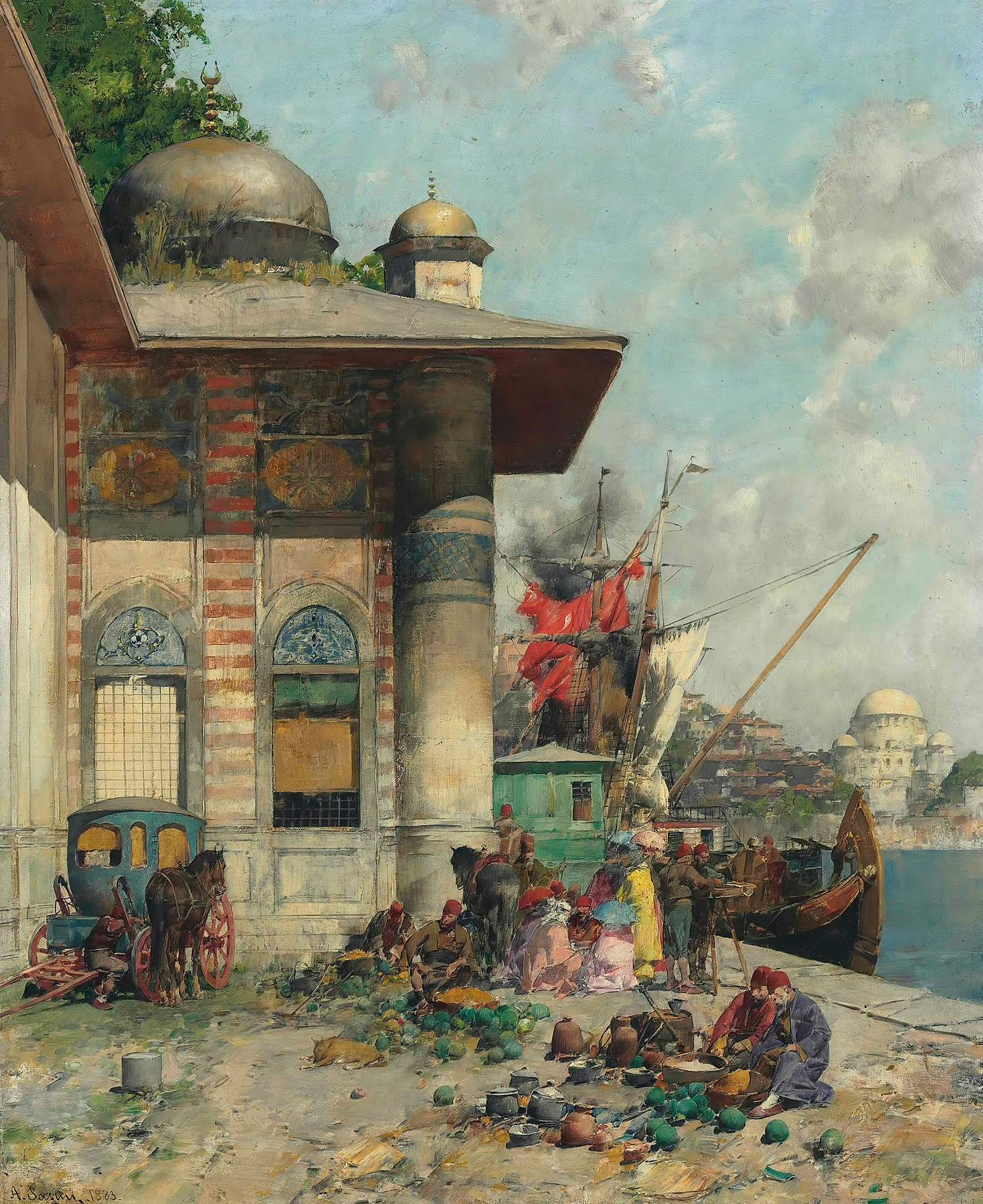
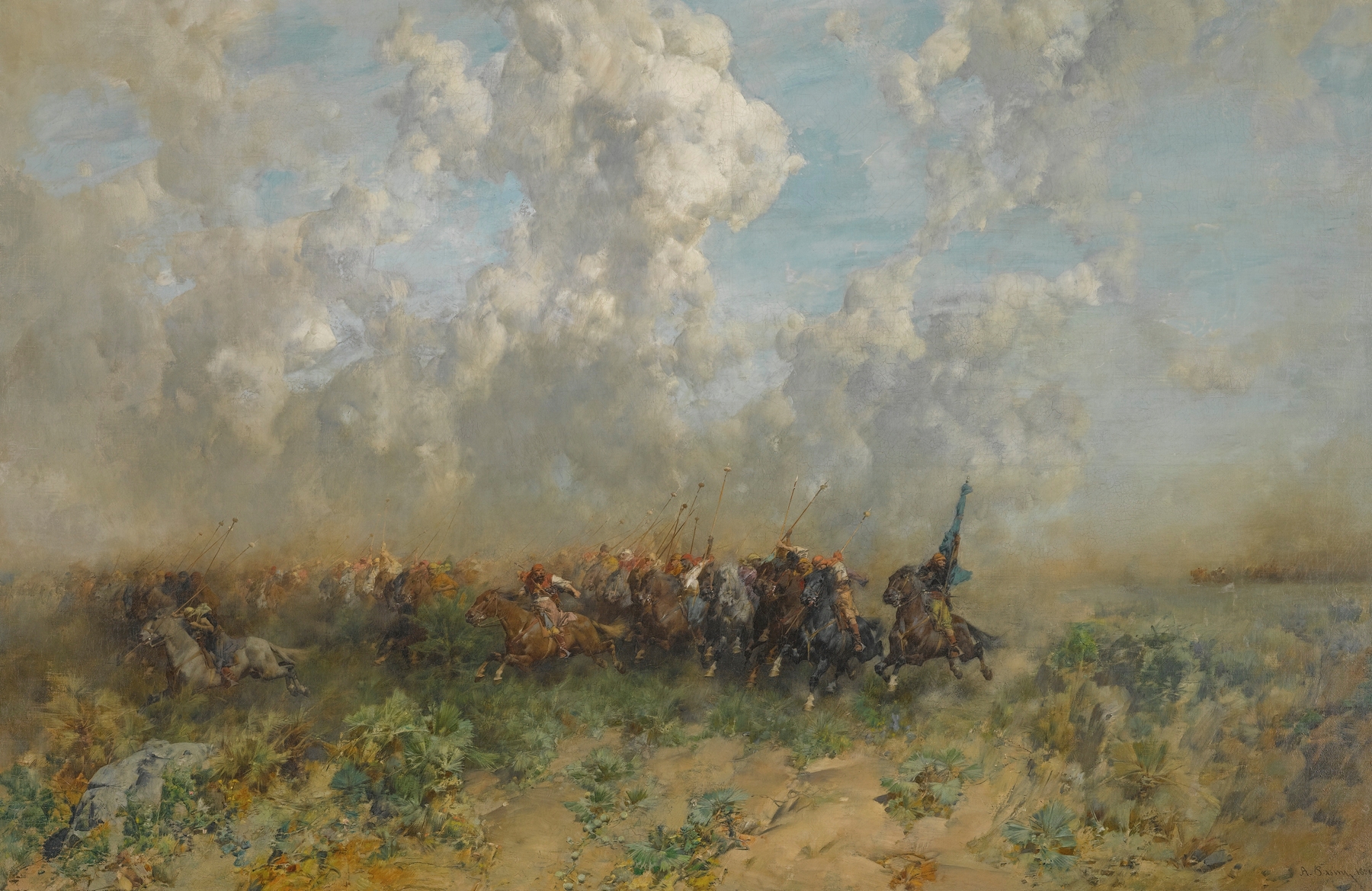
“To paint is to remember what time wants us to forget.” In Paysage, a vivid landscape unfolds, capturing the delicate tension between the past and our yearning for what is lost. The beauty of nature intertwined with nostalgia resonates deeply, inviting us to reflect on the fleeting moments that shape our existence. Focus first on the rolling hills that dominate the composition, bathed in soft, golden light that seems to breathe life into the earth. The sky, a tender blend of blues and whites, envelops the scene, while patches of sunlight warm the foreground. Notice how the brushstrokes create a textured harmony between the foreground greenery and the distant mountains, emphasizing the artist's mastery in achieving depth and atmosphere.
Each element works in concert, drawing the viewer’s gaze into the heart of the landscape. Yet, there are layers beneath this serene portrayal. The subtle play of light hints at the passage of time, evoking a sense of longing for a world untouched by modernity. The tranquil expanse may symbolize desire — not merely for beauty but for a connection to nature and the memories it holds.
As the viewer lingers, they may feel the bittersweetness of impermanence, underscoring the emotional depth of the scene. Created in 1855 during a period of artistic exploration in Italy, this work represents a pivotal moment for the painter. Alberto Pasini was deeply engaged with the Romantic tradition, infusing his landscapes with emotional resonance while establishing his own unique voice. At this time, the art world was beginning to embrace realism, and Pasini's ability to blend this with romantic ideals reflected the broader currents shaping European art.