Paysage — History & Facts
What if silence could speak through light? The soft interplay of hues in this artwork invites an awakening of the senses, drawing the viewer into a realm where stillness reigns supreme. Look to the center, where dappled sunlight filters through lush foliage, casting gentle patterns on the forest floor. Notice how the artist employs warm earthy tones alongside cool greens, creating a harmonious balance that feels both grounding and ethereal. The deliberate brushstrokes lend texture to the leaves and undergrowth, evoking a sense of life and movement even amidst the tranquility.
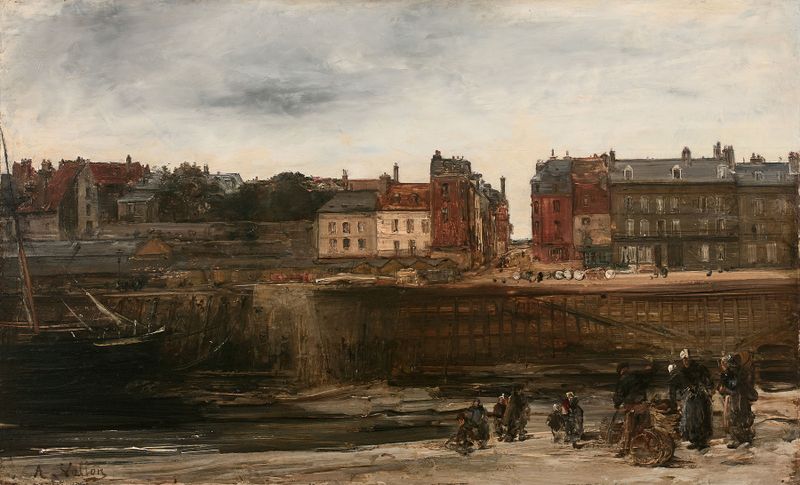
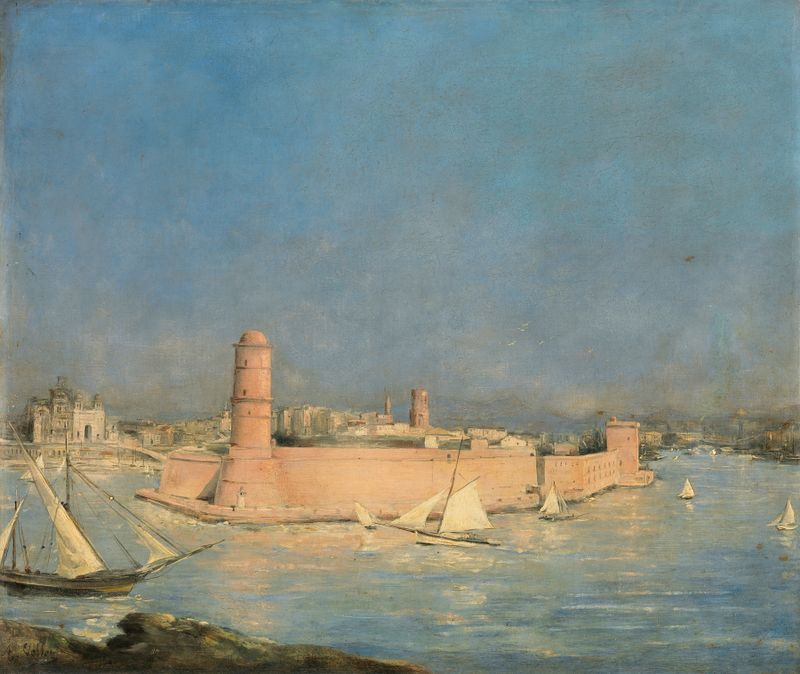
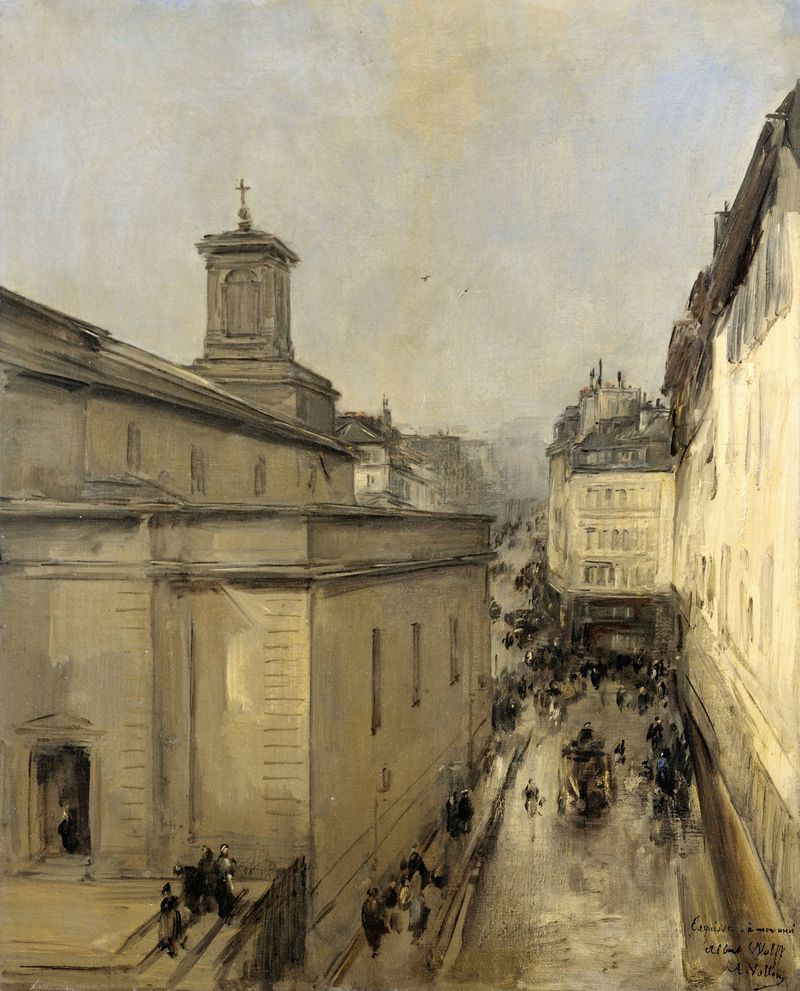
Each layer of paint whispers secrets of nature, beckoning us to linger in this serene moment. As you explore the painting further, consider the contrasts at play: the vibrancy of life versus the quietude of the forest, the play of light against shadow, and the warmth of the sunlight battling the encroaching coolness of the evening. This duality mirrors the complexities of existence—each detail, from the delicate flutter of a leaf to the shadows that cling to the ground, serves as a reminder of the fragility of beauty and the cycles of time. Antoine Vollon created Paysage during the late 19th century, a period marked by the rise of Impressionism and a growing appreciation for natural landscapes. At this time, Vollon was deeply immersed in the artistic exploration of light and atmosphere, reflecting a broader trend in art that sought to capture fleeting moments.
His approach reveals a commitment to craftsmanship while navigating the shifting tides of artistic expression in France.