Discover insights about this artwork
Paysage d’hiver — History & Facts
In Paysage d’hiver, Paul Gauguin presents a winter landscape filled with soft, muted colors. The scene is dominated by white snow, contrasting with the dark trees and a pale sky. The brushstrokes are loose, creating a sense of movement in the snow.
The overall atmosphere is calm and serene, inviting the viewer to reflect on the beauty of winter. The painting is executed in oil on canvas, typical of Gauguin's style during the Post-Impressionism movement. Viewers can observe the thick application of paint, which adds texture to the snowy landscape. The use of color is striking, with a limited palette that emphasizes the coldness of winter.
The dimensions are approximately 60 x 80 cm, making it an intimate yet impactful work. Paul Gauguin was known for his bold use of color and innovative compositions. Paysage d’hiver reflects his exploration of nature and the emotional responses it evokes. Interestingly, Gauguin often painted winter scenes during his time in Brittany, where he sought inspiration from the rural landscape.
This work exemplifies his unique approach to capturing the essence of a season.
More Artworks by Paul Gauguin
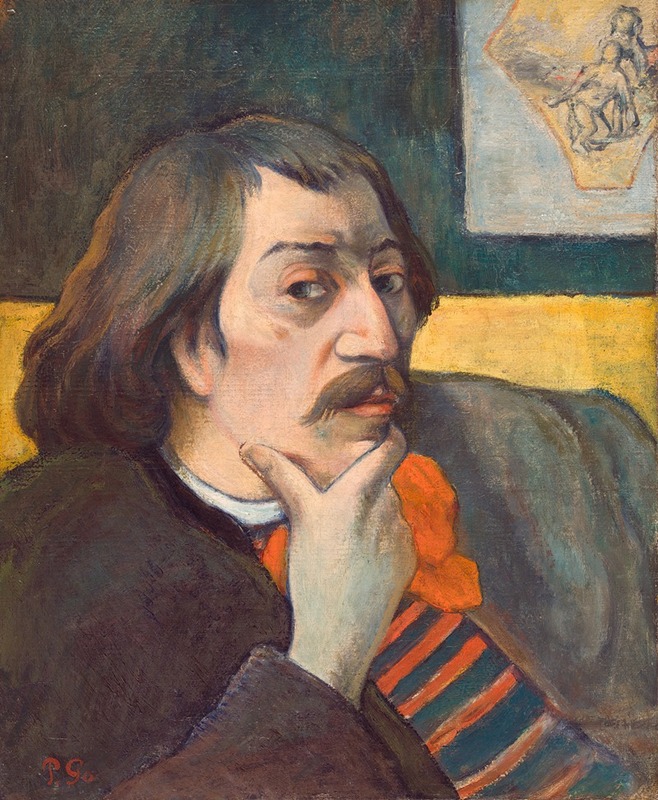
Self Portrait
Paul Gauguin
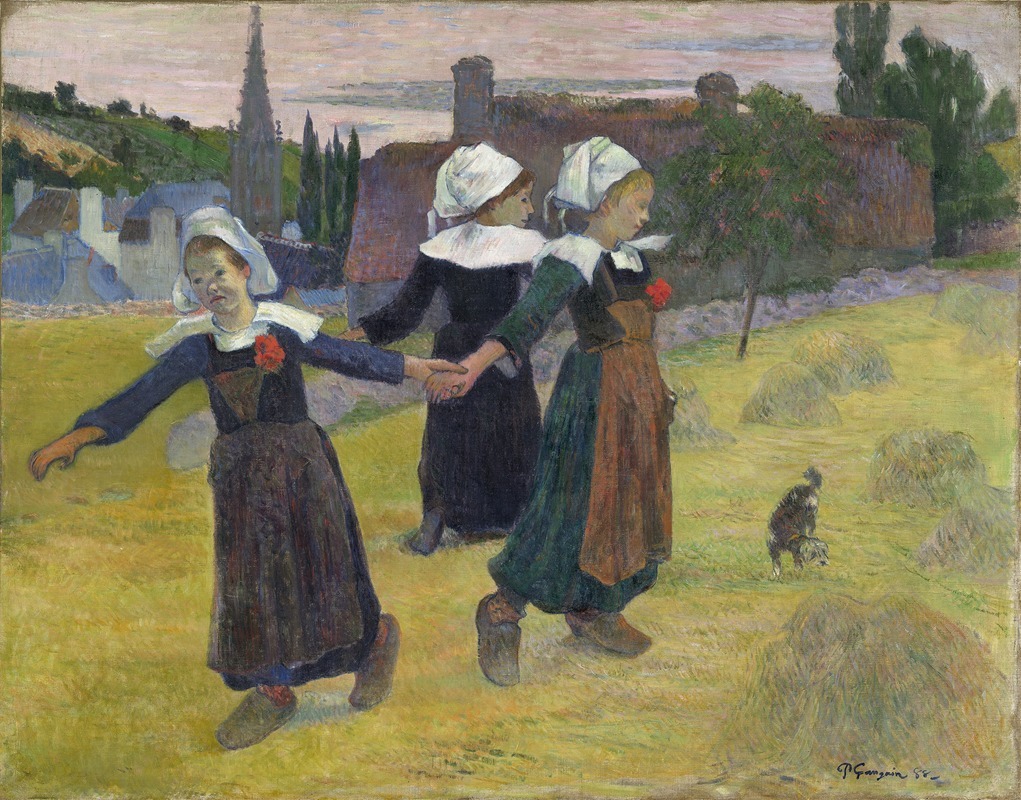
Breton Girls Dancing,Pont-Aven
Paul Gauguin
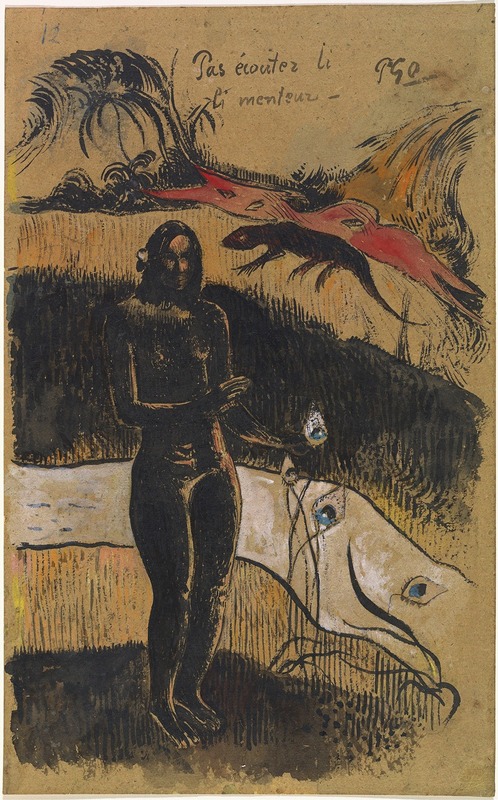
Nave Nave Fenua
Paul Gauguin
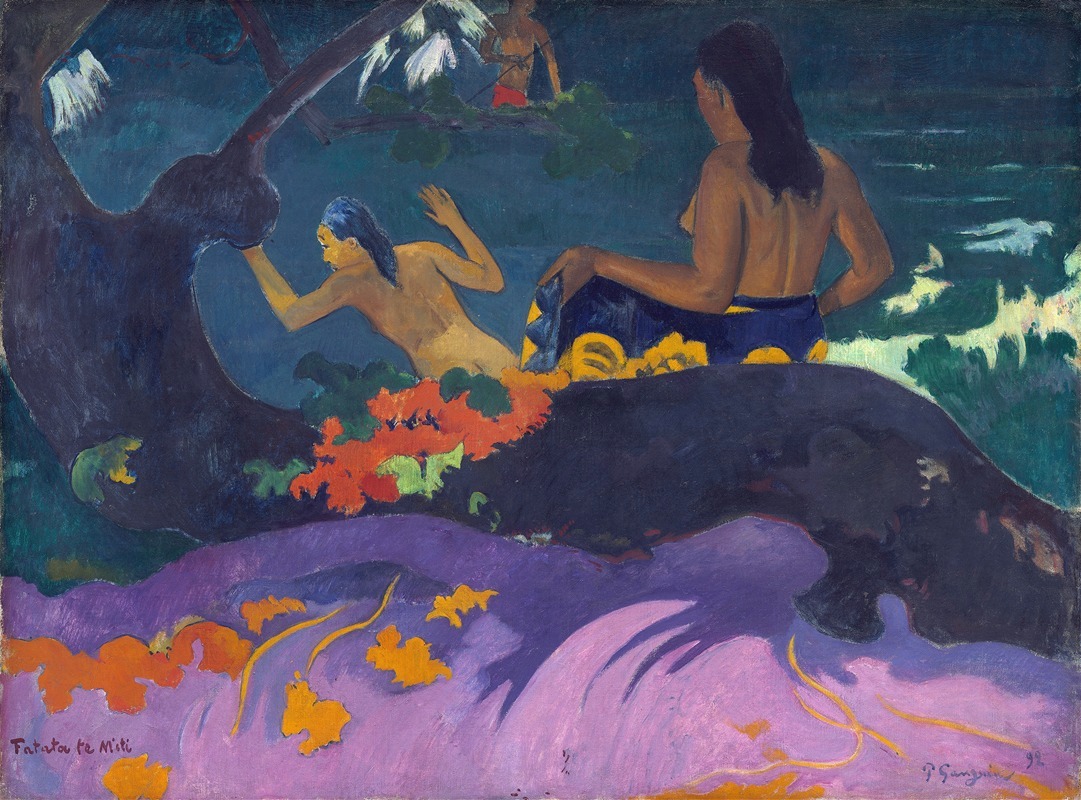
Fatata te Miti (By the Sea)
Paul Gauguin
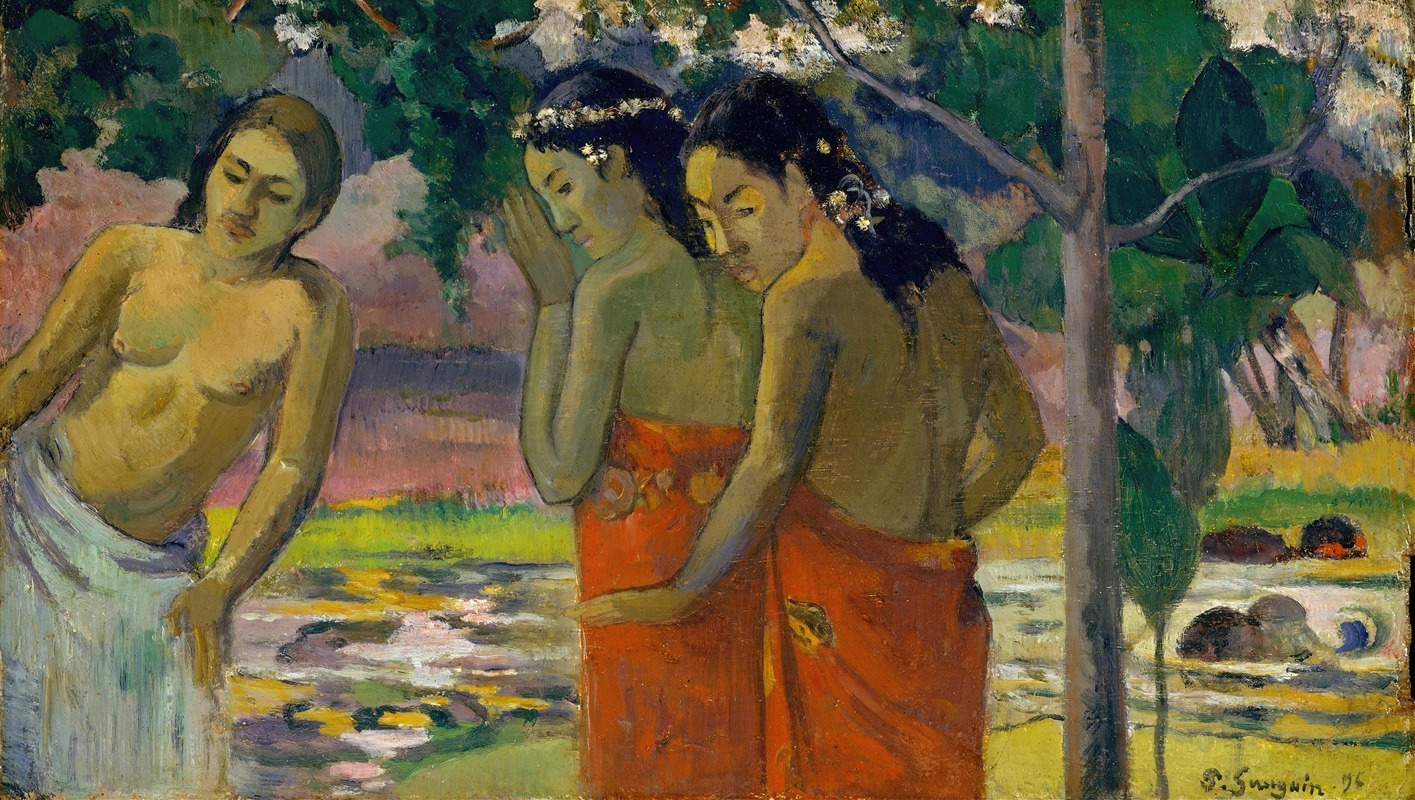
Three Tahitian Women
Paul Gauguin
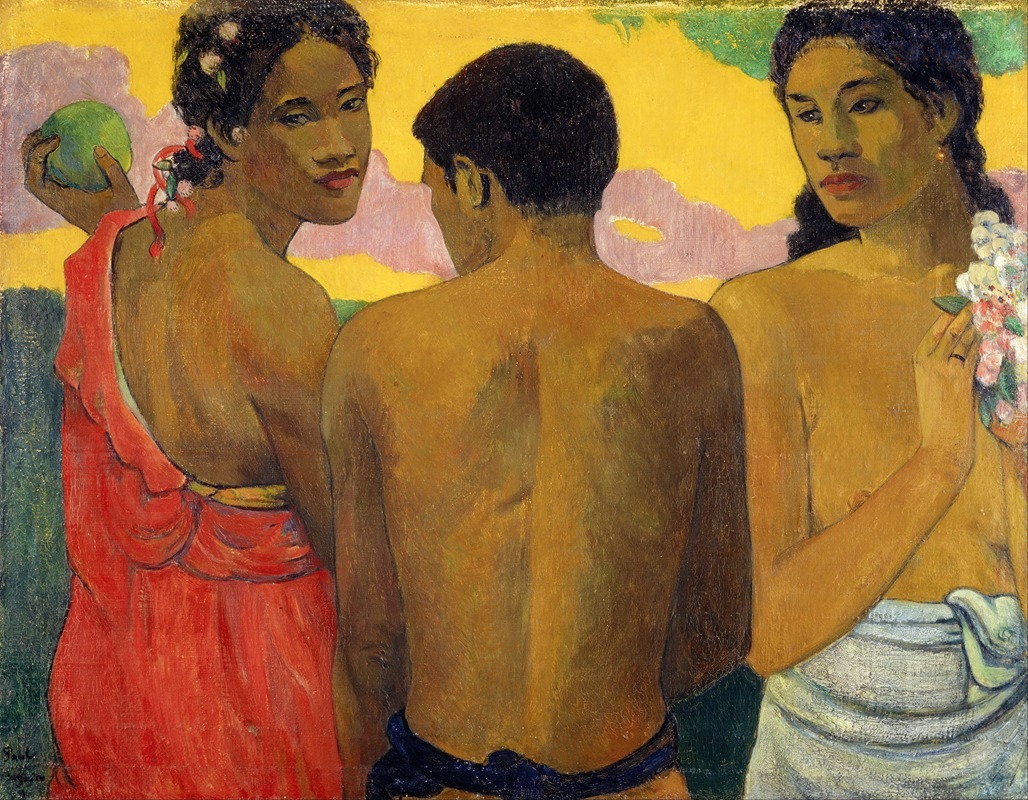
Three Tahitians
Paul Gauguin
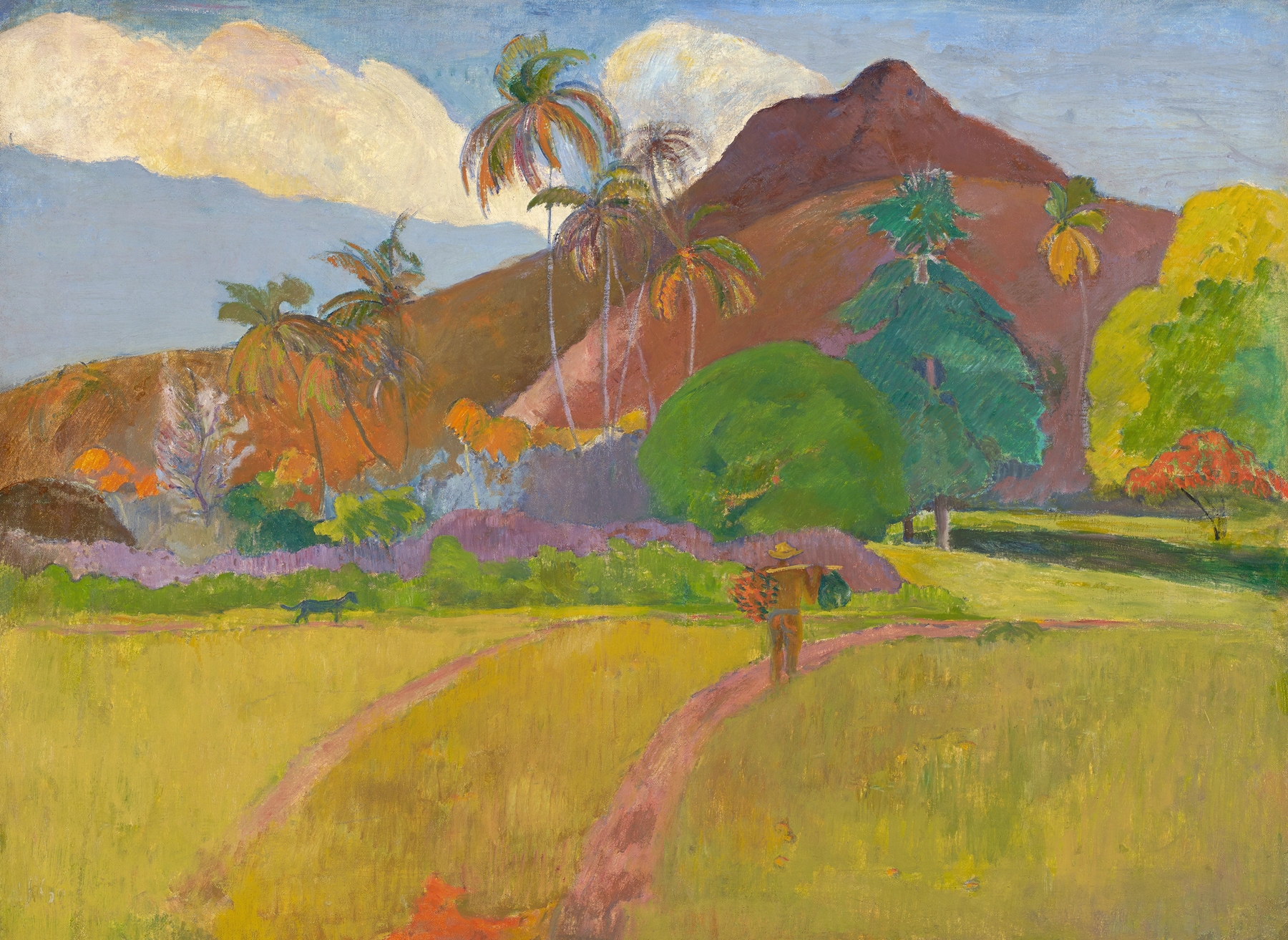
Tahitian Landscape
Paul Gauguin
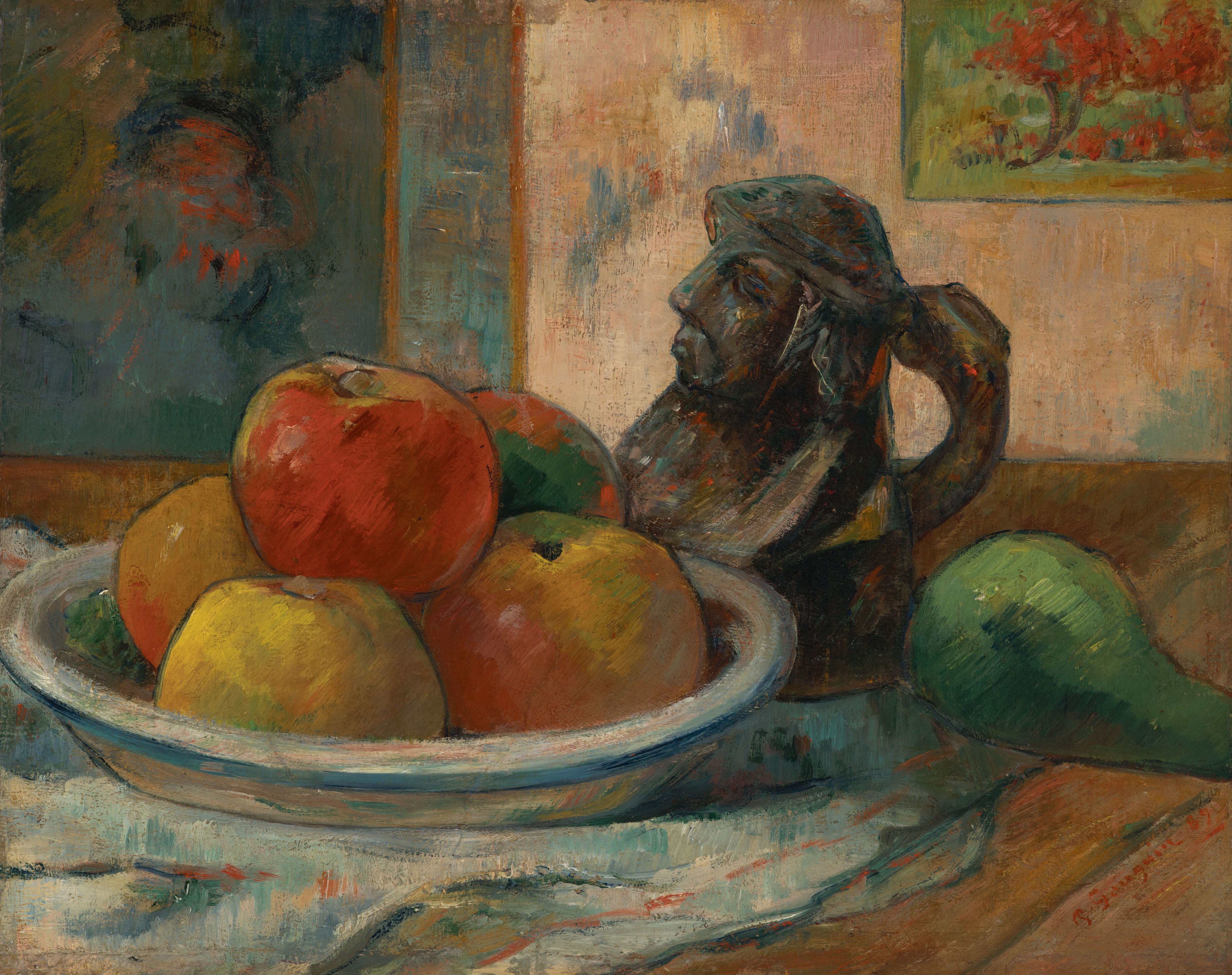
Still Life with Apples, a Pear, and a Ceramic Portrait Jug
Paul Gauguin
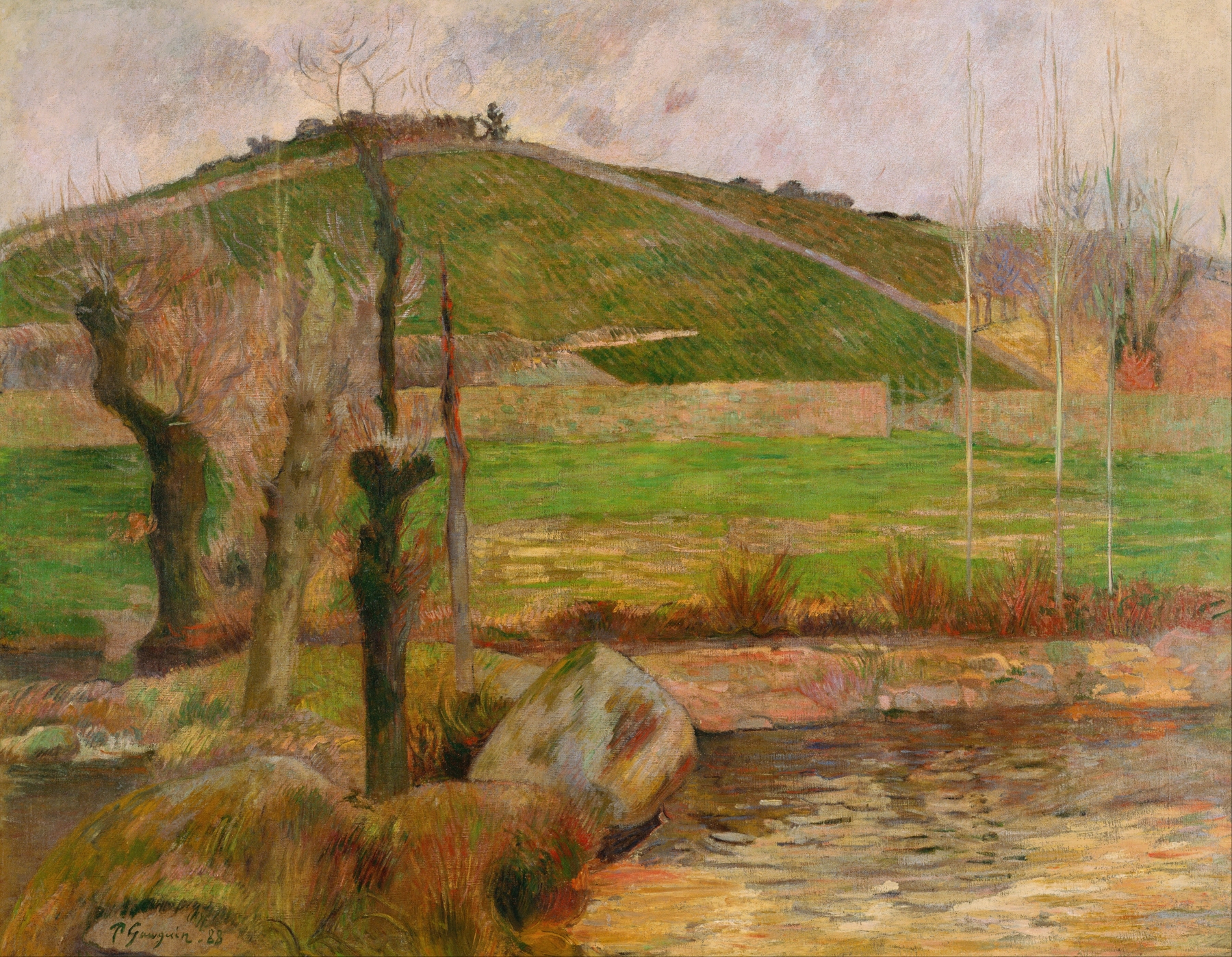
Landscape near Pont-Aven
Paul Gauguin

No te aha oe riri (Why Are You Angry?)
Paul Gauguin