Paysage de la Grande Chartreuse — History & Facts
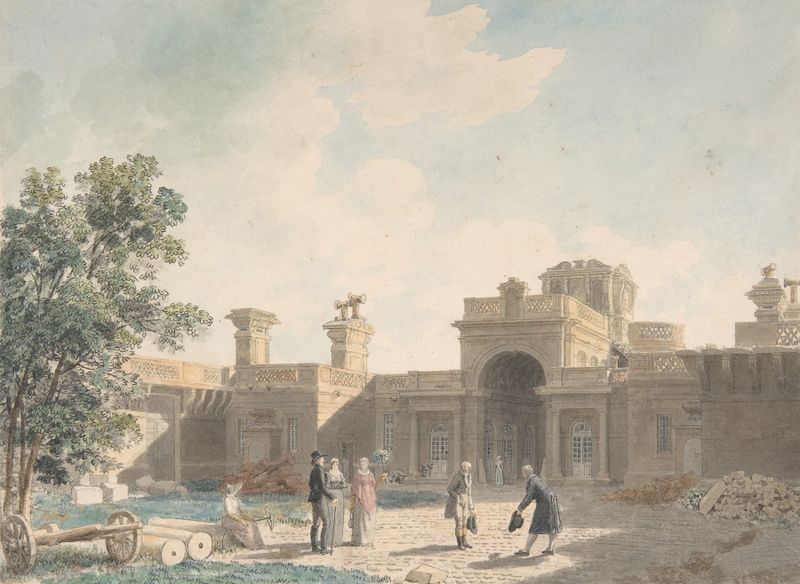
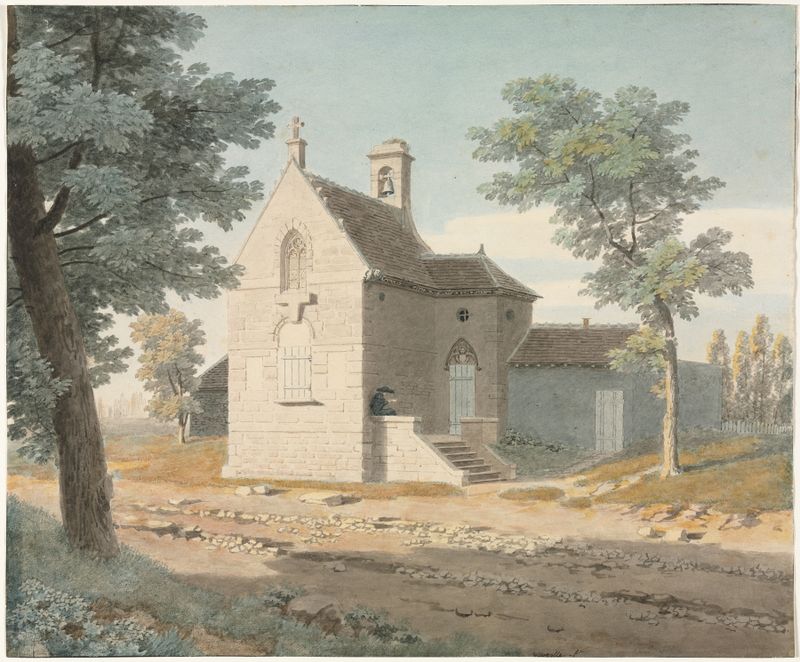
Each brushstroke captures the essence of a fleeting moment, inviting the viewer to delve into the depths of memory and time. To fully appreciate this work, first draw your gaze to the rolling hills of muted greens and browns that stretch across the canvas. Notice the soft interplay of light and shadow, how sunlight filters through the trees, creating a dappled effect that evokes a serene atmosphere. The sky above is a gentle wash of blues and whites, imbuing the scene with an ethereal quality, as if the natural world is holding its breath, suspended in tranquility. In the foreground, subtle details emerge: a solitary figure stands, perhaps a shepherd, embodying solitude against the expansive landscape.
This poignant contrast between the human presence and the vastness of nature suggests themes of isolation and connection, as the figure becomes a vessel for our own memories of quiet reflection. The artwork subtly speaks to the passage of time, whispering secrets about the nature of existence and the ephemeral beauty of life. During the late 1700s to early 1800s, Jean Lubin Vauzelle was immersed in the Romantic movement, deeply influenced by its reverence for nature and emotion. Created amidst a shifting artistic landscape, Paysage de la Grande Chartreuse reflects a period of introspection and a longing for connection to the past, mirroring societal shifts that sought solace in the natural world against the backdrop of industrial change.