Paysage de Provence — History & Facts
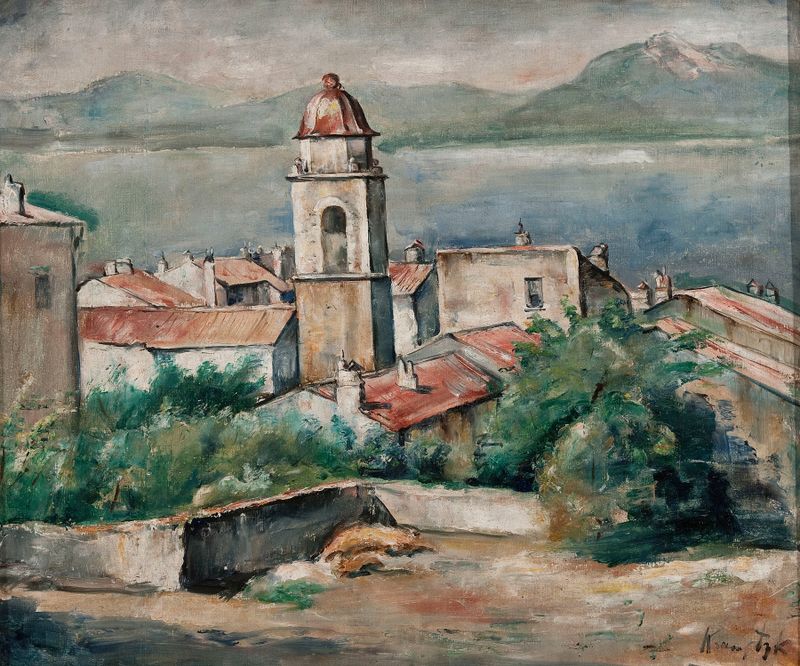
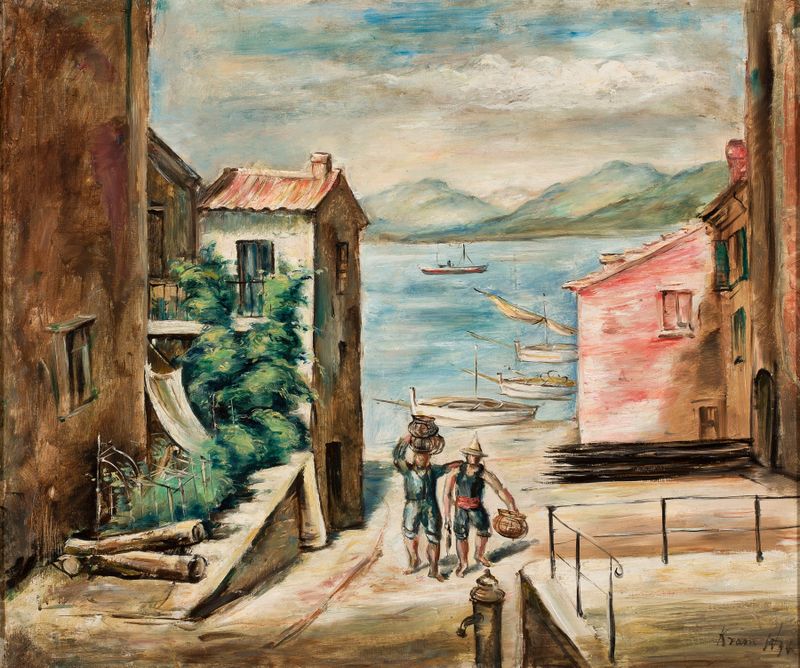
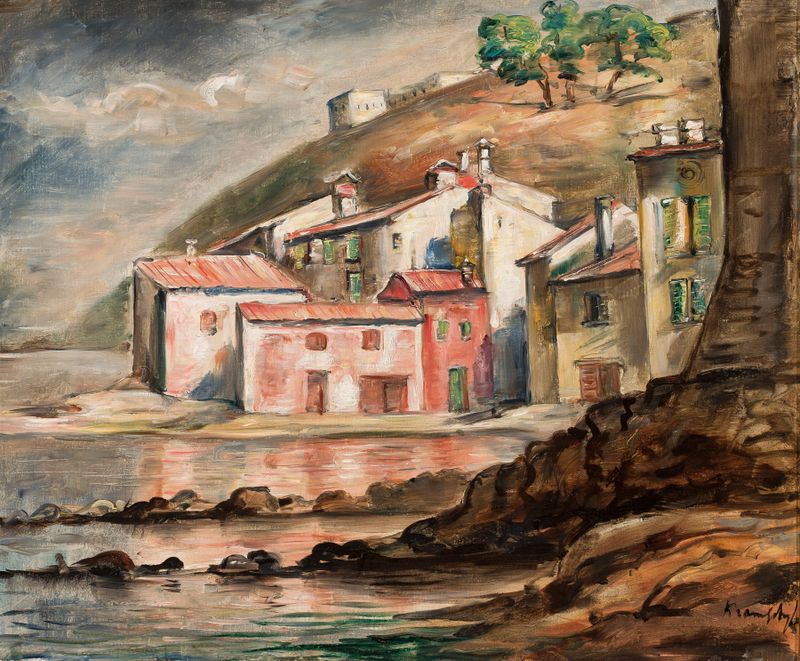
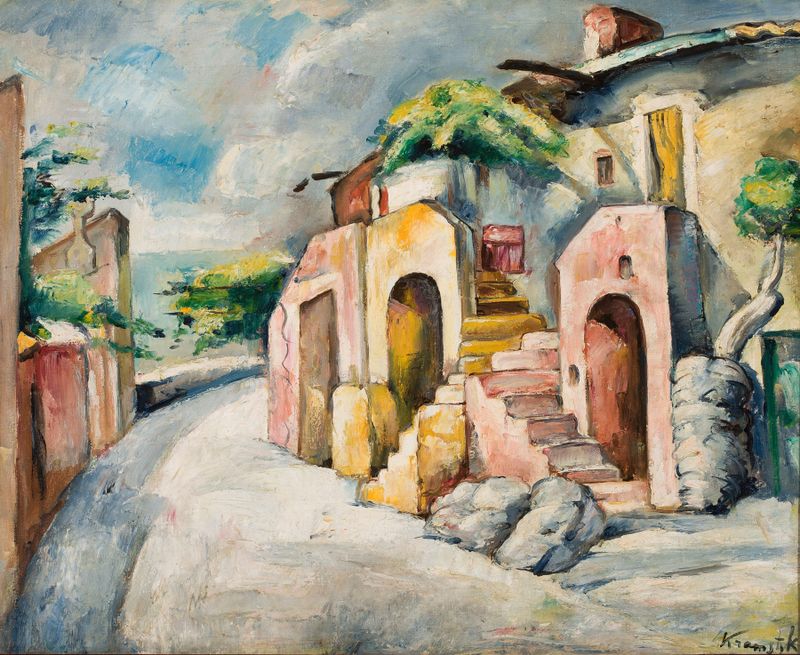
Within the stillness of its hues and forms, a world of ecstasy emerges. A landscape breathes life into the viewer, inviting a sensory exploration of vibrant colors that pulse with energy and warmth. Look to the horizon, where cerulean skies meet sun-drenched fields, painted with strokes that dance effortlessly across the canvas. The interplay of rich greens and golden yellows creates a radiant tapestry, drawing the eye to the gently rolling hills dotted with olive trees.
Notice how the light embraces each brushstroke, casting shadows that give depth and movement to the otherwise tranquil scene, allowing the viewer to feel the presence of a gentle breeze. Beneath the surface, hidden meanings whisper through the artwork’s colors. The juxtaposition of light and shadow mirrors the duality of joy and introspection, suggesting that beauty often coexists with deeper emotions. The flowing lines and organic shapes evoke a sense of freedom and connection to nature, while the stillness of the scene prompts reflection on the fleeting moments of ecstasy that life offers.
Each detail reveals a yearning for serenity, balancing exuberance with contemplation. In 1930, while creating Paysage de Provence, the artist was immersed in the vibrant art scene of Paris, where modernism and post-impressionism intersected. Kramsztyk, originally from Poland, sought refuge in France as he navigated the complexities of identity and belonging. The landscape captures not only the beauty of Provence but also his desire for escape and the solace found in nature during a tumultuous period in European history.