
Paysage En Provence — History & Facts
This sentiment echoes deeply in the vibrant strokes of Emile Othon Friesz's Paysage En Provence, where each brushstroke captures an obsession with nature’s fleeting beauty. Look to the left at the bold, swirling clouds that seem to dance across the sky, their colors melding in a riot of yellows and blues. Notice how the sunlight radiates from behind them, casting a warm glow over the landscape below, which is dotted with verdant fields and rustic structures. The artist's use of thick, impasto layers adds texture, allowing the viewer to feel the wind rustling through the grass and the heat of the sun on their skin. Within this idyllic scene lies a tension between permanence and transience.
The vibrant, almost frenetic colors suggest an urgency, as if the moment is too precious to let slip away. The convergence of light and shadow creates a sense of depth, symbolizing the fleeting nature of time itself, while the tranquil yet dynamic composition invites contemplation on our connection to the world around us. Friesz painted Paysage En Provence during his formative years in the early 20th century, a time when he was exploring the boundaries of post-impressionism while living in the South of France. At this juncture, the art world was in transition, with movements bubbling that would define modern art.
The artist's pursuit of color and emotion reflects not only his personal journey but also the broader evolution of artistic expression during his lifetime.
More Artworks by Emile Othon Friesz
Browse all →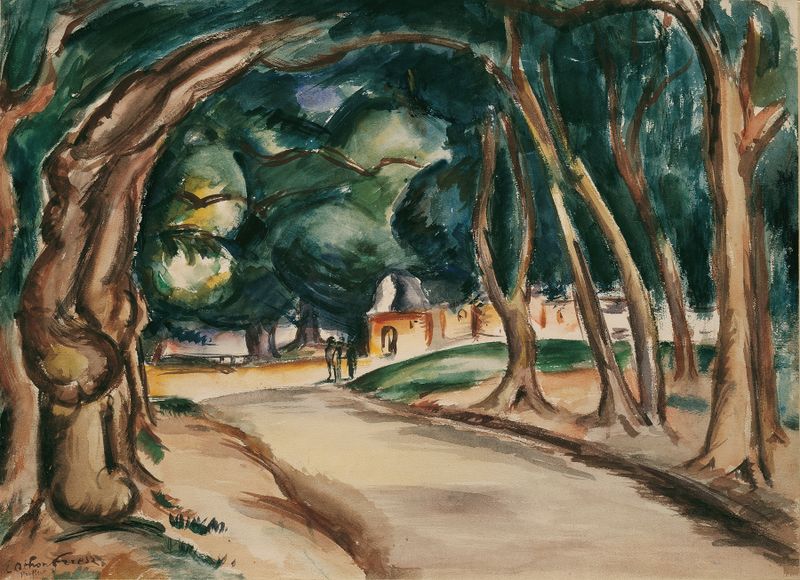
Allee
Emile Othon Friesz
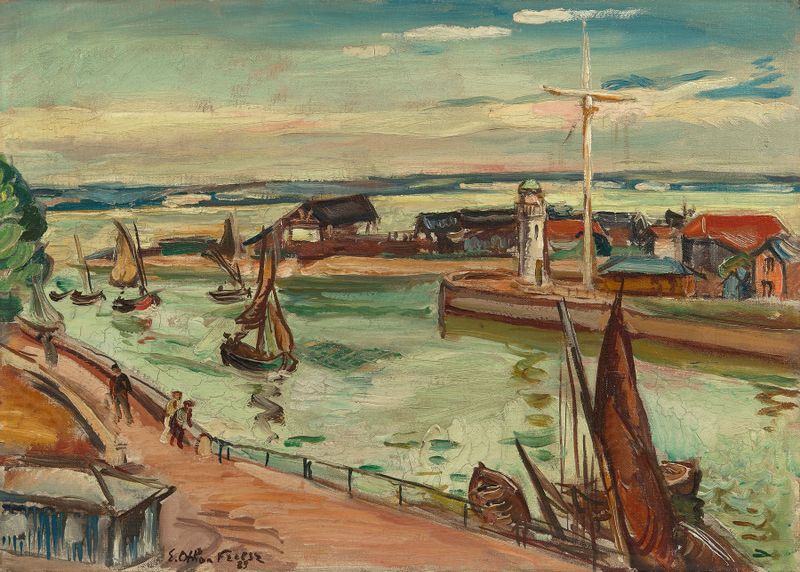
Sortie de port à Honfleur
Emile Othon Friesz
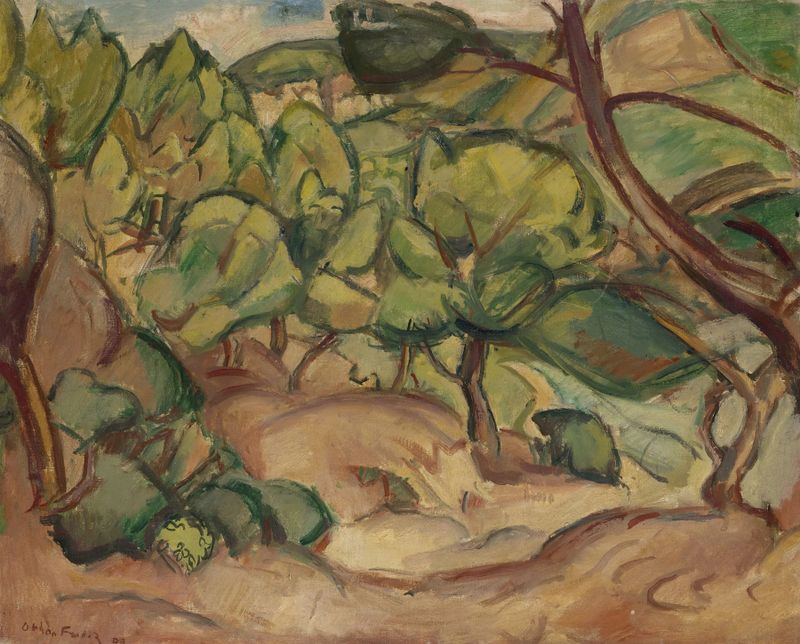
Dans les pins
Emile Othon Friesz
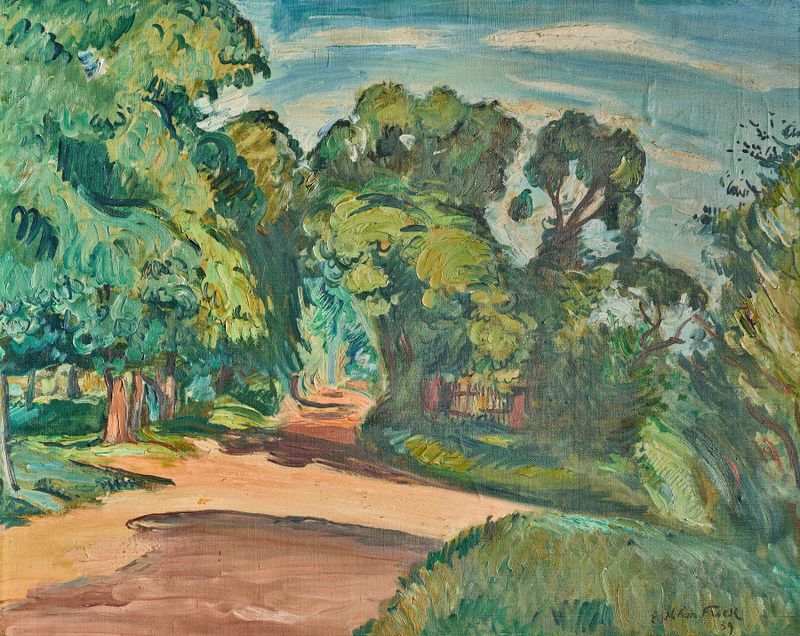
La croisée des chemins
Emile Othon Friesz
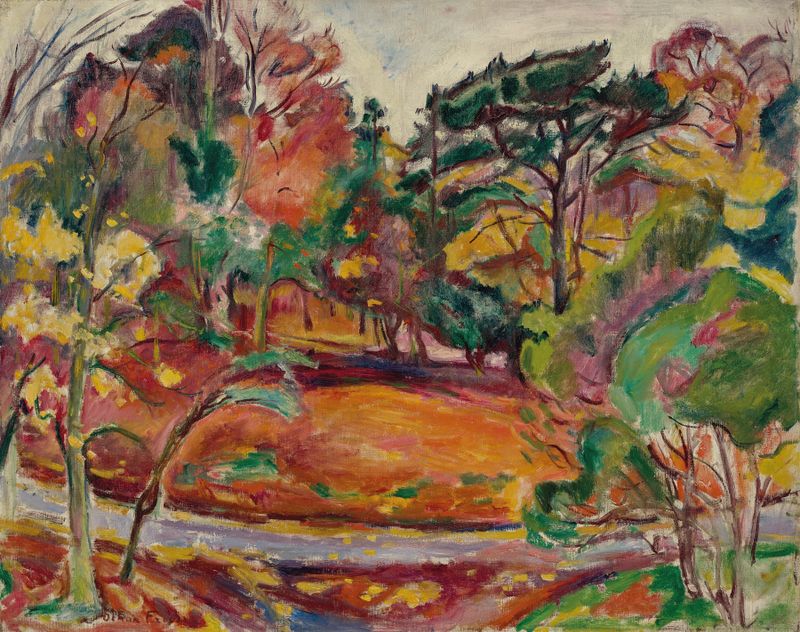
Automne à Honfleur, la Côte de Grâce
Emile Othon Friesz
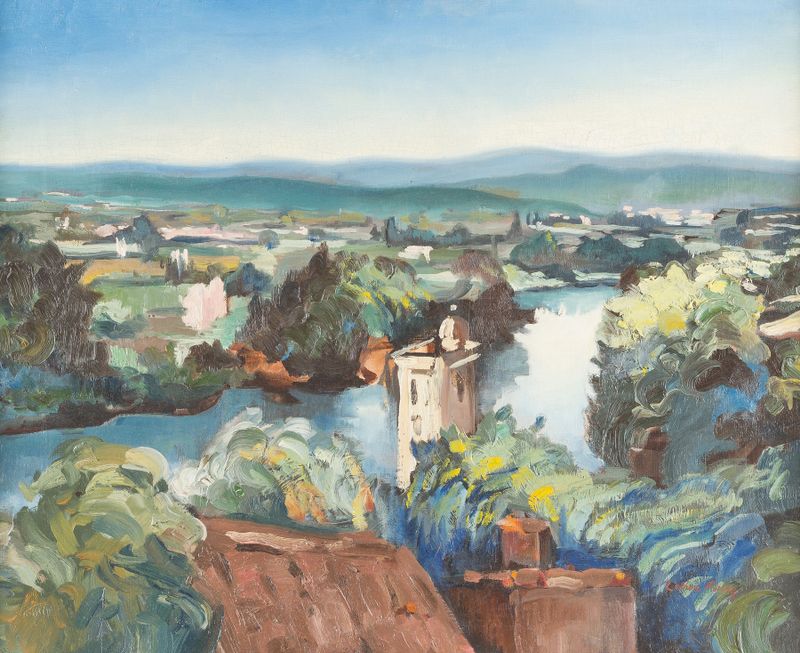
View to the horizon
Emile Othon Friesz
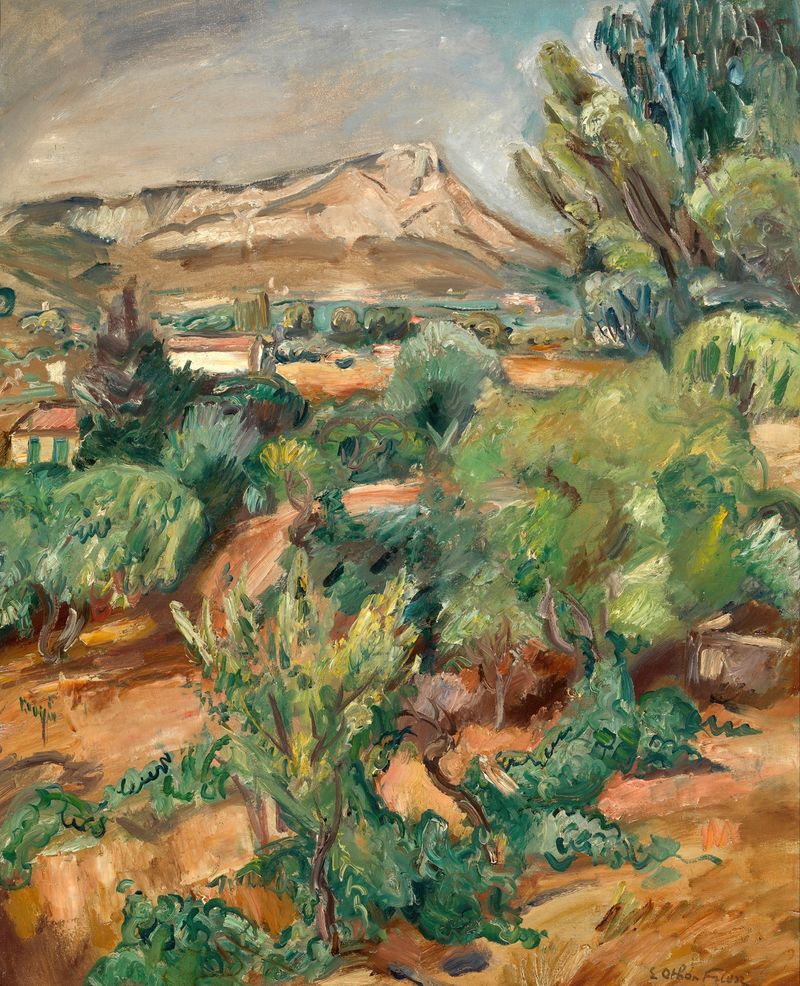
The Mountain Coudon Seen from Cap Brun
Emile Othon Friesz
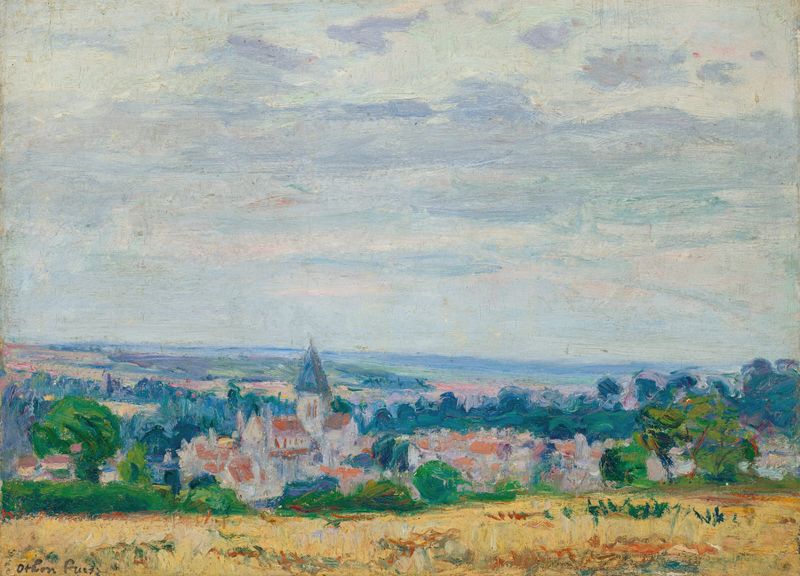
Falaise
Emile Othon Friesz
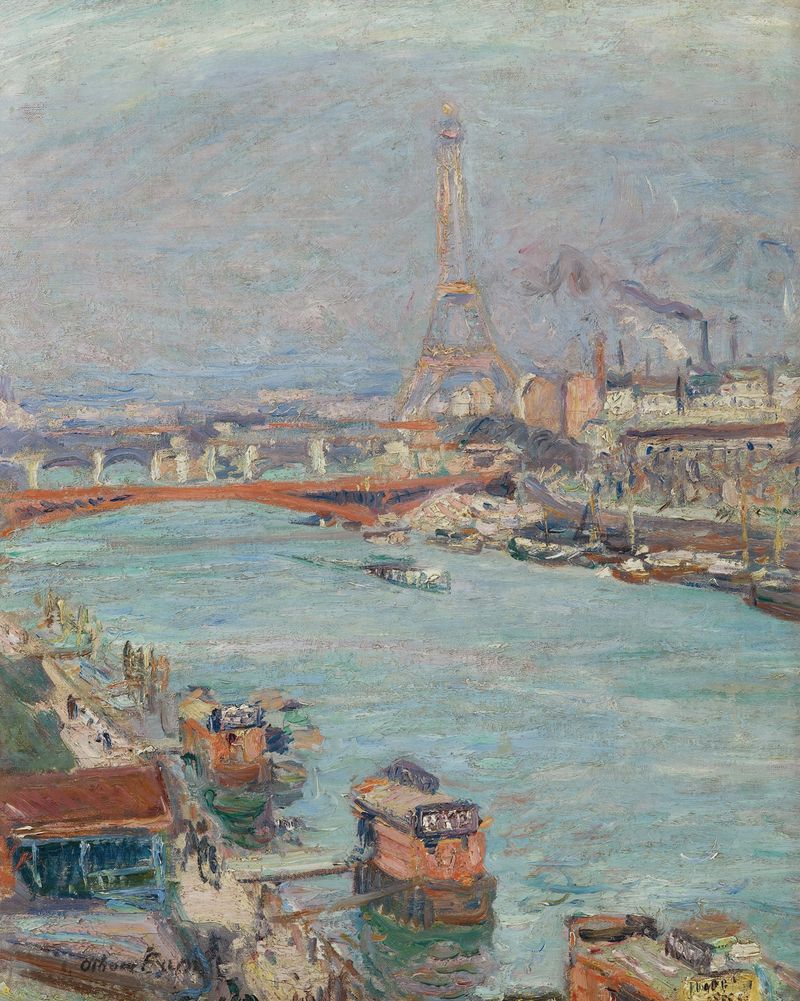
La Seine À Paris, La Tour Eiffel, Le Jour
Emile Othon Friesz
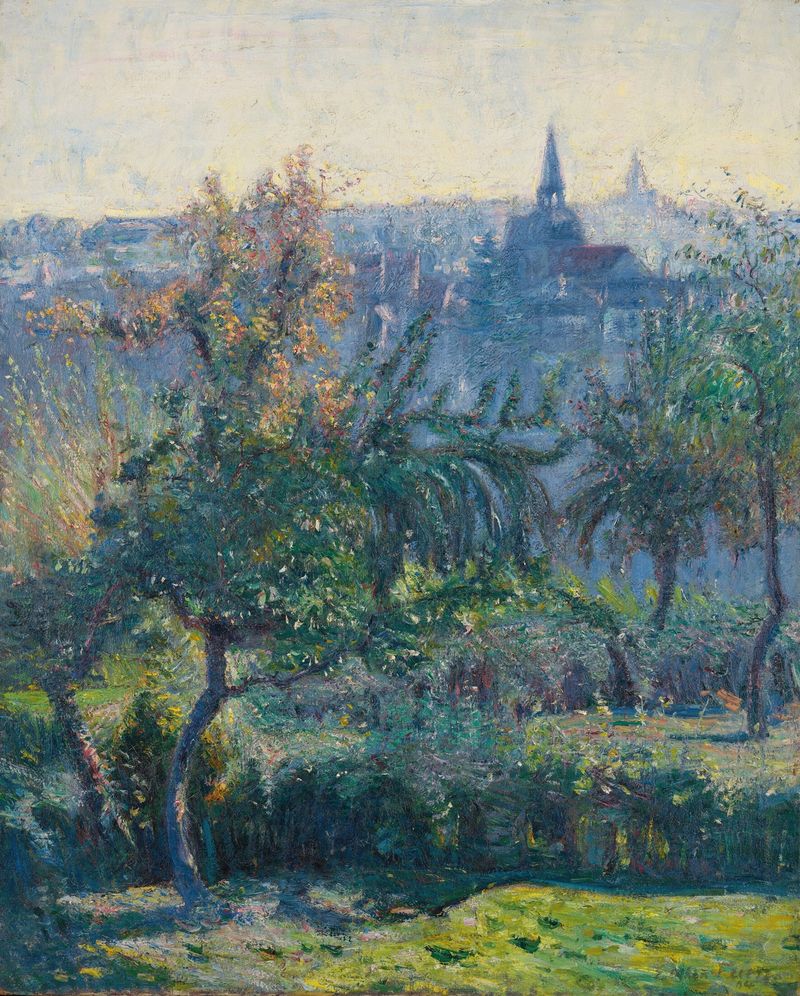
Falaise
Emile Othon Friesz





