
Paysage sous la neige — History & Facts
This sentiment echoes through the winter landscape, where snow blankets the earth, concealing the loneliness that lies beneath. Look to the center of the canvas, where a tranquil expanse of white stretches endlessly, dotted by the dark silhouettes of bare trees. The artist’s brushwork is both deliberate and soft, creating a gentle texture that invites the eye to glide across the surface. Notice how the cool blues and muted grays blend seamlessly with the bright whites, evoking a sense of quiet stillness, as if the world is holding its breath in the cold. Yet, amidst this serene tableau, subtle hints of melancholy emerge.
The starkness of the landscape speaks to isolation, revealing a tension between beauty and solitude. Each tree, stripped of its leaves, stands as a sentinel of loneliness, while the peaceful snow suggests a silence that can be both calming and oppressive. This juxtaposition invites reflection on the deeper emotions hidden within the pristine exterior, resonating with anyone who has experienced the ache of solitude. In 1919, Emile Othon Friesz painted this work during a tumultuous time in Europe, following the end of World War I.
Living in Paris, he was influenced by the shift towards modernism, grappling with personal and collective grief. As artists sought new ways to express their experiences, Friesz’s depiction of an eerily quiet winter landscape captures a universal feeling of isolation, echoing the aftermath of a world forever changed by conflict.
More Artworks by Emile Othon Friesz
Browse all →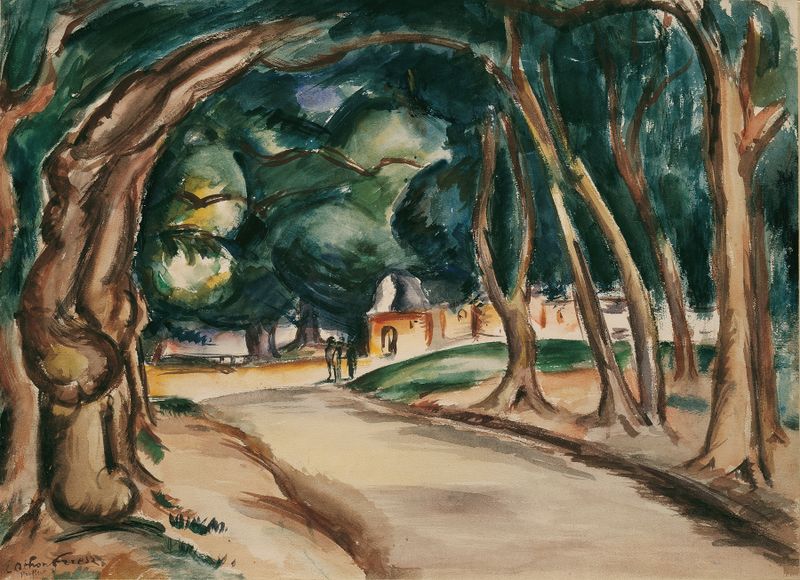
Allee
Emile Othon Friesz
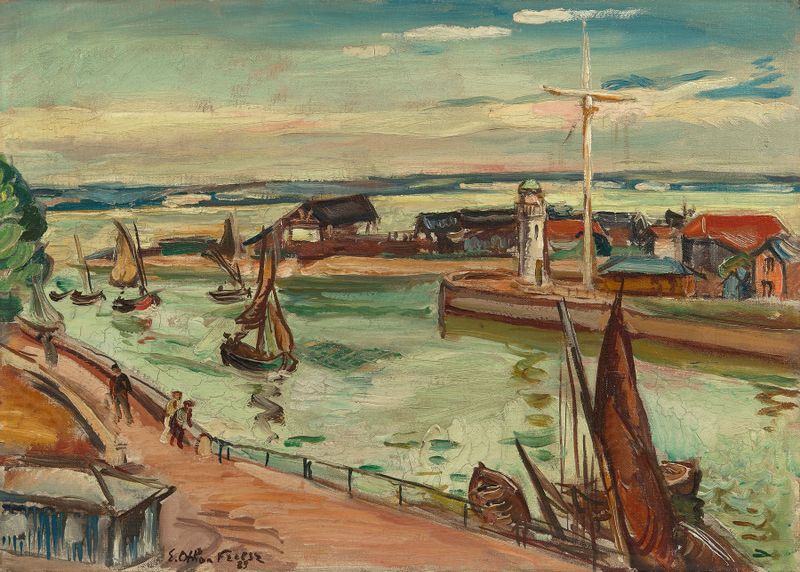
Sortie de port à Honfleur
Emile Othon Friesz
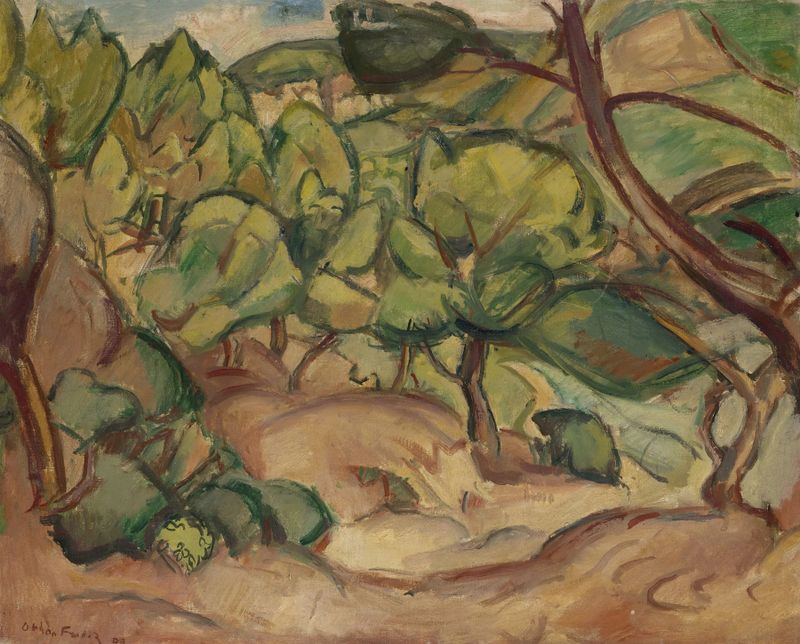
Dans les pins
Emile Othon Friesz
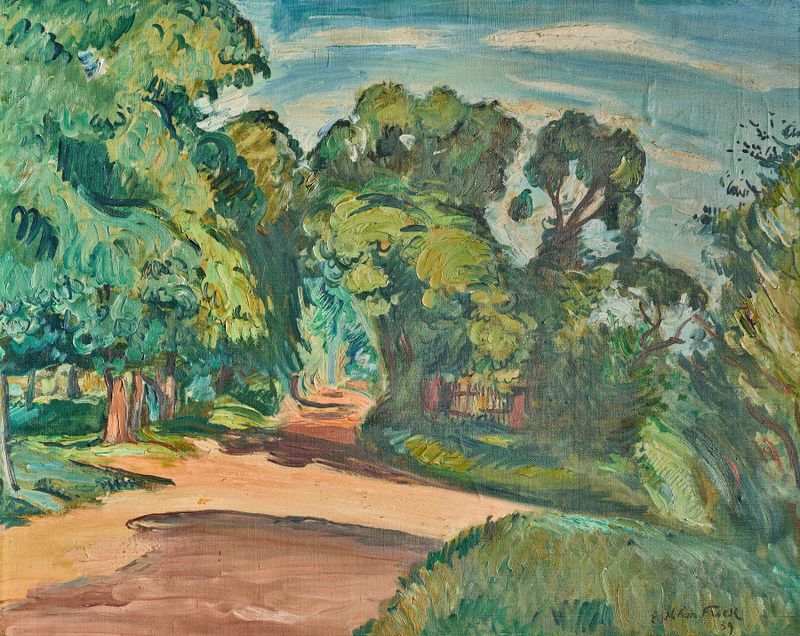
La croisée des chemins
Emile Othon Friesz
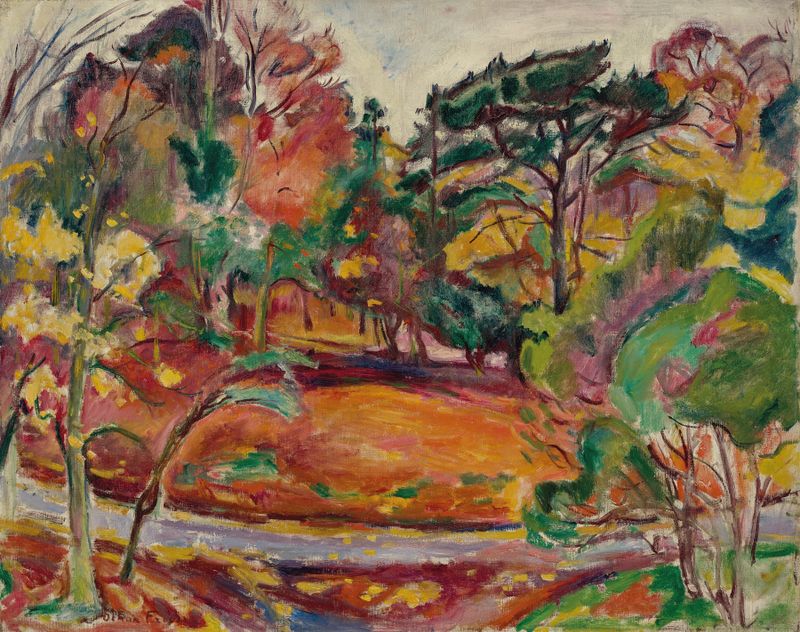
Automne à Honfleur, la Côte de Grâce
Emile Othon Friesz
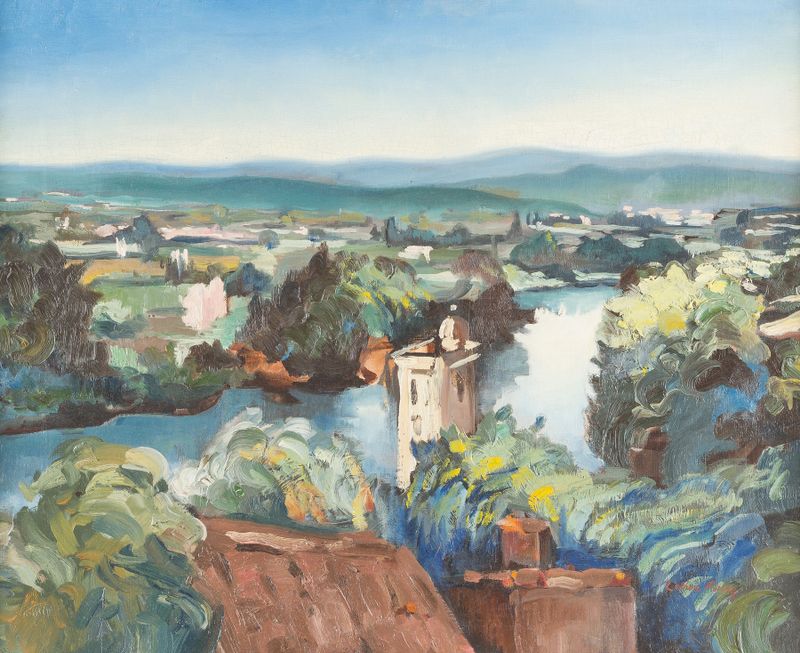
View to the horizon
Emile Othon Friesz
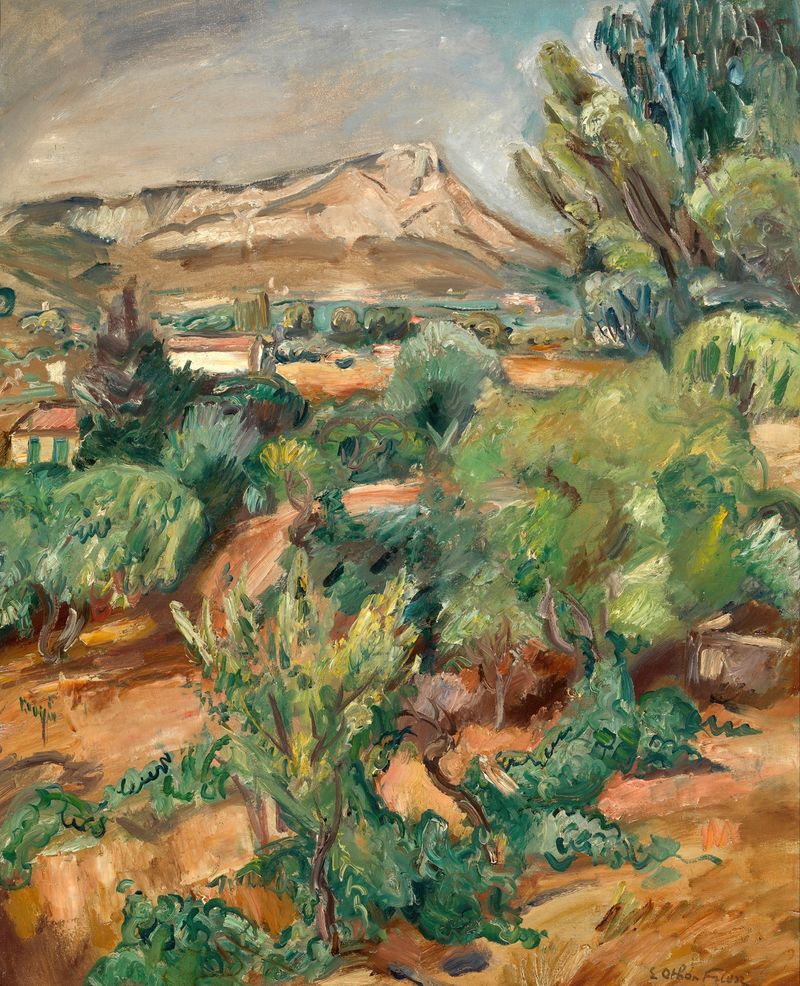
The Mountain Coudon Seen from Cap Brun
Emile Othon Friesz
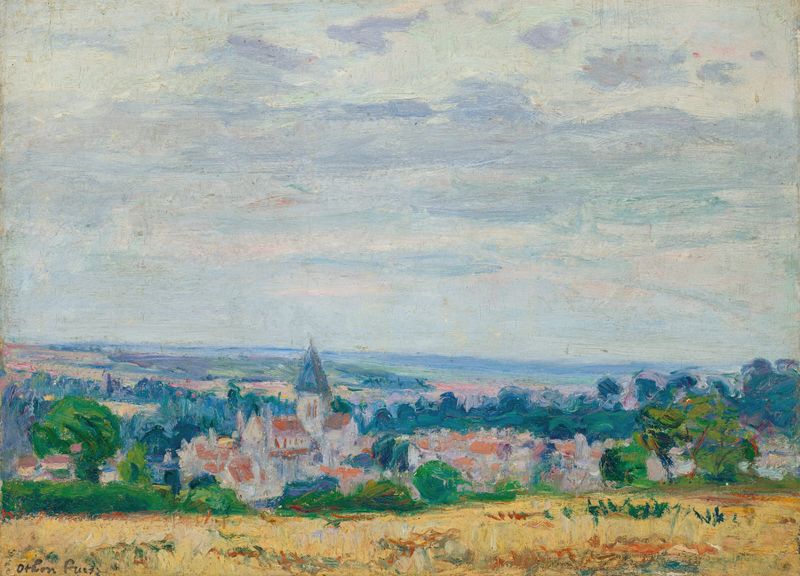
Falaise
Emile Othon Friesz
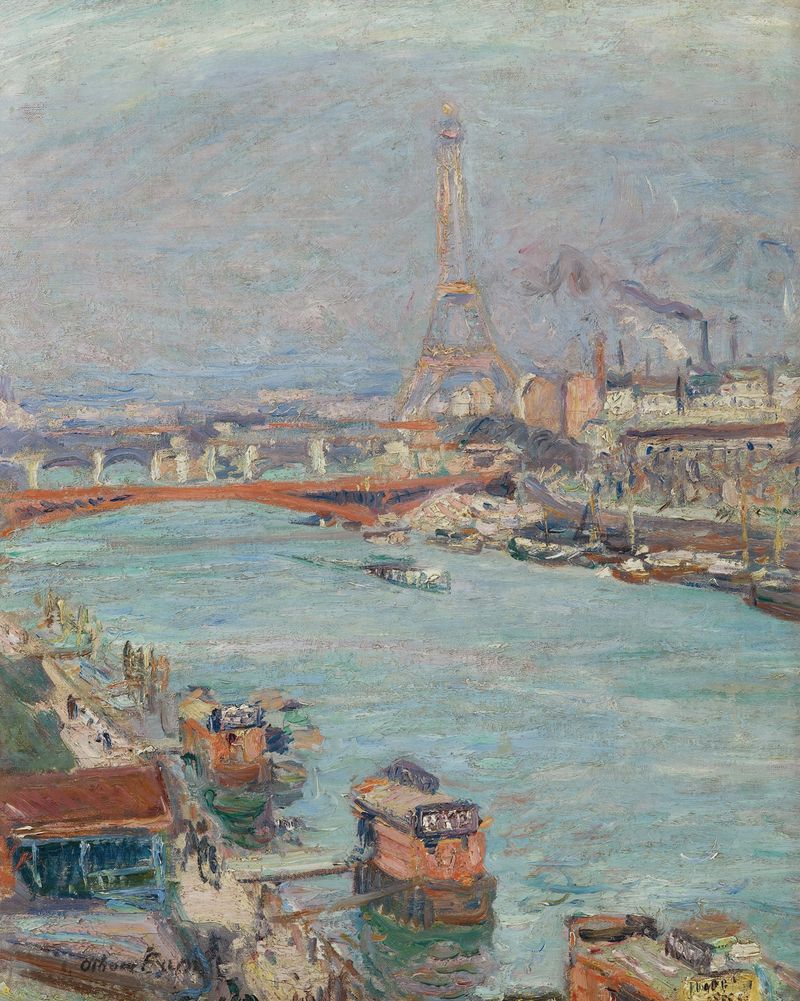
La Seine À Paris, La Tour Eiffel, Le Jour
Emile Othon Friesz
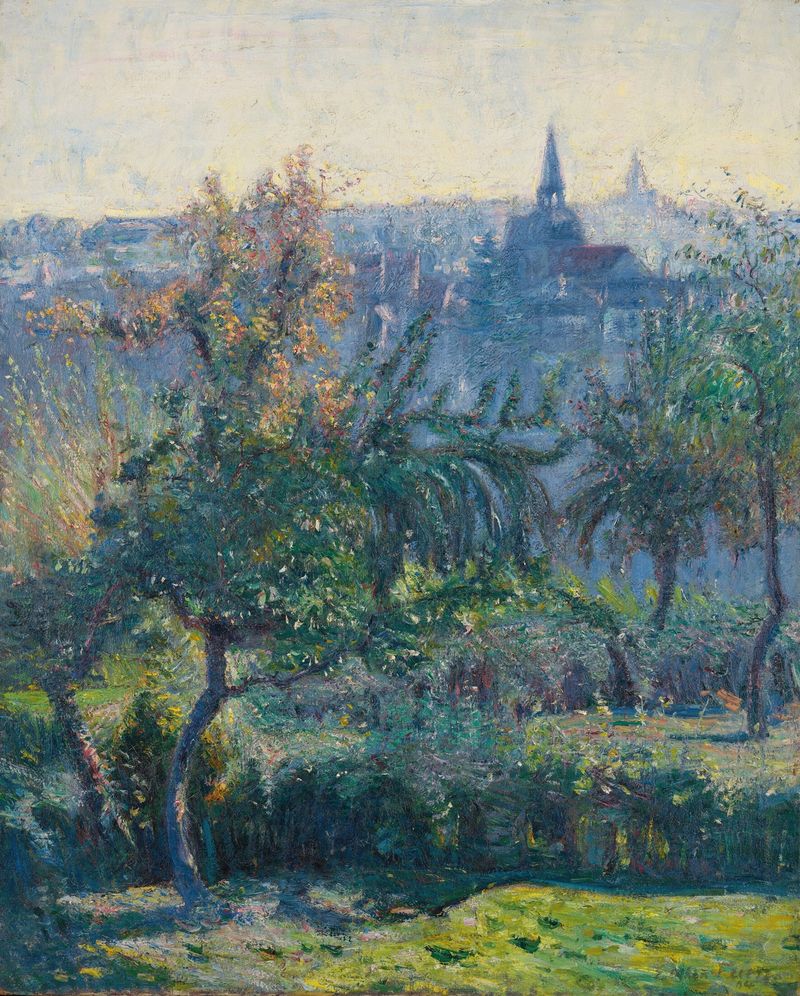
Falaise
Emile Othon Friesz





