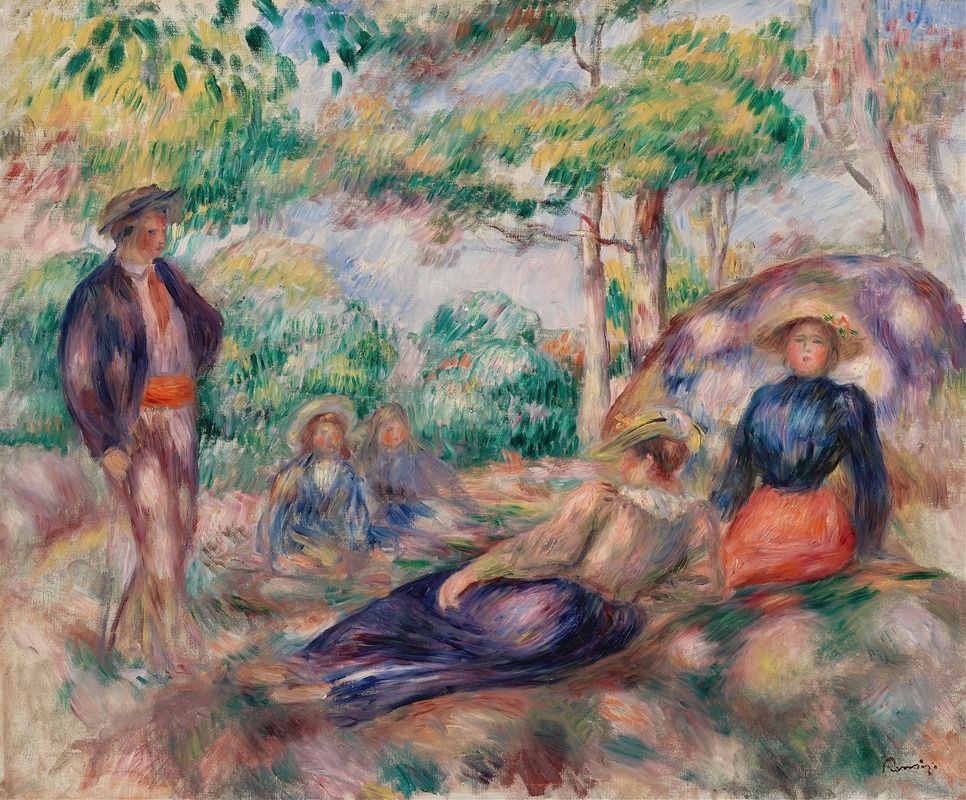
Discover insights about this artwork
Peasant of the Camargue — History & Facts
In Peasant of the Camargue, Vincent van Gogh presents a rural figure set against a vibrant landscape. The colors are rich and bold, with deep greens and yellows dominating the scene. The peasant, dressed in traditional attire, stands confidently amidst the natural surroundings.
The painting captures the essence of rural life in the Camargue region of France. This artwork is created using oil on canvas, a medium that allows for the expressive brushwork characteristic of van Gogh's style. The dimensions are approximately 60 x 80 cm, making it a medium-sized painting. The texture of the paint is thick and impasto, adding depth to the colors.
The brushstrokes are dynamic and energetic, reflecting the artist's emotional connection to the subject. Vincent van Gogh painted Peasant of the Camargue during his time in Arles, where he was inspired by the local landscape and culture. This work reflects his interest in the lives of rural people and his desire to depict their dignity and strength. An interesting fact about this painting is that it showcases van Gogh's transition towards a more vibrant color palette, which became a hallmark of his later works.
The painting is now housed in the Van Gogh Museum in Amsterdam.
More Artworks by Vincent van Gogh
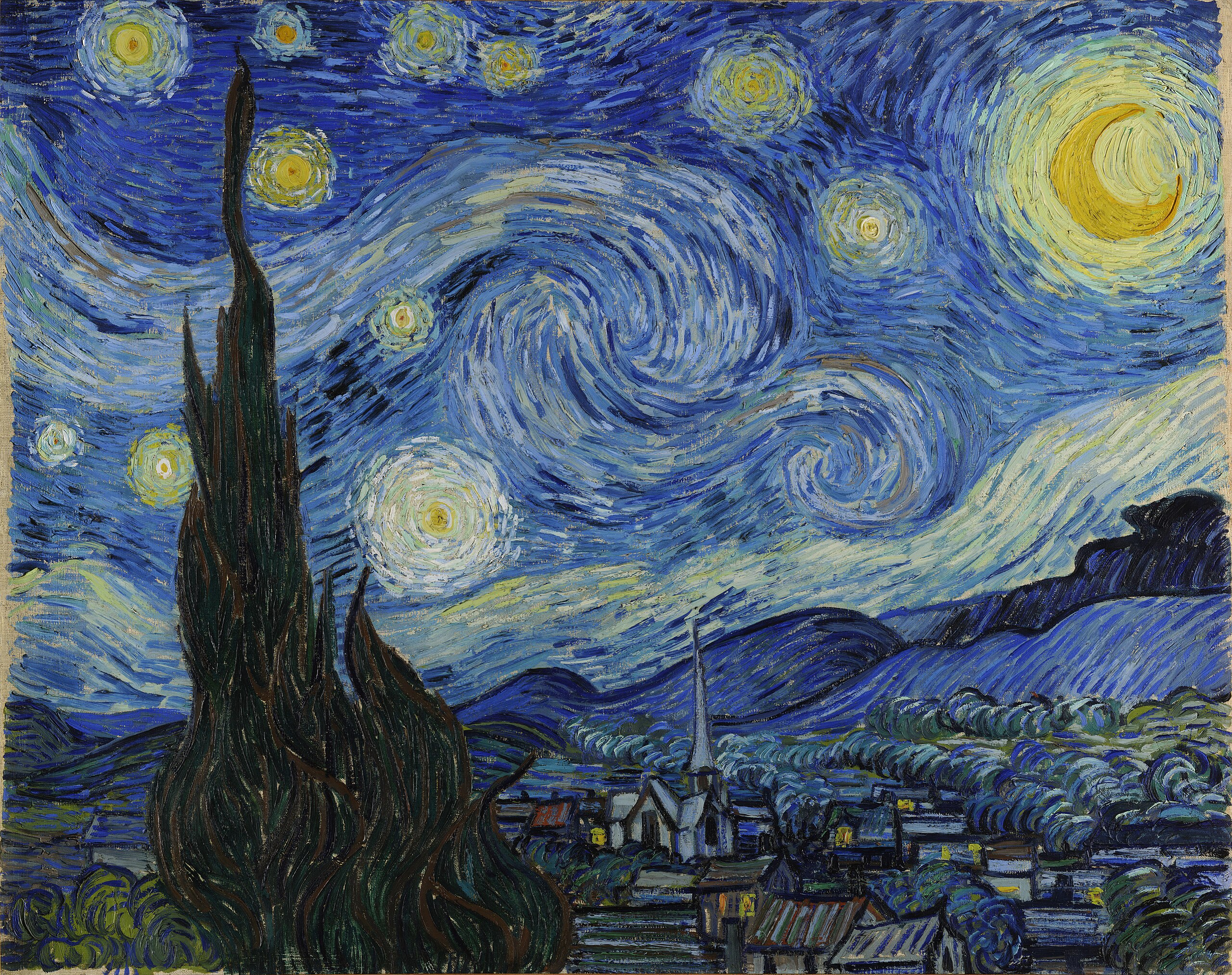
Starry Night
Vincent van Gogh
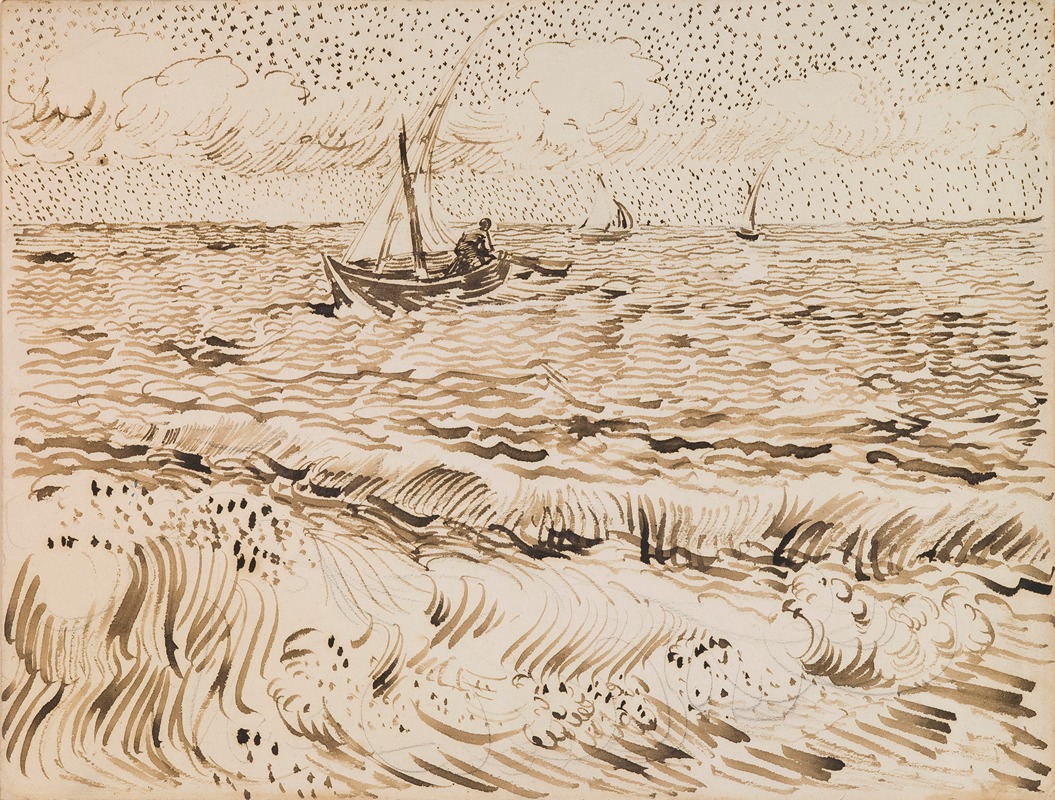
Fishing Boats at Saintes-Maries-de-la-Mer
Vincent van Gogh
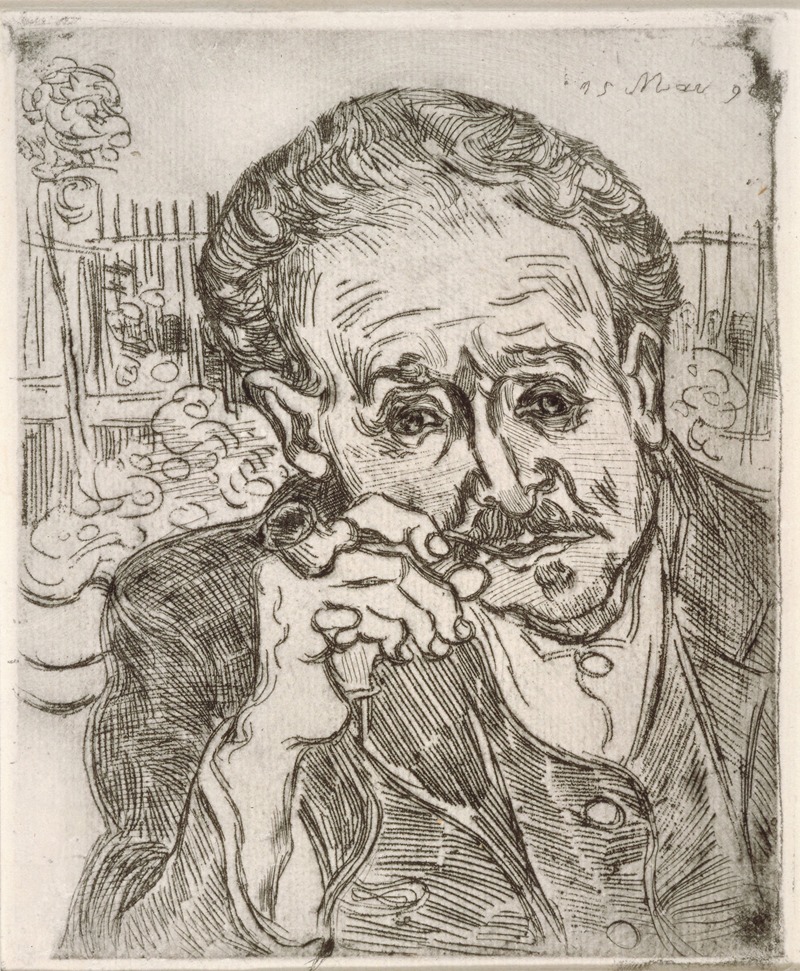
Portrait of Dr. Gachet (Auvers-sur-Oise)
Vincent van Gogh
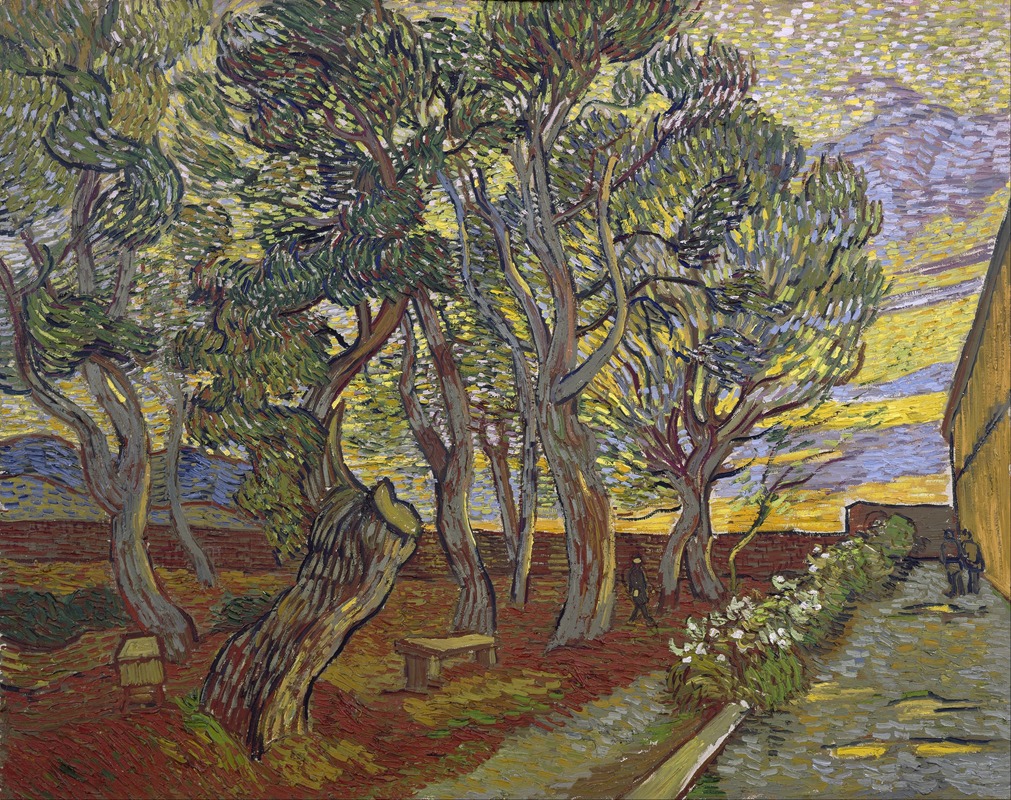
The garden of Saint Paul’s Hospital
Vincent van Gogh
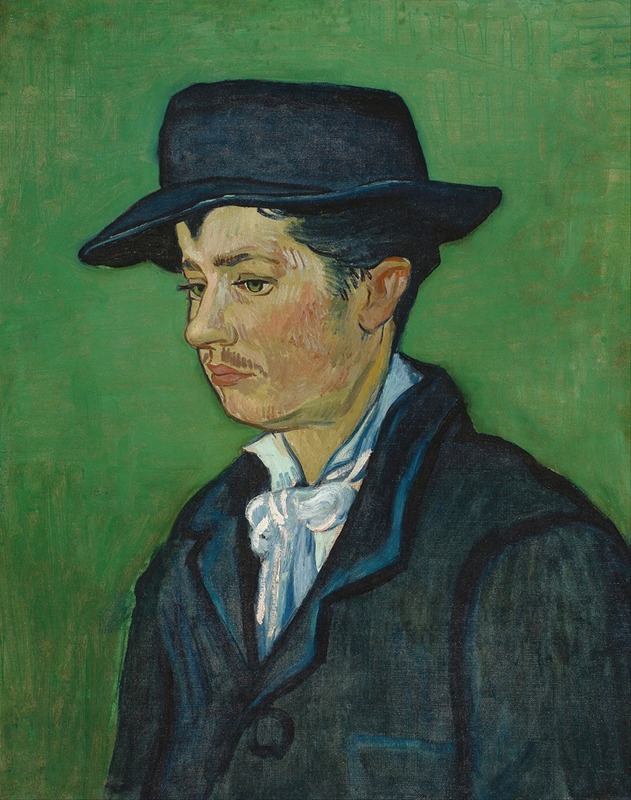
Portrait Of Armand Roulin
Vincent van Gogh
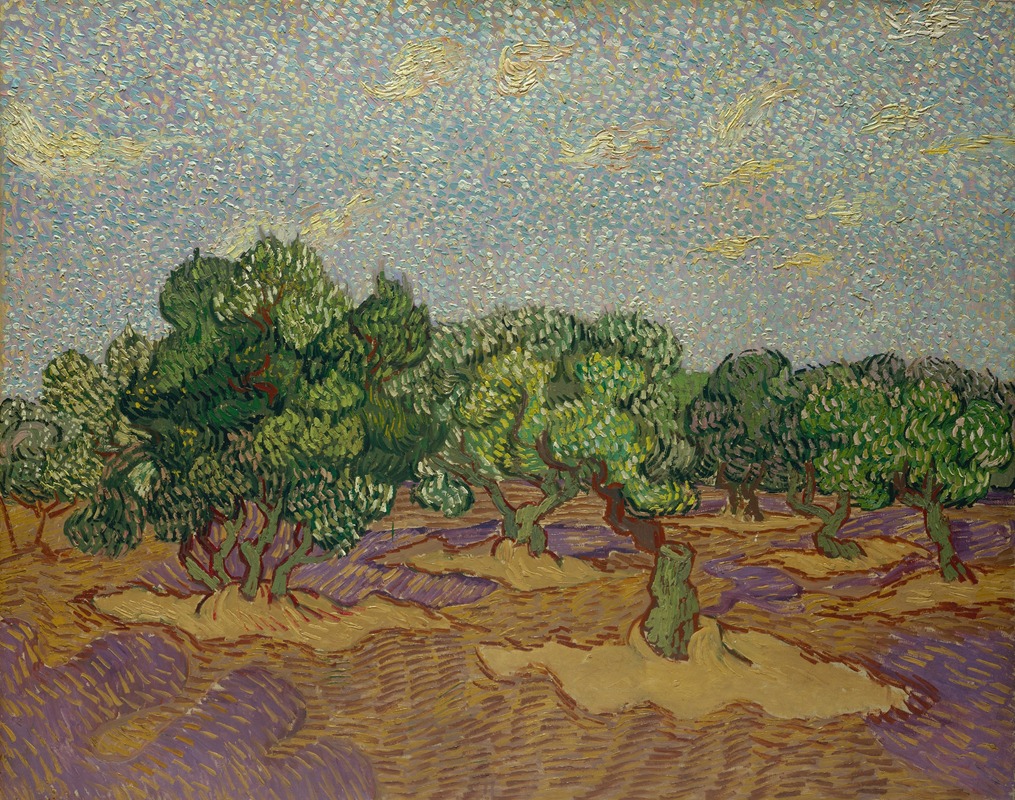
Olive Trees
Vincent van Gogh
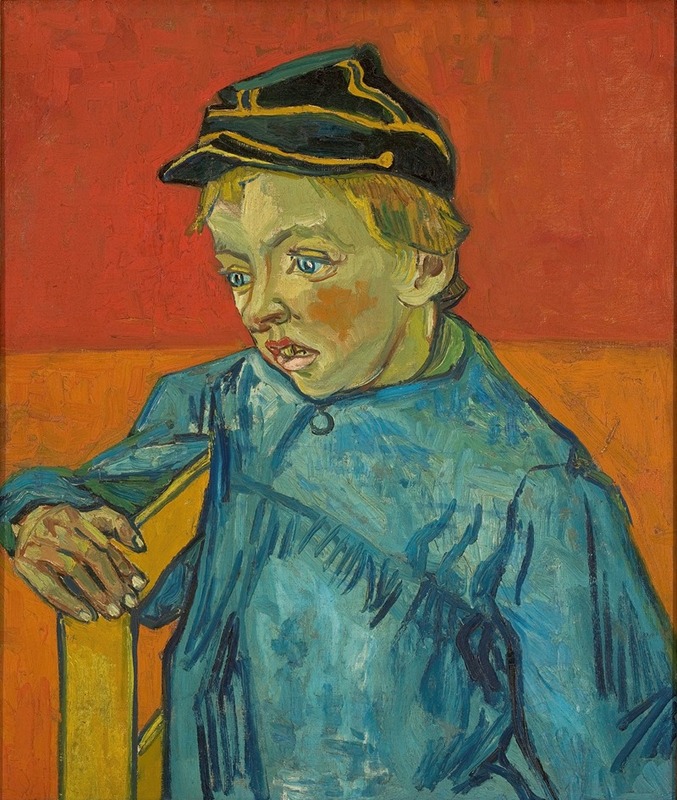
The Schoolboy (Camille Roulin)
Vincent van Gogh
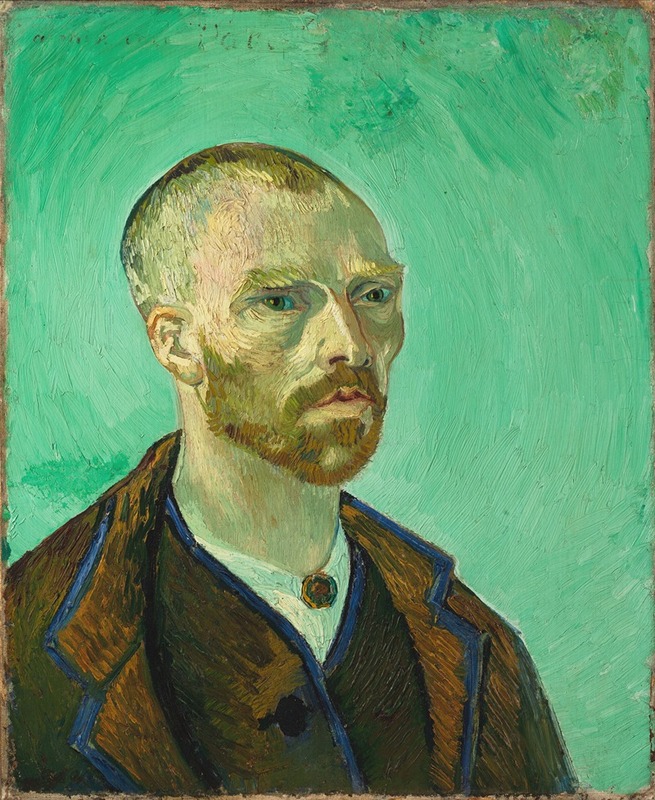
Self Portrait (dedicated to Paul Gauguin)
Vincent van Gogh
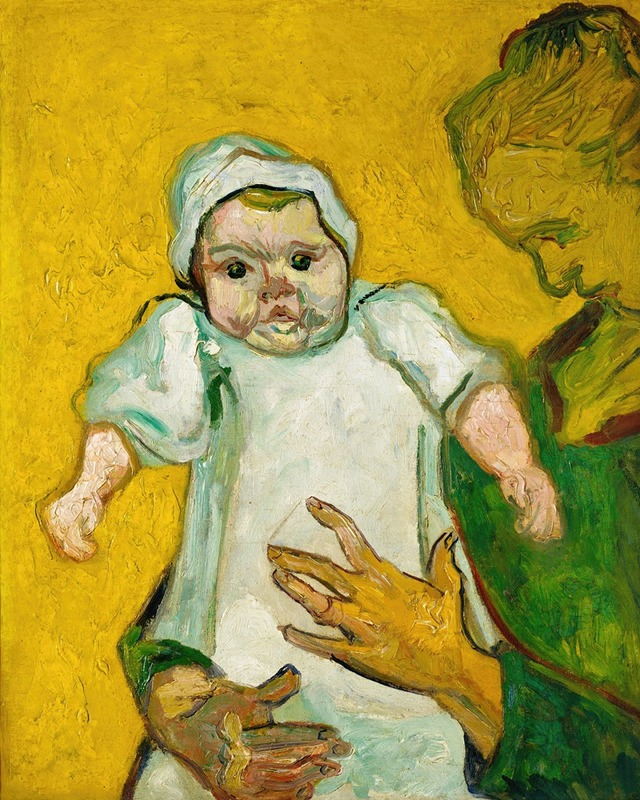
Madame Roulin and Her Baby
Vincent van Gogh
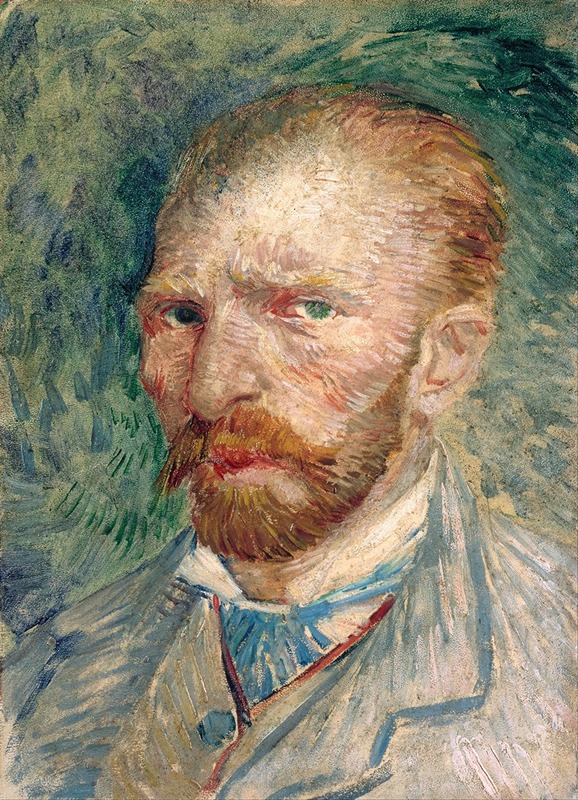
Self-Portrait
Vincent van Gogh