
Peasant Seen from the Back — History & Facts
Is this a mirror — or a memory? A solitary figure stands in quiet contemplation, the weight of the world resting heavily upon their shoulders. The viewer is invited to ponder the depths of loneliness through the peasant's unadorned silhouette, a striking reminder of the human experience. Look to the left at the figure, clad in a simple, dark cloak, their back turned to us. The muted earth tones echo the rugged landscape, allowing the viewer to feel both the isolation and connection to the land they inhabit.
Notice how the light subtly highlights the contours of the peasant’s garment, creating a stark contrast against the dim background. This deliberate choice of color and composition draws the viewer’s gaze toward the figure’s posture, hinting at a narrative steeped in introspection. The absence of the peasant's facial expression becomes a powerful element of the painting, inviting speculation about their thoughts and feelings. The scenery behind them is intentionally blurred, perhaps suggesting that the past is fading while the present remains heavy with unspoken burdens.
This juxtaposition between the figure and their surroundings evokes a sense of yearning, revealing the silent struggle of an individual lost in the vastness of existence. Created between 1640 and 1652, the work emerges from a period when Roelant Roghman was navigating the complexities of Dutch art, reflecting a shift toward more personal themes in landscape painting. Working in Amsterdam during a time of both prosperity and societal upheaval, he captured the essence of loneliness amidst the bustling life around him, a poignant commentary on the human condition that remains relevant today.
More Artworks by Roelant Roghman
Browse all →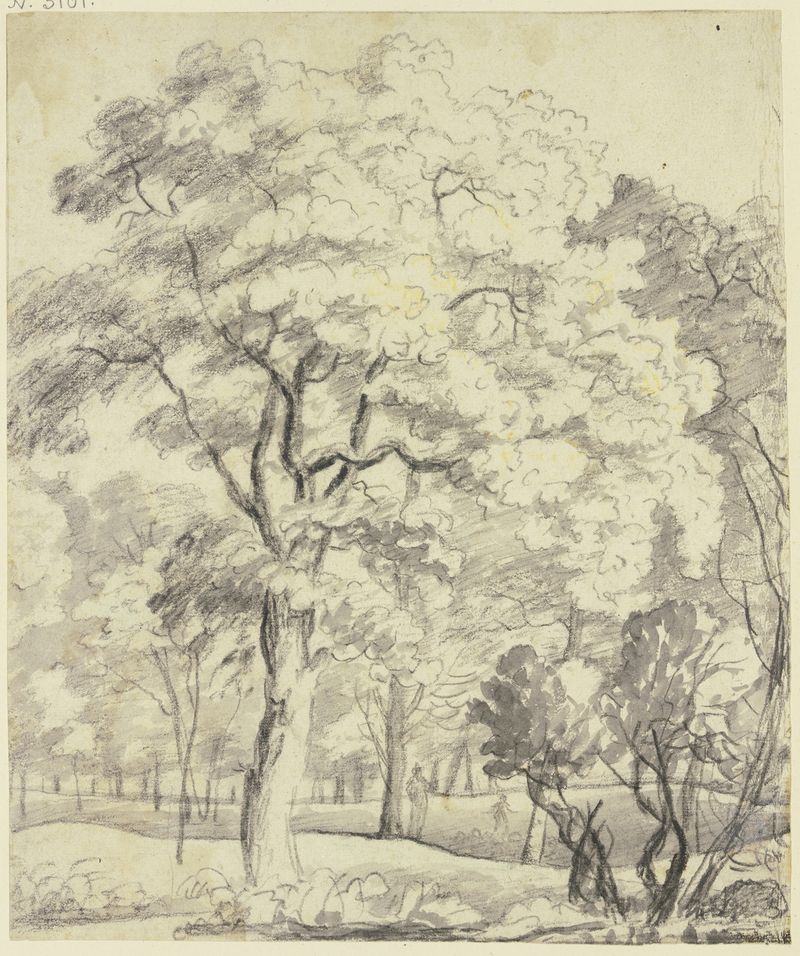
Waldpartie mit zwei Figuren
Roelant Roghman
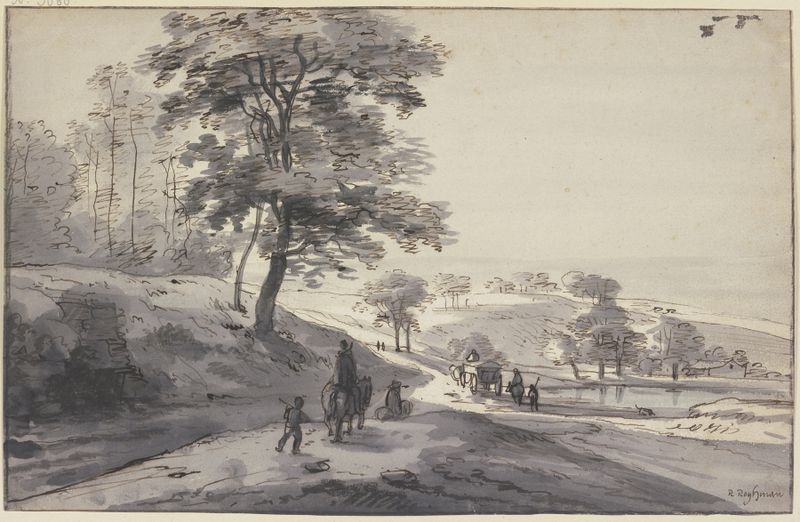
An einem Wasser vorbei über einen Hügel zieht sich ein mit einem Wagen, Reitern und Fußgängern belebter Weg
Roelant Roghman
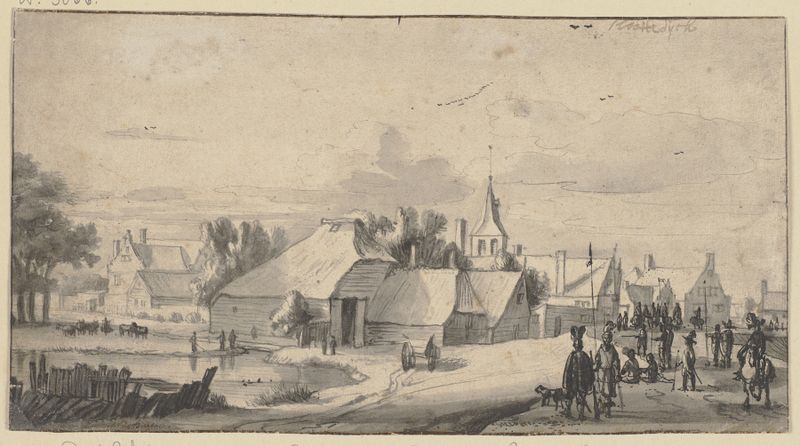
Das Dorf Sloterdyk zur Zeit des Durchzuges der Truppen des Prinzen Wilhelm II von Oranien im Jahre 1650
Roelant Roghman

Landschap met een reiswagen voor een boerderij
Roelant Roghman

The Ruin of Huis ‘t Sant at Katwijk aan Zee
Roelant Roghman
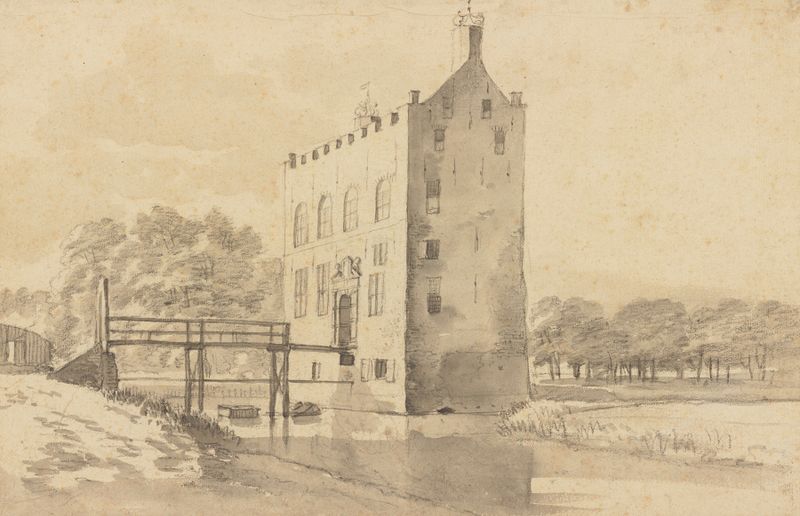
The Castle Giessenburg, near Gorinchem
Roelant Roghman
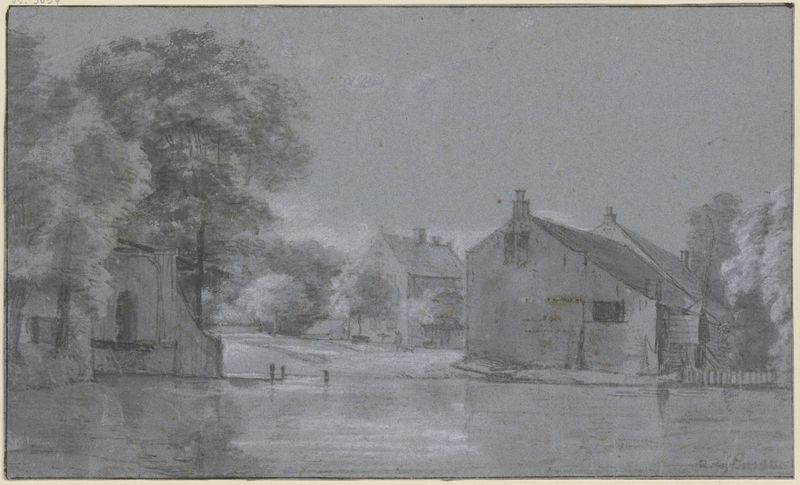
Ein Dorf mit Baumgruppen an einem Fluss
Roelant Roghman
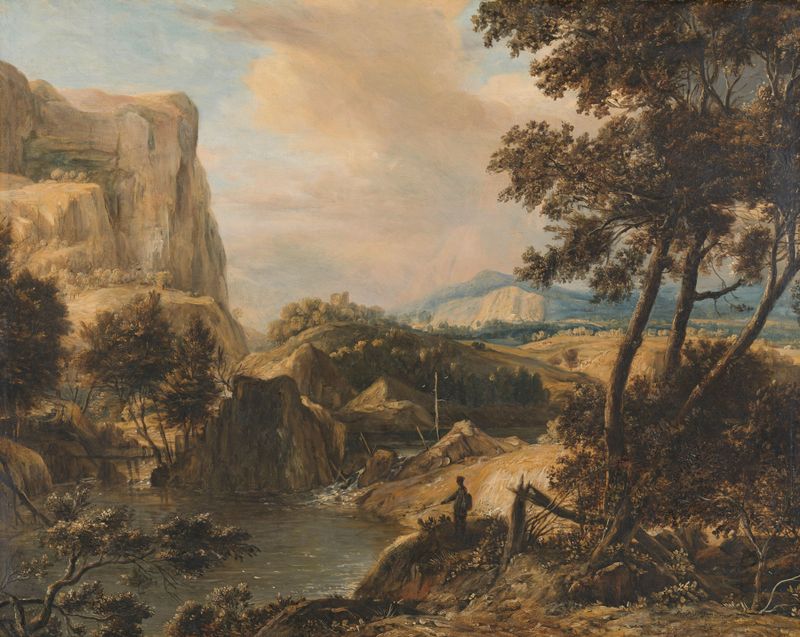
Mountainous landscape with fisherman
Roelant Roghman

Waldlandschaft mit Wasserfall
Roelant Roghman
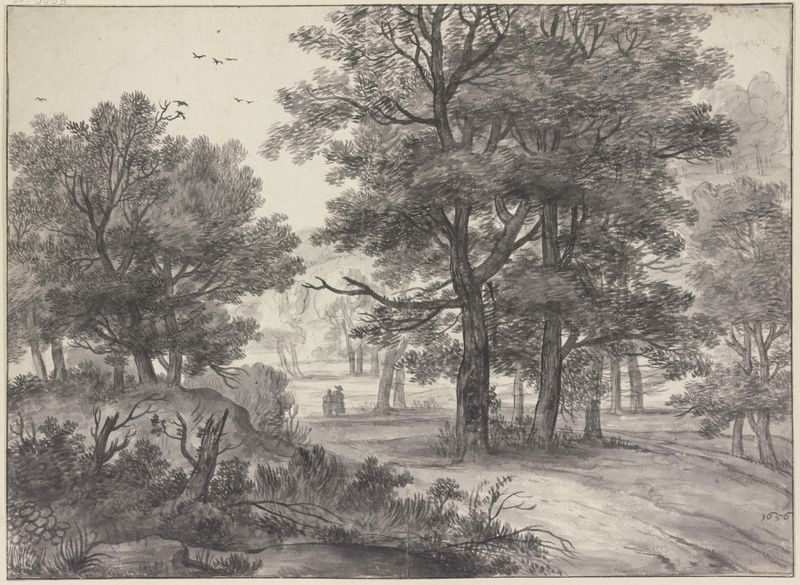
Waldpartie, auf dem Weg zwei Figuren, links oben mehrere Raben
Roelant Roghman





