Discover insights about this artwork
Peasant Woman Binding Sheaves (After Millet) — History & Facts
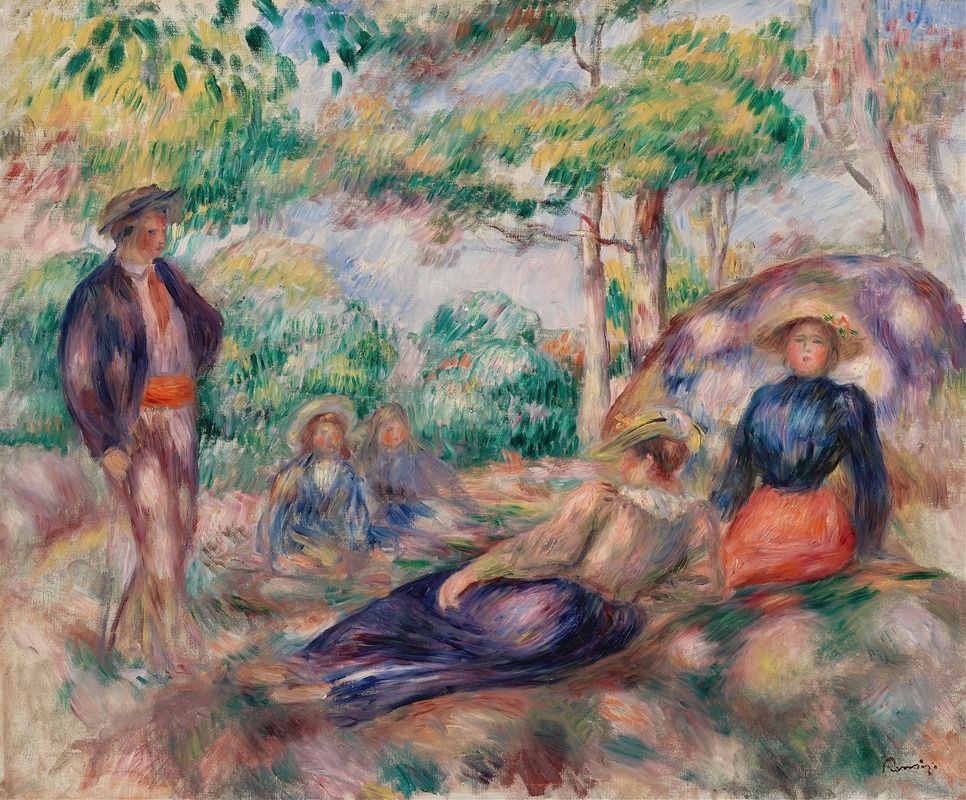
In Peasant Woman Binding Sheaves (After Millet), Vincent van Gogh depicts a rural scene filled with vibrant colors. The central figure, a peasant woman, is shown binding sheaves of wheat, embodying the hard work of agricultural life. Surrounding her is a golden field under a bright blue sky, creating a warm and inviting atmosphere.
The brushwork is dynamic, giving a sense of movement and energy to the scene. This painting is characterized by Van Gogh's signature use of color and expressive brushwork. The bold yellows and greens contrast with the deep blues of the sky, creating a lively composition. The texture of the paint is thick and impasto, which adds depth and dimension to the figures and landscape.
Viewers can appreciate the detail in the woman's clothing and the sheaves of wheat, showcasing Van Gogh's attention to everyday life. Peasant Woman Binding Sheaves (After Millet) reflects Van Gogh's admiration for Jean-François Millet, a fellow artist known for his depictions of rural labor. Painted in the 1880s, this work illustrates Van Gogh's commitment to portraying the dignity of peasant life. Interestingly, Van Gogh created several versions of this theme, emphasizing his fascination with the struggles and beauty of rural existence.
This painting serves as a testament to the artist's deep connection to the land and its people.
More Artworks by Vincent van Gogh
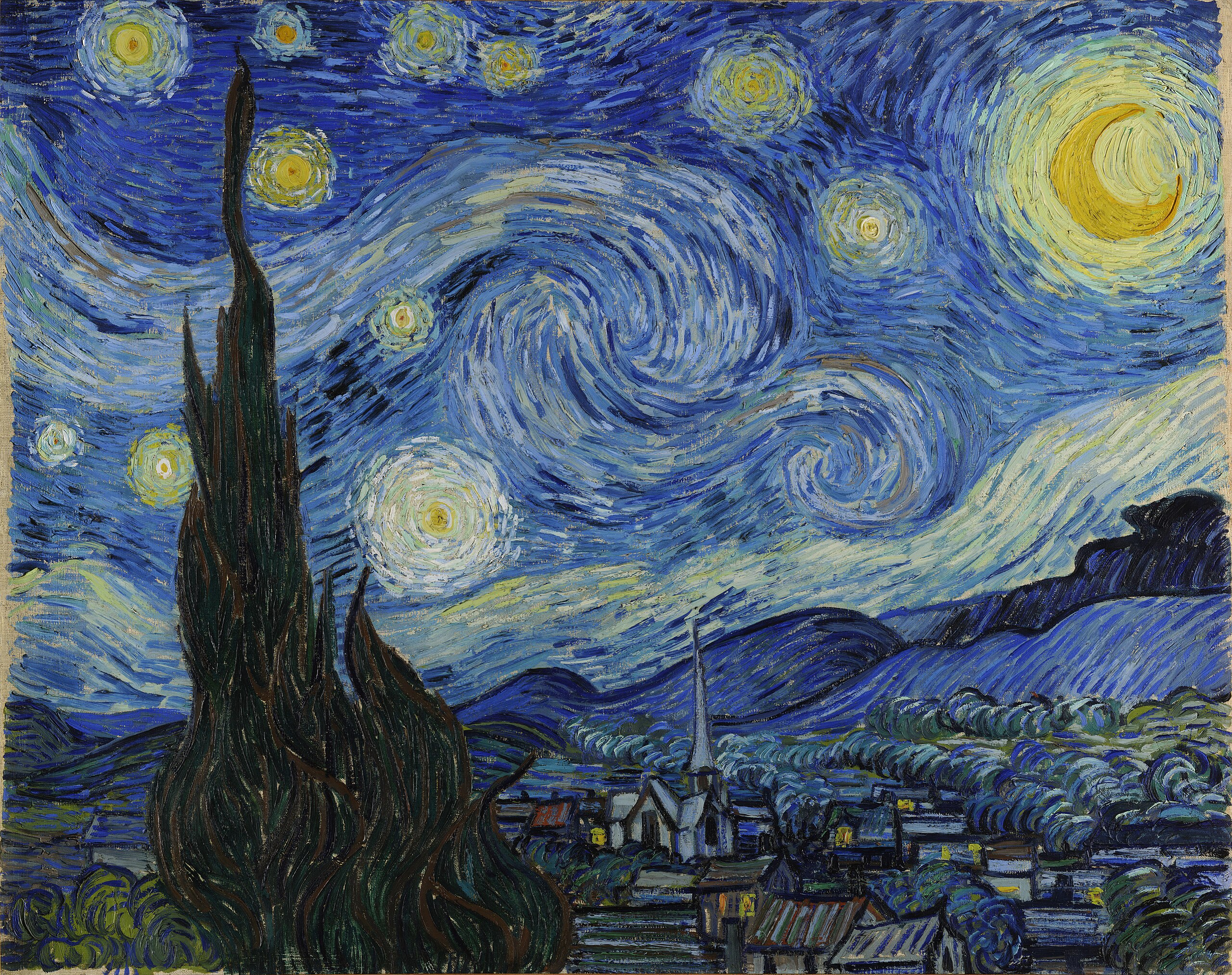
Starry Night
Vincent van Gogh
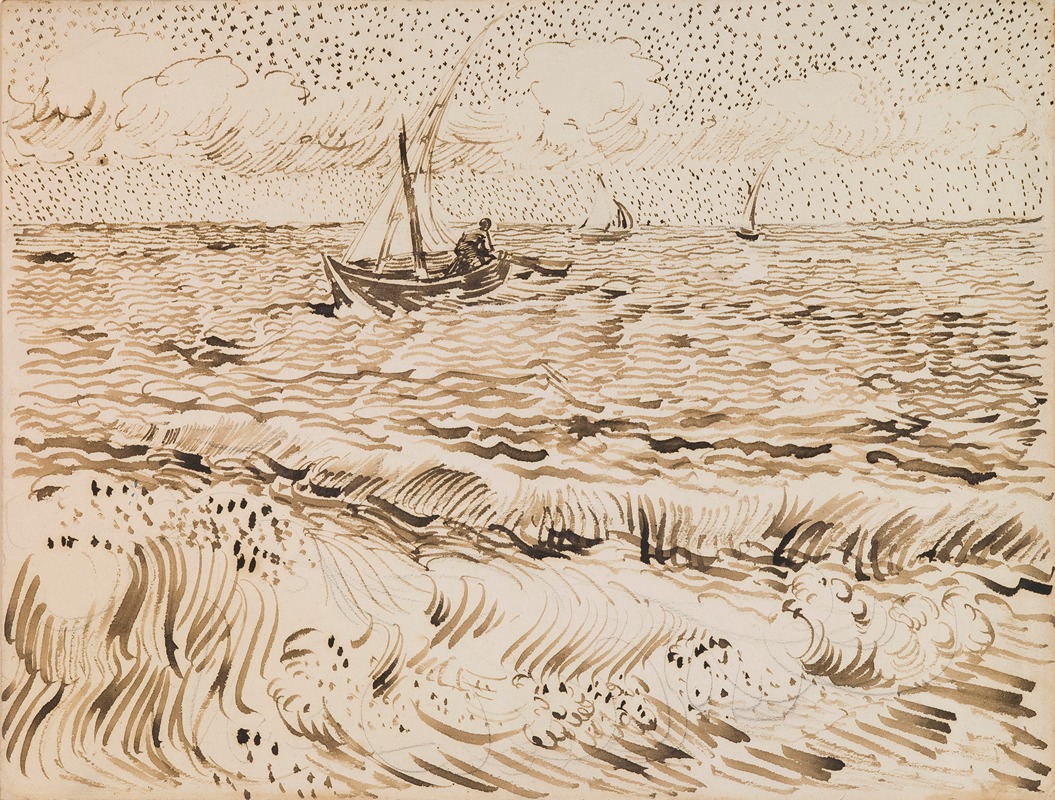
Fishing Boats at Saintes-Maries-de-la-Mer
Vincent van Gogh
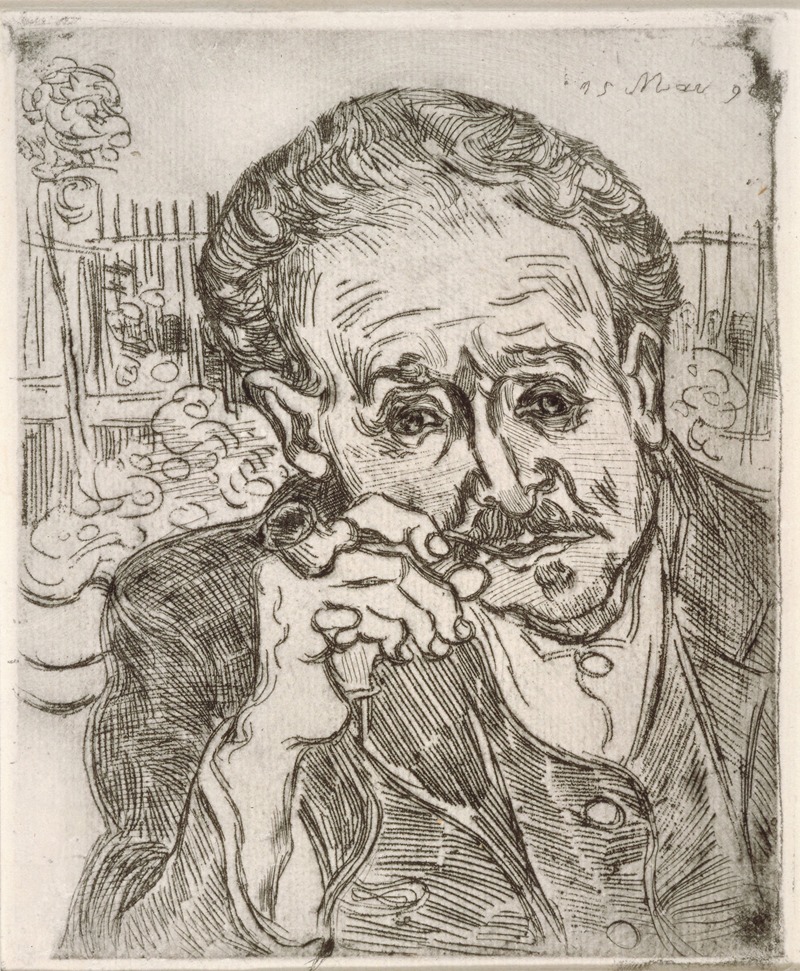
Portrait of Dr. Gachet (Auvers-sur-Oise)
Vincent van Gogh
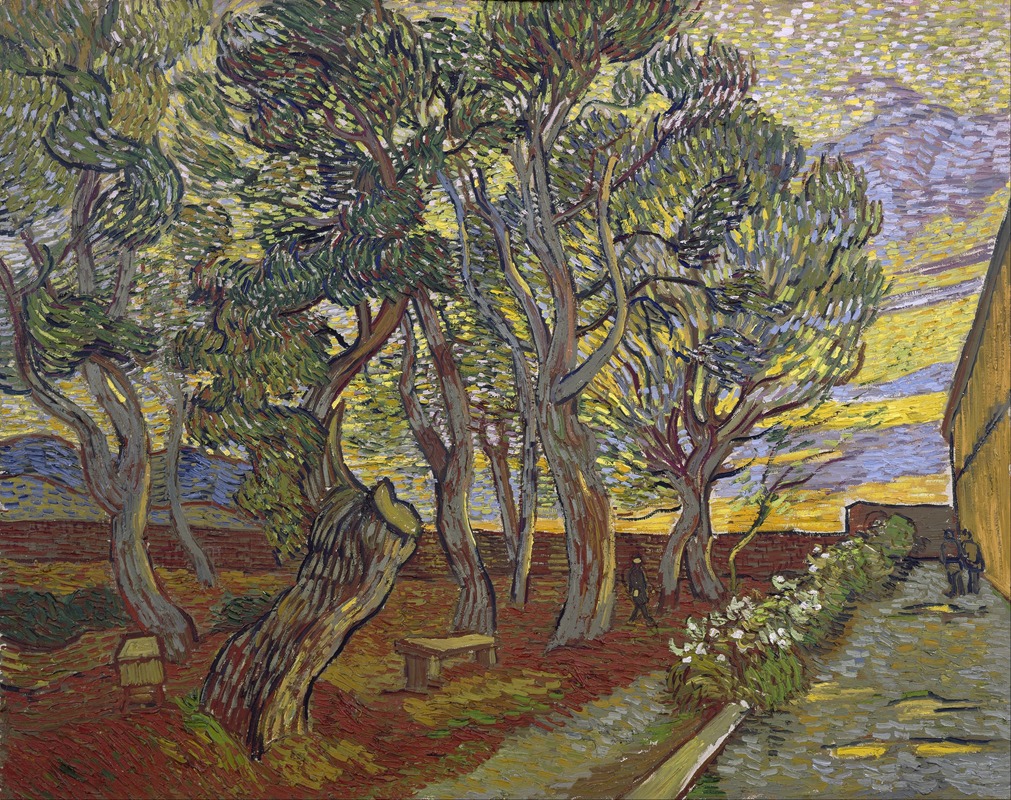
The garden of Saint Paul’s Hospital
Vincent van Gogh
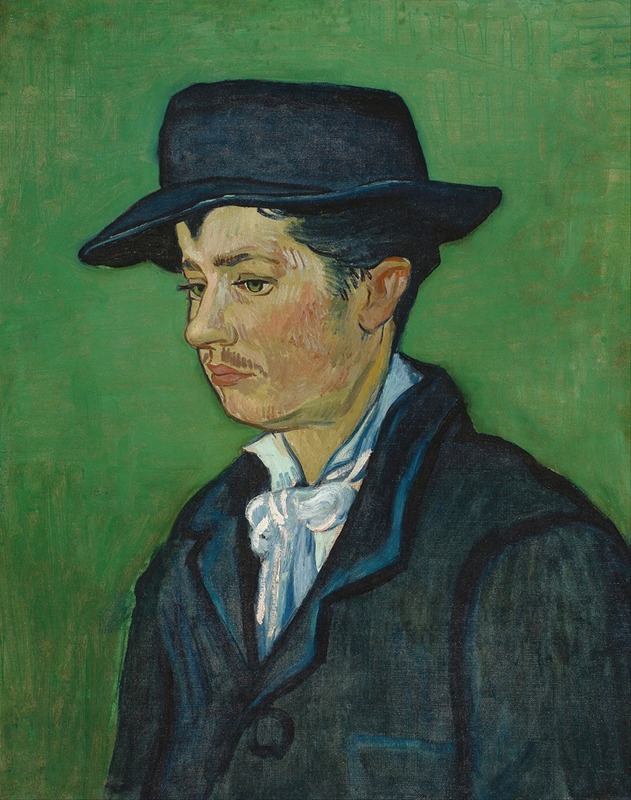
Portrait Of Armand Roulin
Vincent van Gogh
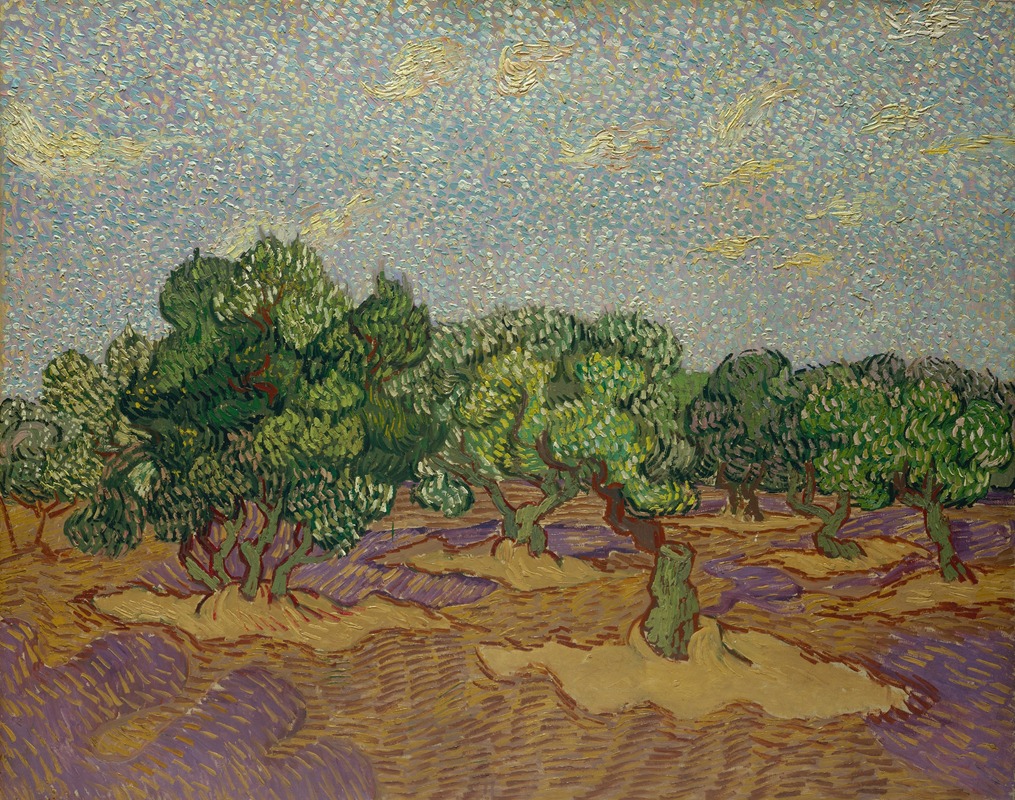
Olive Trees
Vincent van Gogh
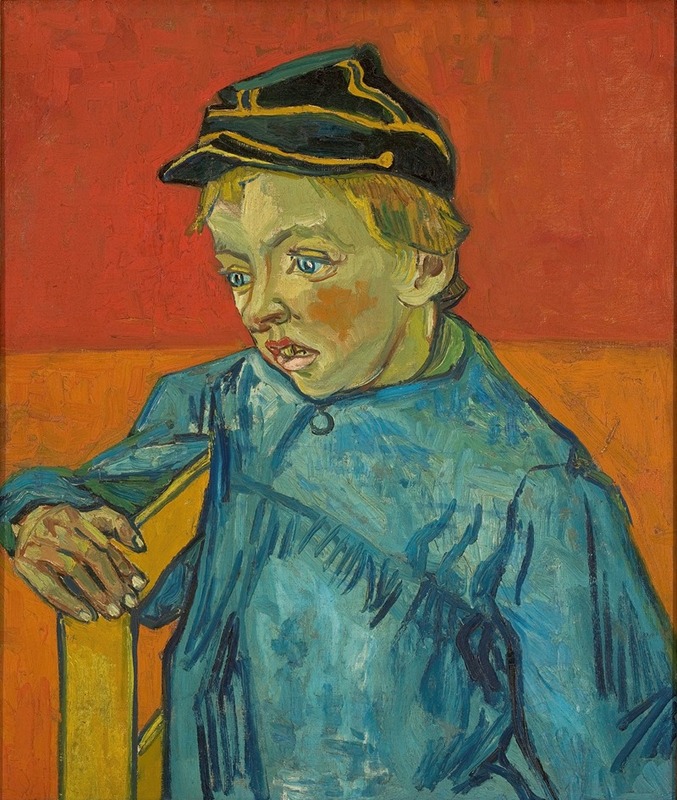
The Schoolboy (Camille Roulin)
Vincent van Gogh
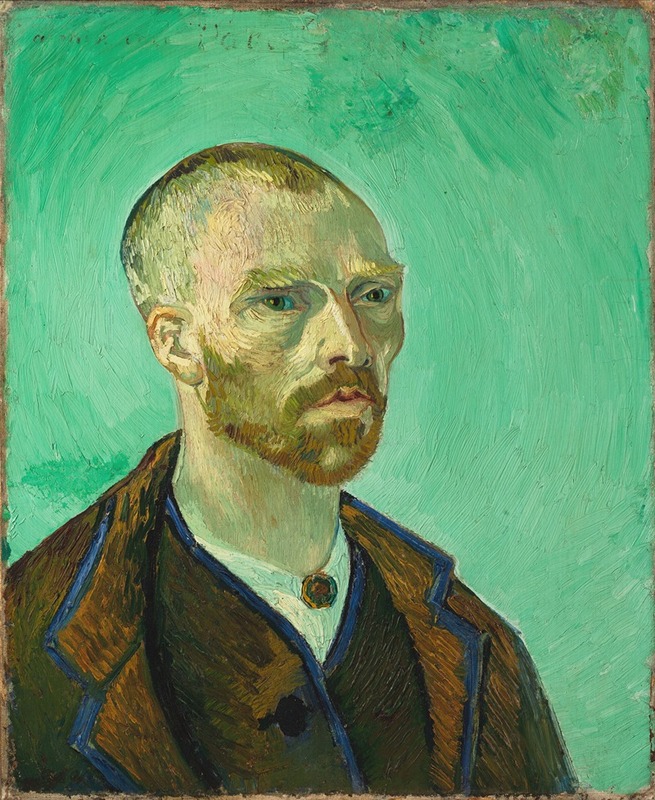
Self Portrait (dedicated to Paul Gauguin)
Vincent van Gogh
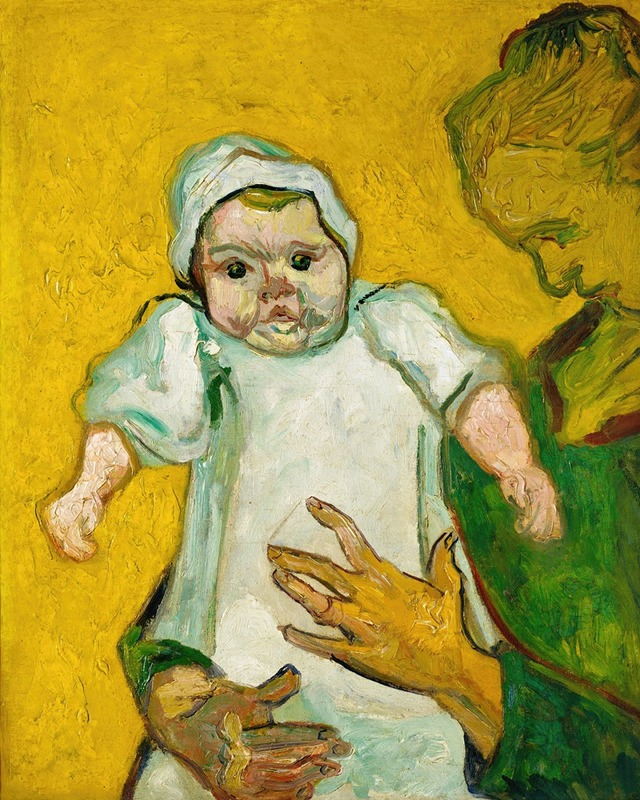
Madame Roulin and Her Baby
Vincent van Gogh
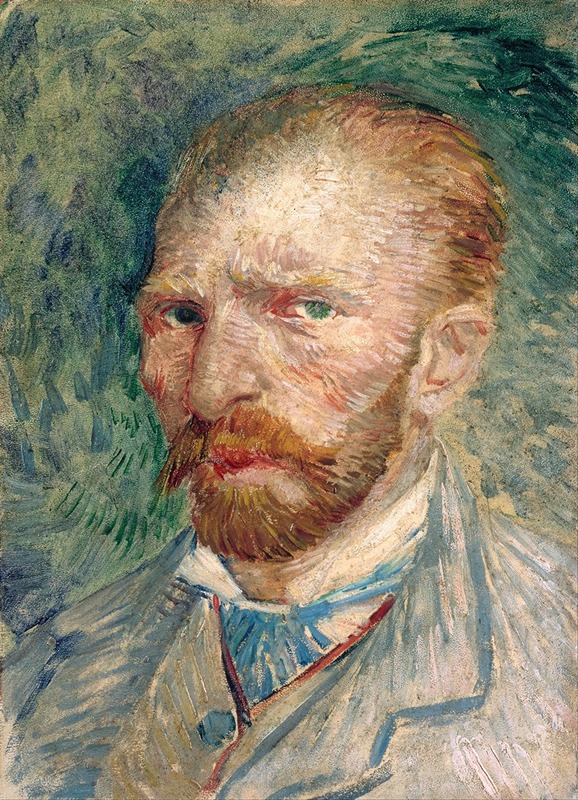
Self-Portrait
Vincent van Gogh