
Peiho River Foraging Party — History & Facts
In Peiho River Foraging Party, the delicate balance between hope and hardship is captured in the vibrant hues and stark realities of the scene. This artwork invites us to reflect on transformation — both of the landscape and the human spirit — in the face of adversity. Look to the center of the composition, where figures gather along the riverbank, their movements both purposeful and tentative. The interplay of light on the water creates a shimmering pathway, leading the eye to the distant horizon.
Notice how the artist uses soft greens and rich browns, grounding the scene in nature while hinting at the struggle for sustenance. The brushwork is fluid, suggesting a fleeting moment in time, capturing a snapshot of life amidst the wilderness. Amidst the camaraderie of the foraging party, a tension simmers beneath the surface. The figures, although united in purpose, carry the weight of uncertainty in their postures.
The lush landscape, while beautiful, suggests the trials of survival and the beauty found in struggle. Elements like the darkening clouds loom in the background, a reminder of the unpredictable forces of nature that shape human endeavor. Each detail unravels the complexities of the human experience, emphasizing the transformative power of resilience. Created in 1840, the artist captured this moment during a time when exploration and colonial expansion were at their zenith.
As a British naval officer, Rundle's experiences in China influenced his perspective, blending artistic expression with a narrative that reflects the era's ethos. This painting stands as a testament to the duality of beauty and hardship, unveiling the profound connections formed in the pursuit of survival.
More Artworks by Lt. Joseph Sparkhall Rundle
Browse all →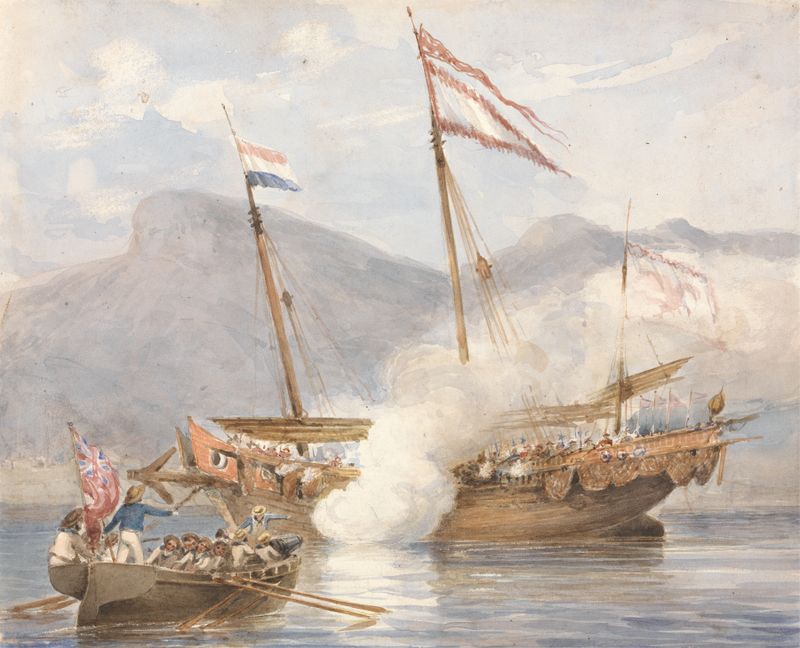
More Historical Art
Browse all →
The Night Watch Militia Company of District II under the Command of Captain Frans Banninck Cocq
Rembrandt van Rijn
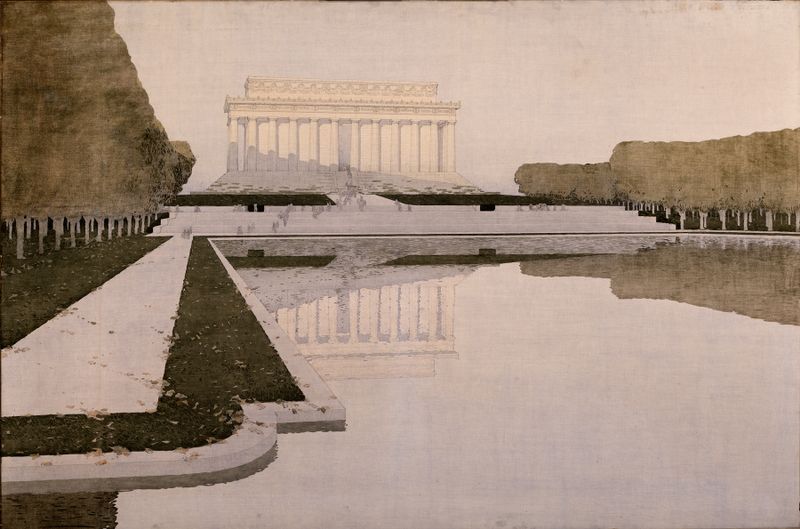
Lincoln Memorial
Henry Bacon
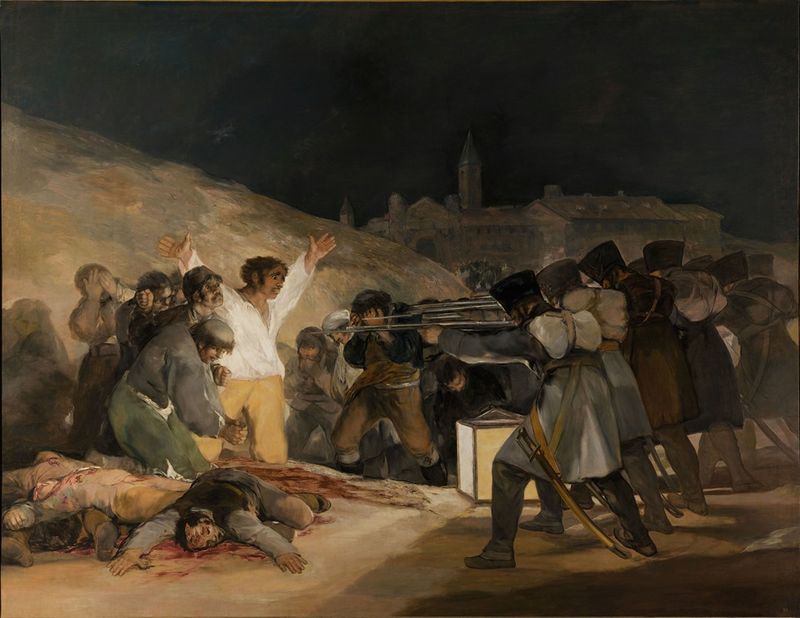
The Third of May 1808
Francisco de Goya

Isaac and Rebecca, Known as ‘The Jewish Bride’
Rembrandt van Rijn
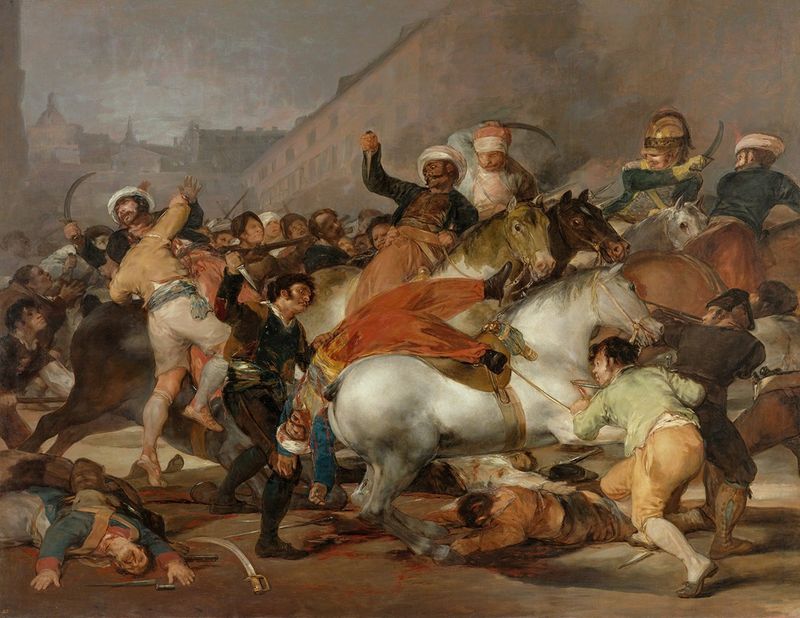
The Charge of the Mamelukes (1814)
Francisco de Goya

De vier ruiters van de apocalyps
Albrecht Dürer