
Peinzende filosoof — History & Facts
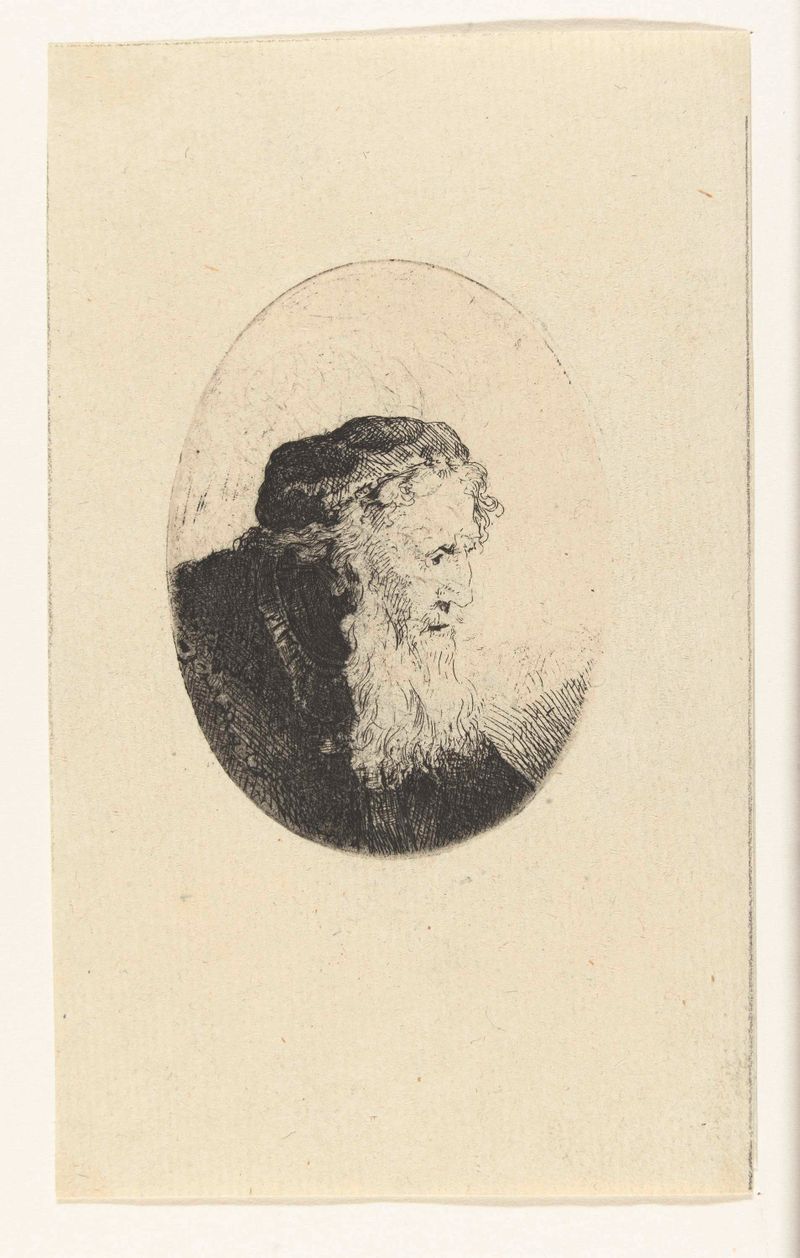
What if beauty was never meant to be finished? In the quiet contemplation of a philosopher, the essence of longing finds its expression, suspended in a moment that invites both thought and feeling. Look closely at the figure in the foreground; the light caresses his face, illuminating the deep lines of wisdom etched by time. Notice how the soft shadows cloak his attire, hinting at the depth of his musings. The rich, earthy tones blend harmoniously with softer highlights, creating a sense of tangible intimacy.
The delicate brushwork serves to enhance the texture of his garments, while the subtle use of chiaroscuro draws our gaze to the thoughtful expression resting upon his brow. Yet, within this serene depiction lies a profound tension. The philosopher seems lost not only in thought but in an unresolved yearning, where the pursuit of knowledge intersects with the shadows of uncertainty. The absence of books or visible symbols of academia heightens this thirst for understanding, suggesting that wisdom is not solely acquired through study but through the lived experience of longing itself.
This emotional undercurrent resonates powerfully, weaving a connection between the viewer and the silent monologue of the subject. In 1653, Ferdinand Bol, a prominent figure in the Dutch Golden Age, painted this work during a time when the art world was shifting under the influence of Rembrandt's legacy. Bol was exploring his own voice, blending realism with a deep psychological insight, striving to capture moments of introspection that echo the broader human experience. As he honed his craft, Peinzende filosoof emerged as not only a portrait but a contemplative dialogue about the pursuit of truth in an ever-complex world.
More Artworks by Ferdinand Bol
Browse all →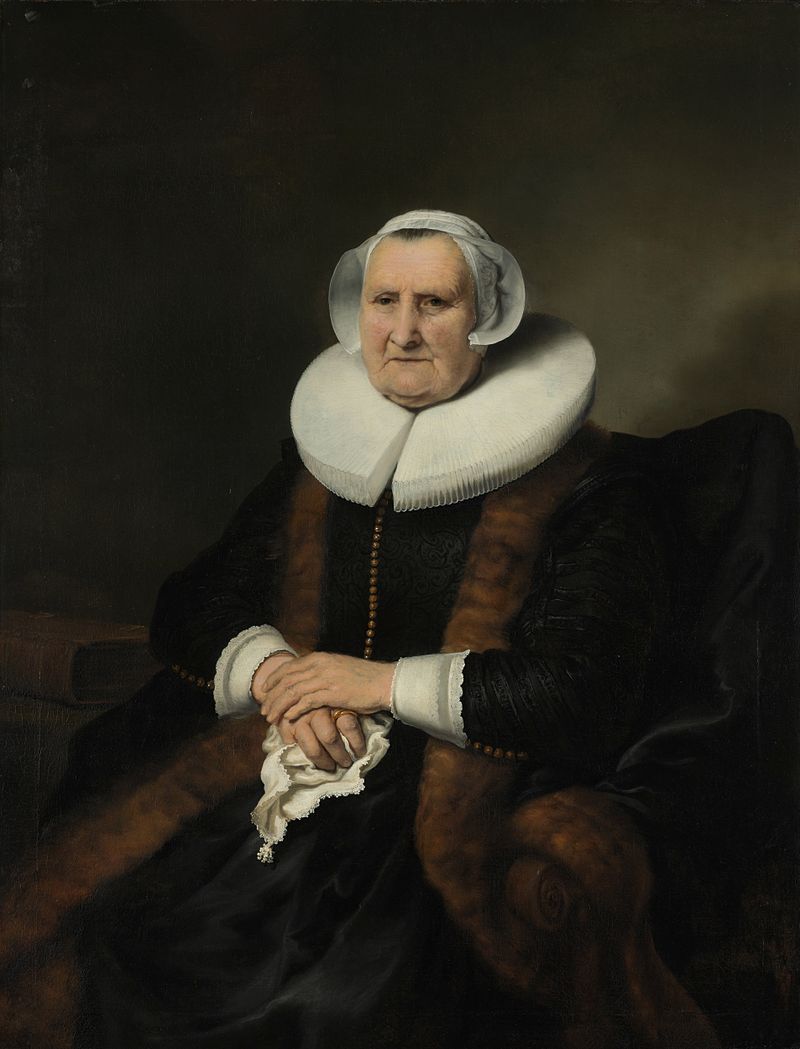
Portrait of an Old Lady, possibly Elisabeth Bas
Ferdinand Bol
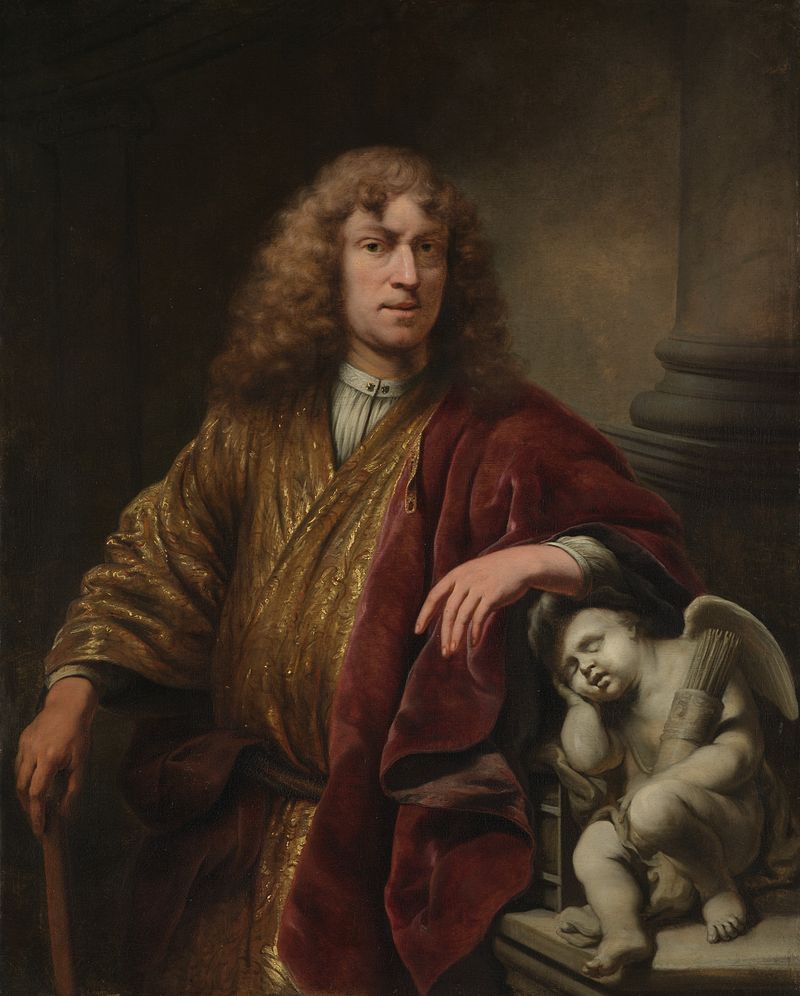
Self-Portrait
Ferdinand Bol

Portrait of Roelof Meulenaer
Ferdinand Bol
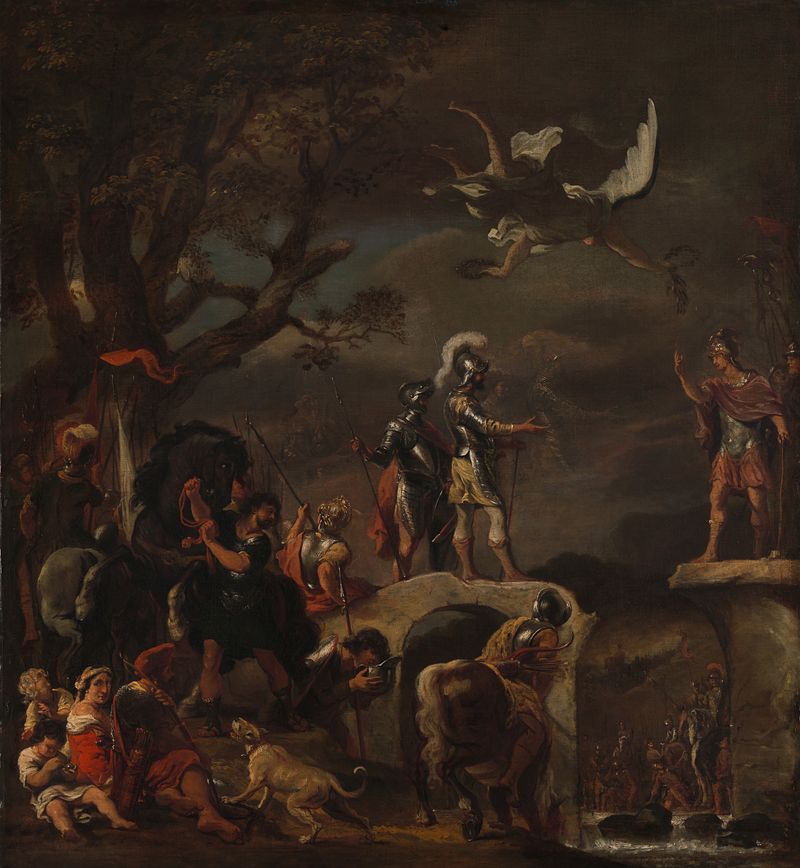
The Peace Negotiations between Claudius Civilis and Quintus Petillius Cerealis on the Demolished Bridge.
Ferdinand Bol
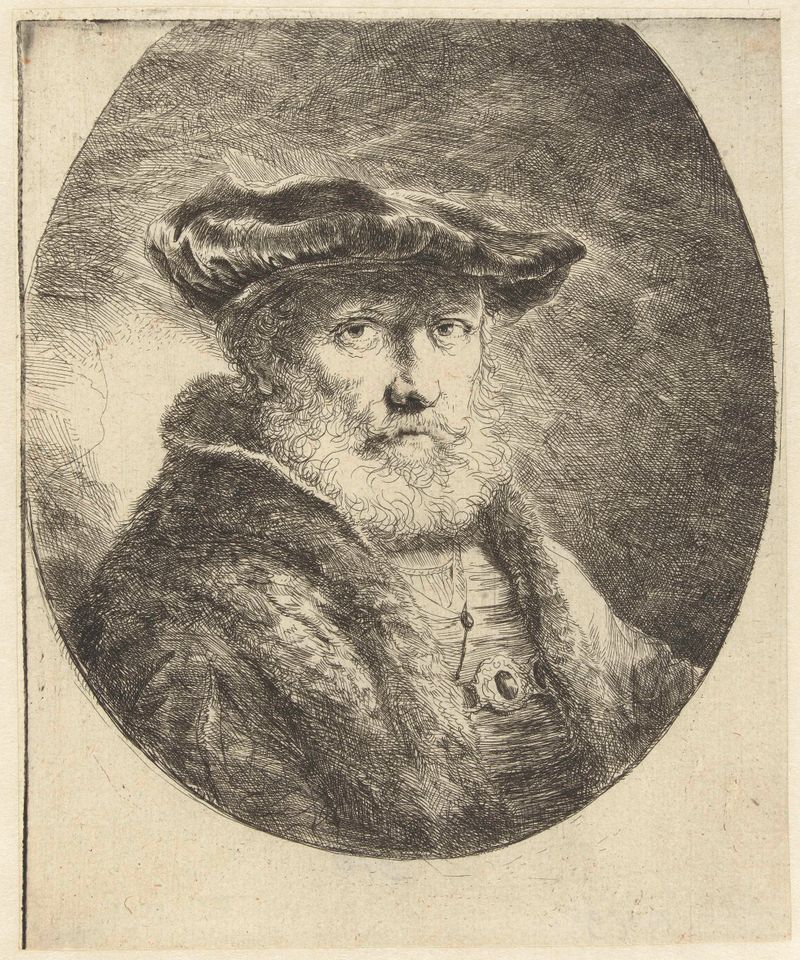
Buste van een oude man met fluwelen baret
Ferdinand Bol

Zelfportret
Ferdinand Bol
Oude man met baard
Ferdinand Bol

Jozef stelt zijn vader aan de Farao voor
Ferdinand Bol

Venus and Adonis
Ferdinand Bol

Filosoof
Ferdinand Bol
More Portrait Art
Browse all →
Las meninas
Diego Velázquez

Self-portrait with a Bandaged Ear and Pipe
Unidentified artist

Girl with a Pearl Earring
Johannes Vermeer

The Sampling Officials of the Amsterdam Drapers’ Guild, Known as ‘The Syndics’
Rembrandt van Rijn

The Hundred Guilder Print: the man seen on the back in the lower left corner
Rembrandt van Rijn

Portrait of Dr Gachet
Vincent van Gogh