
Pelham Bay — History & Facts
Can beauty exist without sorrow? In Pelham Bay, an exquisite balance of nature's calm and the hint of underlying turmoil invites us to ponder this profound question. Focus first on the foreground where a serene bay glimmers under the soft caress of afternoon light. The gentle brush strokes create a shimmering effect on the water, capturing the play of light and shadow. To the left, notice the lush, verdant trees arching gracefully, their reflections distorting slightly in the water—a subtle reminder of nature's impermanence.
The warm hues of orange and gold blend harmoniously with the cooler blues, creating a visual tension that echoes the complex emotions inherent in our connection to the natural world. Delve deeper into the painting's rich contrasts. The vibrant landscape, filled with life, is deceptively tranquil; yet, the looming clouds in the background whisper of an approaching storm. This juxtaposition mirrors the duality of human experience—the beauty of the moment laced with the inevitability of change.
The viewer is left to grapple with a sense of fleeting joy, prompting introspection about how balance is maintained amidst the chaos of life. Created in 1875, Pelham Bay reflects Henry Farrer's deep engagement with American landscapes during a time of rapid industrial change. Living in New York, he was part of an artistic community that was increasingly aware of the tensions between modernity and nature. The painting serves as a testament to the artist's ability to translate the serene beauty of his surroundings into a compelling narrative that resonates with both hope and melancholy.
More Artworks by Henry Farrer
Browse all →
St. Paul’s Chapel, New York, from ‘Scenes of Old New York’
Henry Farrer

Evening, New York Harbor
Henry Farrer
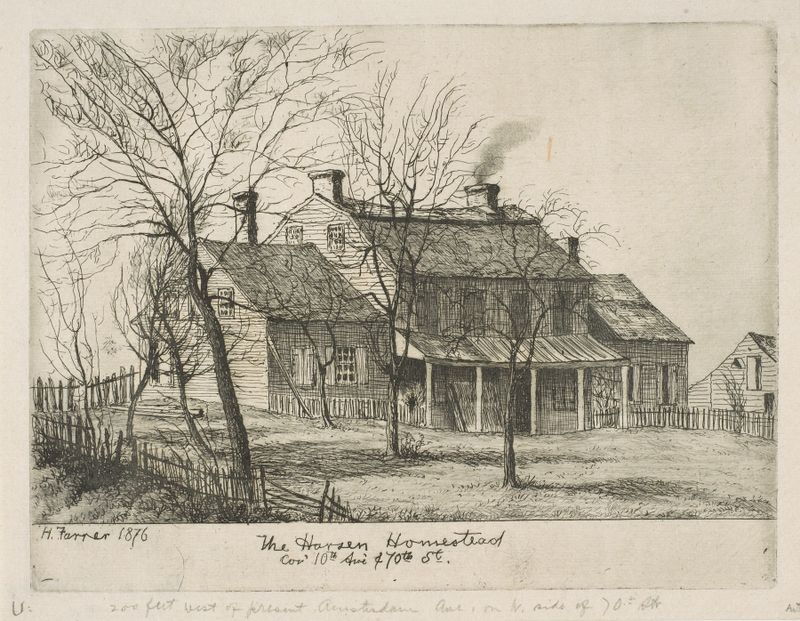
The Harsen Homestead, Corner of 10th Avenue and 70th Street, from ‘Scenes of Old New York’
Henry Farrer

Old House, Corner of Peck Slip and Water Street, from ‘Scenes of Old New York’
Henry Farrer
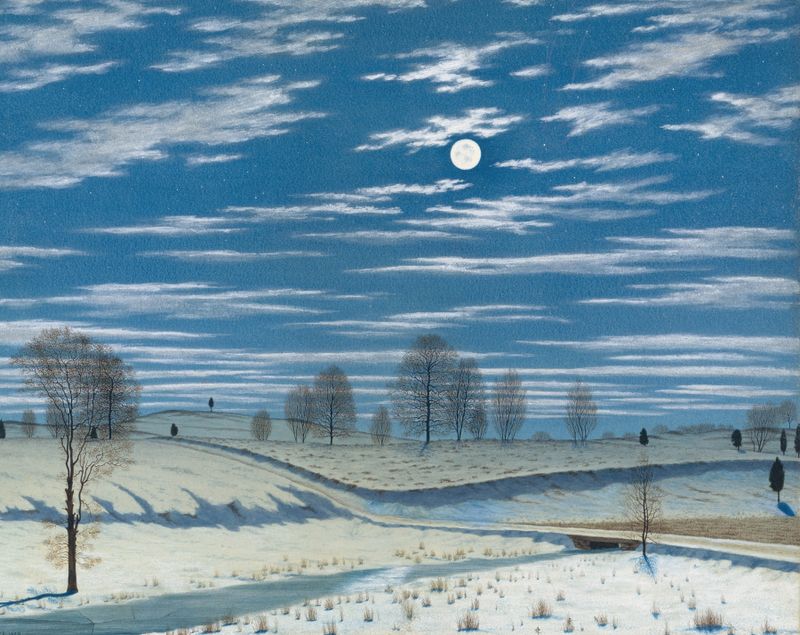
Winter Scene in Moonlight
Henry Farrer

A Powder Magazine in Central Park, from ‘Scenes of Old New York’.
Henry Farrer

The Old Revenue Office, Whitehall, from ‘Scenes of Old New York’
Henry Farrer
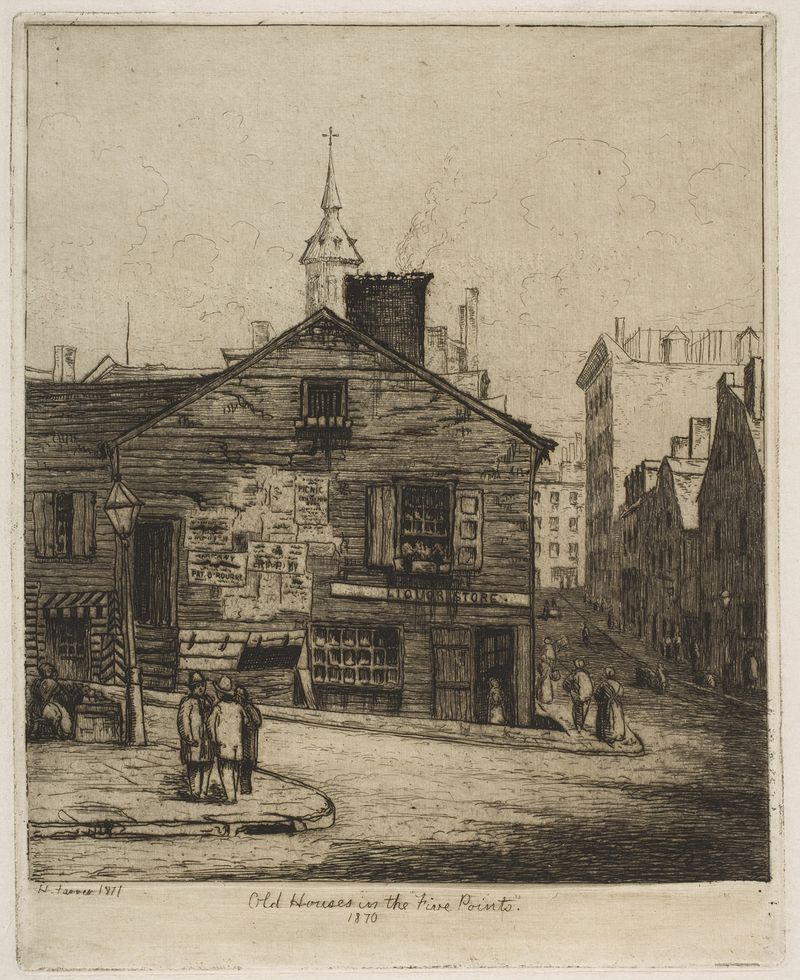
Old Houses in the ‘Five Points’, 1870, from ‘Scenes of Old New York’.
Henry Farrer

City and Sunset
Henry Farrer
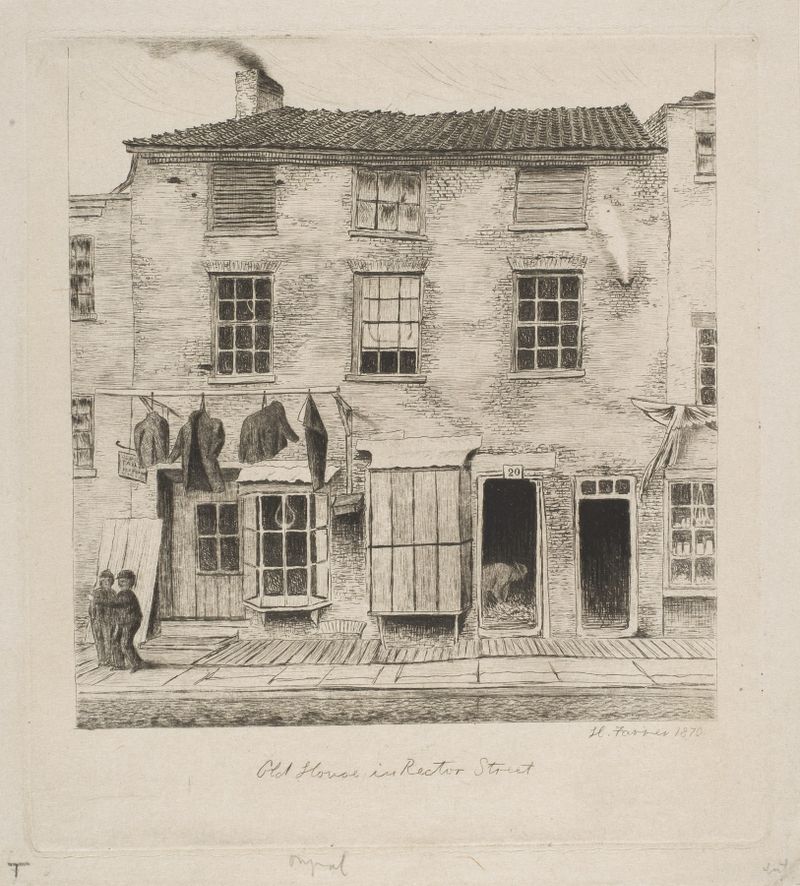
Old House in Rector Street, from ‘Scenes of Old New York’.
Henry Farrer





