Pentre Ddu Bridge, North Wales — History & Facts
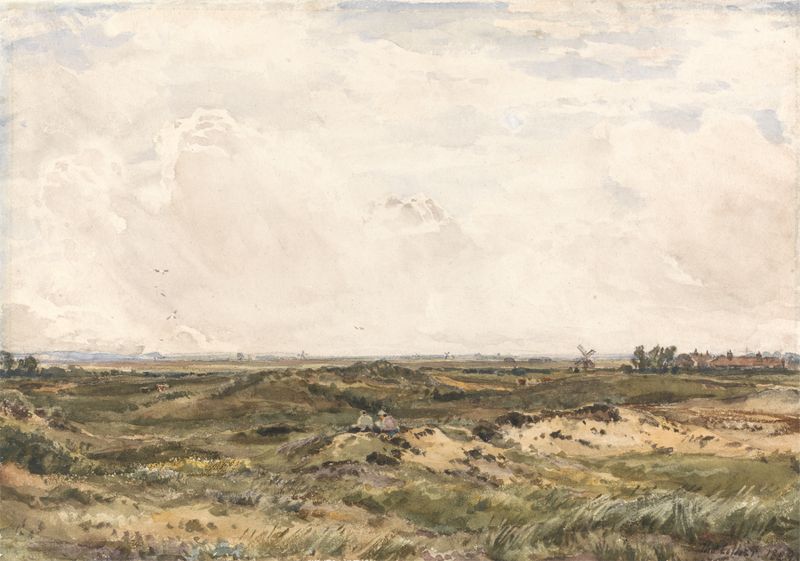
In the stillness captured within the frame, the essence of fragility permeates the air. An unspoken tension lingers between the elements, echoing the delicate balance between nature and human presence. First, take in the serene landscape, where the bridge stretches across a gentle stream. Look to the left at the verdant hills that cradle the scene, their lush greens contrasted against the muted browns of the wooden structure.
Notice how the artist employs soft brush strokes to depict the water, reflecting the surrounding tranquility. The subtle play of light dances upon the surface, inviting the viewer to linger in this intimate moment. Yet, beneath the calm surface lies a deeper narrative. The bridge, while an engineering feat, stands testament to human intervention in an untouched world, evoking questions of permanence and vulnerability.
The wisps of clouds hanging overhead suggest an impending change, hinting at nature's power to reclaim its domain. Here, the contrast between the man-made and the organic creates an emotional resonance, illuminating the fragility of both the bridge and the human experience. In 1863, Thomas Collier painted this scene while immersed in the burgeoning landscape movement in Britain. Living in a time when industrialization was rapidly transforming the countryside, he sought to capture the beauty of the natural world before it was irrevocably altered.
It was a period marked by both admiration for the pastoral and a growing awareness of its vulnerability, shaping the emotive power found in this work.