
Peter and John heal a paralyzed man at the temple gate — History & Facts
In the stillness of the moment, two figures stand at the edge of destiny, their presence brimming with meaning and unspoken truths. The air is thick with anticipation and the weight of hope, as the paralyzed man's gaze seeks solace from the divine, while the crowd around him teeters between skepticism and faith. Look to the center where Rembrandt masterfully captures the energy of the scene. The tightly clustered figures create a stark contrast against the soft light filtering through the opening above, illuminating the faces of Peter and John, whose gestures radiate warmth and compassion.
Notice how the rich, earthy tones of the temple gate ground the composition, enveloping the figures in a sense of gravitas and urgency. The play of light and shadow emphasizes the emotional intensity of the moment, guiding your eyes toward the man whose fate hangs in the balance. Beneath the surface of this powerful tableau lies a complex interplay of faith and skepticism. The paralyzed man's outstretched hand is not just a plea for help; it is a willing embrace of the unknown, symbolizing the fragility of human existence.
The expressions of the onlookers amplify the tension; some gaze with anticipation, while others recoil, exemplifying the duality of belief and doubt that often accompanies acts of healing and transformation in life. In 1659, Rembrandt found himself in a period of personal and financial turmoil. Living in Amsterdam, he was grappling with the loss of his wife and the decline of his artistic reputation. Yet, it was during this tumultuous time that he sought to explore deeper themes of faith and redemption, capturing profound human experiences through his brush.
Peter and John heal a paralyzed man at the temple gate emerges from this significant chapter, reflecting both the artist's struggles and his unwavering commitment to depict the essence of the human soul.
More Artworks by Rembrandt van Rijn
Browse all →
The Night Watch Militia Company of District II under the Command of Captain Frans Banninck Cocq
Rembrandt van Rijn

The Return of the Prodigal Son
Rembrandt van Rijn

The Hundred Guilder Print: the figures leaning on the wall in the centre left
Rembrandt van Rijn

The Hundred Guilder Print: the central piece with Christ preaching, the plate arched
Rembrandt van Rijn

Isaac and Rebecca, Known as ‘The Jewish Bride’
Rembrandt van Rijn
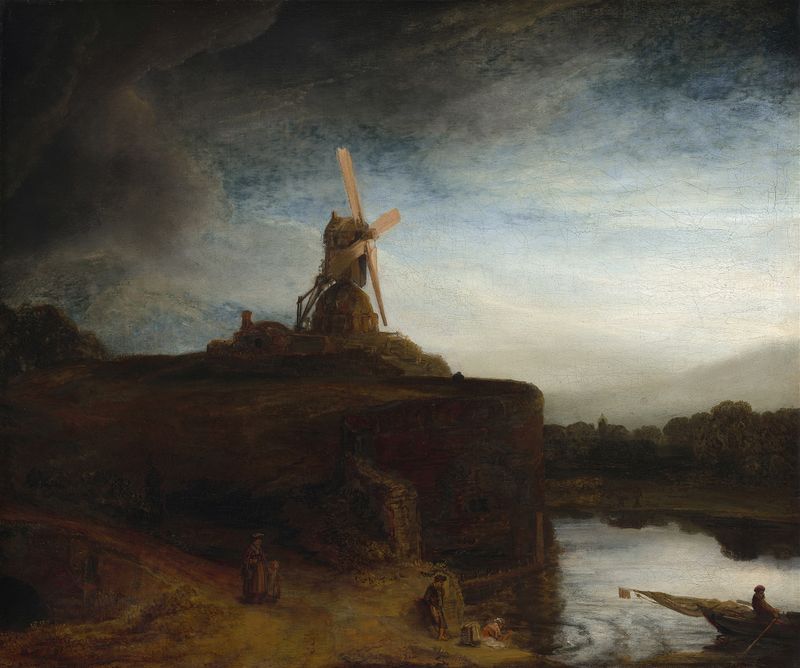
The Mill
Rembrandt van Rijn

The Sampling Officials of the Amsterdam Drapers’ Guild, Known as ‘The Syndics’
Rembrandt van Rijn

The return of the prodigal son
Rembrandt van Rijn
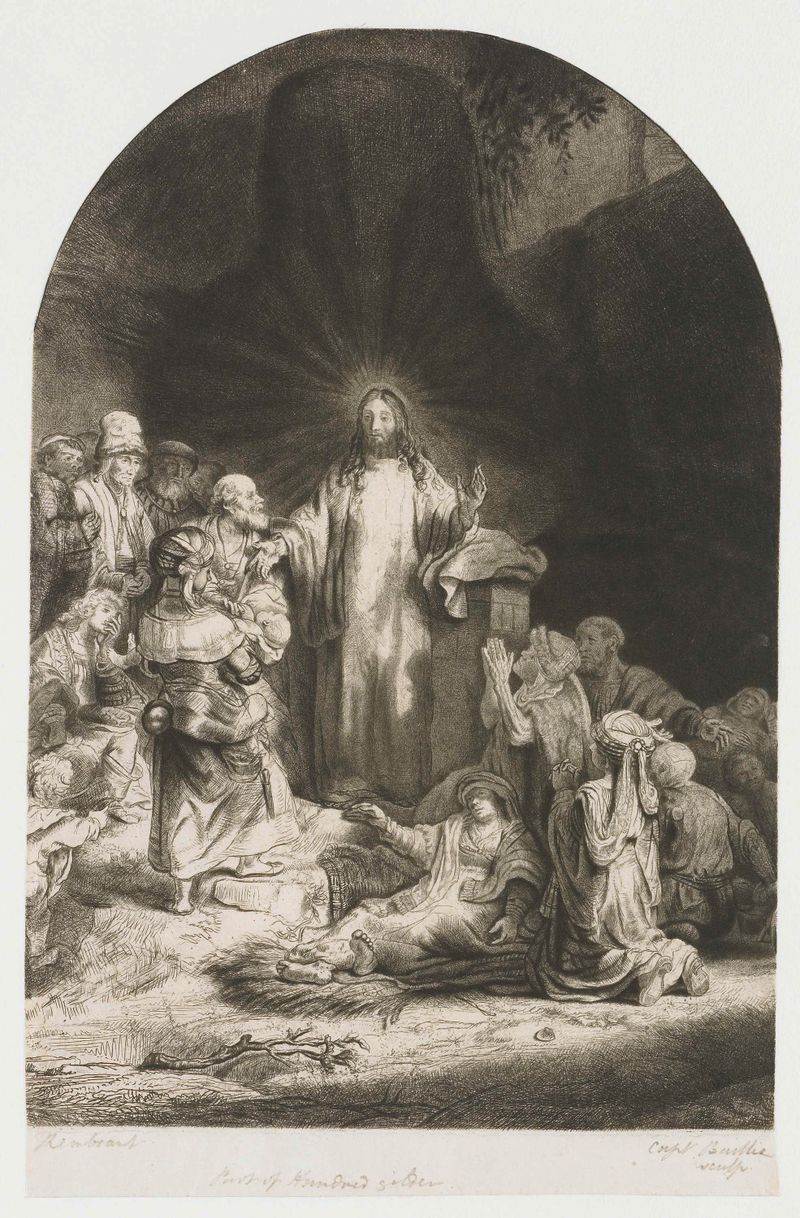
The Hundred Guilder Print: the central piece with Christ preaching, the plate arched
Rembrandt van Rijn

The Hundred Guilder Print: the man seen on the back in the lower left corner
Rembrandt van Rijn
More Religious Art
Browse all →The Return of the Prodigal Son
Rembrandt van Rijn

The Garden of Earthly Delights
El Bosco

Count Orgaz’ funeral
El Greco
The Hundred Guilder Print: the central piece with Christ preaching, the plate arched
Rembrandt van Rijn

The Descent from the Cross
Rogier van der Weyden
The return of the prodigal son
Rembrandt van Rijn