
Petrus en Johannes genezen een verlamde man bij de tempelpoort — History & Facts
What secret hides in the quiet of the canvas? Beneath the layers of paint lies a poignant dialogue between despair and hope, inviting us to explore the transformative power of faith. Focus on the figures in the center, where Peter and John stand resolute, their postures conveying both authority and compassion. Notice the contrasting light illuminating the faces of the apostles, driving our gaze toward their intense expressions. The subdued palette envelops the scene in a hushed reverence, while the warm golden glow highlights the outstretched hand of the healed man, symbolizing his newfound belief and strength. In the shadows of this moment, a spectrum of emotions unfolds.
The vulnerability of the crippled man is palpable, his body positioned in a desperate plea for connection. The juxtaposition of the apostles’ confident stance against the man’s frailty echoes the transformative nature of faith. This tension between hopelessness and redemption encapsulates the deeper significance of the act depicted — a miracle not merely of the body, but of the spirit, infusing the narrative with an air of divine possibility. Rembrandt completed this profound work in 1659, during a time when he grappled with personal and financial turmoil.
Living in Amsterdam, he was embroiled in the changing tides of the art world, as Baroque styles gave way to new artistic explorations. Yet, through this canvas, he captured not just a biblical miracle, but a universal theme of hope that transcends time and circumstance, reflecting both his struggles and resilience.
More Artworks by Rembrandt van Rijn
Browse all →
The Night Watch Militia Company of District II under the Command of Captain Frans Banninck Cocq
Rembrandt van Rijn

The Return of the Prodigal Son
Rembrandt van Rijn

The Hundred Guilder Print: the figures leaning on the wall in the centre left
Rembrandt van Rijn

The Hundred Guilder Print: the central piece with Christ preaching, the plate arched
Rembrandt van Rijn

Isaac and Rebecca, Known as ‘The Jewish Bride’
Rembrandt van Rijn
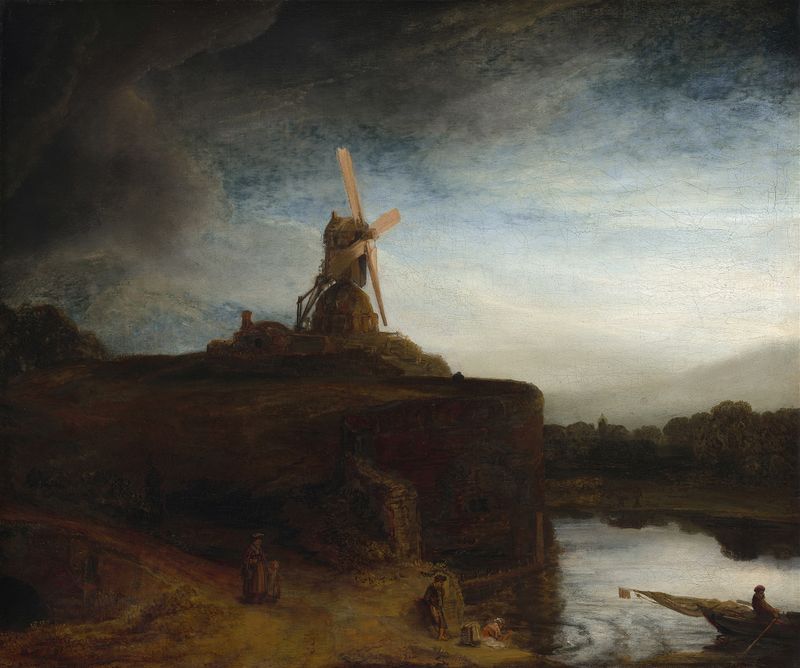
The Mill
Rembrandt van Rijn

The Sampling Officials of the Amsterdam Drapers’ Guild, Known as ‘The Syndics’
Rembrandt van Rijn

The return of the prodigal son
Rembrandt van Rijn
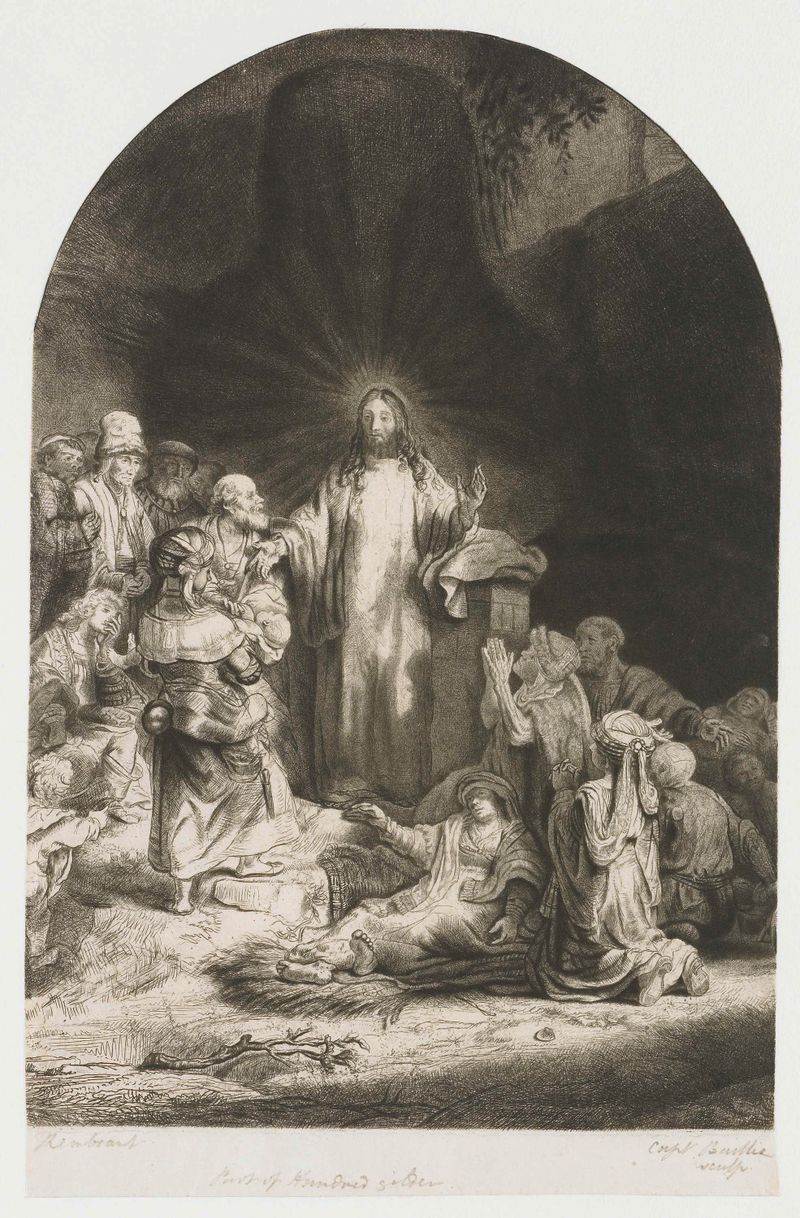
The Hundred Guilder Print: the central piece with Christ preaching, the plate arched
Rembrandt van Rijn

The Hundred Guilder Print: the man seen on the back in the lower left corner
Rembrandt van Rijn
More Religious Art
Browse all →The Return of the Prodigal Son
Rembrandt van Rijn

The Garden of Earthly Delights
El Bosco

Count Orgaz’ funeral
El Greco
The Hundred Guilder Print: the central piece with Christ preaching, the plate arched
Rembrandt van Rijn

The Descent from the Cross
Rogier van der Weyden
The return of the prodigal son
Rembrandt van Rijn