
Petrus en Johannes genezen een verlamde man bij de tempelpoort — History & Facts
Where does light end, and longing begin? In the depths of human experience, the intersection of hope and despair can be strikingly illuminated. Look closely at the central figures, where the warmth of Rembrandt's palette breathes life into the solemn scene. The luminescent glow of the setting sun casts elongated shadows, inviting your gaze to the outstretched hand of the paralyzed man, yearning for connection. Notice how the vibrant reds and golds of the disciples’ garments draw the eye, contrasting sharply with the somber tones of the surroundings.
Every brushstroke seems to echo the weight of promise, a moment suspended in time, palpable in its emotional resonance. In the background, the distant gaze of onlookers reflects a society torn between belief and skepticism, with each character encapsulating a spectrum of reactions—hope, disbelief, and expectation. The dynamic between light and shadow not only highlights the physical act of healing but also symbolizes the inner transformation occurring within the viewer and the figures themselves. The overarching void of the man’s condition is juxtaposed with the vibrant life emanating from his would-be saviors, creating a poignant dialogue on faith and redemption. Rembrandt created this masterpiece in 1659 during a period of personal and artistic evolution.
Living in Amsterdam, he faced financial difficulties while exploring themes of spirituality, empathy, and the human condition. This work reflects both his commitment to capturing the profound depth of human emotion and the shifting tides of the Baroque art world, marking a pivotal moment in his illustrious career.
More Artworks by Rembrandt van Rijn
Browse all →
The Night Watch Militia Company of District II under the Command of Captain Frans Banninck Cocq
Rembrandt van Rijn

The Return of the Prodigal Son
Rembrandt van Rijn

The Hundred Guilder Print: the figures leaning on the wall in the centre left
Rembrandt van Rijn

The Hundred Guilder Print: the central piece with Christ preaching, the plate arched
Rembrandt van Rijn

Isaac and Rebecca, Known as ‘The Jewish Bride’
Rembrandt van Rijn
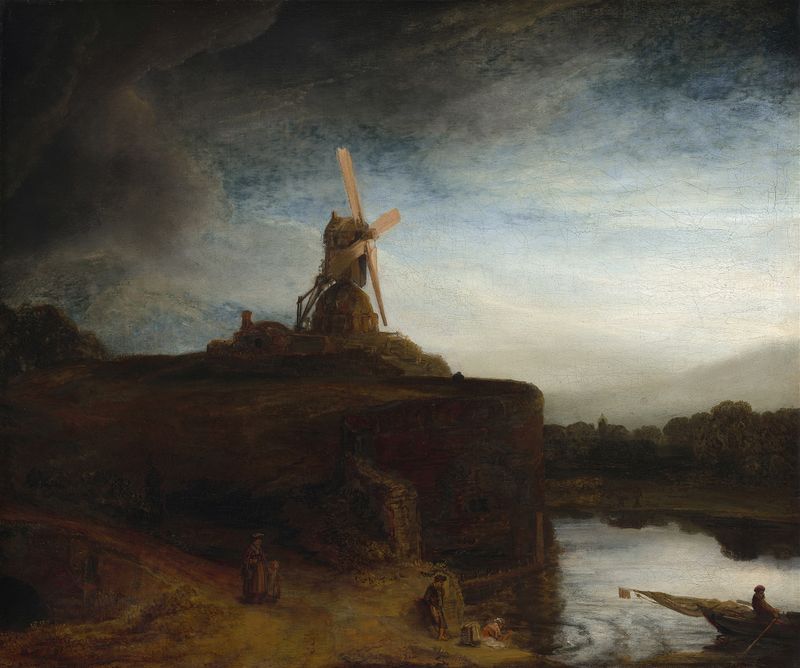
The Mill
Rembrandt van Rijn

The Sampling Officials of the Amsterdam Drapers’ Guild, Known as ‘The Syndics’
Rembrandt van Rijn

The return of the prodigal son
Rembrandt van Rijn
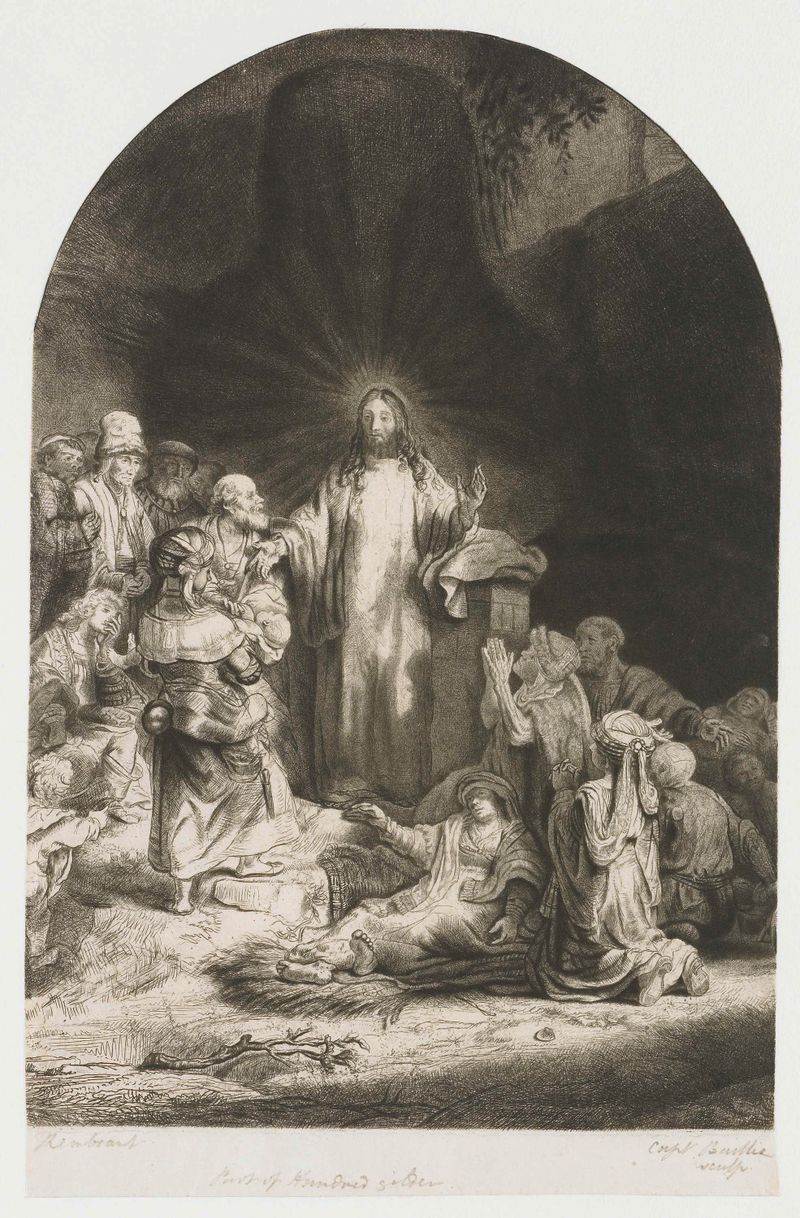
The Hundred Guilder Print: the central piece with Christ preaching, the plate arched
Rembrandt van Rijn

The Hundred Guilder Print: the man seen on the back in the lower left corner
Rembrandt van Rijn
More Religious Art
Browse all →The Return of the Prodigal Son
Rembrandt van Rijn

The Garden of Earthly Delights
El Bosco

Count Orgaz’ funeral
El Greco
The Hundred Guilder Print: the central piece with Christ preaching, the plate arched
Rembrandt van Rijn

The Descent from the Cross
Rogier van der Weyden
The return of the prodigal son
Rembrandt van Rijn