
Petrus en Johannes genezen een verlamde man bij de tempelpoort — History & Facts
What secret hides in the quiet of the canvas? In Petrus en Johannes genezen een verlamde man bij de tempelpoort, a moment of divine intervention is captured, yet it reverberates with an undercurrent of fear and uncertainty. Look closely at the central figures—Petrus and Johannes—positioned prominently, their expressions reflecting both compassion and authority. The light cascades down from the top right, illuminating the outstretched hand of Petrus as he reaches toward the paralyzed man. Notice the subtle interplay of shadow and light that engulfs the scene, highlighting the contours of their garments, painted with rich ochres and deep browns, which contrast against the cool tones of the man's tattered clothing.
This dramatic chiaroscuro not only emphasizes the physical act of healing but also the emotional weight of the moment. Hidden within the scene lies a tension between hope and despair. The body of the man, slumped and vulnerable, speaks of a life spent in longing, while the upward gesture of Petrus suggests both promise and a daunting leap of faith. The onlookers’ varied expressions—some with rapt attention, others shadowed by skepticism—reflect a spectrum of human emotions, from belief to fear of the unknown.
This complexity invites viewers to consider their own responses to the miraculous, raising questions about faith and the human condition. In 1659, amidst a turbulent period in European art and society, Rembrandt navigated a personal and professional crossroads. Living in Amsterdam, he faced financial struggles and shifts in artistic popularity, yet he continued to explore profound themes of redemption and human experience. This painting, part of his later works, embodies his mastery of light and shadow while revealing his unwavering commitment to capturing the intricacies of the human spirit.
More Artworks by Rembrandt van Rijn
Browse all →
The Night Watch Militia Company of District II under the Command of Captain Frans Banninck Cocq
Rembrandt van Rijn

The Return of the Prodigal Son
Rembrandt van Rijn

The Hundred Guilder Print: the figures leaning on the wall in the centre left
Rembrandt van Rijn

The Hundred Guilder Print: the central piece with Christ preaching, the plate arched
Rembrandt van Rijn

Isaac and Rebecca, Known as ‘The Jewish Bride’
Rembrandt van Rijn
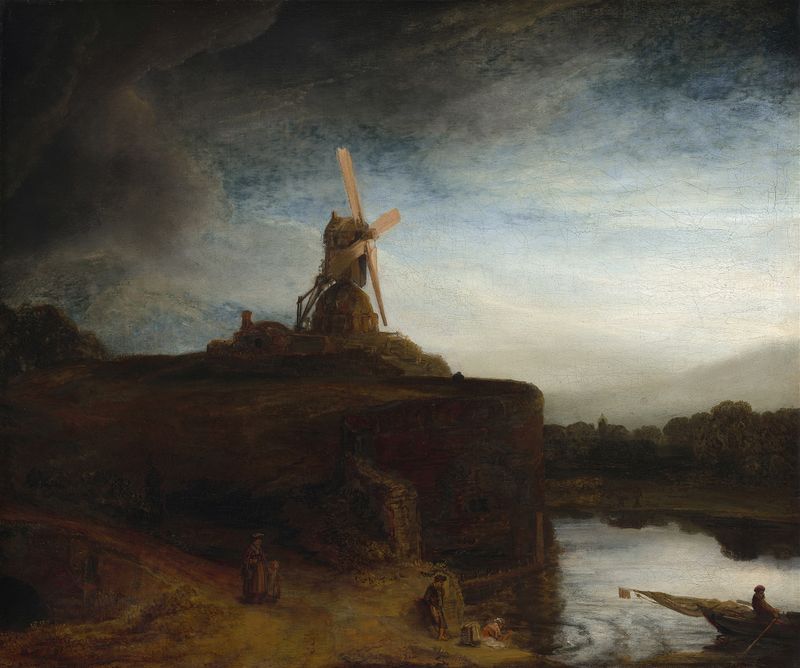
The Mill
Rembrandt van Rijn

The Sampling Officials of the Amsterdam Drapers’ Guild, Known as ‘The Syndics’
Rembrandt van Rijn

The return of the prodigal son
Rembrandt van Rijn
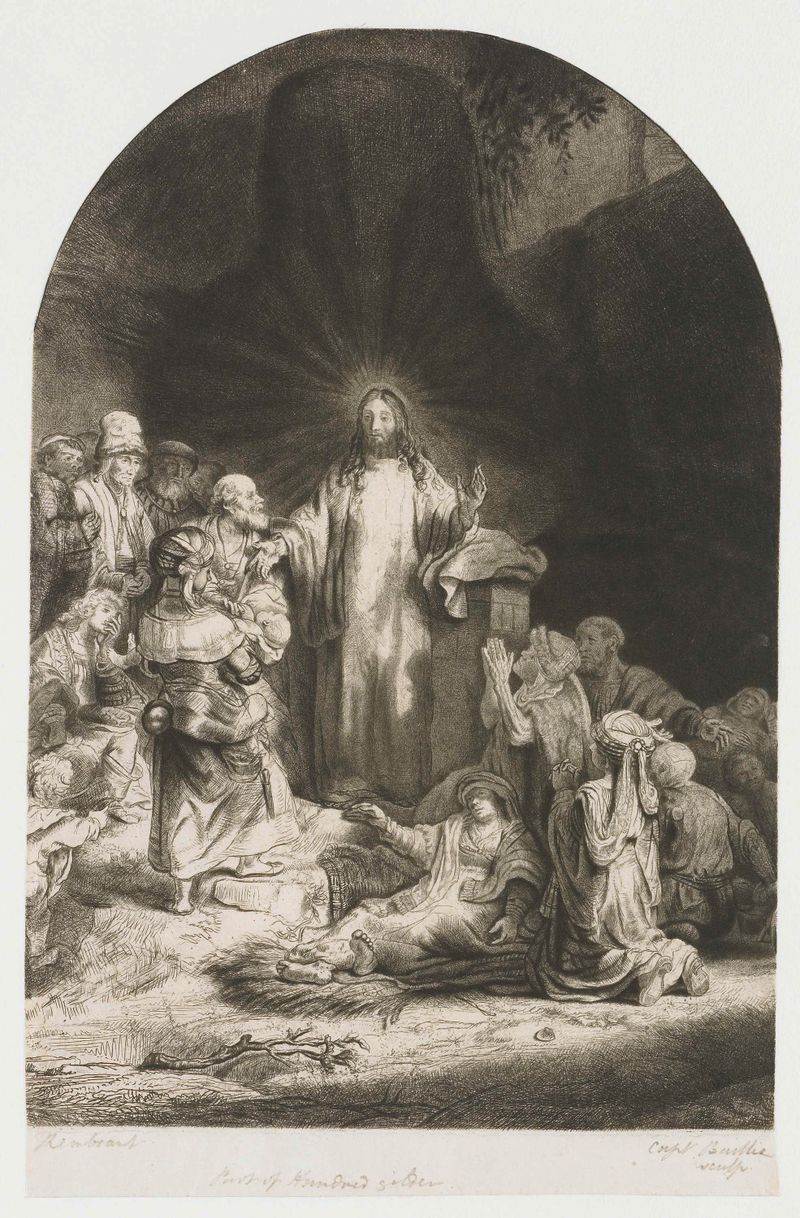
The Hundred Guilder Print: the central piece with Christ preaching, the plate arched
Rembrandt van Rijn

The Hundred Guilder Print: the man seen on the back in the lower left corner
Rembrandt van Rijn
More Religious Art
Browse all →The Return of the Prodigal Son
Rembrandt van Rijn

The Garden of Earthly Delights
El Bosco

Count Orgaz’ funeral
El Greco
The Hundred Guilder Print: the central piece with Christ preaching, the plate arched
Rembrandt van Rijn

The Descent from the Cross
Rogier van der Weyden
The return of the prodigal son
Rembrandt van Rijn