
Pietra di Bismantova — History & Facts
What if silence could speak through light? In Pietra di Bismantova, the artist invites us to confront the profound echo of loss, a sentiment woven intricately into the fabric of this work. Look to the left at the towering stone formation, its rugged edges softened by the golden hues of the setting sun. The interplay of light and shadow dances across the surface, revealing textures that evoke both strength and weariness. Notice how the foreground hints at the remnants of a path, leading the viewer’s gaze toward the distant horizon, a symbol of journeys once undertaken and the inevitable passage of time. Within this landscape, the viewer can sense the weight of absence, as the vibrant colors contrast sharply with the somber tones of the sky.
The solitude of the mountain suggests a quiet resilience, yet the fading light hints at an impending darkness. This duality captures the tension between permanence and transience, reflecting the emotional landscape of loss that resonates deeply within the viewer. Hermann Lismann created this piece during a period marked by personal and artistic exploration, though exact details of its creation remain undated. Working in an era filled with shifts in artistic expression, he sought to balance realism with a more emotional, atmospheric approach.
The world was transitioning into modernism, and amid this evolution, Lismann found inspiration in the quiet strength of nature, translating his inner reflections into a landscape that speaks volumes in its stillness.
More Artworks by Hermann Lismann
Browse all →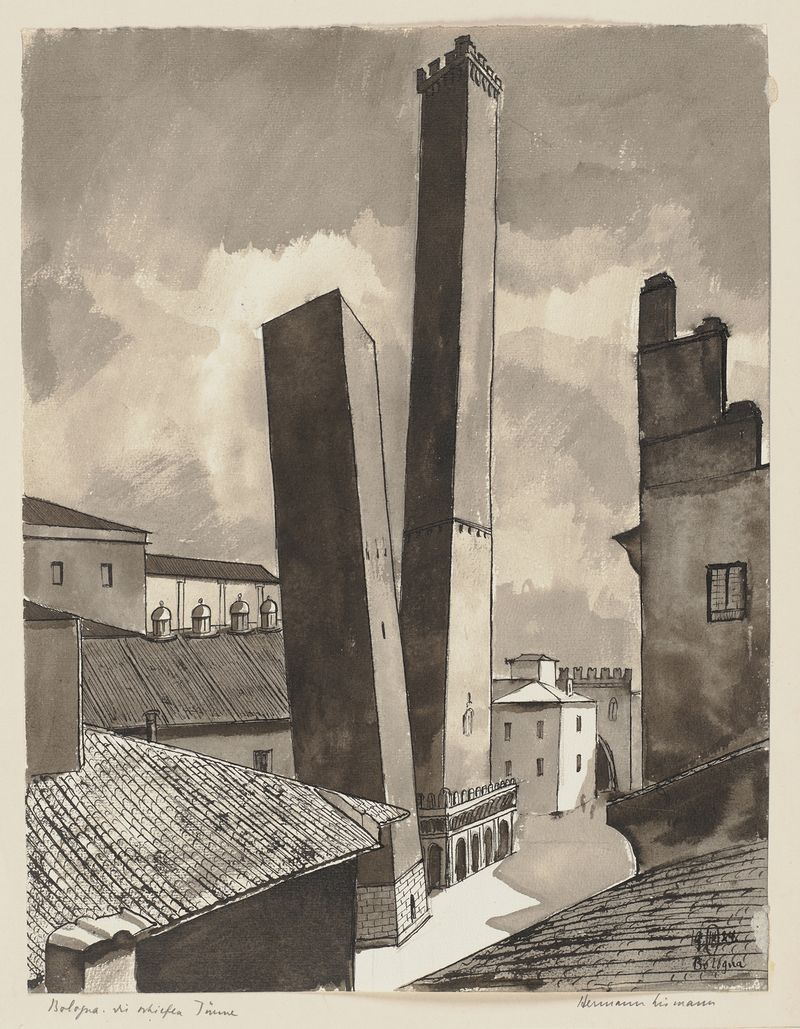
Die beiden Türme Garisenda und Asinelli in Bologna
Hermann Lismann
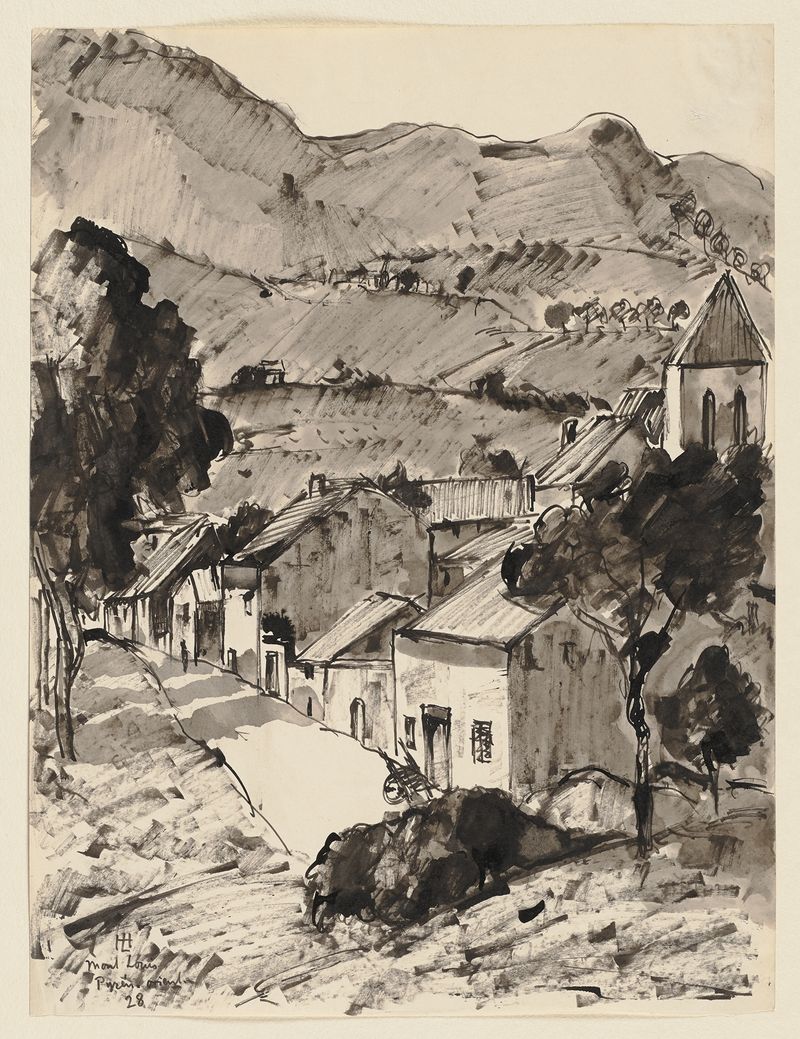
Mont-Louis
Hermann Lismann
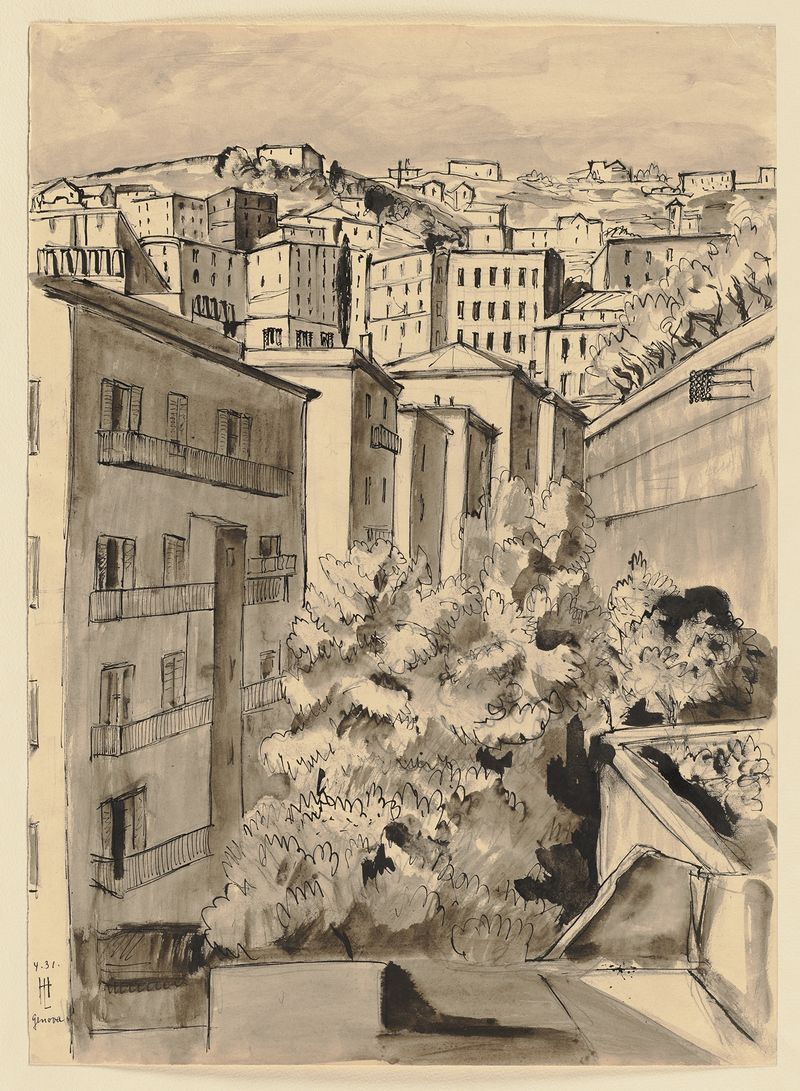
View of Genoa
Hermann Lismann
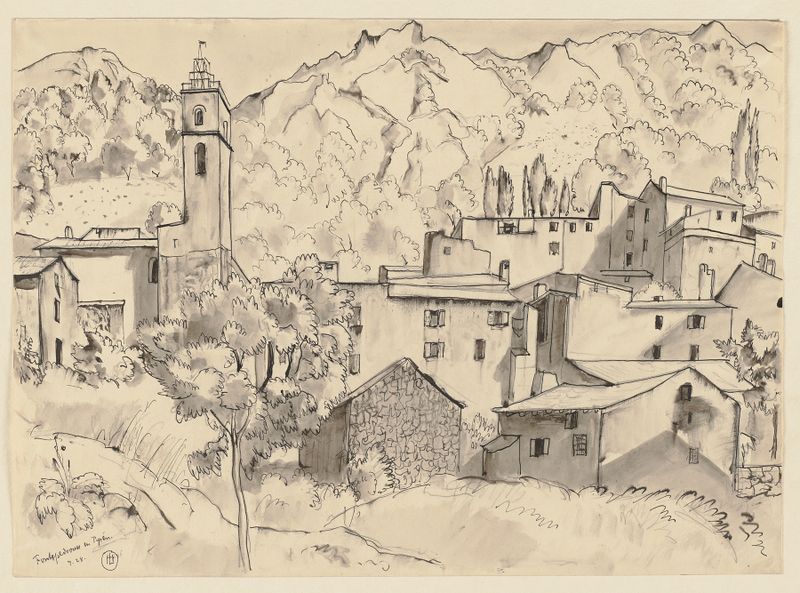
Fontpédrouse en Pyrénées
Hermann Lismann
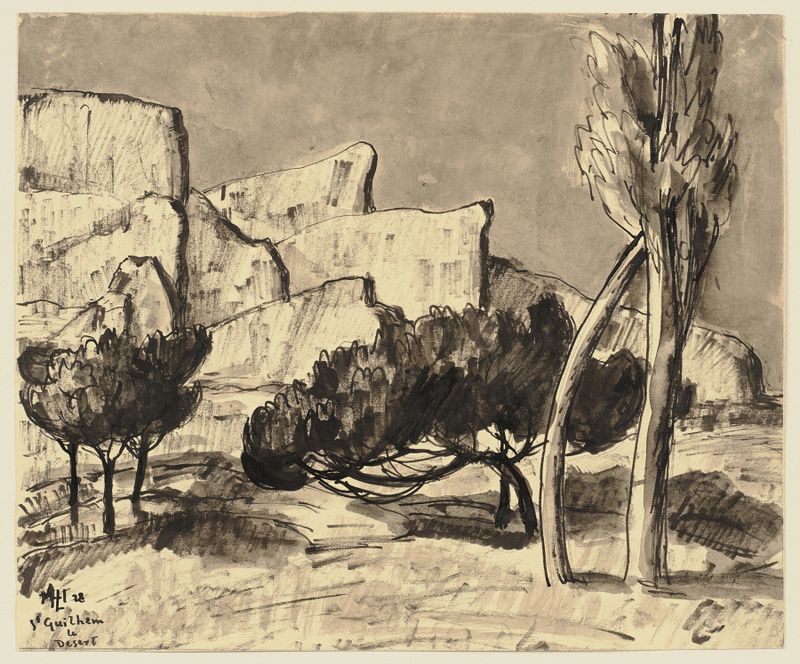
Saint-Guilhem-le-Désert
Hermann Lismann
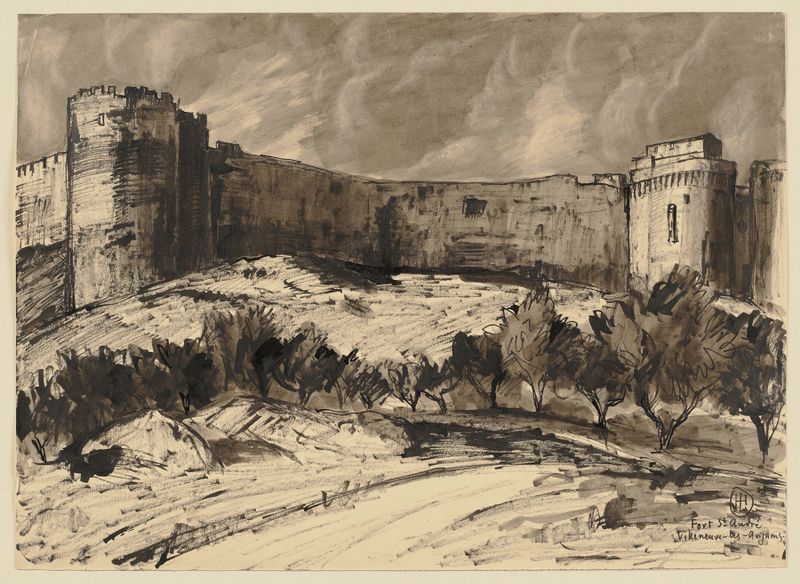
Fort Saint-André in Villeneuve-les-Avignon
Hermann Lismann
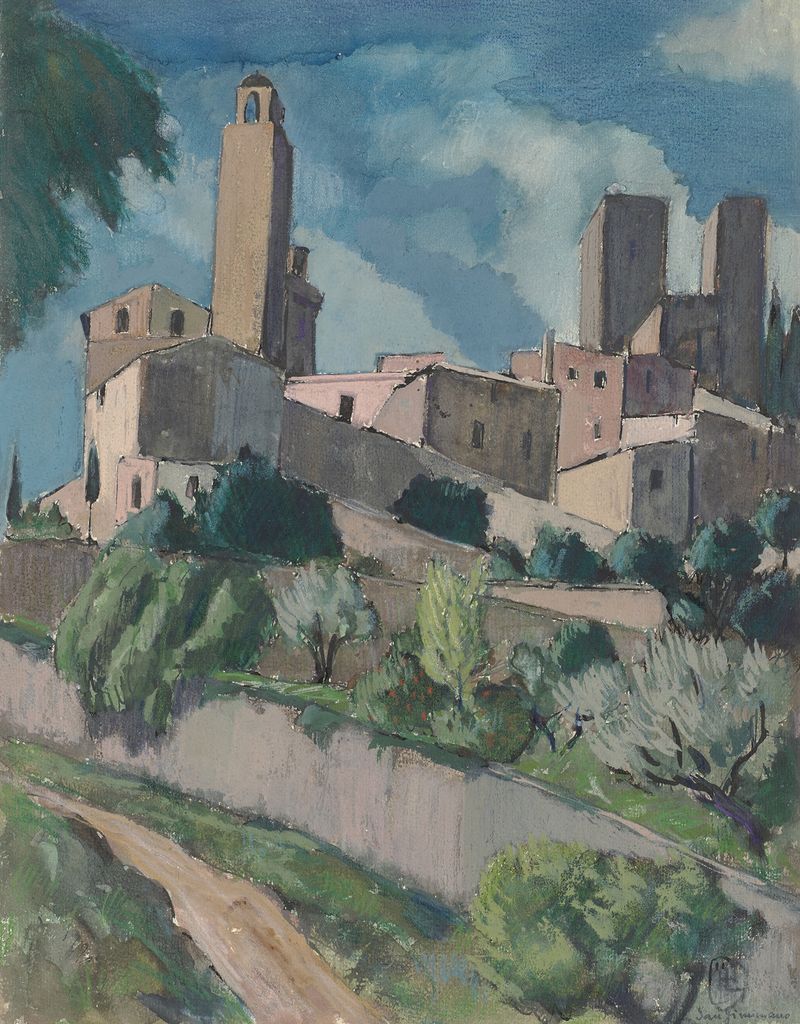
San Gimignano
Hermann Lismann
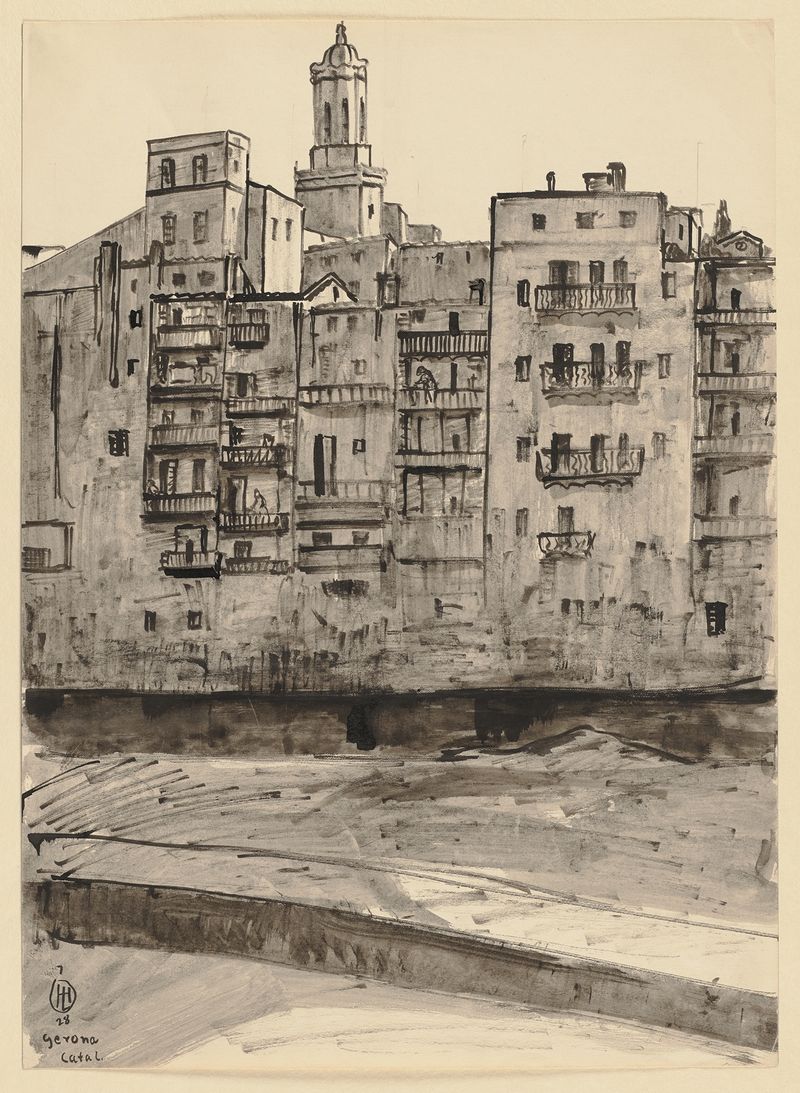
Girona vom Fluss aus gesehen, im Hintergrund der Turm der Kathedrale
Hermann Lismann
Saint Thomas, Pyrénées
Hermann Lismann
Collioure
Hermann Lismann





