Pigeon — History & Facts
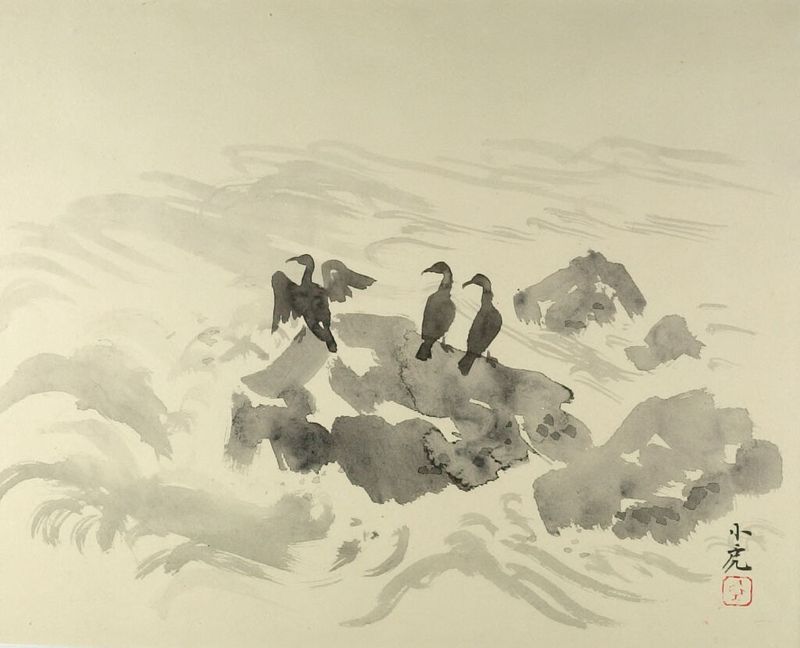
Can paint confess what words never could? In the delicate strokes of Pigeon, an exquisite illusion takes flight, inviting the viewer to ponder authenticity versus artifice. Focus on the soft interplay of colors in this serene composition, where subtle variations of gray and white breathe life into the feathered subject. Notice how light dances across the pigeon’s body, casting gentle shadows that accentuate its rounded form. The background fades into an ethereal blur, suggesting a tranquil atmosphere that envelops the bird, allowing it to take center stage in its own quiet world. Yet, beneath the tranquil exterior lies a plethora of emotional tension.
The pigeon, often perceived as a humble creature, here becomes a symbol of freedom and fragility. The subtle detail in its eye, glistening with an almost human-like depth, hints at a silent yearning or introspection. This contrast between its delicate beauty and the harsh realities of urban life evokes a profound reflection on the nature of existence, pushing the viewer to question the boundaries of their own life experience. Kawasaki Shōko created Pigeon in the latter half of the 20th century, a time marked by rapid modernization in Japan.
Amidst a world increasingly defined by technology and urban landscapes, the artist sought to capture the quiet grace of nature, emphasizing a longing for connection with the organic amidst the encroachment of the artificial. This painting serves as a testament to the delicate balance between the two realms, revealing a deeper truth that transcends the mere image before us.