Young Soybeans — History & Facts
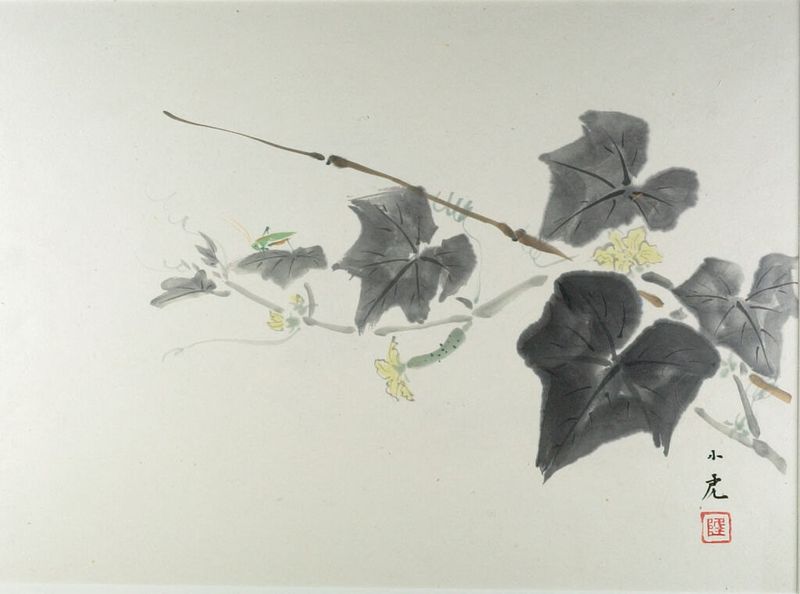
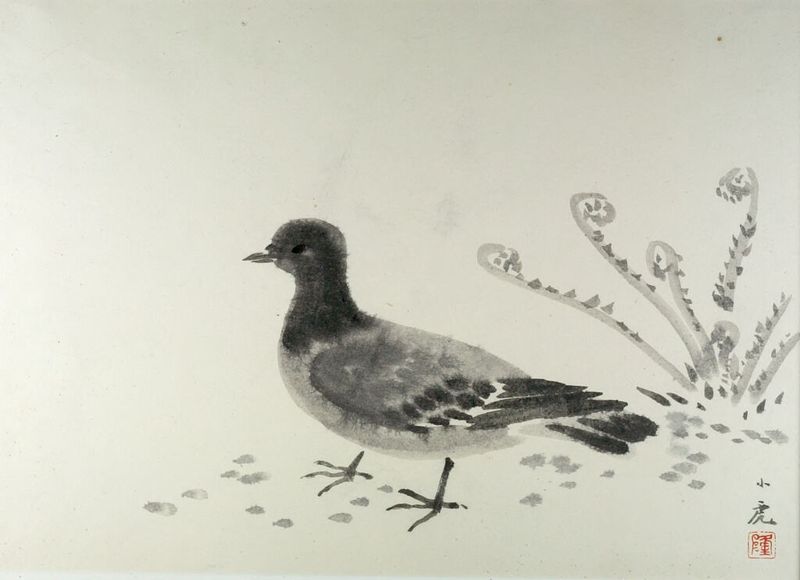
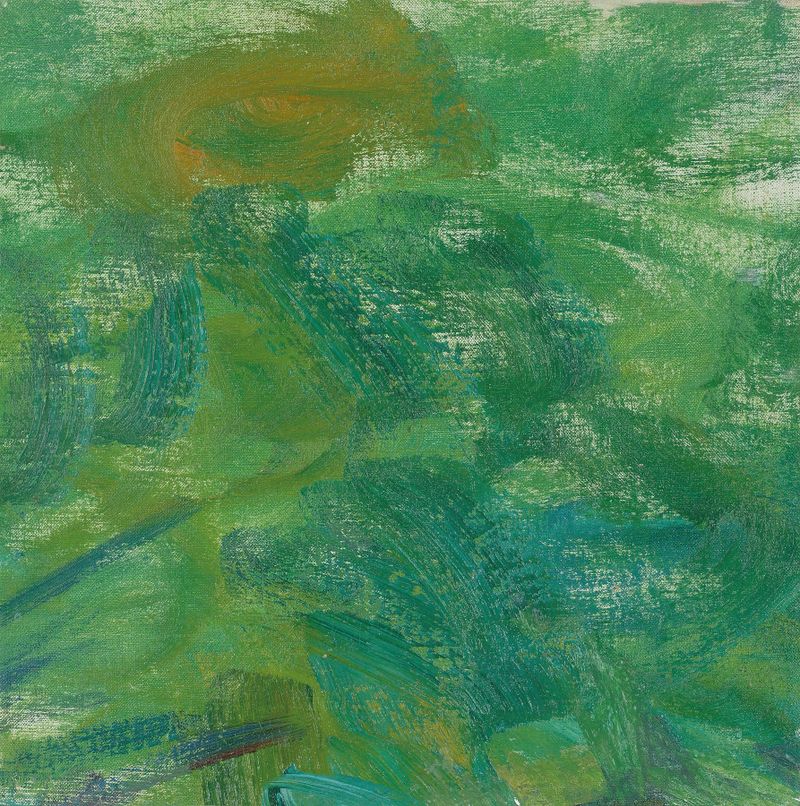
What if silence could speak through light? In the delicate brushstrokes of Young Soybeans, an eloquent stillness invites contemplation on loss and rebirth. Focus first on the rich greens that blanket the canvas, drawing you into a world of quiet growth. Notice how the light dances across the leaves, highlighting their glossy surfaces and casting gentle shadows that suggest life just beneath the surface. The meticulous detail in the portrayal of each leaf creates a sense of intimacy, urging you to embrace the beauty of the ordinary.
The background fades softly, allowing the vibrant foreground to pulse with energy, embodying a moment of potential. Yet, beneath this tranquil exterior lies a poignant dichotomy. The lushness of the soybeans contrasts sharply with the inherent fragility of life, a reminder that even the most promising beginnings are tinged with the specter of loss. The soft, muted hues towards the edges evoke a sense of fading, suggesting that beauty, while captivating, is fleeting.
This interplay of abundance and emptiness resonates deeply, inviting the viewer to reflect on their own experiences of hope and heartache. Created in the 20th century, the artist found inspiration during a time when traditional Japanese art began to merge with modern sensibilities. Working in an era marked by rapid industrialization and change, Young Soybeans reflects a moment of personal contemplation amidst societal upheaval, capturing the balance between nature’s resilience and the inevitability of loss in life’s cycle.