Mizuhiki Grasses — History & Facts
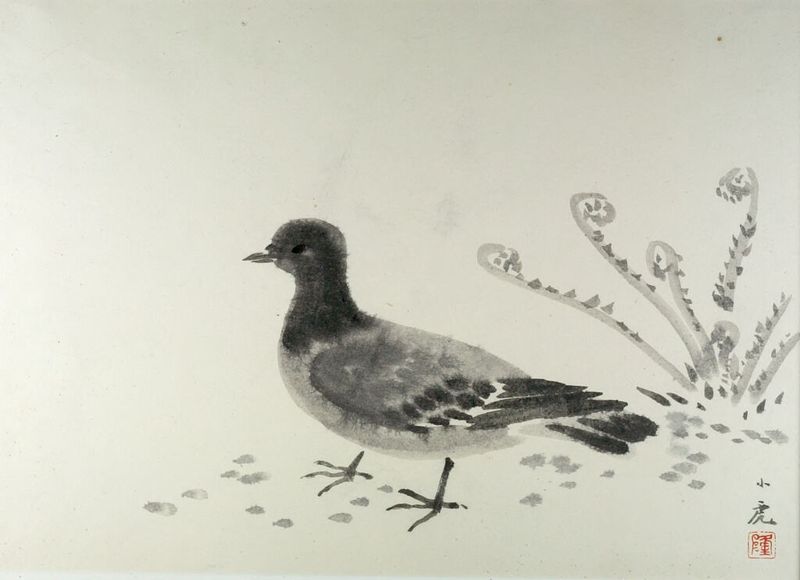
What if silence could speak through light? In a world where chaos reigns, the serene balance of nature whispers truths hidden in its depths. Focus on the deft intertwining of delicate strands at the center of the composition, where vibrant hues of green, gold, and soft white converge. Notice how the intricate arrangement of mizuhiki—traditional Japanese cords—creates a rhythmic flow, guiding your gaze across the canvas. The meticulous detail of each loop and twist captures the essence of harmony, enhanced by a gentle play of light that breathes life into the artwork. Beneath the surface, this piece reveals the fragile balance between tradition and contemporary thought.
The juxtaposition of the organic forms with the geometric precision of the mizuhiki signifies the harmony of nature and human craft. Each color and texture conveys a silent dialogue about the importance of connection—between individuals, cultures, and the natural world—reminding viewers of the beauty found in unity amidst diversity. Kawasaki Shōko created this work in the late 20th century, a time when traditional Japanese art was undergoing a revival amid the wave of modernism. At this point in her career, she was deeply engaged with exploring cultural heritage while embracing innovation.
This painting not only reflects her dedication to craft but also her desire to bridge the past with contemporary aesthetics, embodying the delicate balance she sought to illustrate.