Ploughing oxen — History & Facts
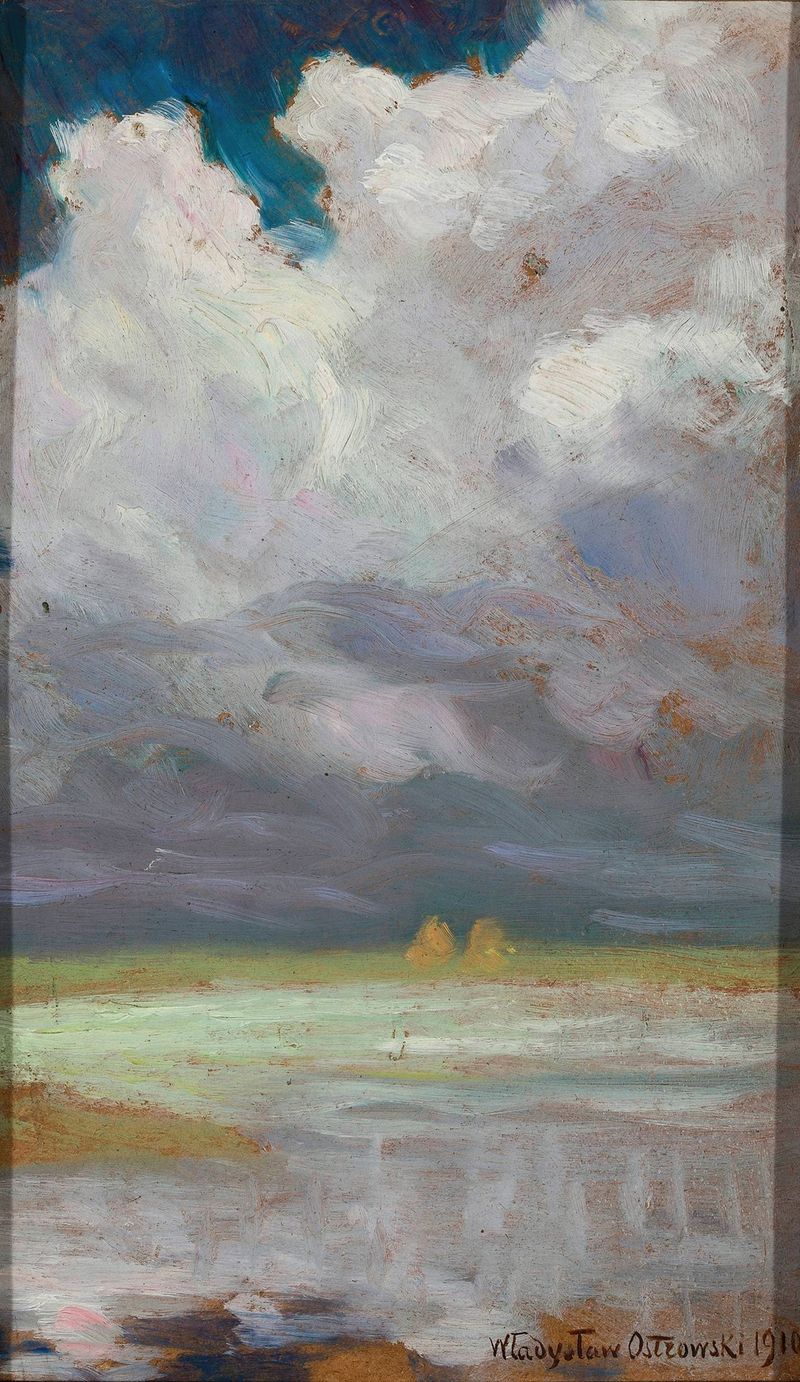
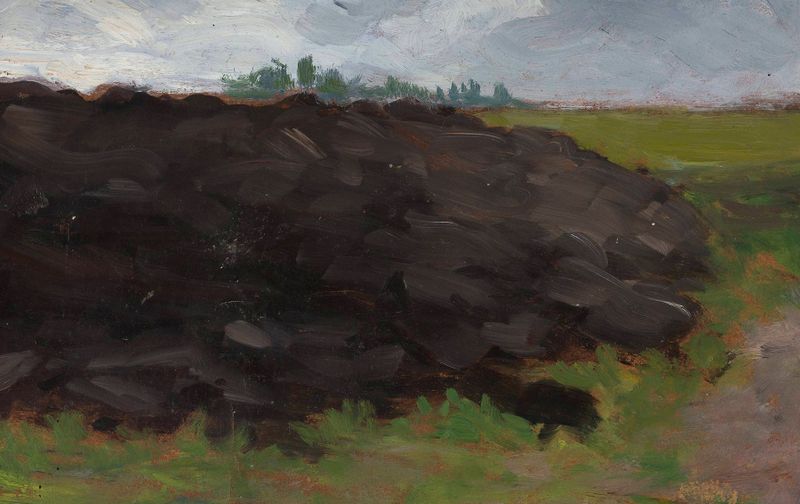
When did color learn to lie? Each stroke of paint whispers of destinies woven into the fabric of the earth. The weight of labor, the rhythm of toil, and the quiet resilience of life unfold before our eyes, revealing the profound connection between man and nature. Focus on the central figures: the oxen, powerful yet serene, tethered to the plough that cuts through the rich soil. Their muscular forms capture the essence of strength and endurance, while dappled sunlight illuminates their coats, contrasting against the dark, fertile earth.
The composition draws your gaze toward the horizon, where a hazy sky merges with the land, suggesting both a promise of harvest and the inevitability of change. Yet, beneath this pastoral scene lies a complex interplay of hope and hardship. The sturdy oxen symbolize the unyielding spirit of the peasant, confronting the harsh realities of agricultural life. The plough, a tool of cultivation, is also a harbinger of destiny, reflecting the dual nature of labor as both a nurturer and a burden.
The muted palette hints at the somber undertones of existence, where every season brings its own trials and tribulations, and the future is never guaranteed. Created in 1910, this piece emerged during a transformative period for Władysław Ostrowski. Living in Poland amidst a backdrop of social and artistic upheaval, he sought to capture the essence of rural life and the struggles of his people. This was a time when nationalism and identity were becoming increasingly vital themes in art, and Ostrowski’s work stands as a testament to the enduring spirit of those who toil the land.