Reeds at the lake — History & Facts
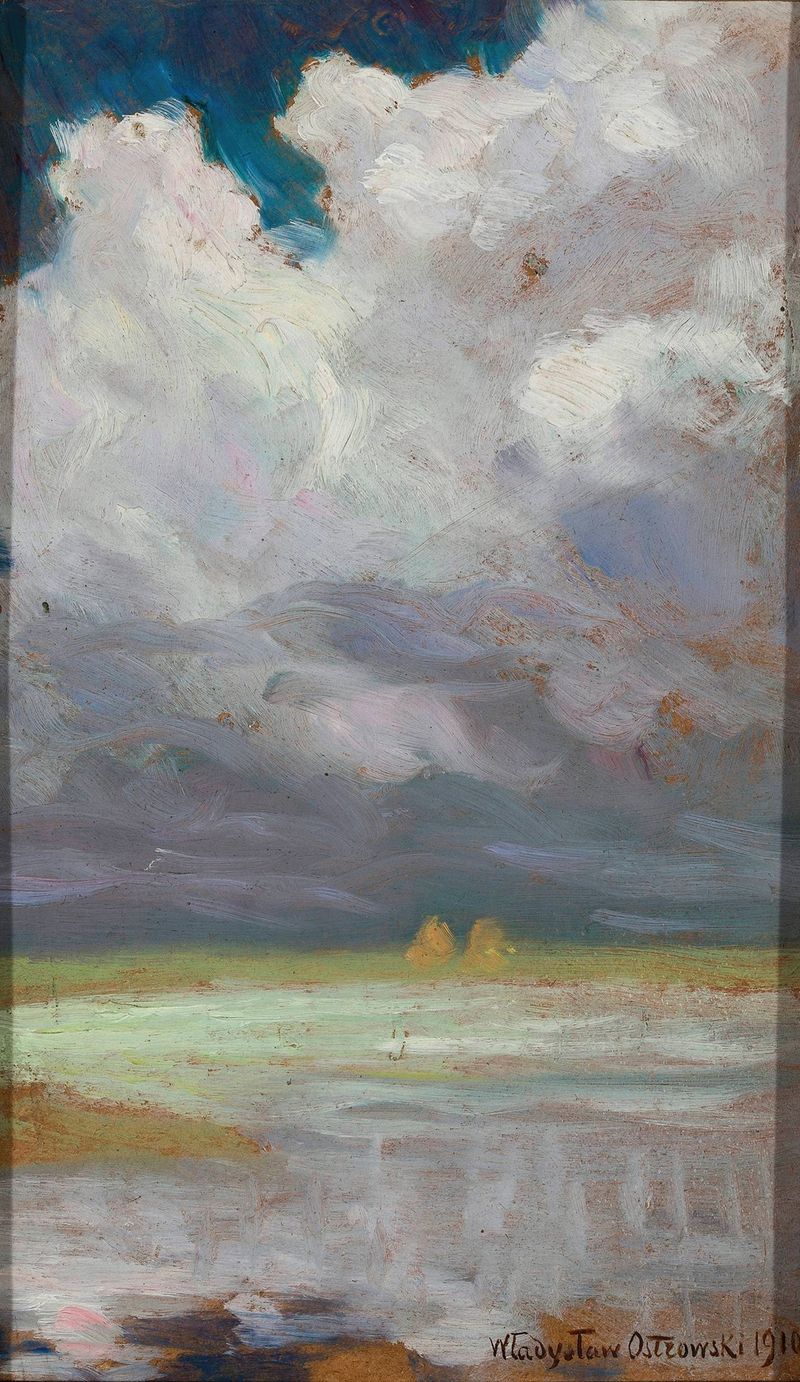
What secret hides in the quiet of the canvas? In a world defined by transformation, the stillness of nature speaks volumes, inviting contemplation. Focus on the rich hues of green and gold that dominate the foreground, where the reeds sway gently against the serene backdrop of the lake. Notice how the brushwork varies, from the delicate strokes that define the slender reeds to the broader, more fluid application of paint that captures the water's reflective surface. The interplay of light creates a shimmering effect, suggesting movement beneath the calm exterior, engaging the viewer’s gaze and evoking a sense of tranquility. The contrast between the stillness of the reeds and the dynamic reflections hints at a deeper narrative of change—perhaps the inevitable passage of time or the cycles of nature.
The way the light dances on the water could symbolize hope or the possibility of transformation, while the solidity of the reeds reminds us of the resilience found in stillness. Each element holds significance, from the way the reeds lean towards the water to their vibrant colors, suggesting life and vitality amidst the quiet. Władysław Ostrowski painted Reeds at the Lake in 1910 during a period of artistic exploration in Poland. At this time, he was influenced by the burgeoning movement of Polish Impressionism, which sought to capture fleeting moments and the essence of nature.
Ostrowski's work reflects a personal journey as he navigated the intersection of traditional artistic techniques and modern perspectives, a theme that resonates with the transformative nature of his subject.