Ploughman — History & Facts
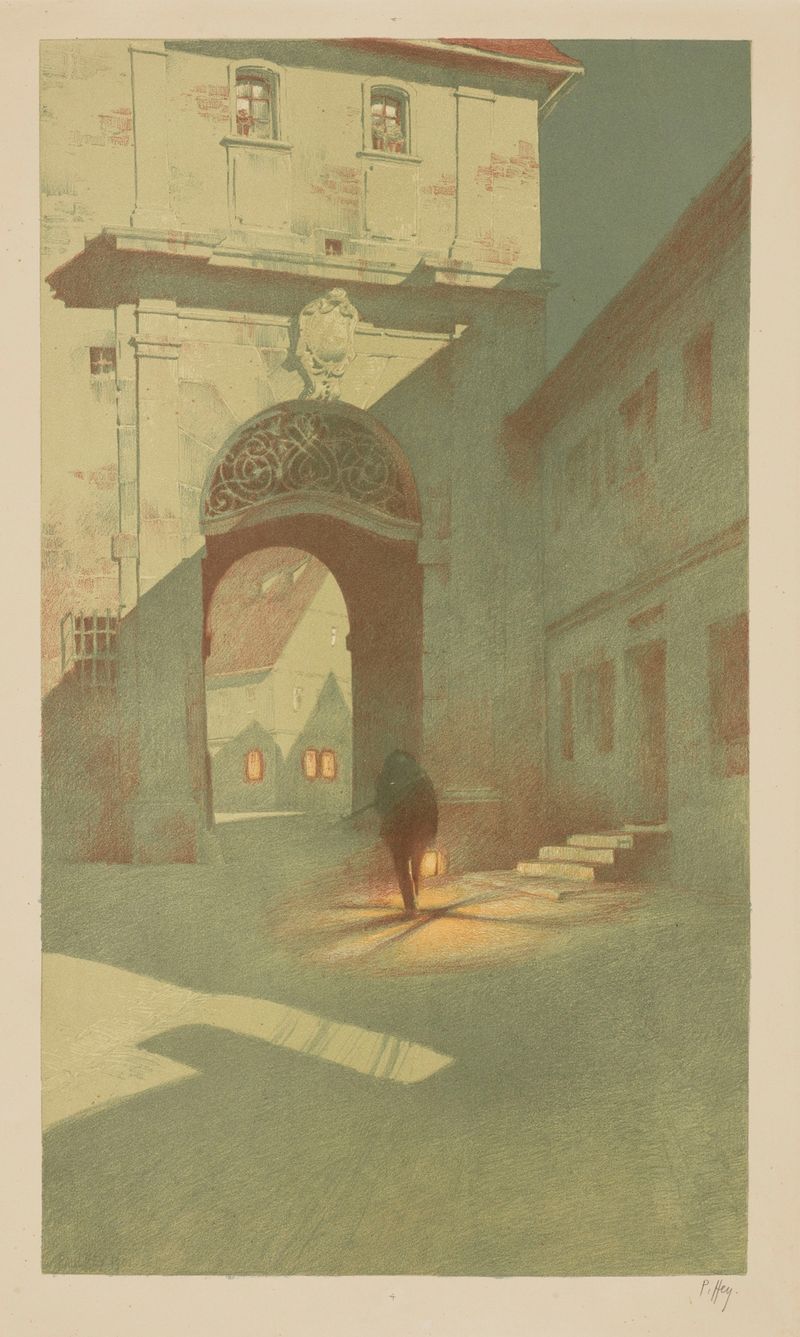
Did the painter know this moment would outlive them? In a world where life rushes forward, the stillness of a solitary figure in a field resonates with the echoes of nostalgia and unspoken stories. Focus on the ploughman, a steadfast silhouette against a backdrop painted in rich earth tones. Look to the left at the soft undulation of the furrows carved into the soil, each line a testament to labor and resilience. Notice how the light delicately caresses the figure, highlighting the contours of his weathered hands and the gentle curve of his back as he bends toward the land.
The warm palette of browns and ochres envelops the scene, drawing the viewer into the tranquil rhythm of rural life. Yet beneath this serene surface lies a poignant contrast. The ploughman's solitary stance suggests isolation, a reflection on the passage of time and the weight of tradition. His labor, while noble, evokes an unyielding connection to the earth that may be fading in the modern world.
The distance between him and the horizon hints at the transient nature of existence, raising questions of legacy and remembrance. Created in 1902, this work emerged during a period of significant change in agriculture and society. Paul Hey painted it while navigating the shifts brought about by industrialization in Europe. The tension between the old ways of life and the encroaching modernity is palpable in the piece, as the artist captured both a moment of personal reflection and a broader commentary on a rapidly transforming world.