
Polycrates' Crucifixion — History & Facts
A grim tableau unfolds beneath a brooding sky, where the air thrums with palpable tension. A crowd gathers, faces charged with anguish and fervor, as the condemned man, Polycrates, hangs suspended between heaven and earth. Shadow and light play upon the scene, casting an ominous glow that accentuates the desperation etched on each visage, creating a stark contrast with the distant, serene horizon. Look to the right at the haunting figure of Polycrates, his body contorted in a blend of agony and resignation.
Notice the muted palette—earthy browns and deep blacks punctuated by flashes of crimson—conveying the weight of despair. The dynamic composition directs the eye across the scene, from the anguished onlookers to the cruel instrument of his suffering, expertly rendered in exquisite detail. Each brushstroke conveys the gravity of this moment, evoking a sense of shared sorrow that envelops the viewer. The interplay of light and shadow not only heightens the emotional tension but also reflects the deeper moral struggles at play.
The faces of the witnesses are a tapestry of conflicting emotions—rage, pity, and fear intertwine, suggesting a community grappling with the weight of their collective conscience. In this charged atmosphere, the crucifixion becomes a metaphor for the burden of power and betrayal, inviting contemplation on the intersection of fate and free will. In 1664, Rosa painted this work during a time when he was deeply involved in the Baroque movement in Italy, navigating the complexities of politics and personal conviction. His focus on dramatic narratives and dark themes resonated with the tumultuous climate of the era, reflecting both his artistic ambitions and the broader societal upheavals of a world grappling with the weight of human suffering.
More Artworks by Salvator Rosa
Browse all →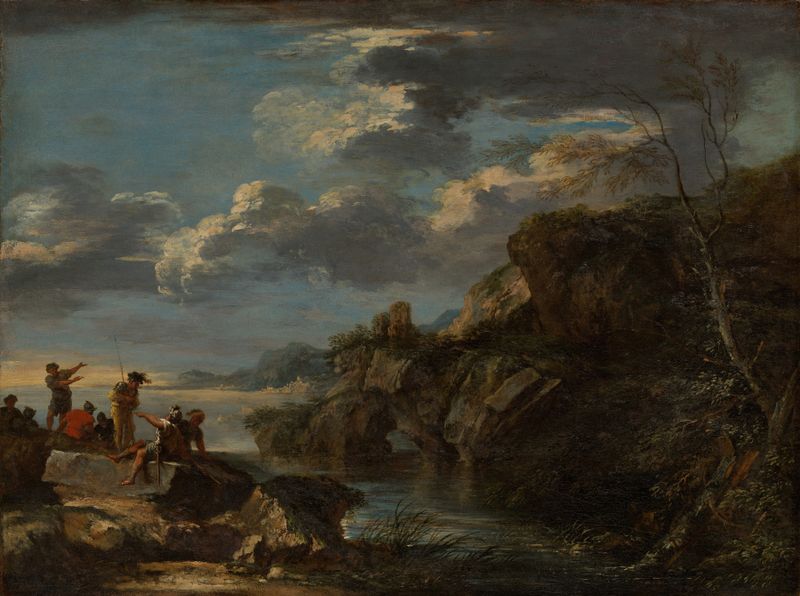
Bandits on a Rocky Coast
Salvator Rosa
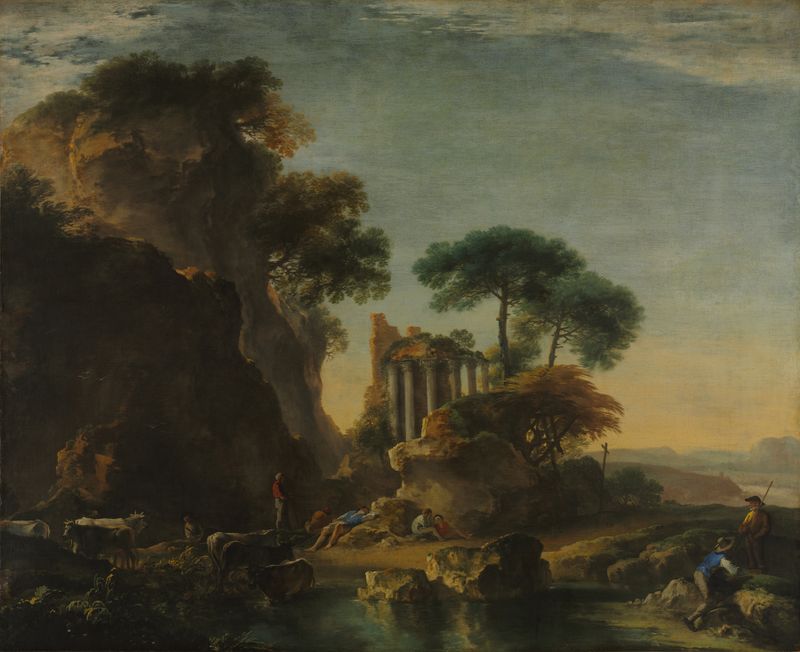
Ruins in a Rocky Landscape
Salvator Rosa
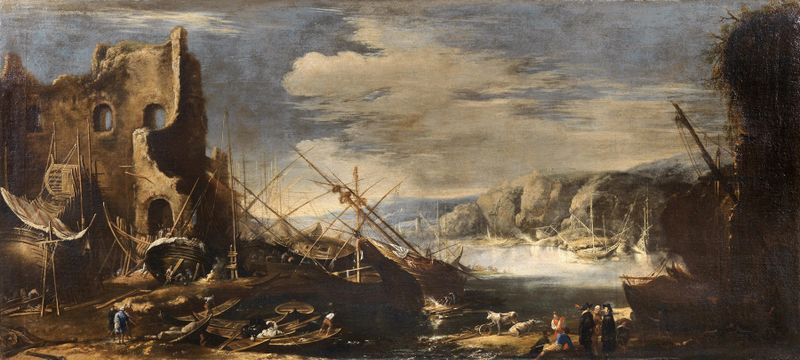
A coastal landscape with shipwrecks and ruins
Salvator Rosa

Landscape with Bathers
Salvator Rosa

Mountainous forest landscape with resting warriors
Salvator Rosa

A Mediterranean coastal landscape with a ship
Salvator Rosa
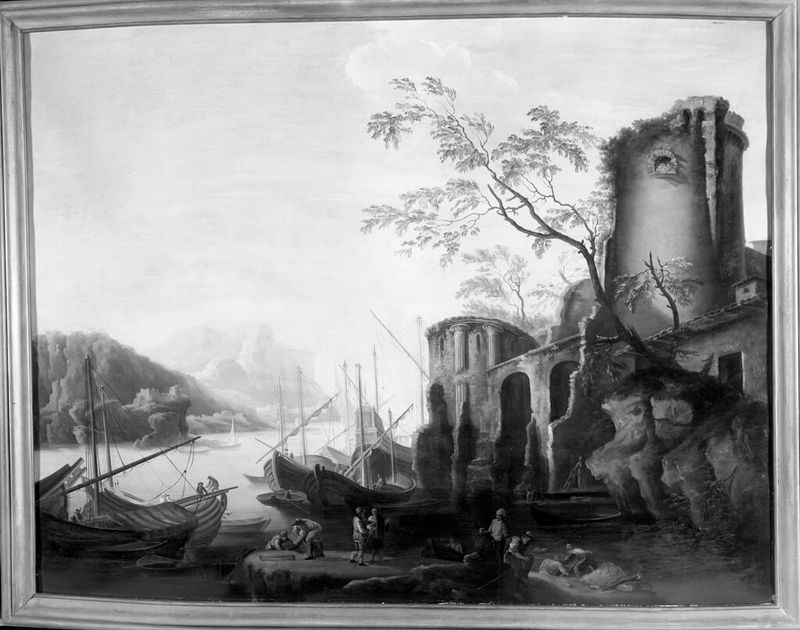
Harbor Scene with a Tower
Salvator Rosa

Polycrates and the Fisherman
Salvator Rosa
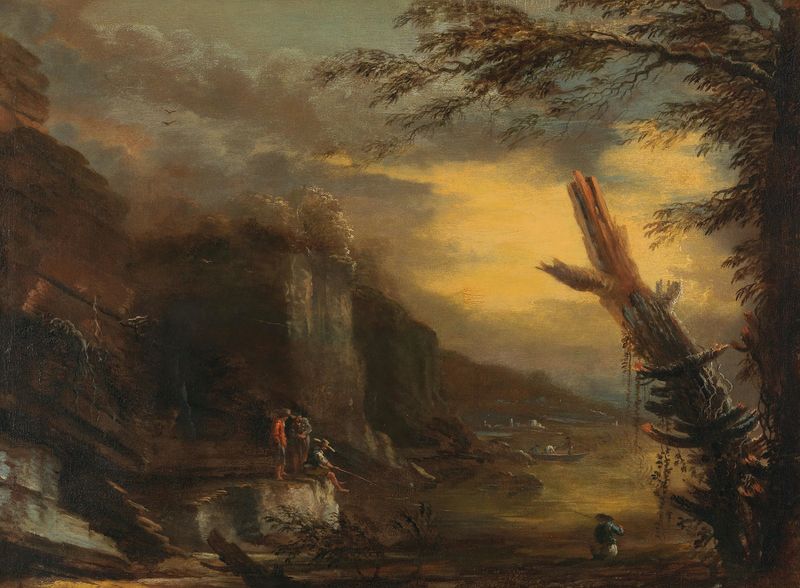
Figures fishing in a rocky coastal landscape
Salvator Rosa

Monks Fishing
Salvator Rosa
More Religious Art
Browse all →
The Return of the Prodigal Son
Rembrandt van Rijn

The Garden of Earthly Delights
El Bosco

Count Orgaz’ funeral
El Greco

The Hundred Guilder Print: the central piece with Christ preaching, the plate arched
Rembrandt van Rijn

The Descent from the Cross
Rogier van der Weyden

The return of the prodigal son
Rembrandt van Rijn