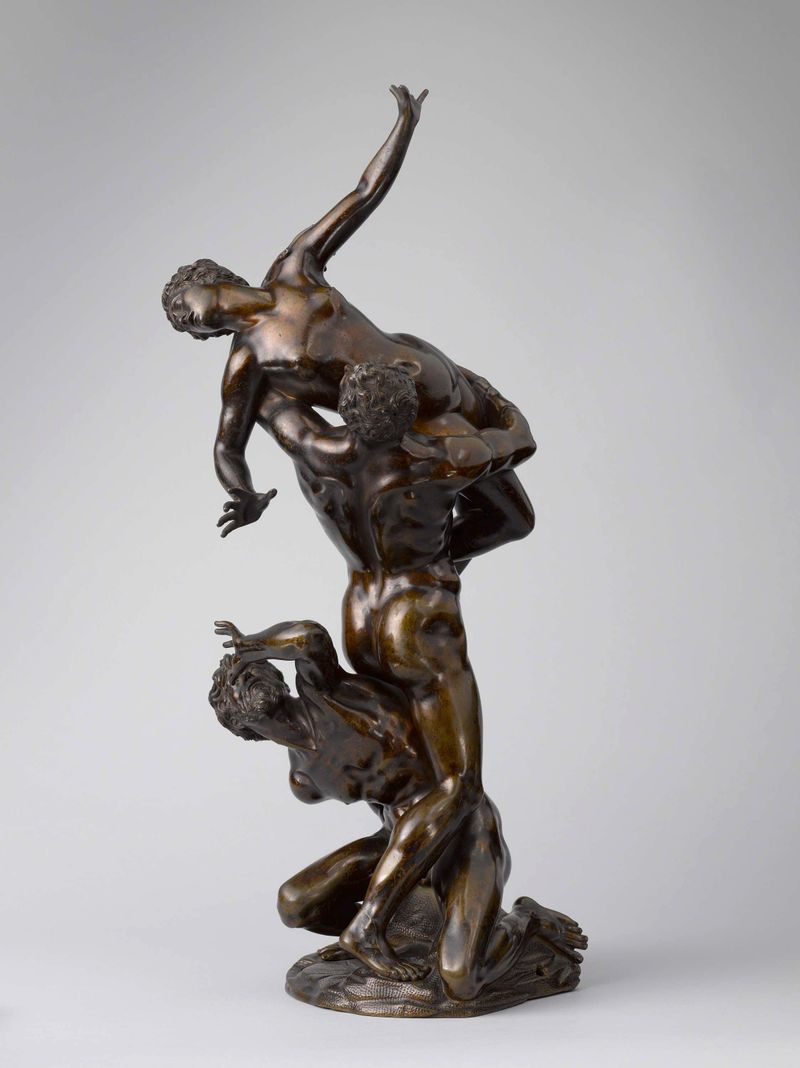
Polycrates and the Fisherman — History & Facts
Where does light end, and longing begin? In the delicate embrace of the depicted moment, we encounter the fragile intersection of fate and fortune, encapsulated in a fleeting gesture. Gaze first at the figure of Polycrates, his gaze piercing and reflective as he stands poised under an ethereal sunlight that seemingly dances off his attire. Notice the contrasting shadows that play across the fisherman, whose rugged features are illuminated with an earnestness that speaks of toil and yearning. The soft palette of earth tones, interlaced with the golden highlights, enriches the emotional resonance of the scene, hinting at the deeper themes of prosperity and vulnerability that resonate throughout the composition. The artist captures the tension between the two men—a prosperous ruler and a humble fisherman—each representing disparate worlds yet drawn together by destiny.
The fisherman holds out a gift, a fish that glistens with hope, a token of fortune that could change everything. In contrast, Polycrates, draped in elegant attire, embodies the weight of legacy and the impending fear of loss that shadows great wealth. This dichotomy invites us to ponder the ephemeral nature of success and the bonds that tie us across social divides. In 1664, Salvator Rosa created this work during a period marked by personal struggles and a burgeoning interest in the dramatic contrasts of human experience.
Living in Naples, Rosa was navigating the complexities of his artistic identity amidst the Baroque movement, which celebrated the emotional depth and theatricality that is vividly evident in this scene. His works often reflect a profound understanding of character, and Polycrates and the Fisherman stands as a testament to his unique vision, interweaving the threads of fate and human connection.
More Artworks by Salvator Rosa
Browse all →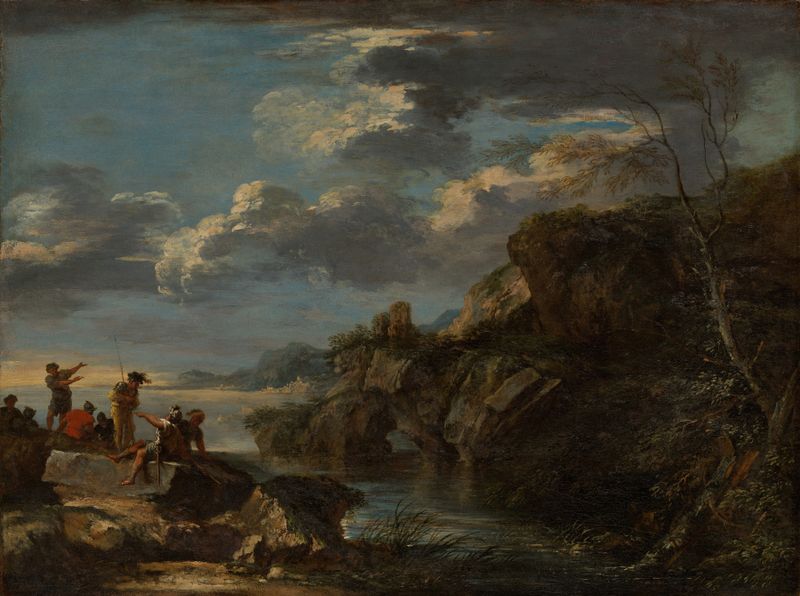
Bandits on a Rocky Coast
Salvator Rosa
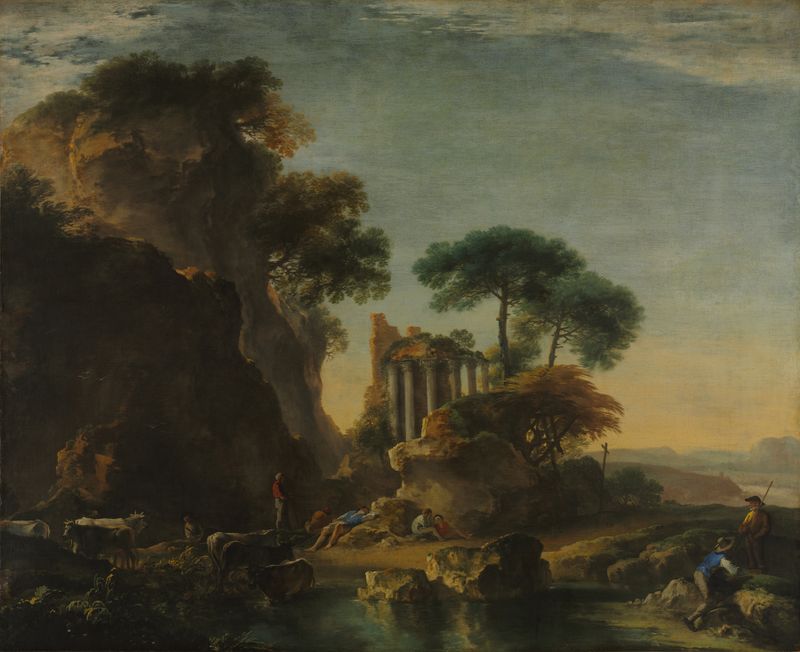
Ruins in a Rocky Landscape
Salvator Rosa
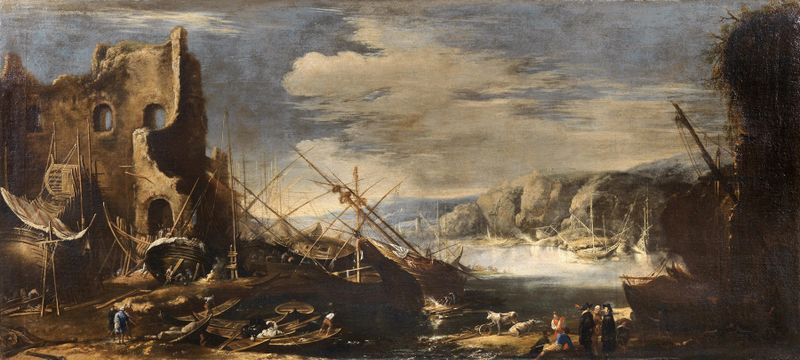
A coastal landscape with shipwrecks and ruins
Salvator Rosa

Landscape with Bathers
Salvator Rosa

Mountainous forest landscape with resting warriors
Salvator Rosa

A Mediterranean coastal landscape with a ship
Salvator Rosa
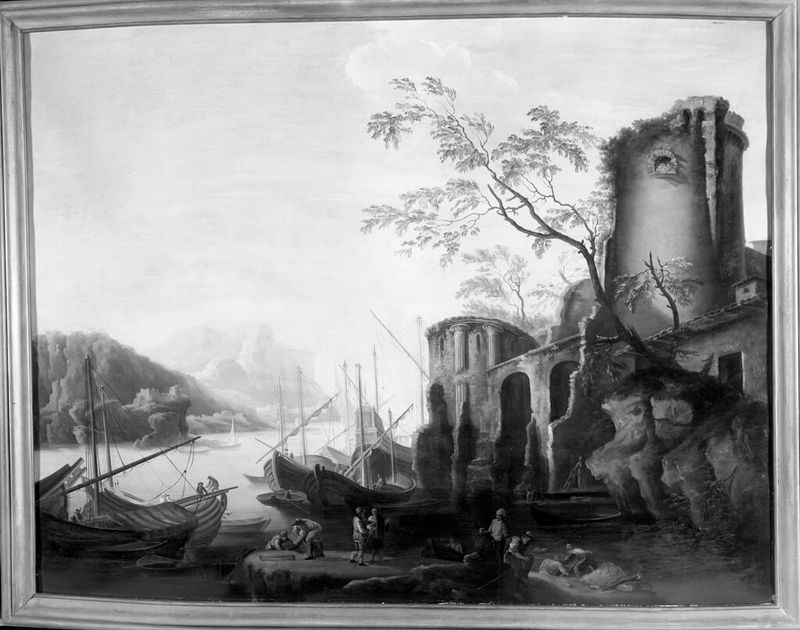
Harbor Scene with a Tower
Salvator Rosa
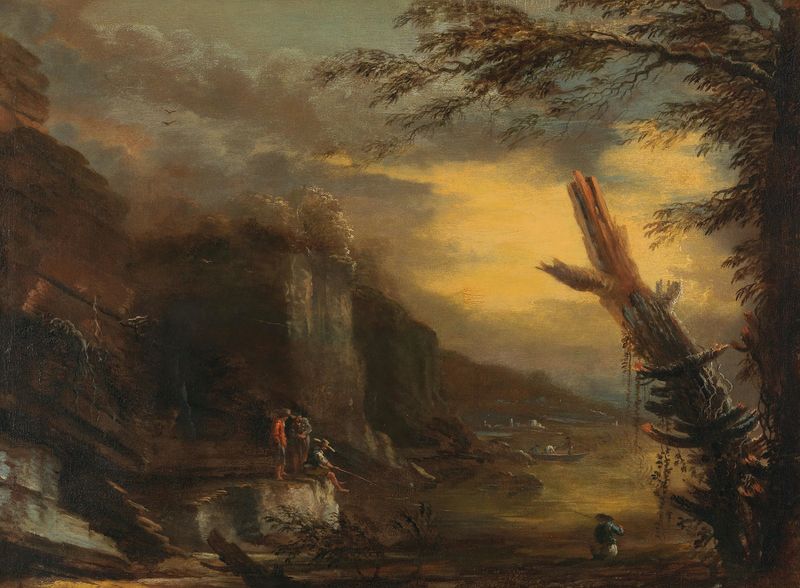
Figures fishing in a rocky coastal landscape
Salvator Rosa

Monks Fishing
Salvator Rosa

Polycrates' Crucifixion
Salvator Rosa