Pond in the Park at Versailles — History & Facts
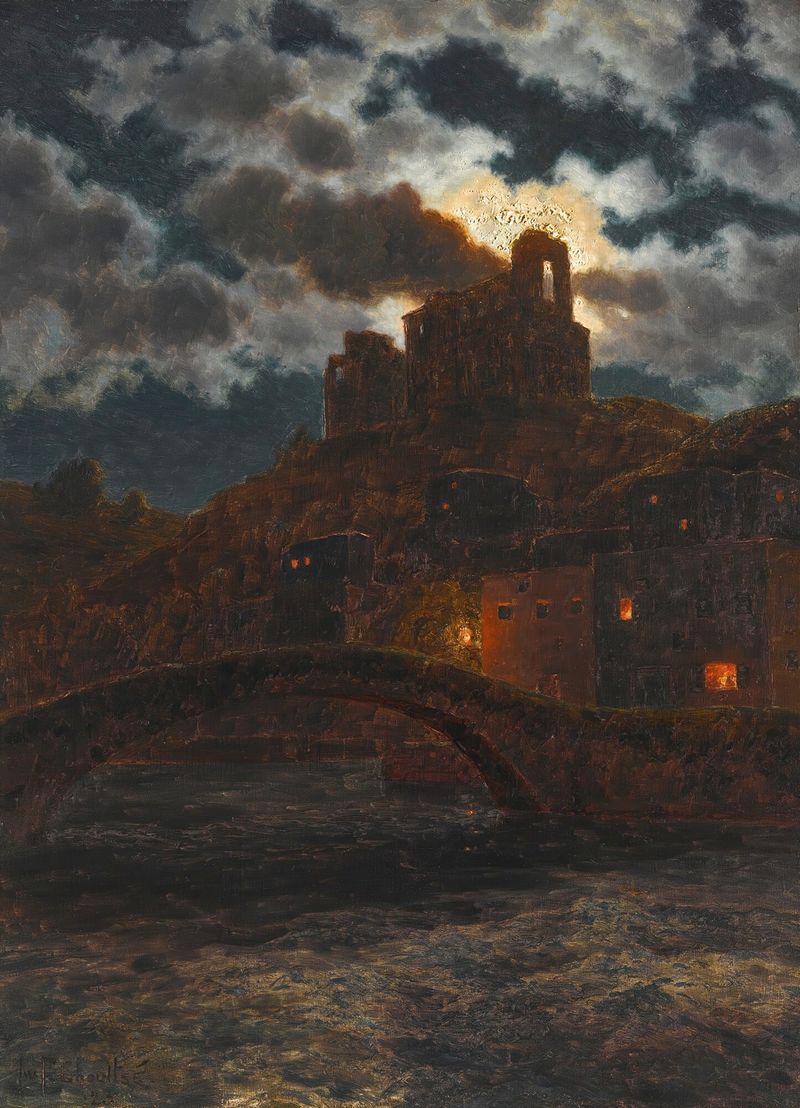
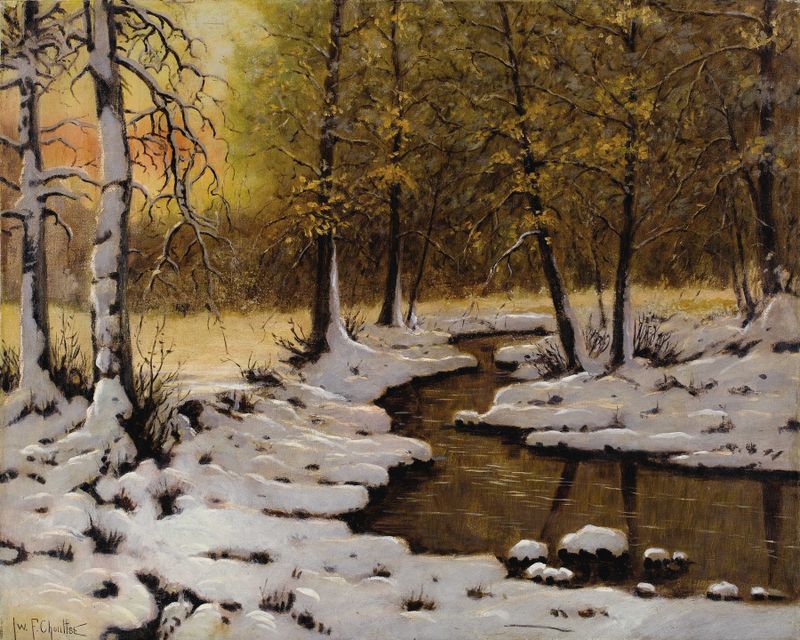
When did color learn to lie? In Pond in the Park at Versailles, the hues whisper secrets of serenity and transcendence, inviting viewers into a world where nature's beauty masks deeper truths. Look to the center where the tranquil pond reflects a tapestry of greens and blues, each brushstroke layered with intention. Notice how the soft ripples distort the vibrant flora along the banks, blurring the boundary between reality and illusion. The delicate play of light dances across the water's surface, creating a mesmerizing tableau that beckons exploration and contemplation. Beneath the surface, the painting pulses with a tension between stillness and movement.
The lush plants, while rooted, seem to sway gently, hinting at unseen breezes; their vivid colors evoke feelings of both calm and yearning. The way the light filters through the foliage suggests a fleeting moment, as if capturing an ephemeral glimpse of paradise, yet it is simultaneously a reminder of the inevitable passage of time. This work emerged from the hands of Choultse during an era defined by a love for naturalistic representation and Impressionistic influences. Working in the late 19th century in France, he found himself amidst a cultural shift that celebrated the interplay of light and color.
As the world of art embraced the beauty of nature, Choultse sought to encapsulate these sentiments, crafting a piece that resonates with both tranquility and the bittersweet essence of impermanence.