
Pont du Carroussel — History & Facts
Could beauty survive in a century of chaos? In Pont du Carroussel, the answer resonates through the delicate strokes and harmonized colors that paint a world both timeless and fleeting. Focus first on the bridge, elegantly arching across the canvas, where lines converge and create a sense of movement. The muted tones of blue and grey evoke a misty atmosphere, inviting the eye to wander along the water’s reflective surface. Notice how light dances on the ripples, suggesting a fleeting moment that holds the weight of memory.
The careful brushwork emphasizes the connection between land and sky, grounding the viewer in a serene yet transient reality. Amidst the tranquil beauty, a tension emerges. The bridge, a symbol of connection, also hints at separation—between the past and the present, the known and the unknown. The distant silhouettes of figures on the bridge evoke feelings of longing, perhaps for moments lost or futures yet to be discovered.
The way the architecture stands firm against the chaos of time reminds us of the resilience of beauty, yet it also stirs a sense of melancholy, reflecting our desire for permanence in an ever-changing world. Jean Misceslas Peske created Pont du Carroussel in 1921, during a period marked by the aftermath of World War I. Living in Paris, a center of artistic innovation, he engaged with the tensions of modern life while finding solace in the city's beauty. This work captures a moment of reflection in a rapidly evolving landscape, affirming art's capacity to convey both longing and continuity amidst turmoil.
More Artworks by Jean Misceslas Peske
Browse all →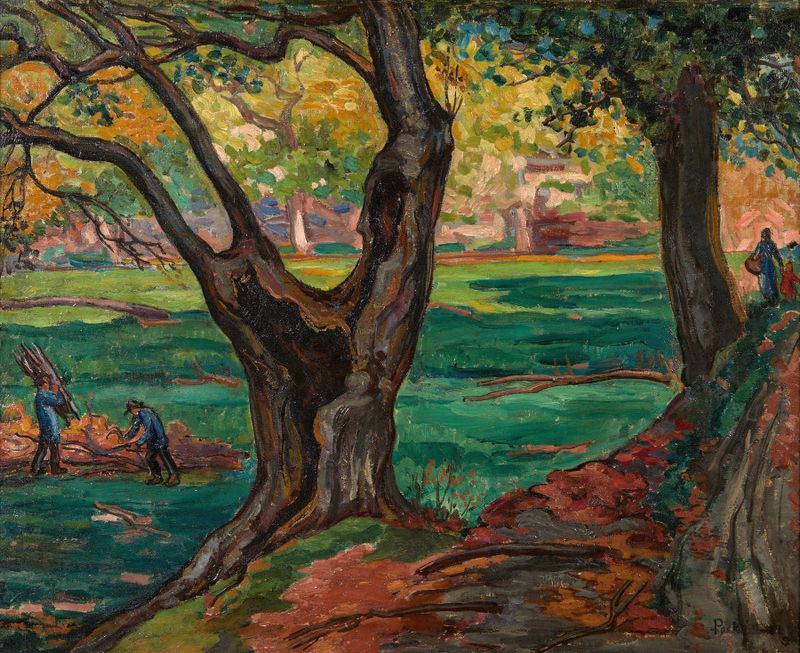
Dans les bois
Jean Misceslas Peske
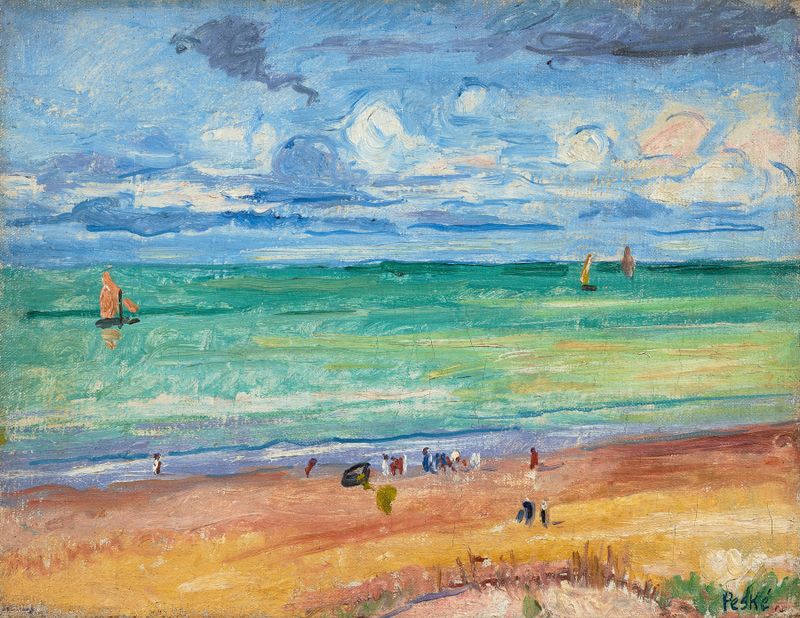
La plage
Jean Misceslas Peske

Jardin du Bureau International du Travail à Genève
Jean Misceslas Peske
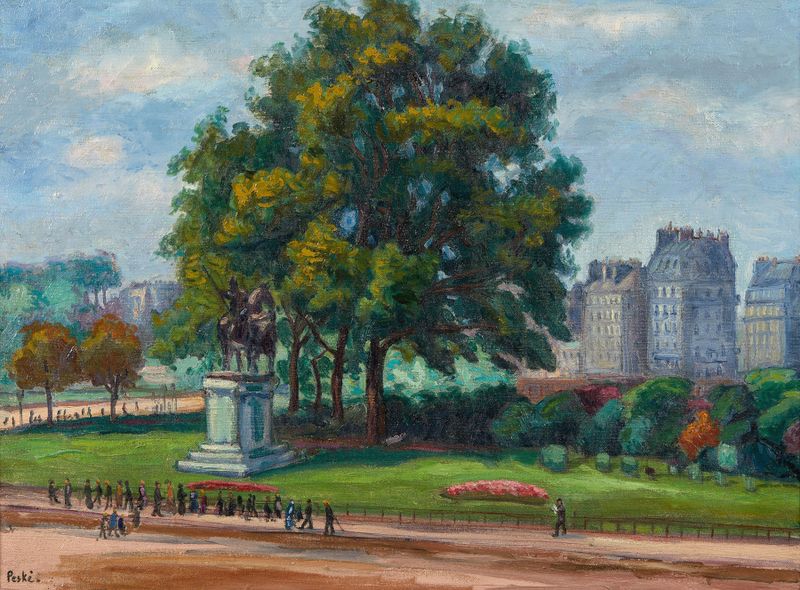
Statue de Charlemagne, parvis de Notre-Dame
Jean Misceslas Peske

Au jardin, la lessive
Jean Misceslas Peske
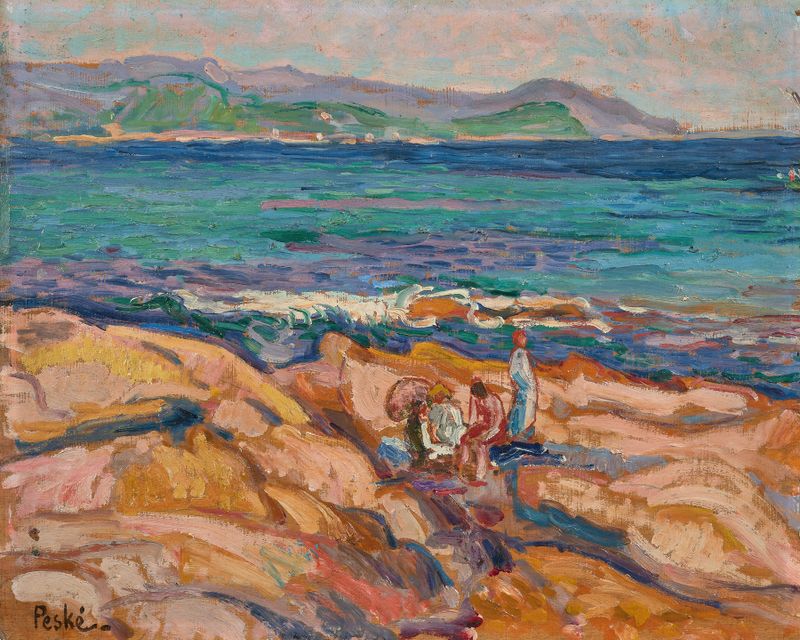
Côte rocheuses, personnages
Jean Misceslas Peske

Statue de Charlemagne sur le parvis de Notre Dame
Jean Misceslas Peske





