
Statue de Charlemagne, parvis de Notre-Dame — History & Facts
Could a single brushstroke hold eternity? In Statue de Charlemagne, parvis de Notre-Dame, the play of light transforms mere stone into a vessel of history, inviting viewers to explore the layers of time and significance embodied within. Look to the left, where the sun’s rays catch the intricate details of Charlemagne’s beard, casting soft shadows that breathe life into the cold marble. Notice the delicate interplay between light and texture, as it cascades over the statue’s armor, rendering it almost ethereal. The artist employs a muted palette of grays and whites, allowing the natural luminosity to become a focal point, revealing the work’s craftsmanship and the depth of its narrative. Beneath the surface, this piece captures a profound dialogue between past and present.
The juxtaposition of the sturdy figure against the fragile light evokes a sense of both strength and vulnerability, suggesting that even the mightiest leaders are subject to the passage of time. The statue serves as an enduring reminder of legacy—how history is illuminated through acts of remembrance, inviting introspection about our own fleeting existence. Though the exact date of creation remains unknown, Peske sculpted this piece during a period when neoclassical ideals were being explored extensively in France. The statue was likely conceived amidst a revival of interest in the grandeur of ancient empires, as artists sought to evoke nobility and heroism through their works, reflecting contemporary aspirations in a rapidly changing world.
More Artworks by Jean Misceslas Peske
Browse all →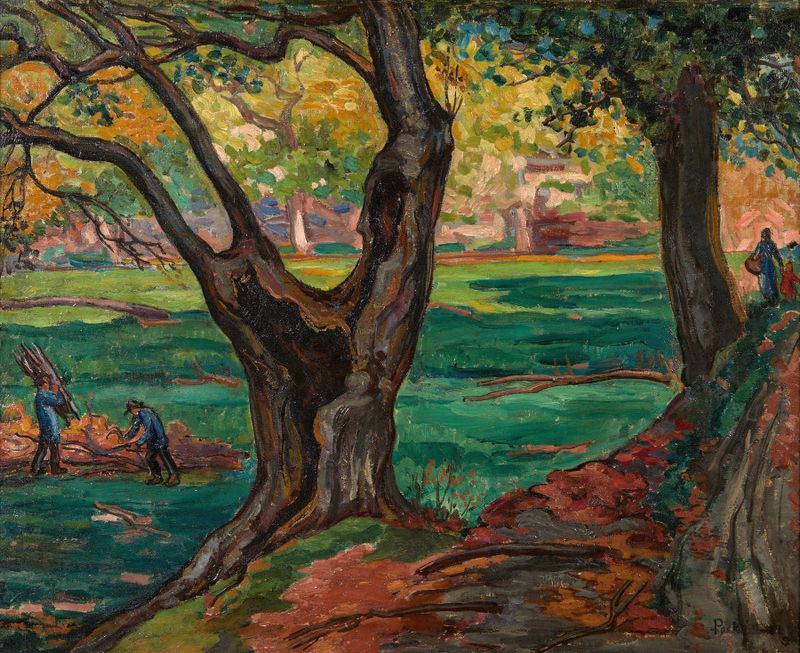
Dans les bois
Jean Misceslas Peske
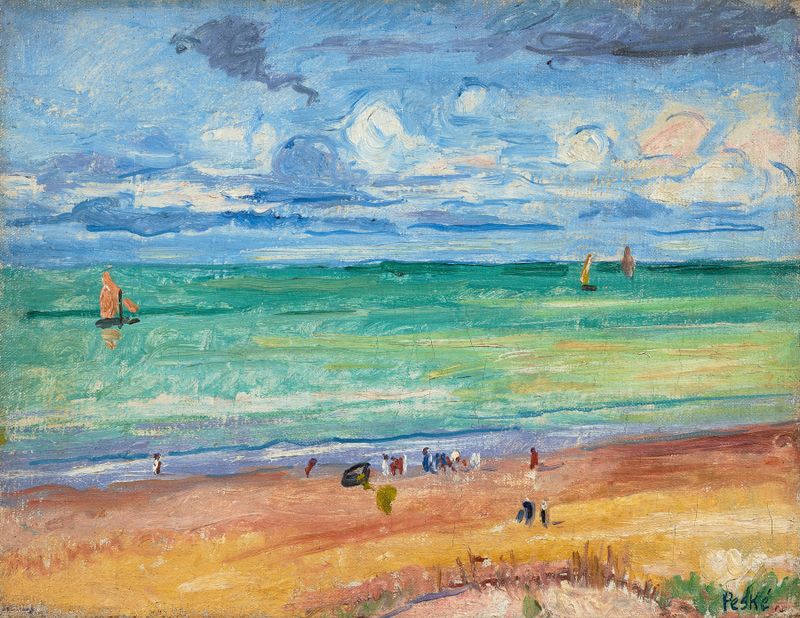
La plage
Jean Misceslas Peske

Pont du Carroussel
Jean Misceslas Peske

Jardin du Bureau International du Travail à Genève
Jean Misceslas Peske

Au jardin, la lessive
Jean Misceslas Peske
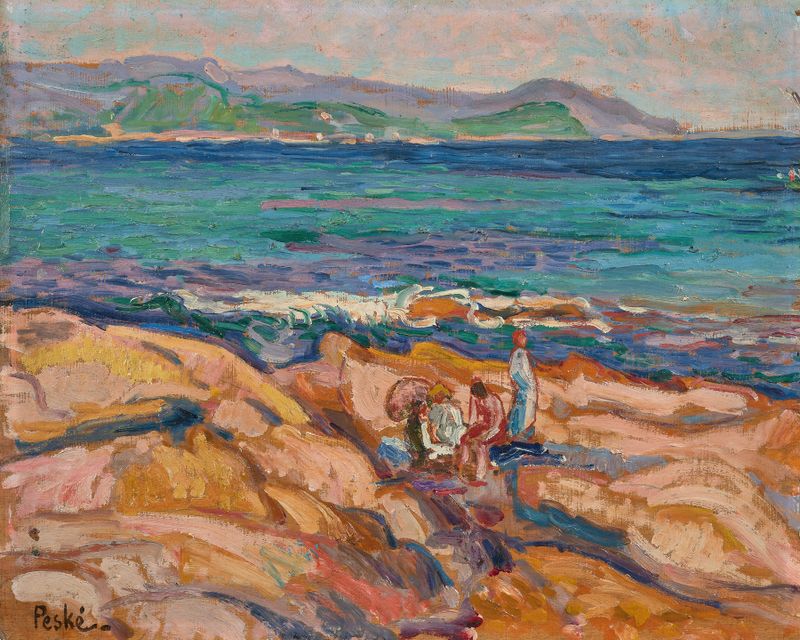
Côte rocheuses, personnages
Jean Misceslas Peske

Statue de Charlemagne sur le parvis de Notre Dame
Jean Misceslas Peske
More Historical Art
Browse all →
The Night Watch Militia Company of District II under the Command of Captain Frans Banninck Cocq
Rembrandt van Rijn
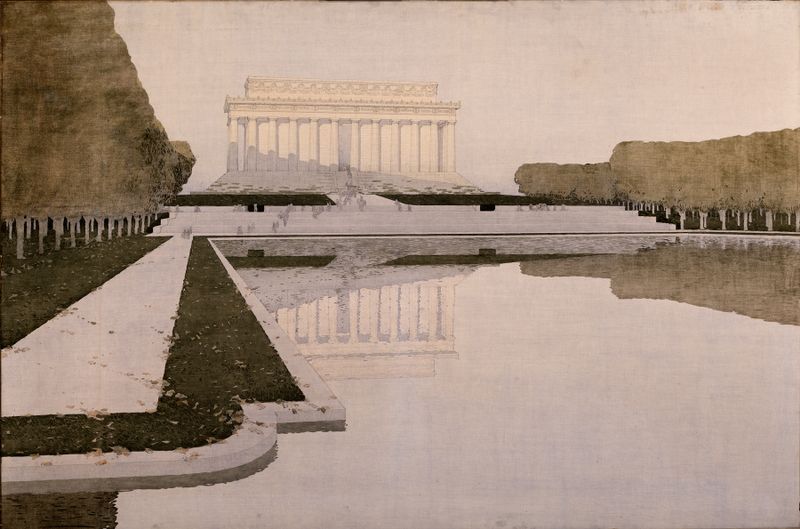
Lincoln Memorial
Henry Bacon
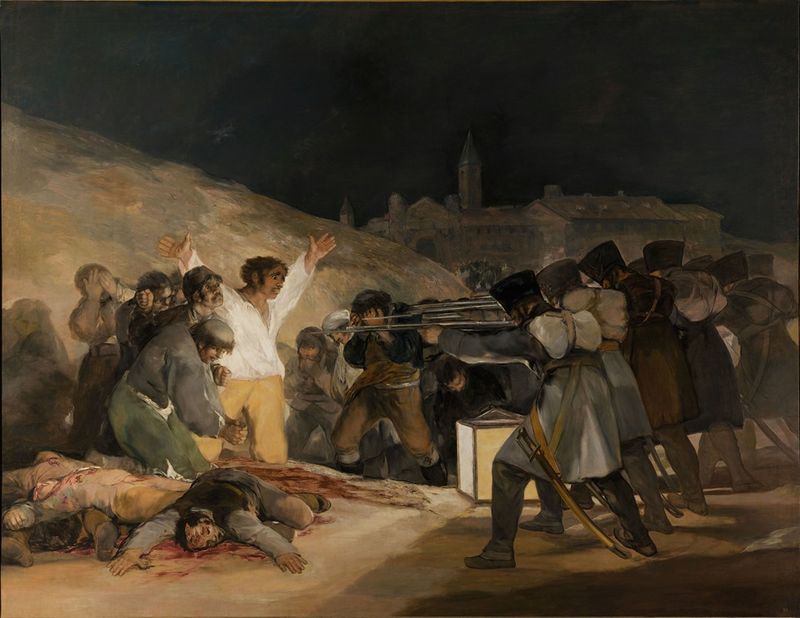
The Third of May 1808
Francisco de Goya

Isaac and Rebecca, Known as ‘The Jewish Bride’
Rembrandt van Rijn
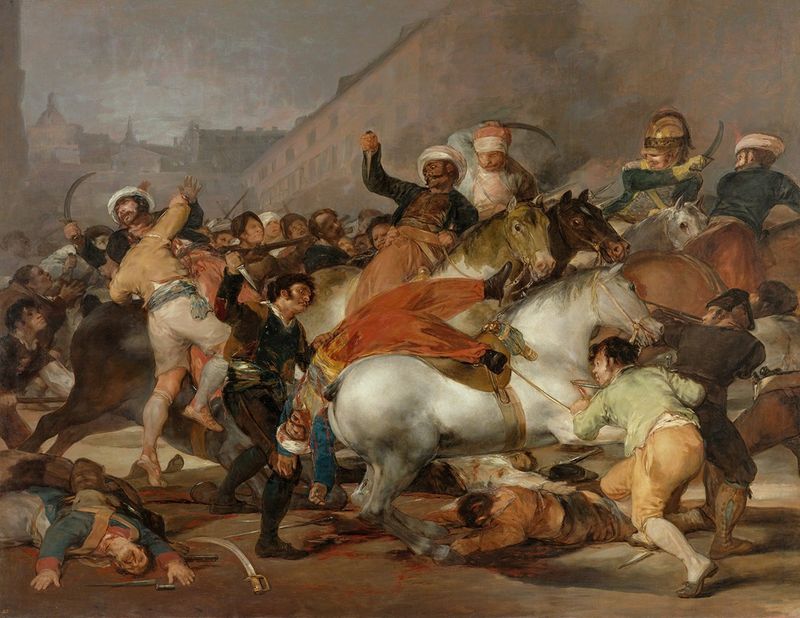
The Charge of the Mamelukes (1814)
Francisco de Goya
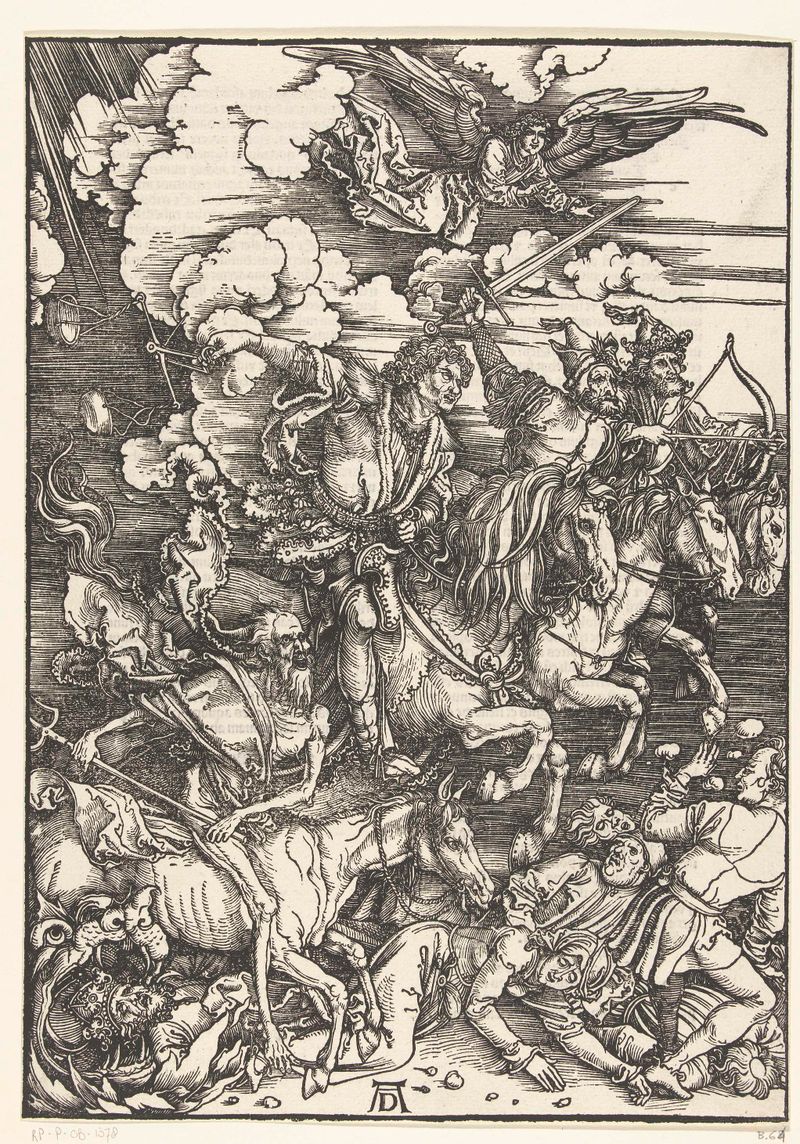
De vier ruiters van de apocalyps
Albrecht Dürer