
Ponte dei Gesuiti – Calle di Volti — History & Facts
In the stillness of a moment, innocence is captured, preserved like a fragile memory. The delicate essence of youth, entwined with the passage of time, speaks to us from the surface of painted layers. Look to the left where a quaint canal reflects the sky, the still water mirroring the serenity of a bygone Venice. Notice how the soft, muted palette evokes the gentle nature of the scene, while the precise brushwork captures the light dancing upon the surface.
The shadowed arches of the Ponte dei Gesuiti create a contrast that draws your eye deeper into the composition, inviting you to explore the quietude of the calle beyond. Within this tranquil setting, hidden narratives of innocence unfold. The figures, seemingly lost in their own worlds, suggest a juxtaposition between the simplicity of their existence and the weight of the city’s rich history. Each brushstroke seems to whisper stories of youthful dreams and aspirations, while the surrounding emptiness amplifies the feelings of solitude and contemplation.
The layers of paint not only represent a physical space but also evoke an emotional landscape where innocence meets the inevitable flow of time. In 1862, Giovanni Grubacs painted this piece during a period of artistic exploration in Venice, where the city was a hub of creativity and inspiration. At that time, he sought to capture the essence of everyday life amidst changing societal dynamics. The serene depiction of the Ponte dei Gesuiti stands as a testament to the artist’s commitment to portraying the beauty of mundane moments while grappling with the fleeting nature of existence.
More Artworks by Giovanni Grubacs
Browse all →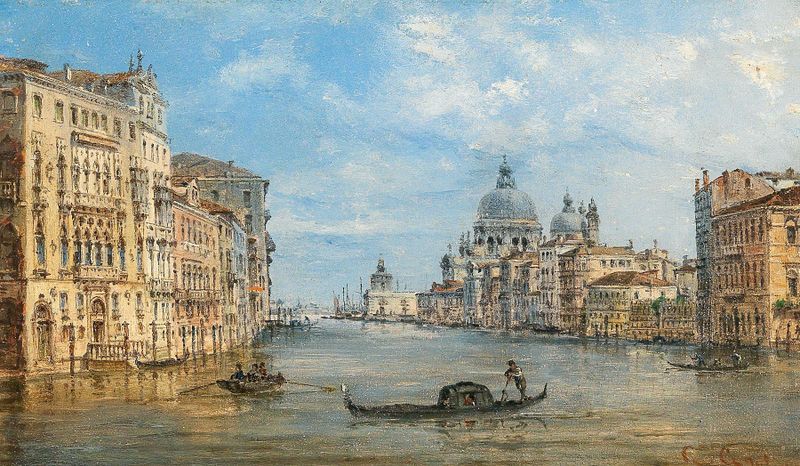
Venice, a view of the Grand Canal
Giovanni Grubacs
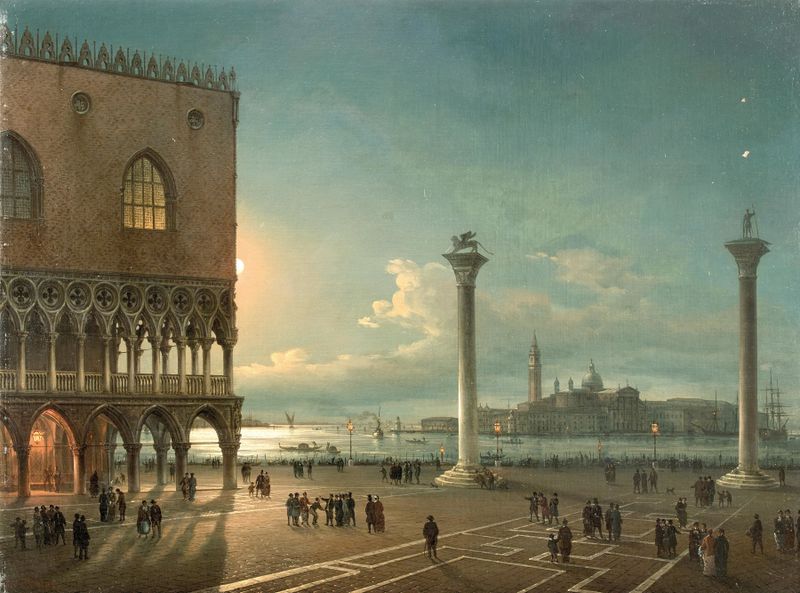
The Piazzetta di San Marco in moonlight, Venice
Giovanni Grubacs
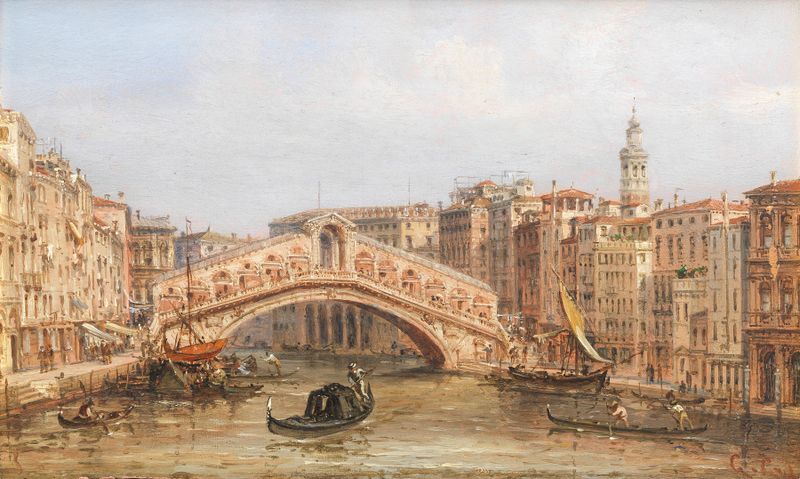
The Rialto Bridge
Giovanni Grubacs
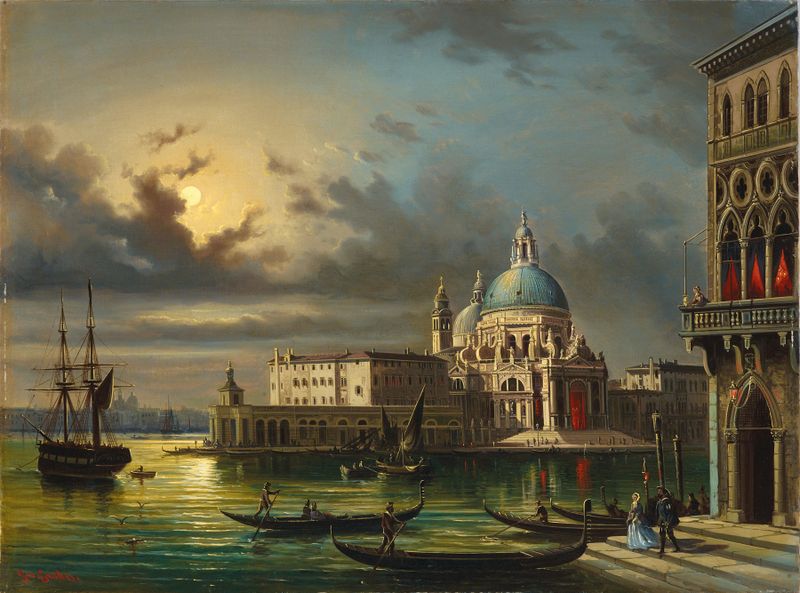
The Punta della Dogana and Santa Maria della Salute, Venice in moonlight
Giovanni Grubacs
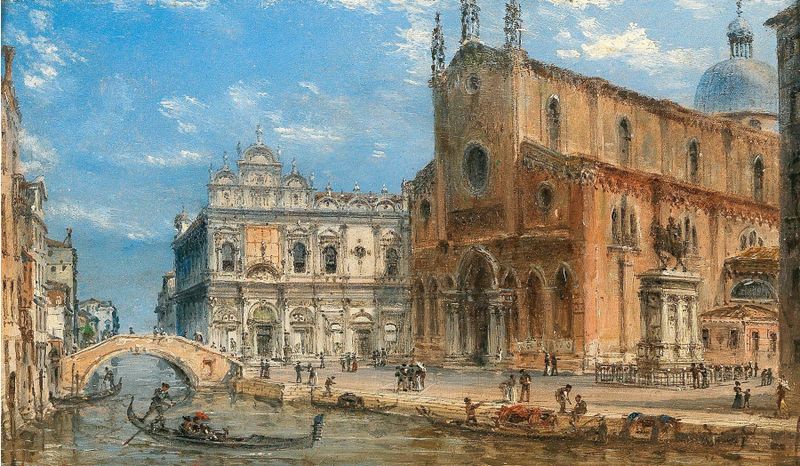
Venice, a view of San Zanipolo with the Colleoni equestrian monument
Giovanni Grubacs
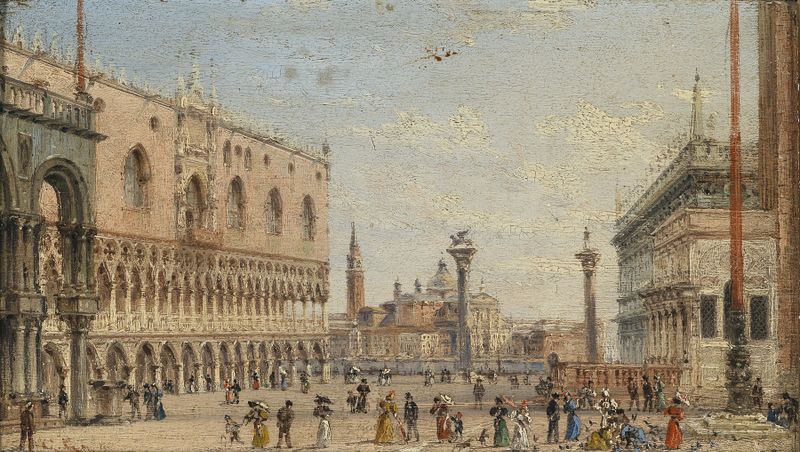
Venedig Piazza San Marco
Giovanni Grubacs
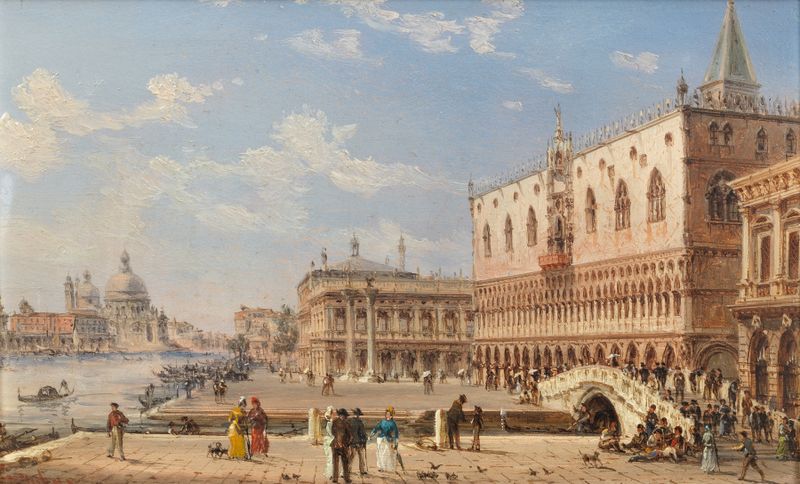
Doge’s Palace with the Ponte della Paglia
Giovanni Grubacs
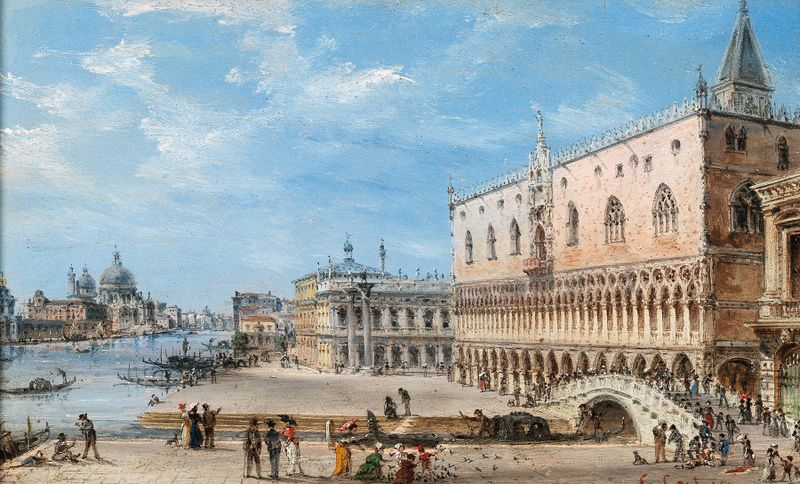
Riva degli Schiavoni
Giovanni Grubacs
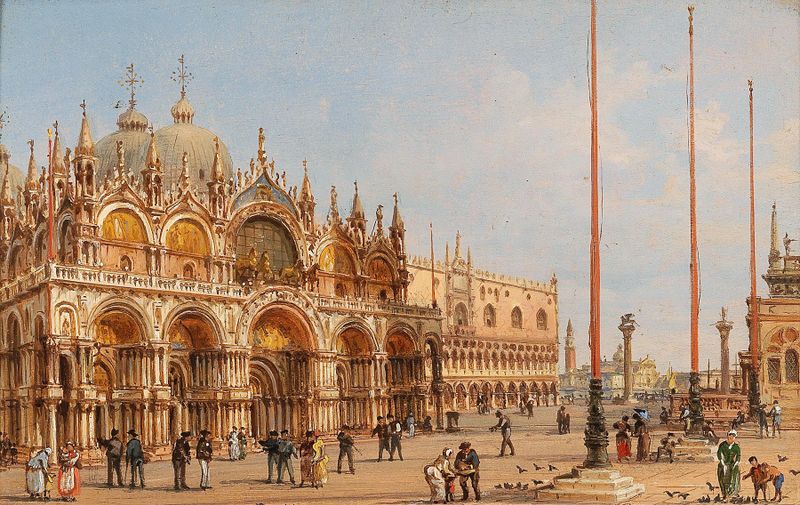
A View Of St Mark’s Basilica And A View Of St Mark’s Square
Giovanni Grubacs
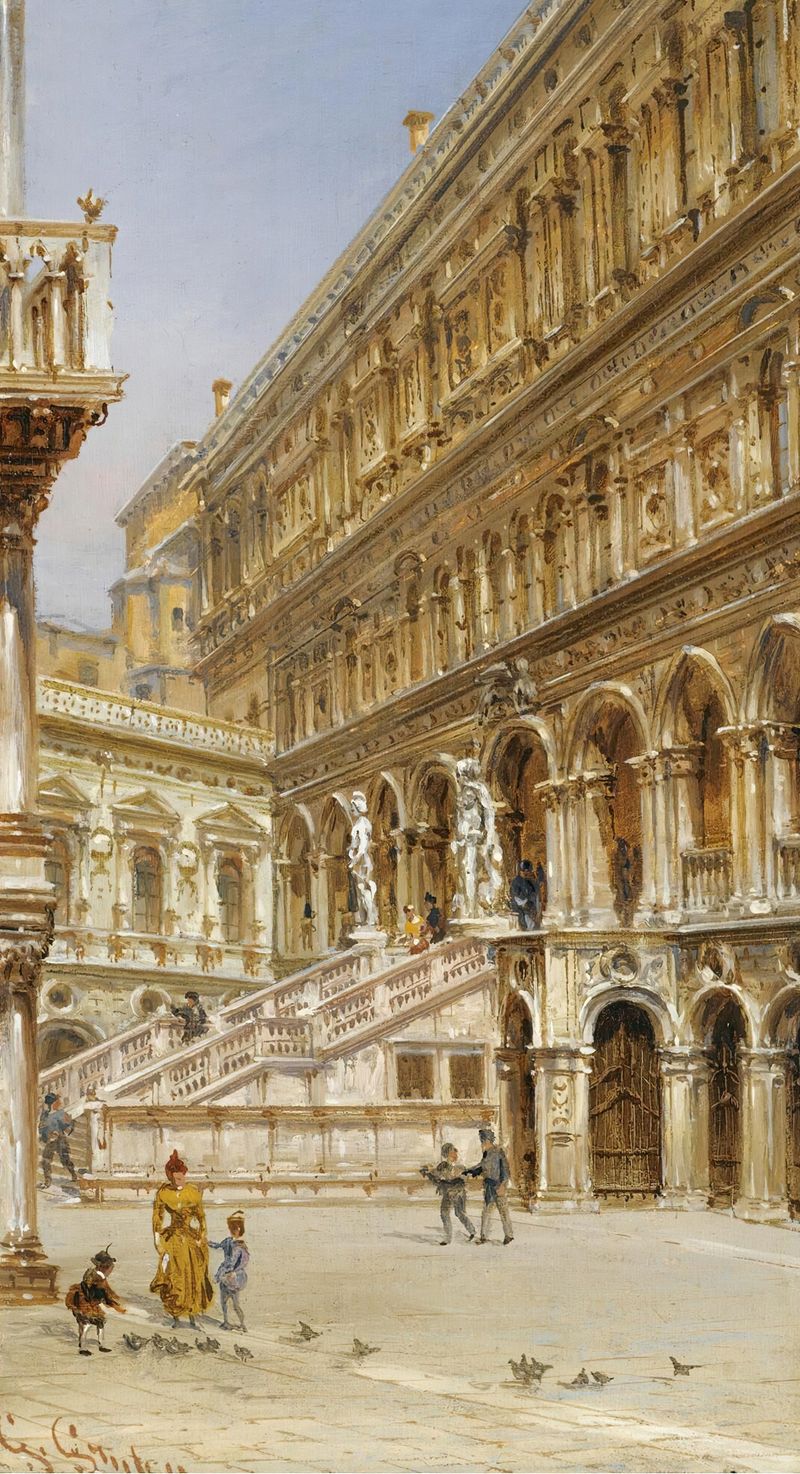
The Giants’ Staircase In The Courtyard Of The Doge’s Palace
Giovanni Grubacs





