
Port Of London — History & Facts
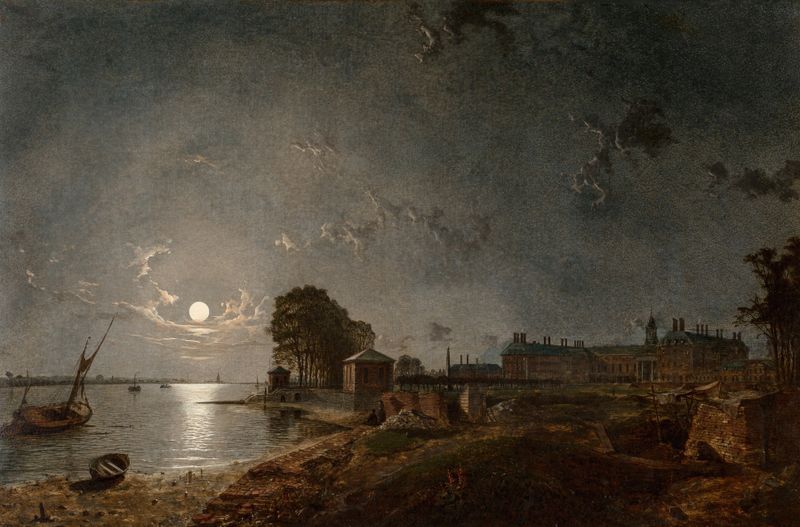
Who listens when art speaks of silence? The stillness of a bustling port becomes a whisper, echoing the destinies entwined within the lives of those who dwell by the water. Look to the right at the glimmers of light dancing on the river's surface, where boats gently bob, tethered to the dock. The muted palette of blues and grays evokes a sense of calm, while the warm earth tones of the buildings draw the eye in. The careful arrangement of vessels and their reflections creates a harmonious rhythm, inviting viewers to explore the scene, understanding that each detail holds a story waiting to unfold. Delve into the contrast between the serene water and the industriousness of the port.
The silhouettes of the figures along the quay, caught in their daily rituals, suggest unspoken narratives of ambition and toil. Perhaps they are dreamers dreaming of distant shores or laborers bound by the weight of expectation — a reflection of the era’s pursuit of progress and prosperity, all orchestrated under the vast, silent sky. In 1861, Henry Pether painted this piece during a time of rapid industrial growth in London. The port was a symbol of the city's economic vitality, and Pether was immersed in the vibrant art scene that sought to document both the grandeur and grit of urban life.
Amidst this transformation, he captured not only the physical reality of a bustling port but also the poignant silence that accompanies the ebb and flow of human endeavor.
More Artworks by Henry Pether
Browse all →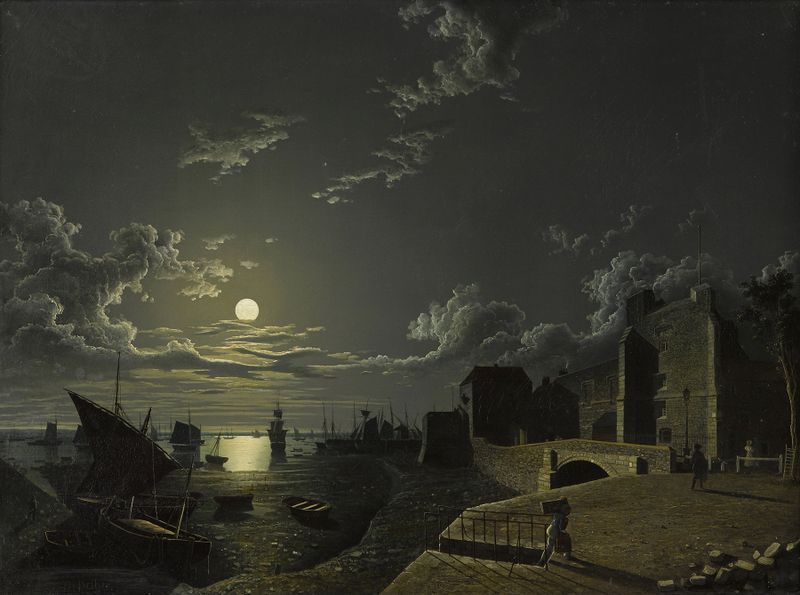
God’s House Tower, Southampton
Henry Pether

A View of the Bacino di San Marco with the Doge’s Palace and the Church of Santa Maria della Salute in the Distance, by Moonlight
Henry Pether
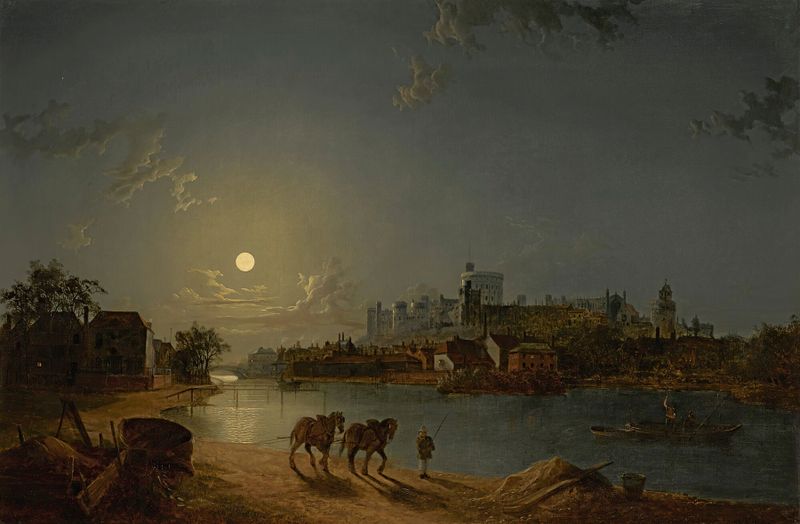
Windsor From The Thames
Henry Pether

Horseguards Parade from St James’s Park
Henry Pether

Moonlight on the Grand Canal, Venice
Henry Pether
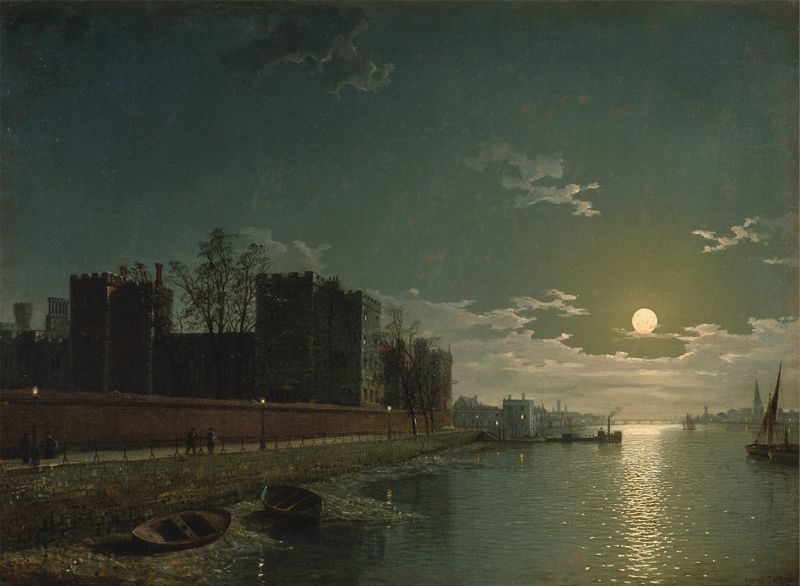
Lambeth Palace
Henry Pether

The Band Stand, Vauxhall Royal Gardens
Henry Pether
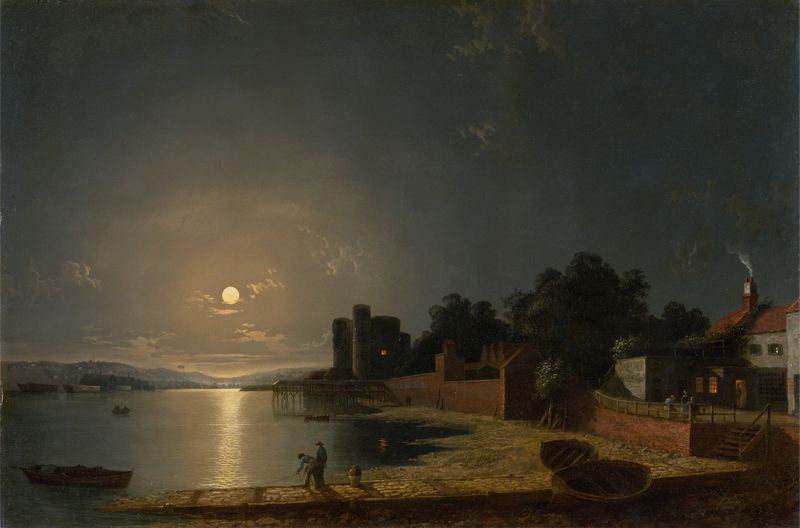
Upnor Castle, Kent
Henry Pether
The Royal Hospital, Chelsea
Henry Pether
Moonlit fishing on the riverbank
Henry Pether





