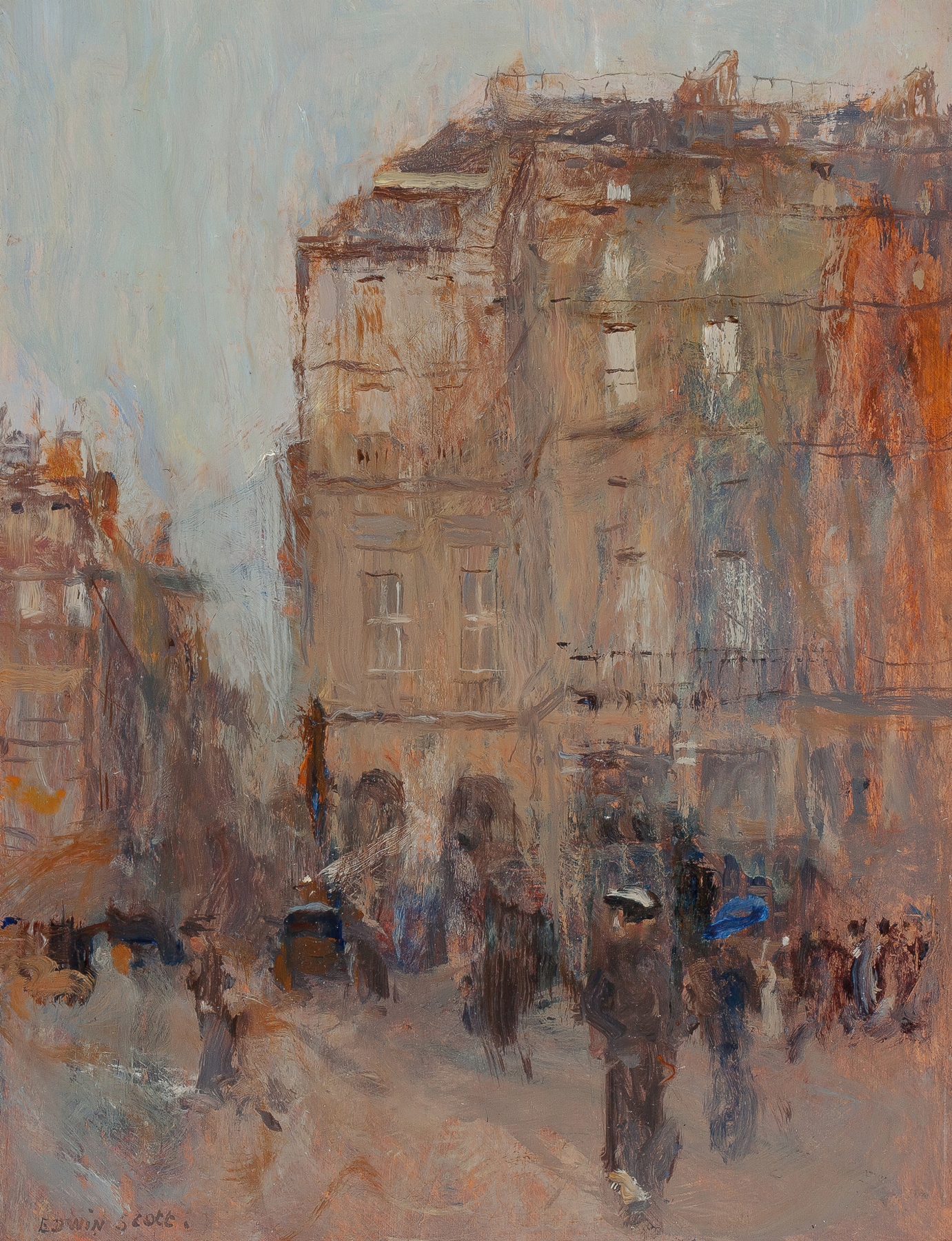
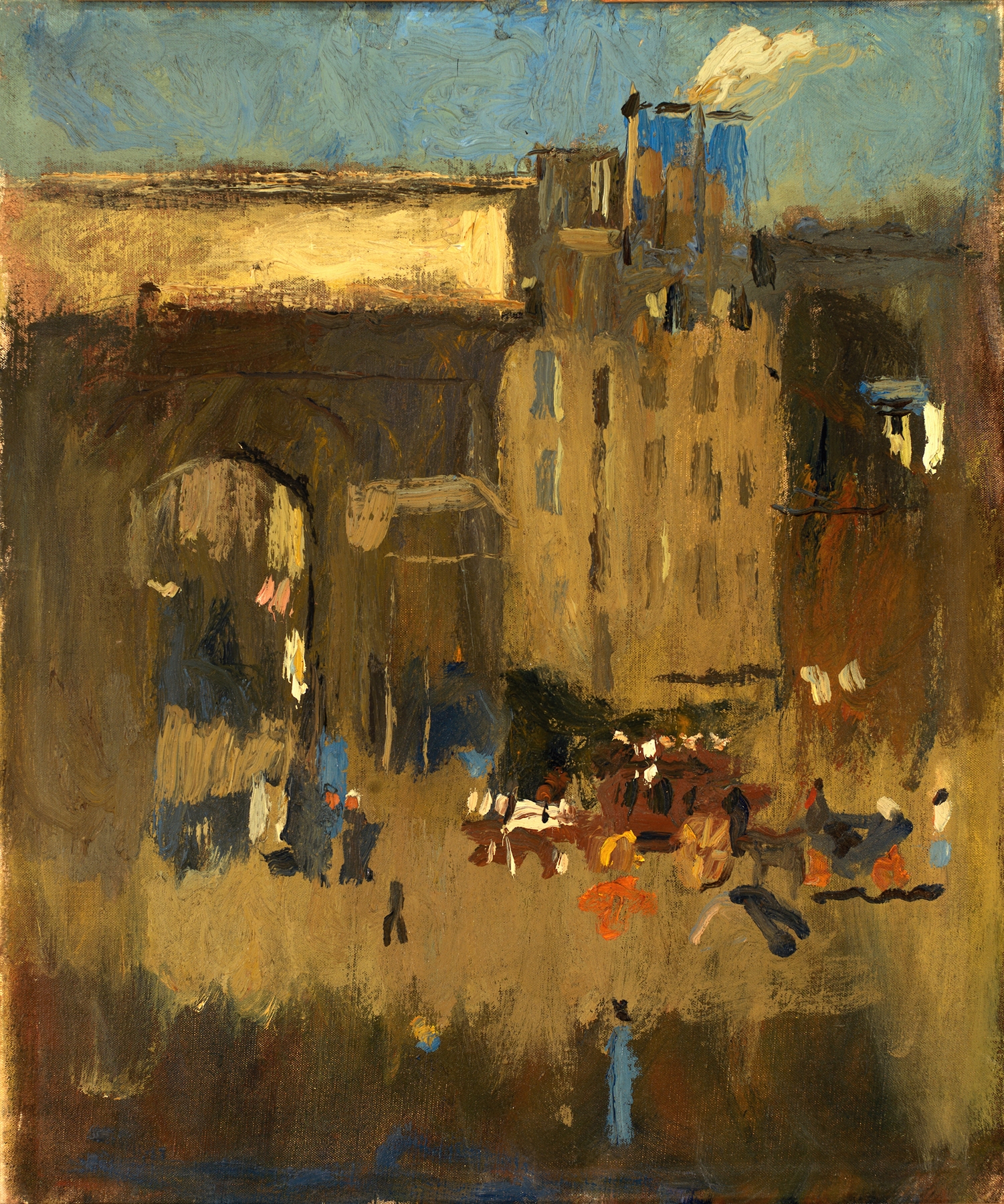
Porte St. Martin no. II — History & Analysis
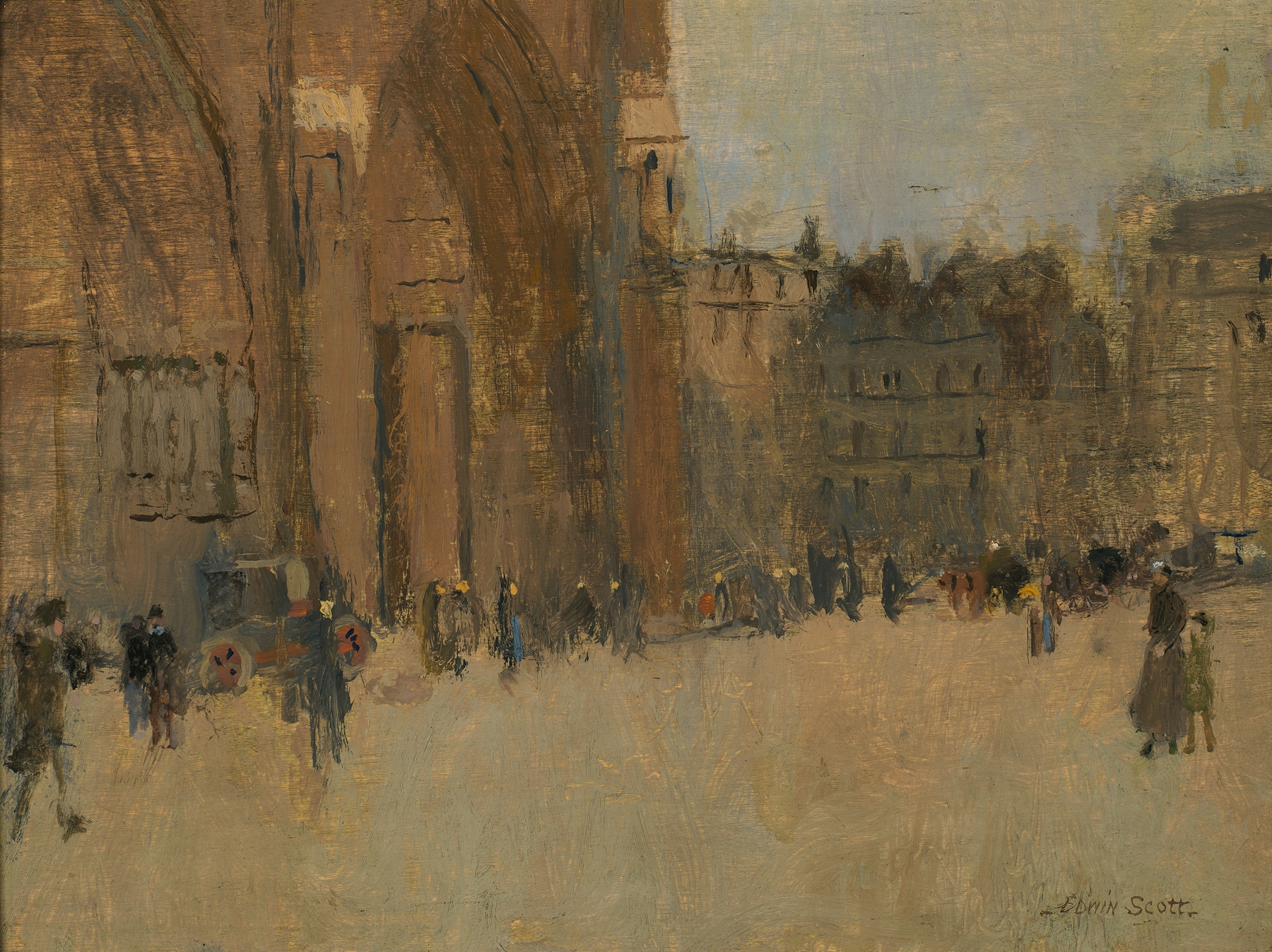
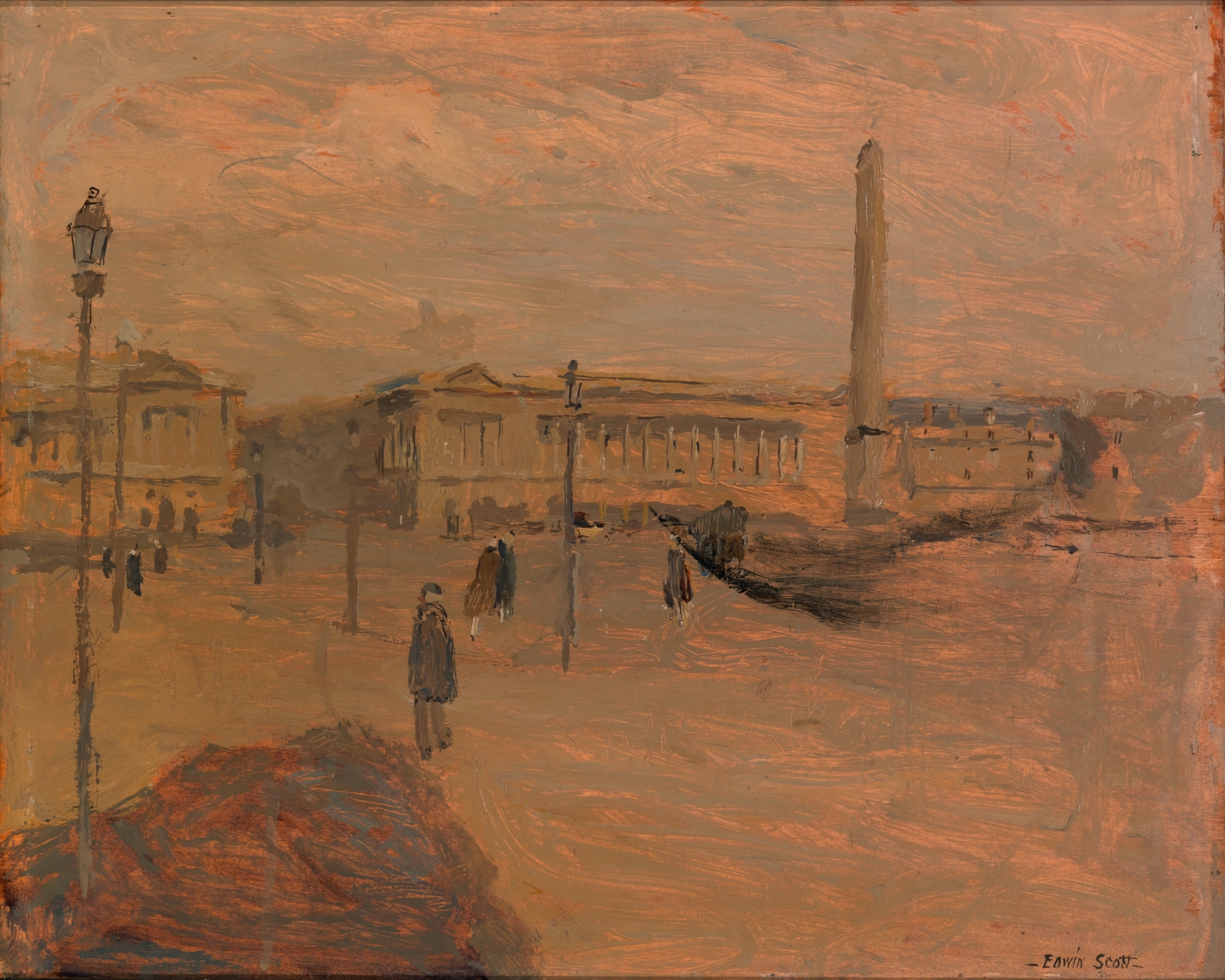
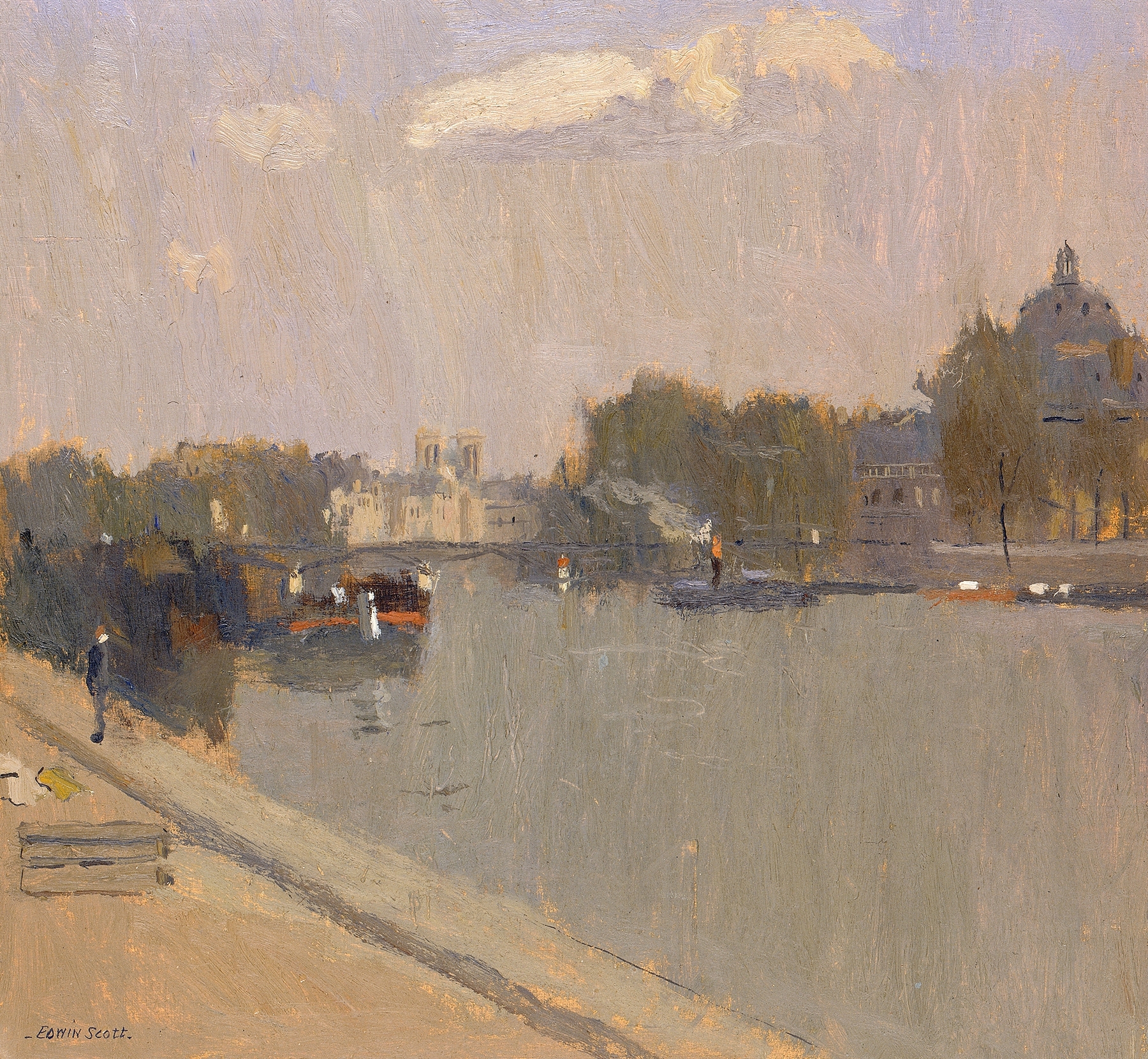
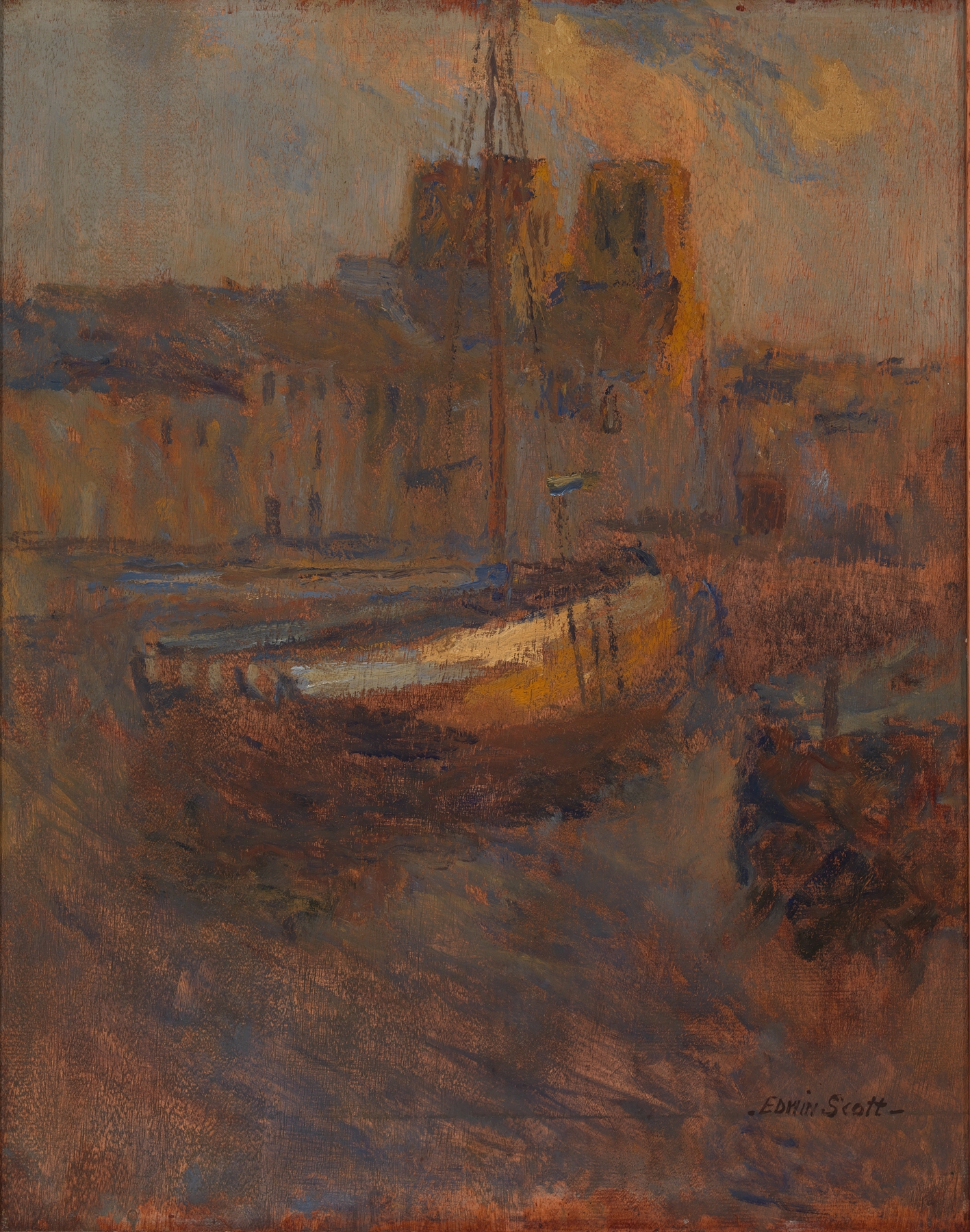
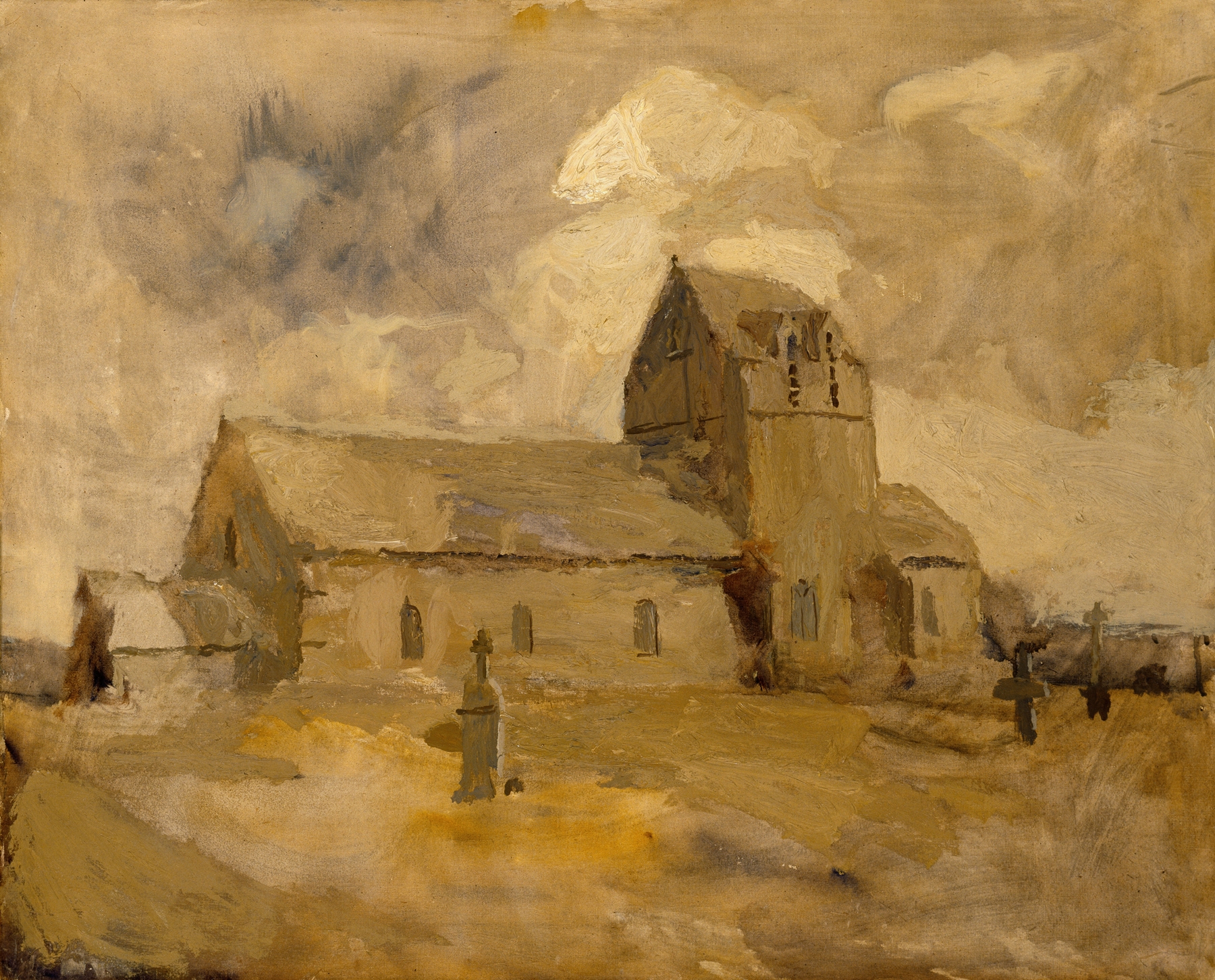
Can beauty exist without sorrow? In the interplay of light and shadow, the answer unfolds, revealing a haunting elegance that invites contemplation. Look to the center of the canvas, where the grand archway of Porte St. Martin looms majestically. The soft interplay of light and dark beautifully highlights the intricate architectural details, drawing the eye toward the delicate balance of shadow that cloaks the structure.
Notice how the muted palette enhances the somber beauty, with deep grays and warm ochres creating a soulful resonance. The arch serves as both entrance and exit, a gateway that beckons yet conceals the world beyond. Yet, the shadows whisper deeper truths, suggesting hidden stories of those who pass under its arch. The contrast between light and dark evokes a sense of transience, as if time itself is suspended in this moment.
The stillness of the scene belies an undercurrent of longing and nostalgia, urging viewers to reflect on the fleeting nature of beauty and the inevitable presence of sorrow in our realities. Created in an uncertain era, the artist crafted this piece when modernity was rapidly evolving, with traditional ideals often clashing against the new. Although the exact date remains unknown, the work speaks to a fascination with architectural elegance and emotional depth that characterized the early 20th century. Scott, navigating his surroundings and influences, captured the duality of existence through the lens of a seemingly simple gateway, transforming it into a poignant symbol of life’s complexities.