L’ Heure Bleu a Paris — History & Analysis
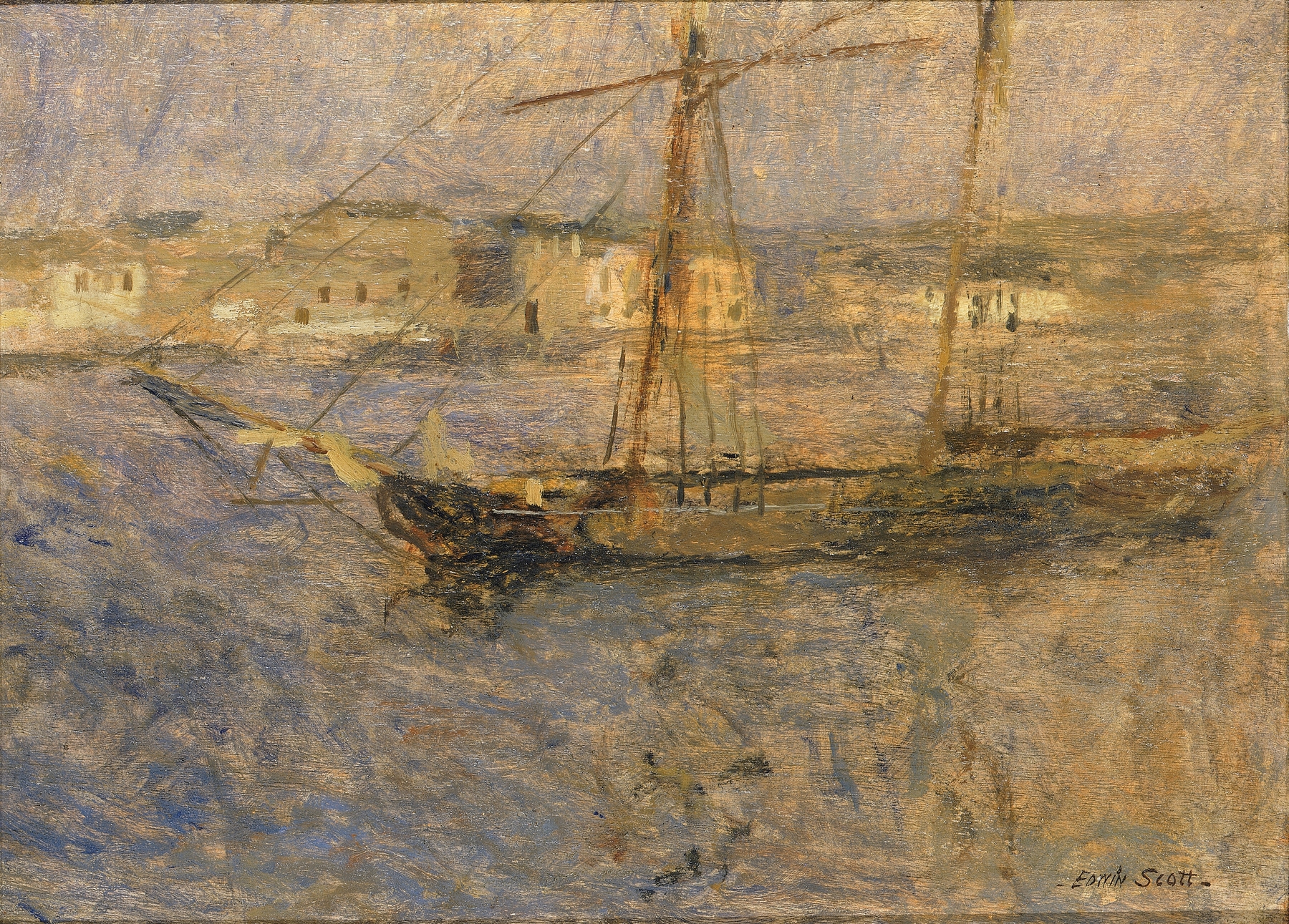
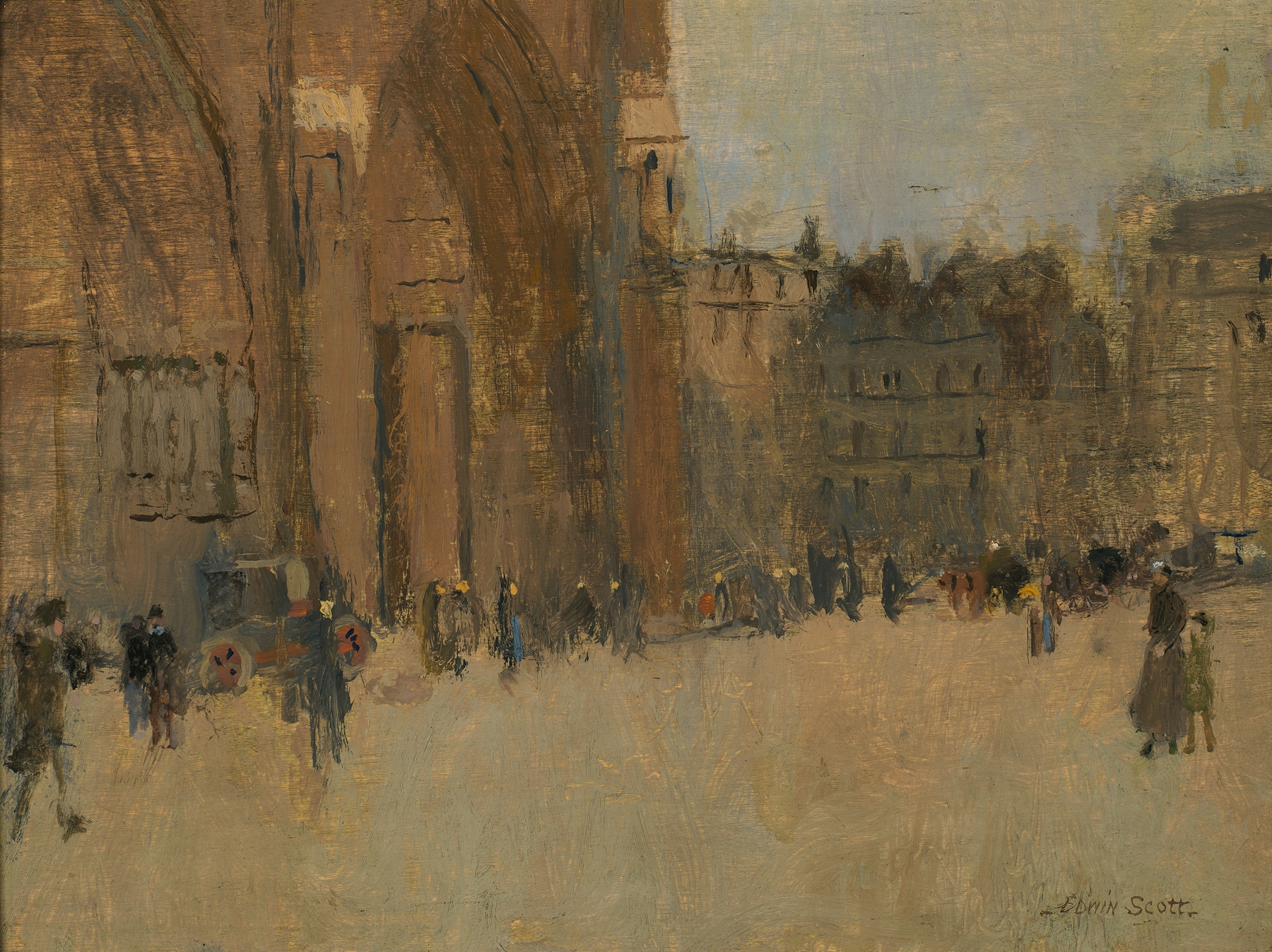
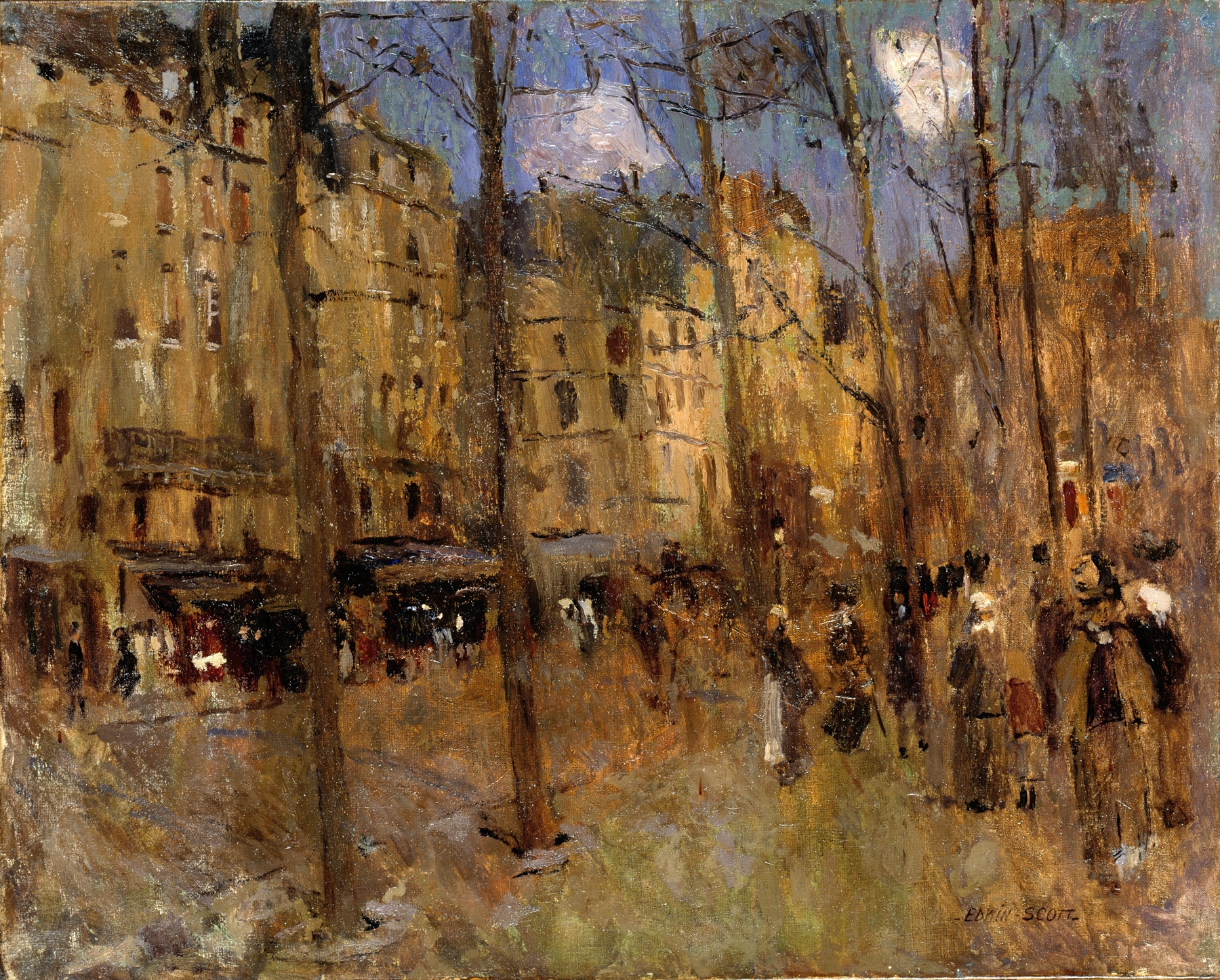
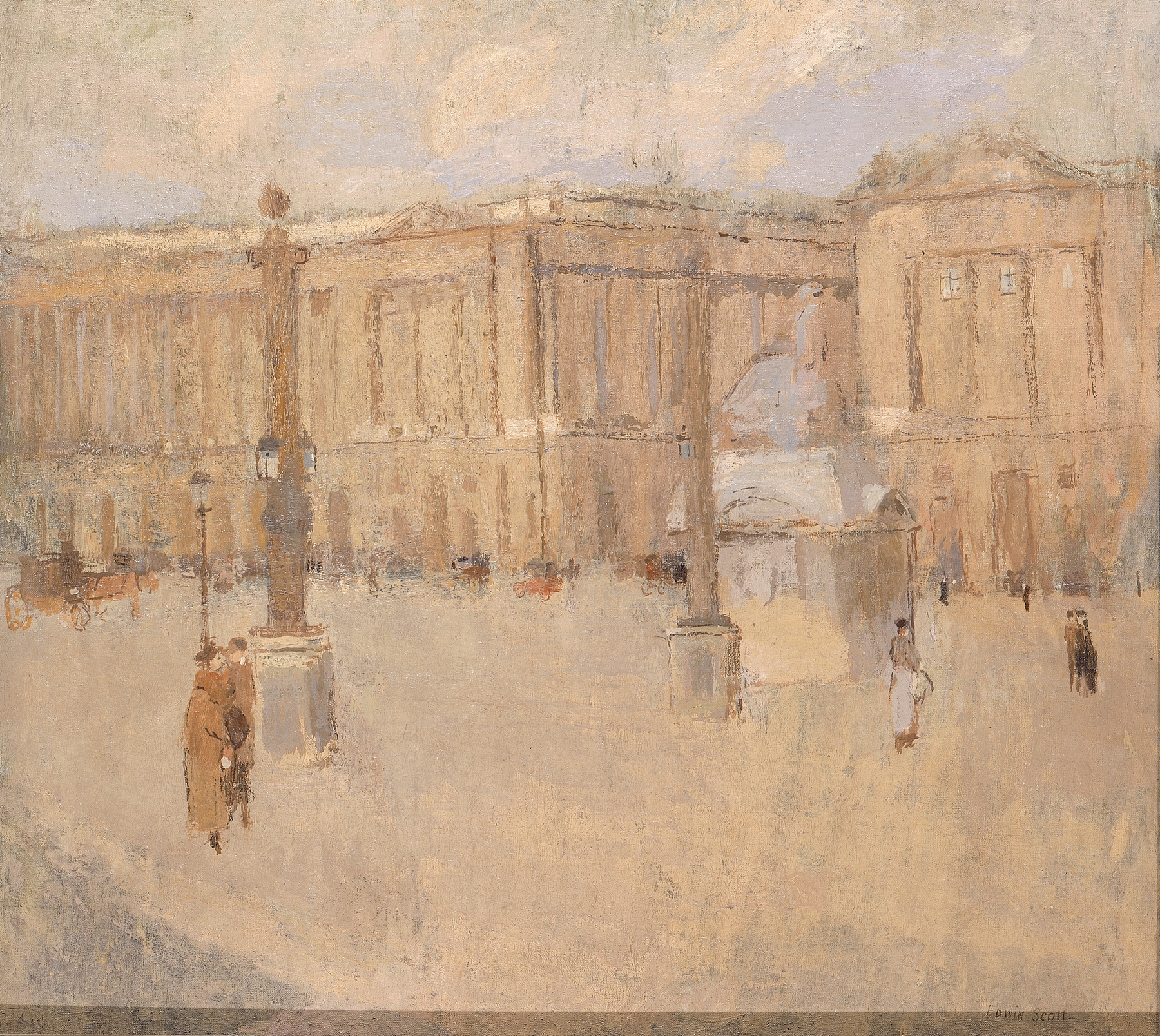
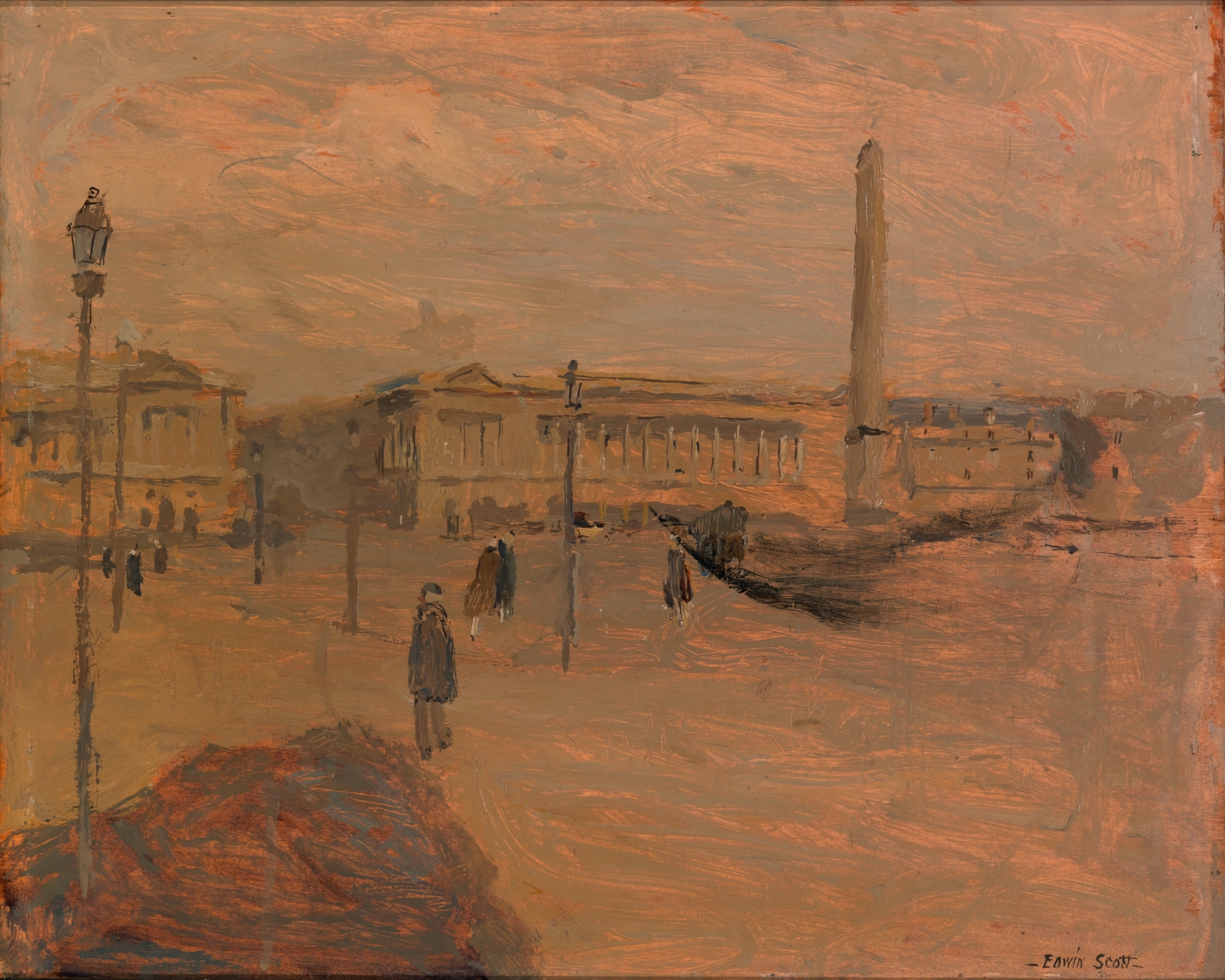
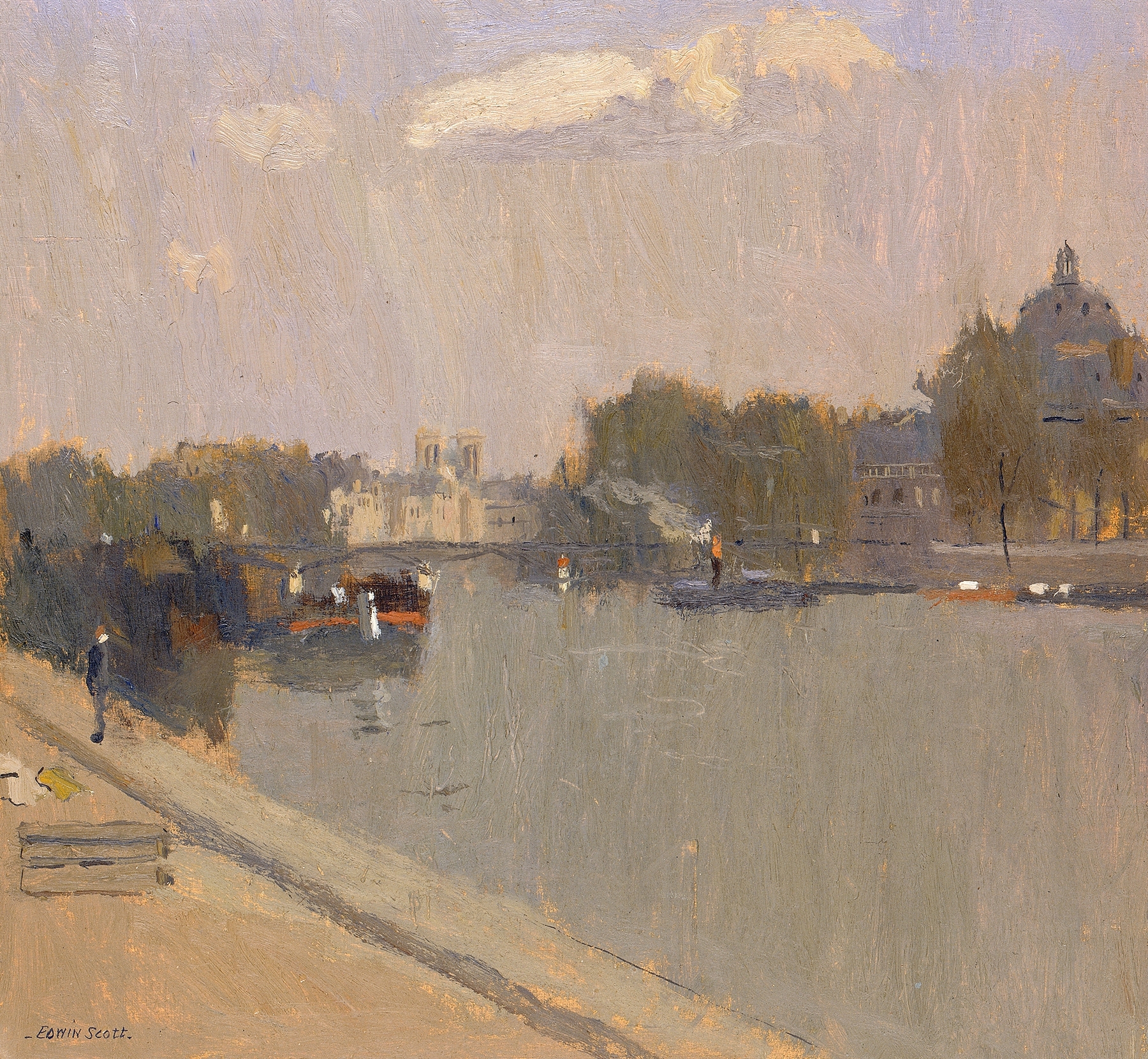
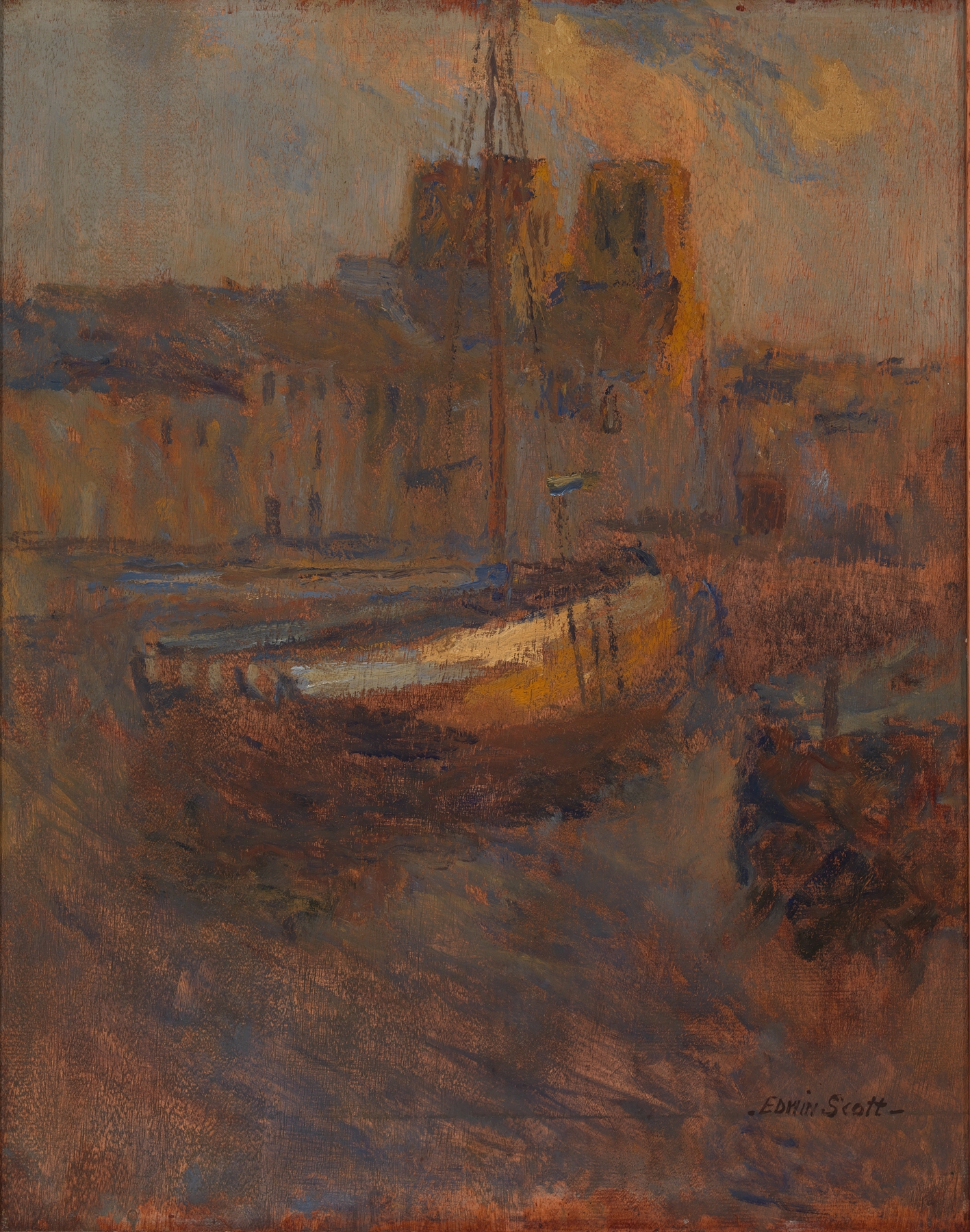
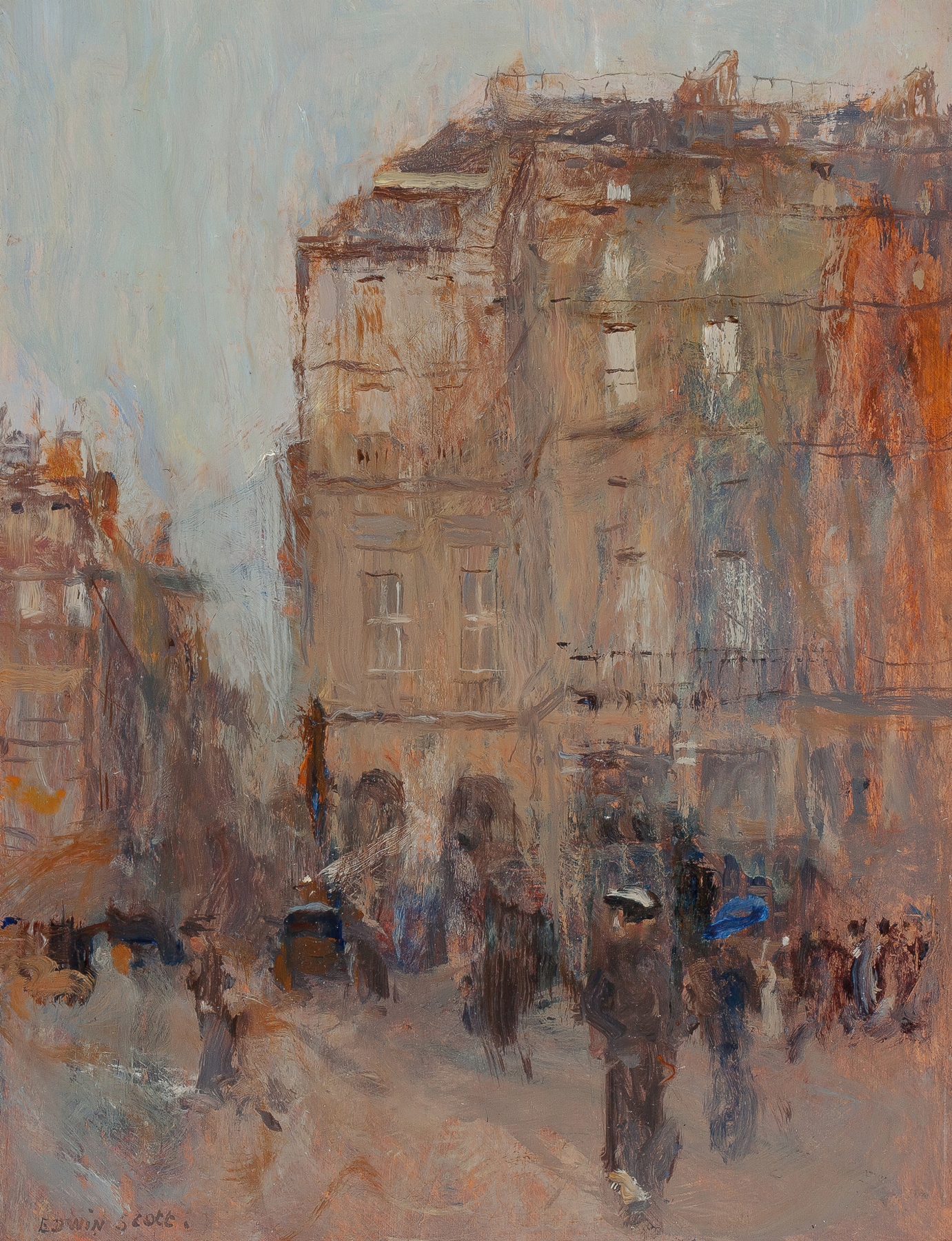
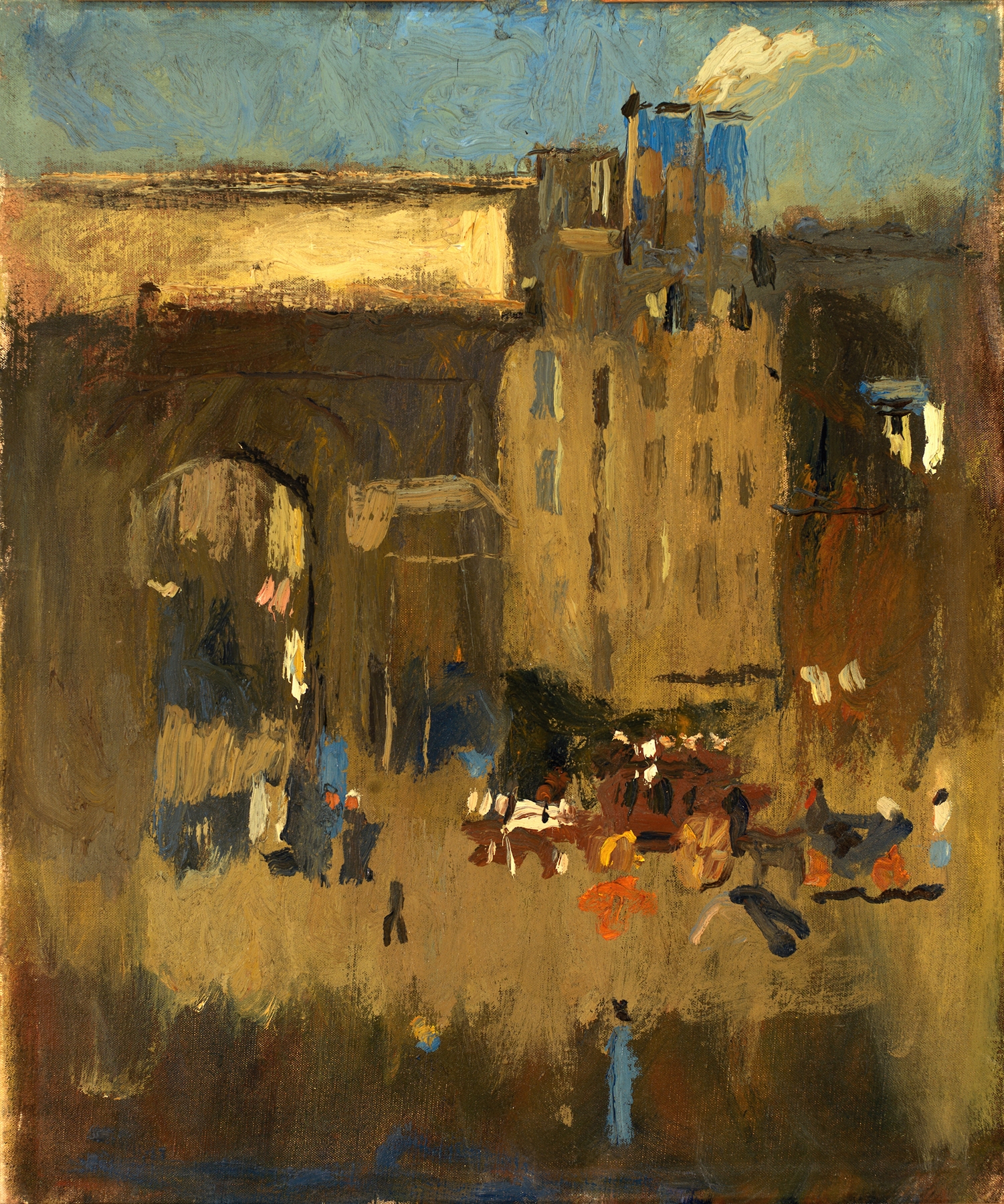
Who listens when art speaks of silence? In the stillness of L’ Heure Bleu à Paris, a serene hush envelops the canvas, inviting contemplation and introspection. The colors whisper secrets of the twilight hour, a moment suspended between day and night, echoing the profound silence that blankets the city. To fully appreciate this work, look at the delicate interplay of blues and purples that dominate the canvas. Notice how the artist captures the essence of twilight, blending hues to evoke a sense of calm and tranquility.
The soft gradation of color draws your gaze toward the horizon, where the last vestiges of sunlight kiss the skyline. The brushstrokes are fluid yet controlled, conveying a sense of harmony, while the absence of figures enhances the feeling of isolation in this urban landscape. As you delve deeper, consider the juxtaposition of light and shadow: the fading light symbolizes the passage of time, while the encroaching darkness hints at the quiet mysteries of the night. The absence of human presence amplifies the theme of solitude, prompting reflections on the nature of existence.
In this moment, silence becomes a canvas itself, inviting viewers to explore their own emotions and memories within the stillness. Frank Edwin Scott painted this piece during a time when the art world was shifting towards modernism, with an emphasis on conveying emotional experience through abstraction. The exact date remains uncertain, yet the timeless quality of L’ Heure Bleu à Paris serves as a bridge between the impressionist dialogue of the past and the emerging sensibilities of the early 20th century. At that moment, the artist was navigating his own creative identity amidst a vibrant yet tumultuous period in art history.