
Portrait of a boy — History & Facts
What grips the viewer first in Portrait of a boy by Albert Anker is the direct, almost wary gaze of its young subject. The boy’s face, softly illuminated, emerges from a shadowed, nondescript background, his blue eyes meeting ours with a mixture of curiosity and reserve. The artist’s brush lingers on the flushed cheeks and slightly parted lips, suggesting a moment of interruption—perhaps the boy has just turned, caught mid-thought or mid-question.
The neutral tones of his vest and shirt serve to heighten the delicate modeling of his skin, while the subtle play of light across his hair and collarbone draws the eye upward, returning us to that steady, searching expression. Nothing distracts from the encounter: there are no props, no narrative clues, just the silent exchange between sitter and viewer. Works like this, rooted in the 19th-century tradition of portraiture, often served as private keepsakes or tokens of familial pride, especially in the hands of an artist like Anker, known for his sensitive depictions of rural Swiss life. Such portraits were rarely grand commissions; rather, they captured the everyday dignity of ordinary people, reflecting a world where childhood was beginning to be seen as a subject worthy of serious attention.
The unknown date and provenance of this particular painting, last recorded in a 2008 Zürich sale, only deepen its sense of quiet anonymity—history has kept few traces of this boy’s name or story. Yet the painting’s careful observation and unvarnished honesty invite us to linger, searching for the life behind those watchful eyes.
More Artworks by Albert Anker

Portrait Of A Girl
Albert Anker
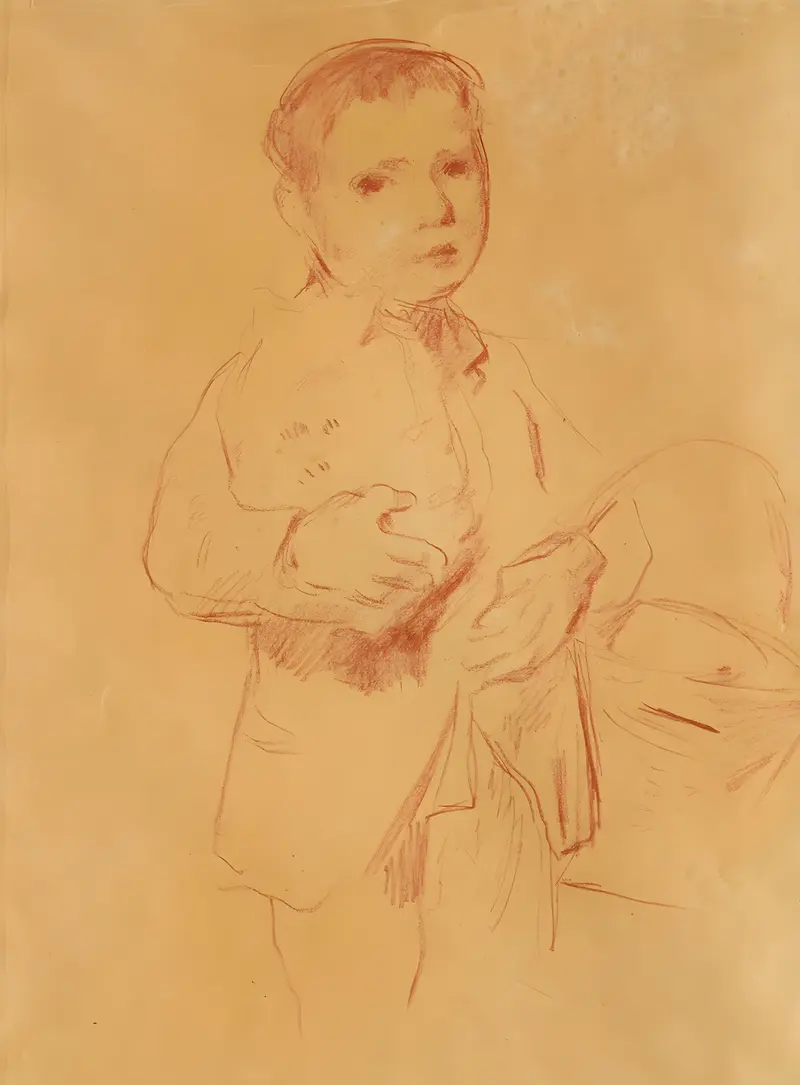
Boy with a basket
Albert Anker
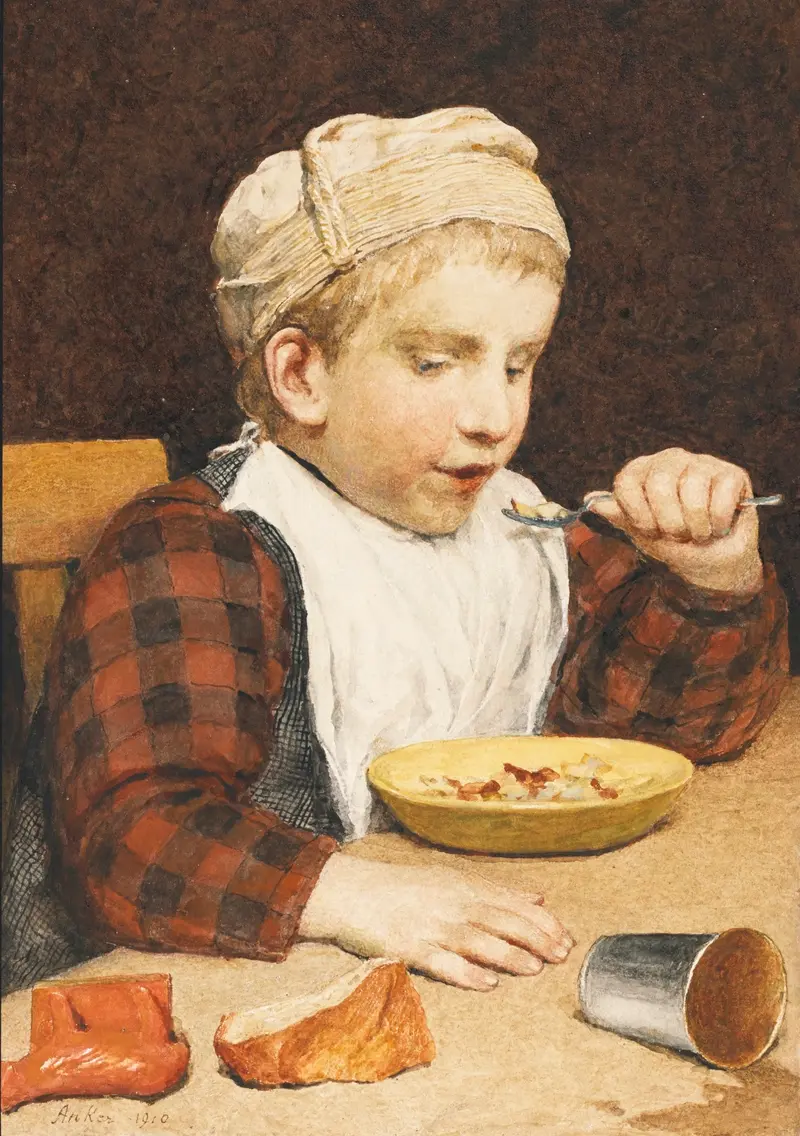
Knabe Mit Mütze Beim Essen
Albert Anker
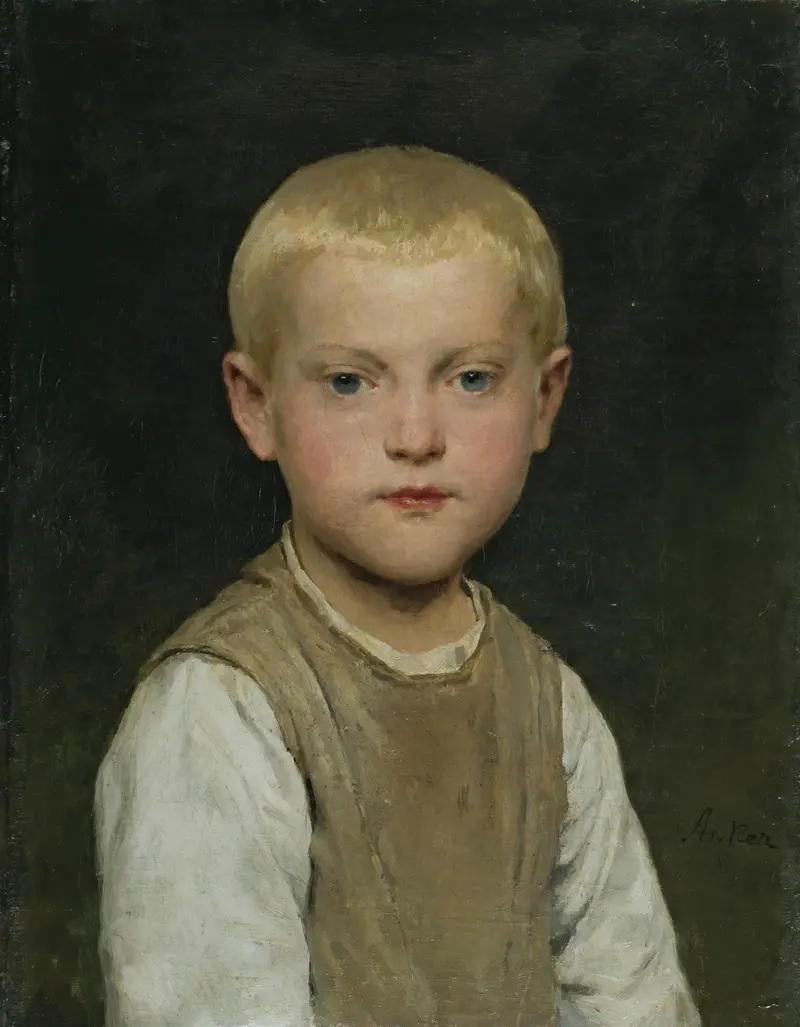
Knabenbildnis (Dr Heiri)
Albert Anker
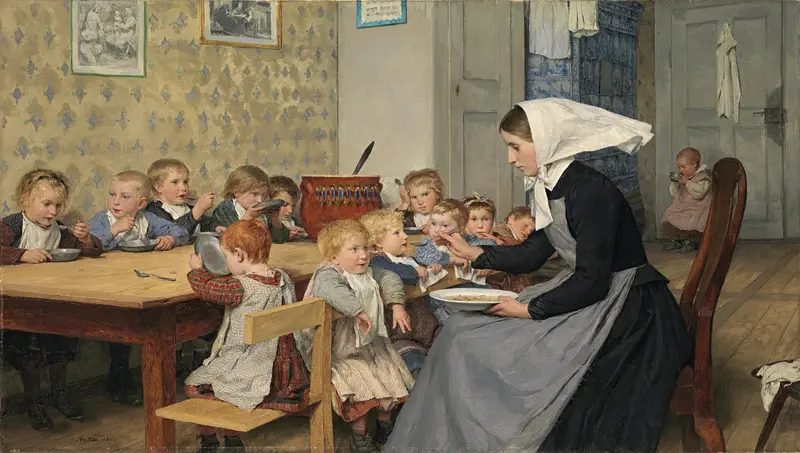
Die Kinderkrippe I
Albert Anker

L’instituteur et le pasteur
Albert Anker
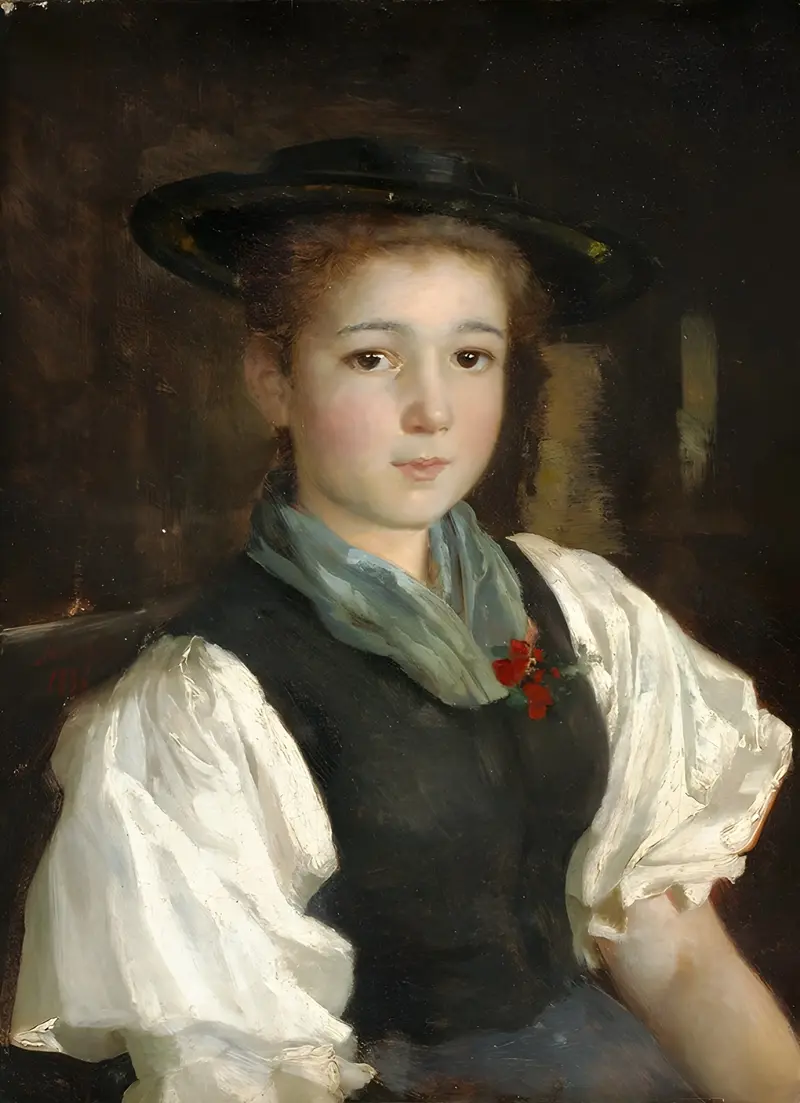
Bauernmädchen (Farm Girl)
Albert Anker
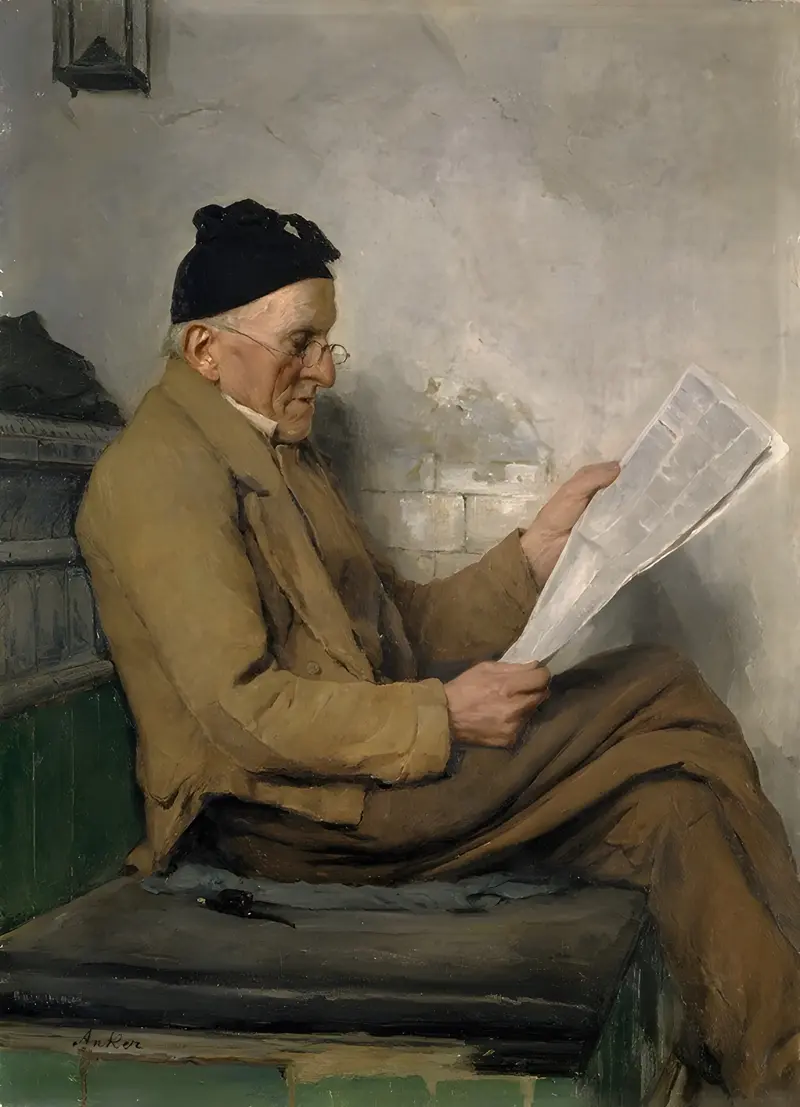
Farmer Reading on the Stove Bench
Albert Anker
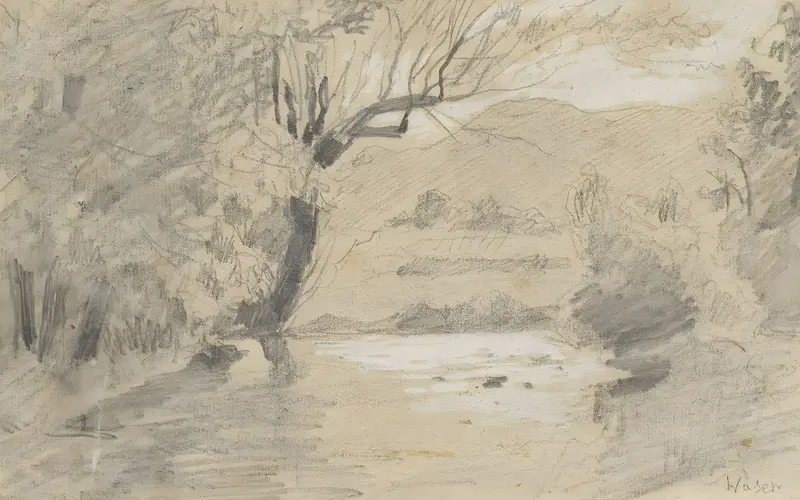
Flusslandschaft in Wasen (Emmental)
Albert Anker
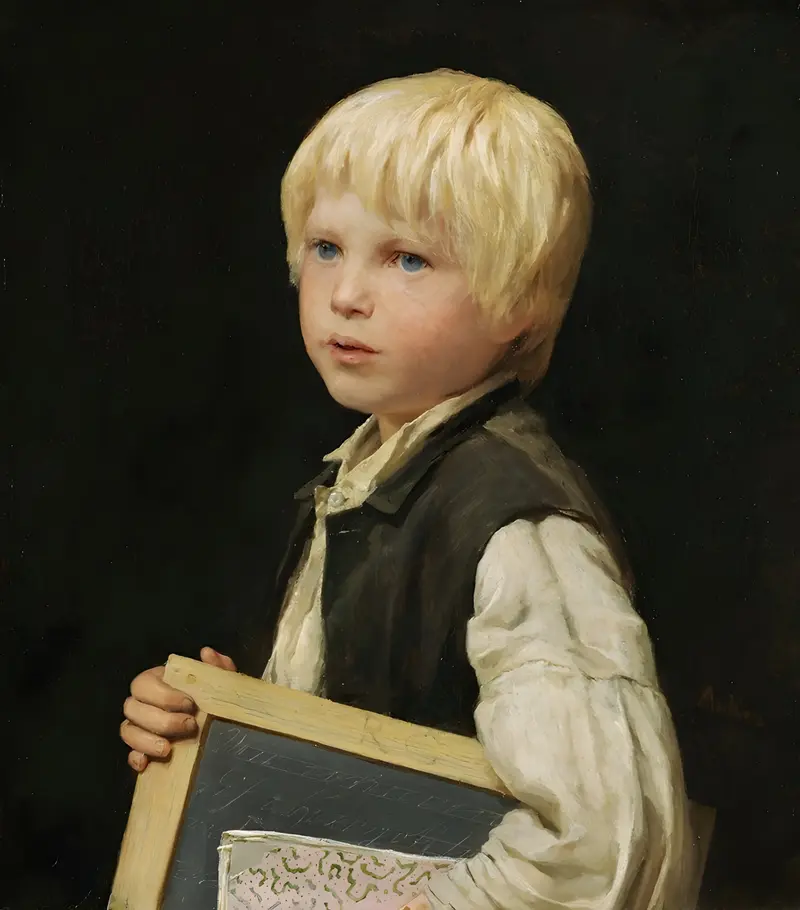
School Boy
Albert Anker





