
Portrait of a Boy — History & Facts
What first draws the eye in Portrait of a Boy by August Allebé is the boy’s gaze—direct, reserved, and unmistakably alive. The painter has captured not just a likeness, but a moment of quiet self-possession. The boy’s slightly tilted head and the careful crossing of his legs suggest a mixture of formality and ease, as if he’s been asked to sit still but can’t quite hide his natural restlessness.
The red bow at his collar, vivid against the muted browns and greens, acts as a small rebellion of color—a detail that insists on the boy’s individuality. Soft light falls across his face, modeling his features with gentle clarity, while the background recedes into a haze, ensuring that nothing distracts from the sitter’s presence. Painted in 1856, this portrait belongs to a period when such images were often commissioned to mark a stage in a child’s life, a rite of passage for middle-class families eager to record their lineage and aspirations. In the mid-nineteenth century, artists like Allebé were moving away from the stiff conventions of earlier portraiture, favoring a more naturalistic approach that hinted at character and mood.
Little is recorded about this particular work, now in the collection of the Rijksmuseum, but its quiet intimacy speaks to the values of its time: the importance of family, the dignity of childhood, and the subtle assertion of personality. One is left to wonder about the boy’s story, his world just beyond the frame, and to return to his steady, searching eyes.
More Artworks by August Allebé

Kalkoenen in een landschap DM 986 637 Dordrechts Museum
August Allebé
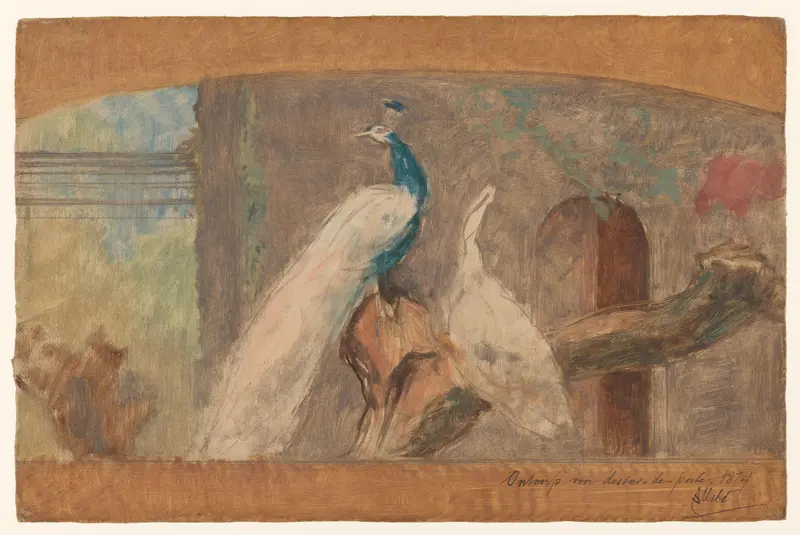
Ontwerp voor een dessus-de-porte: tak met pauw en andere vogels
August Allebé
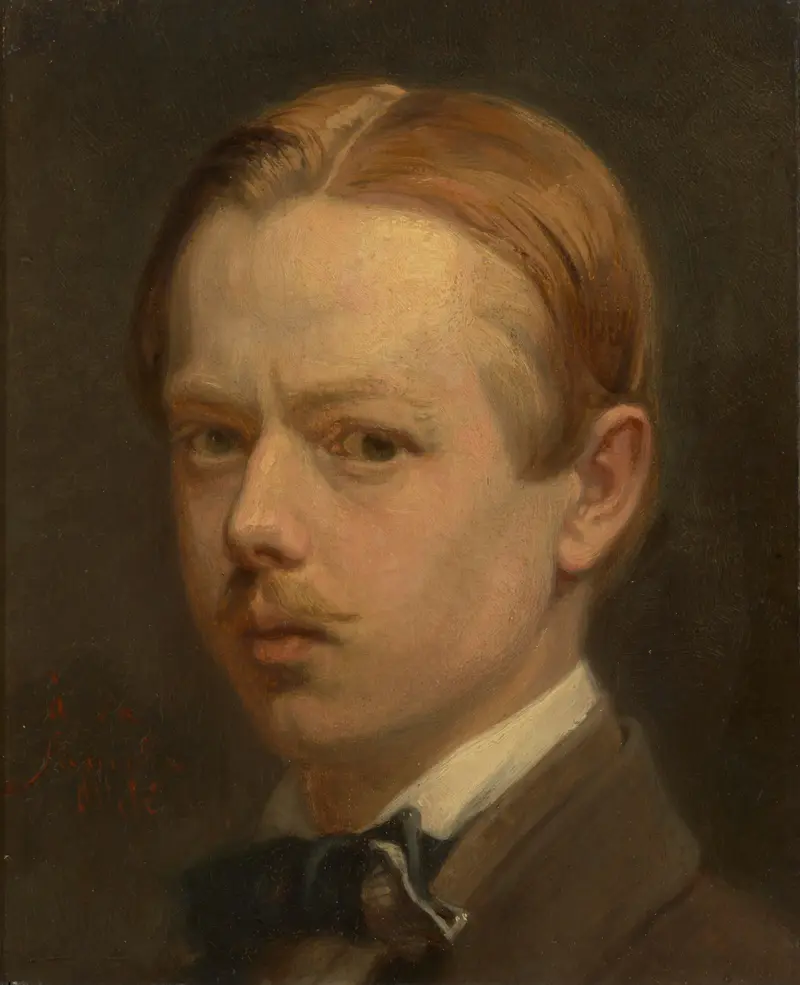
Self-portrait
August Allebé
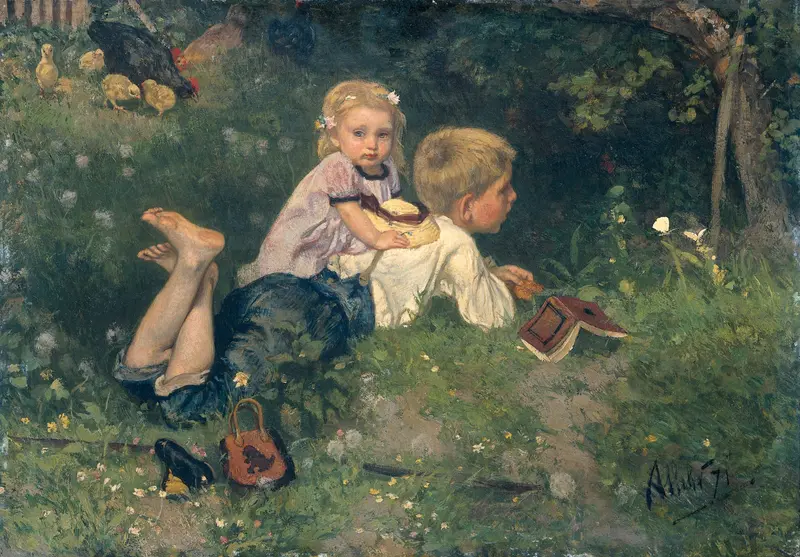
The Butterflies
August Allebé
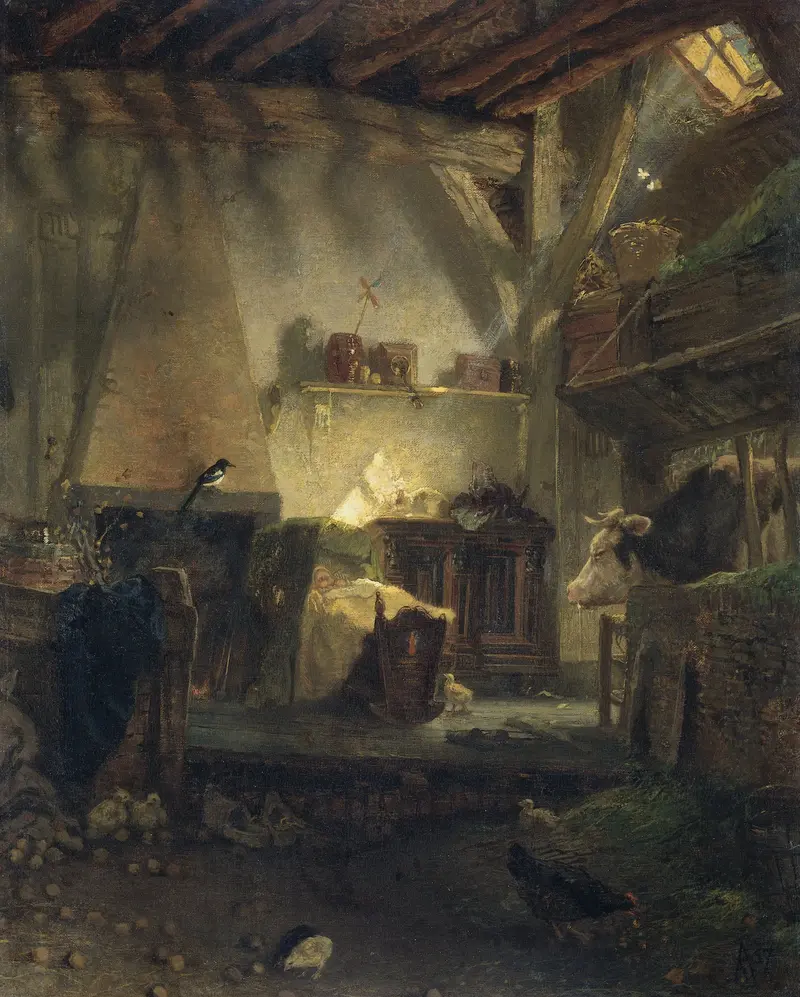
Well-guarded Child
August Allebé
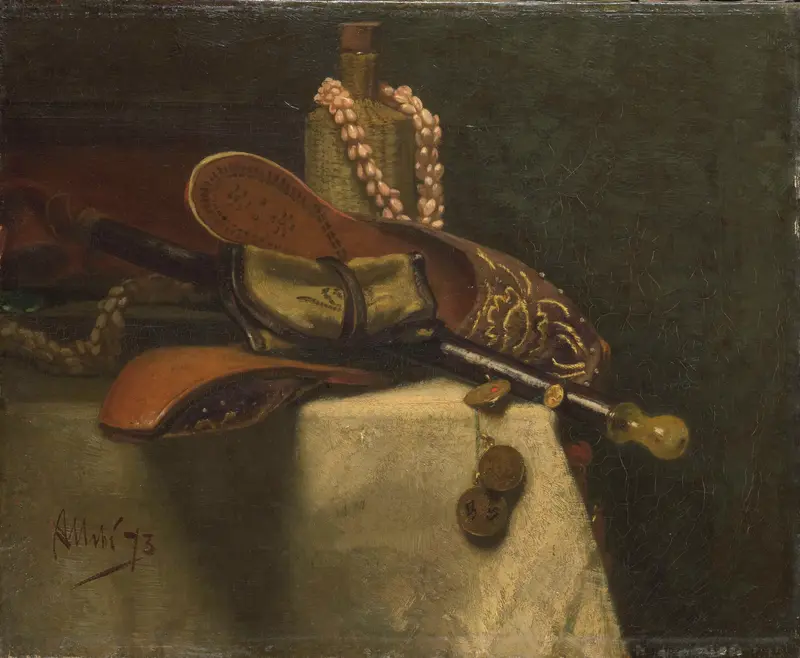
Still Life with Oriental Slippers
August Allebé
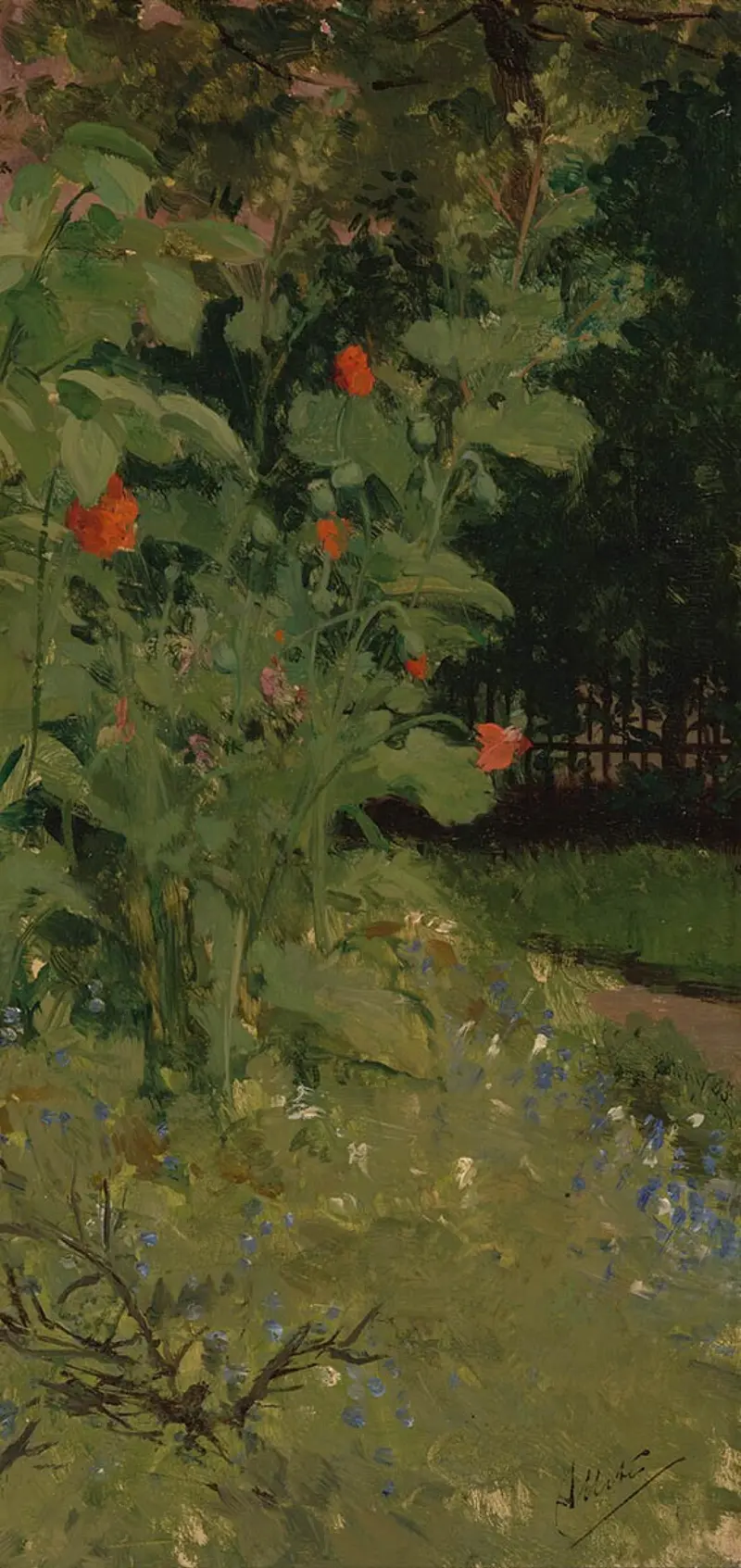
Garden Corner (Poppies)
August Allebé
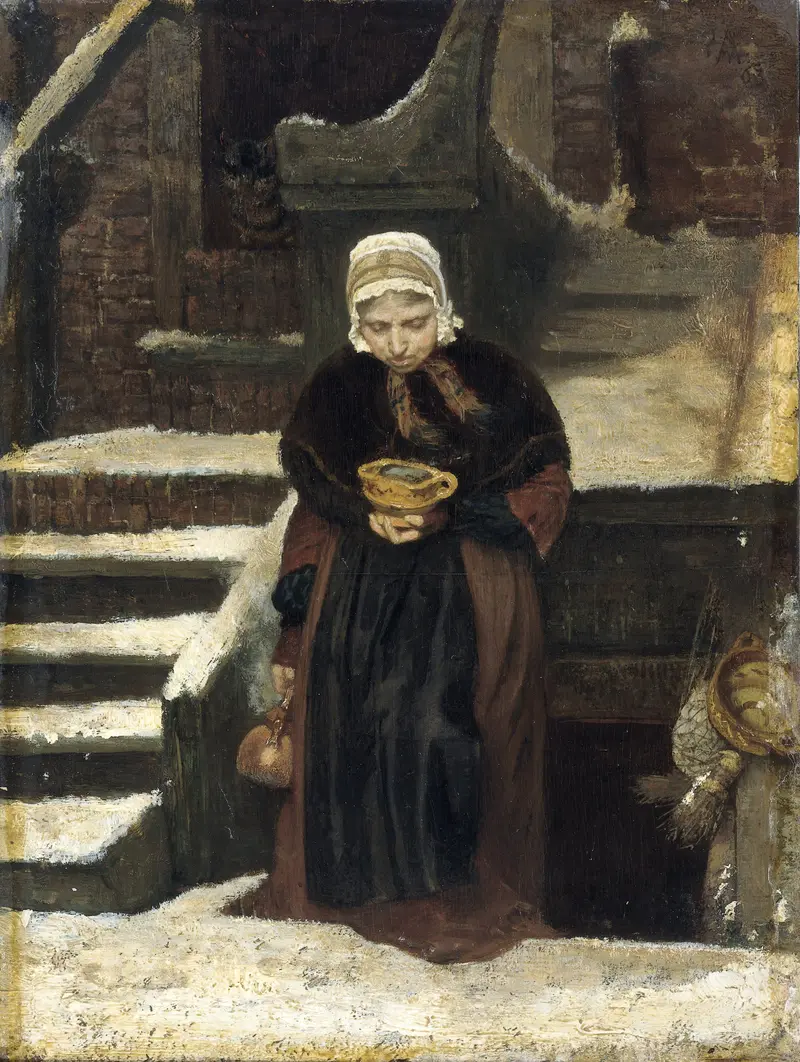
In Later Life
August Allebé
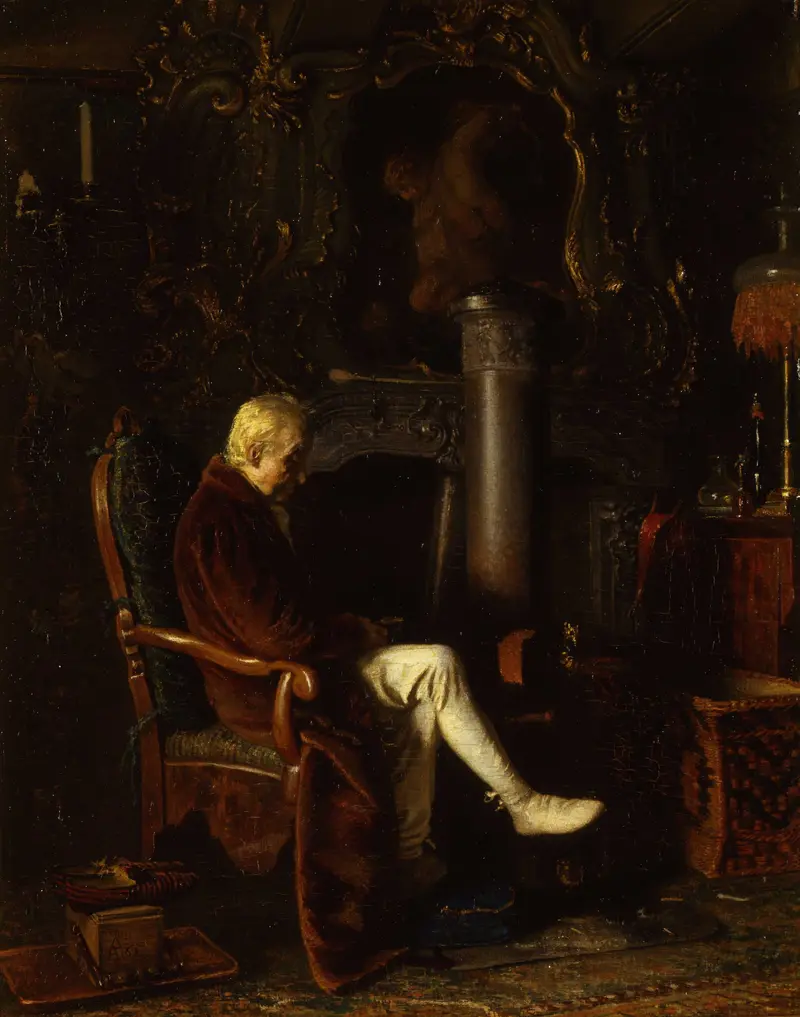
Nadagen (Lethe) DM 874 402 Dordrechts Museum
August Allebé
Maternity Visit
August Allebé





