
Portrait of a Painter, perhaps the Artist Himself — History & Facts
A young artist fixes his gaze on us, brush poised, as if interrupted mid-thought in the quiet theater of his studio. The ochre robe he wears, loose and almost theatrical, marks him as a practitioner of a noble craft, while the scattered objects around him—skull, statuettes, a plaster cast—whisper of the painter’s dual life as both craftsman and philosopher. The light falls from the left, catching the sheen of his sleeve and the pale oval of his face, drawing our eye to the delicate tension in his hand.
Behind him, the mantel is crowded with the trophies and tools of artistic inquiry: a reminder that the act of painting is as much about study as inspiration. The artist’s expression is intent, almost wary, as if weighing the truth of what he sees against what he might dare to show. Painted on 16 July 1730, this work belongs to a world where self-portraiture was both a calling card and a quiet manifesto. In the Dutch Republic of the early eighteenth century, artists often depicted themselves surrounded by the emblems of their profession, signaling learning, ambition, and membership in a lineage that stretched back to Rembrandt and beyond.
Such paintings were rarely grand commissions; rather, they served as private meditations or advertisements of skill, sometimes destined for the artist’s own family or circle. While history has kept few traces of Portrait of a Painter, perhaps the Artist Himself by Aert Schouman, its survival in the Rijksmuseum invites us to linger over the painter’s world—one where every object and gesture is a clue to the artist’s restless search for meaning. Look again at the painter’s eyes: they ask us to see not just a likeness, but a life in the act of becoming.
More Artworks by Aert Schouman

Gezicht op Dordrecht met de Rietdijkspoort en windmolens
Aert Schouman
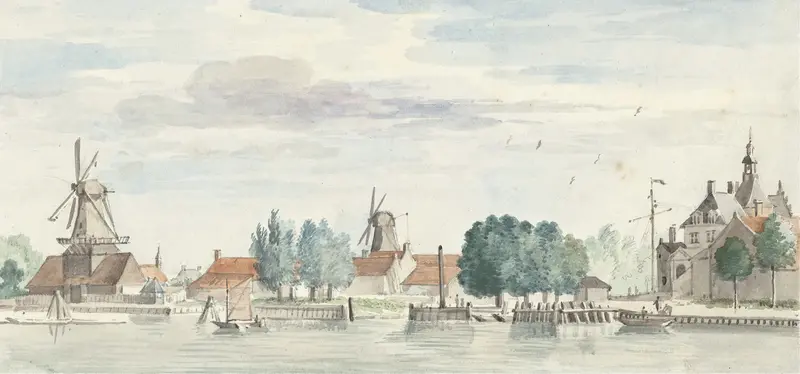
Gezicht op Dordrecht met de Rietdijkspoort en windmolens
Aert Schouman
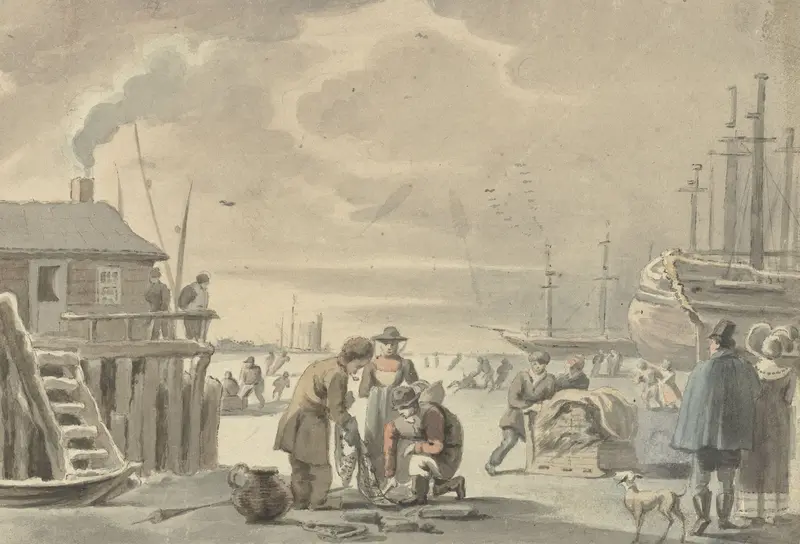
Gezicht op de bevroren Merwede bij Moerdijk
Aert Schouman
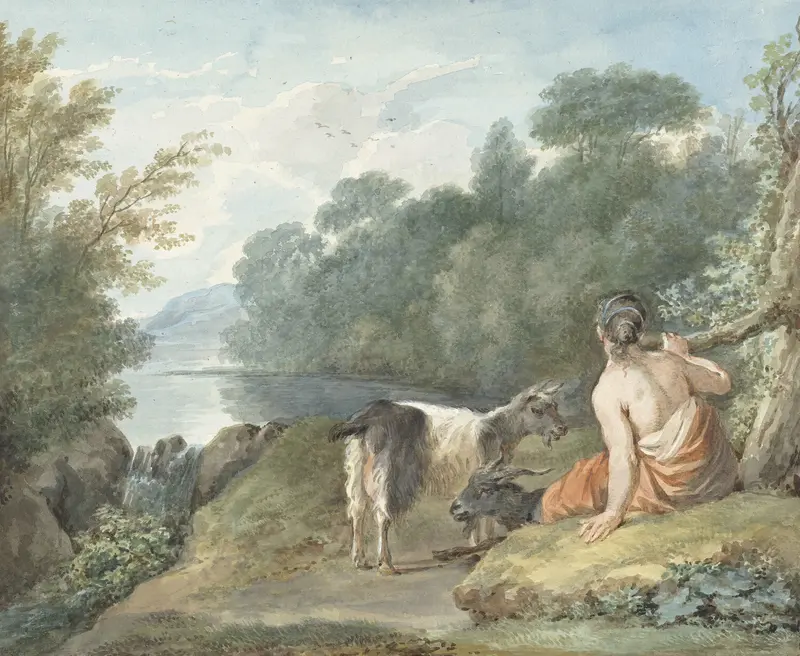
Herderin met geiten in een landschap met een meer
Aert Schouman
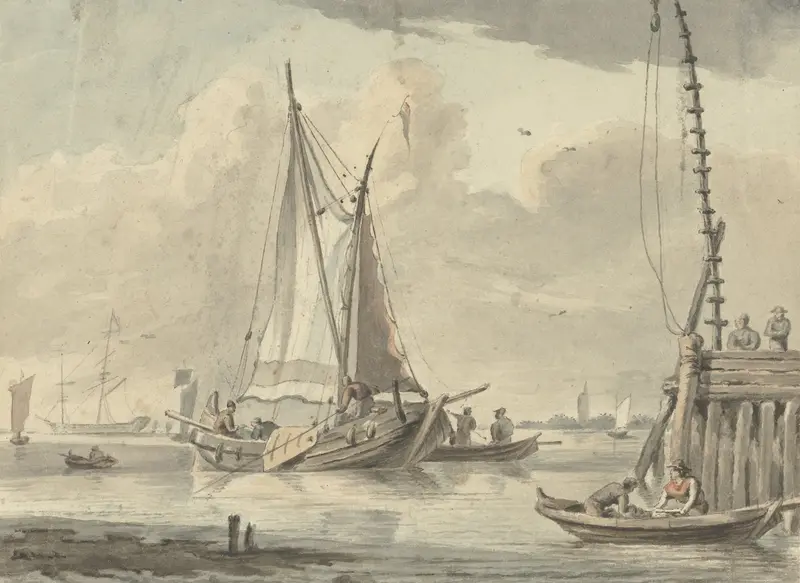
Zeilschepen op de rivier bij Dordrecht
Aert Schouman

Zeilend schip op de Beneden Merwede bij de Papendrechtse dijk
Aert Schouman
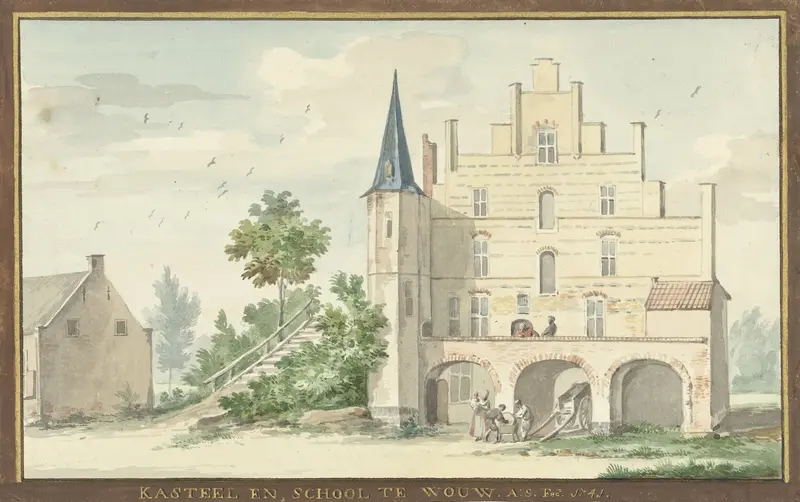
Het kasteel en school te Wouw
Aert Schouman
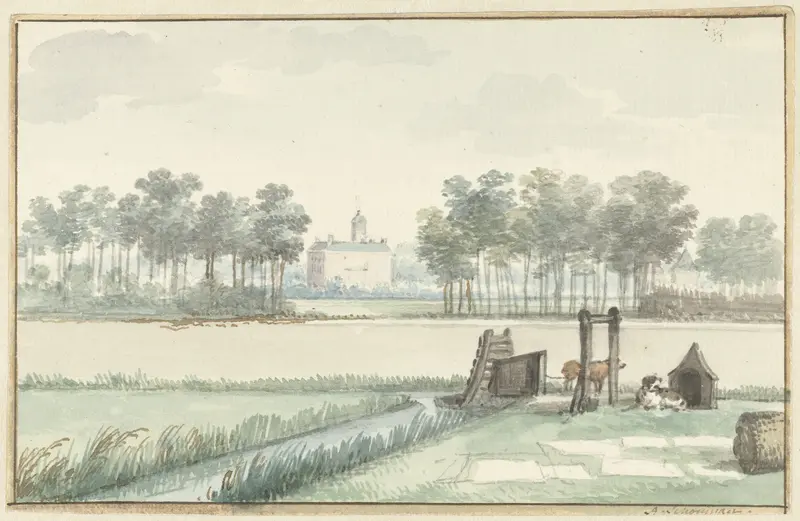
Het kasteel Ter Hooge op Walcheren
Aert Schouman
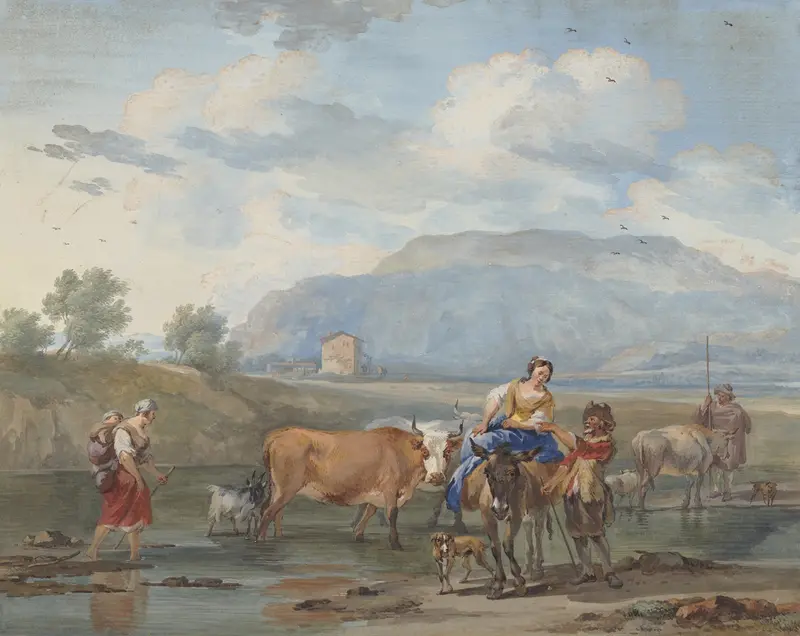
Hirten treiben Kühe durch ein Wasser, links trägt eine Frau ihr Kind auf dem Rücken, rechs reitet eine andere auf einem Esel
Aert Schouman
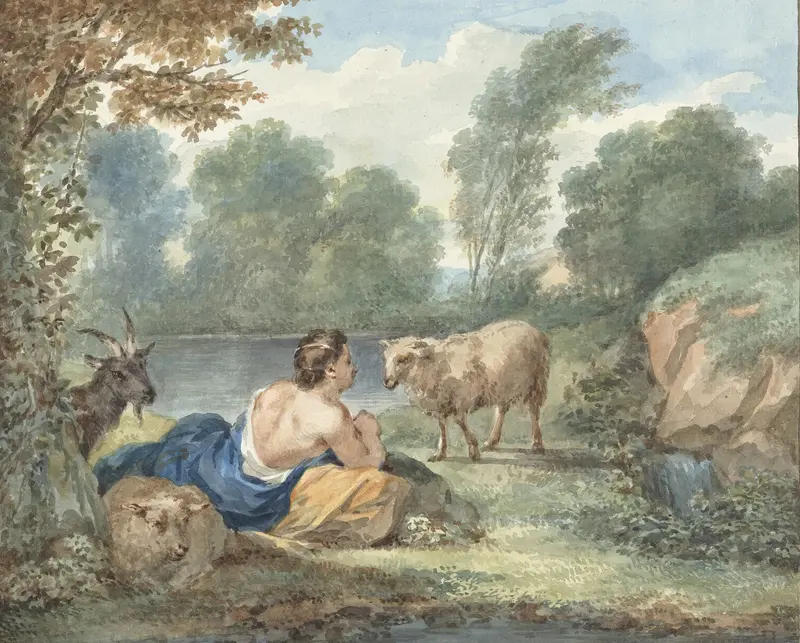
Herderin met schapen in een landschap met een meertje
Aert Schouman





