
Portrait of a Seated Young Man — History & Facts
Can paint confess what words never could? In the Portrait of a Seated Young Man, the lingering gaze of the subject speaks volumes, encapsulating a moment that echoes with the whispers of legacy and identity. Focus on the young man's face, where the interplay of soft shadows and gentle light reveals the contours of his features, hinting at a deeper introspection. The rich, muted colors create an atmosphere that feels both intimate and profound, drawing the viewer into the emotional depths of his expression. Notice how the slight tilt of his head and the crossed arms suggest a blend of confidence and vulnerability, inviting us to ponder the stories he carries within. Delve deeper into the subtle contrasts presented in the work.
The stillness of the figure juxtaposes with the vibrant hues that surround him, suggesting a life pulsing just below the surface. The background, while indistinct, is layered with textures that evoke both comfort and ambiguity, hinting at the complexities of youth and the passage of time. The straightforward pose belies an inner tumult, challenging our perceptions of strength and fragility. In 1911, while creating this portrait, the artist was immersed in the evolving landscape of American art, embracing tonalism and the exploration of identity.
Living in Boston, where he was influenced by both academic and avant-garde movements, he sought to balance traditional techniques with modern sensibilities. This period marked a significant moment in his career as he aimed to leave a legacy that transcended the canvas, exploring themes of selfhood and the human experience.
More Artworks by Denman Waldo Ross
Browse all →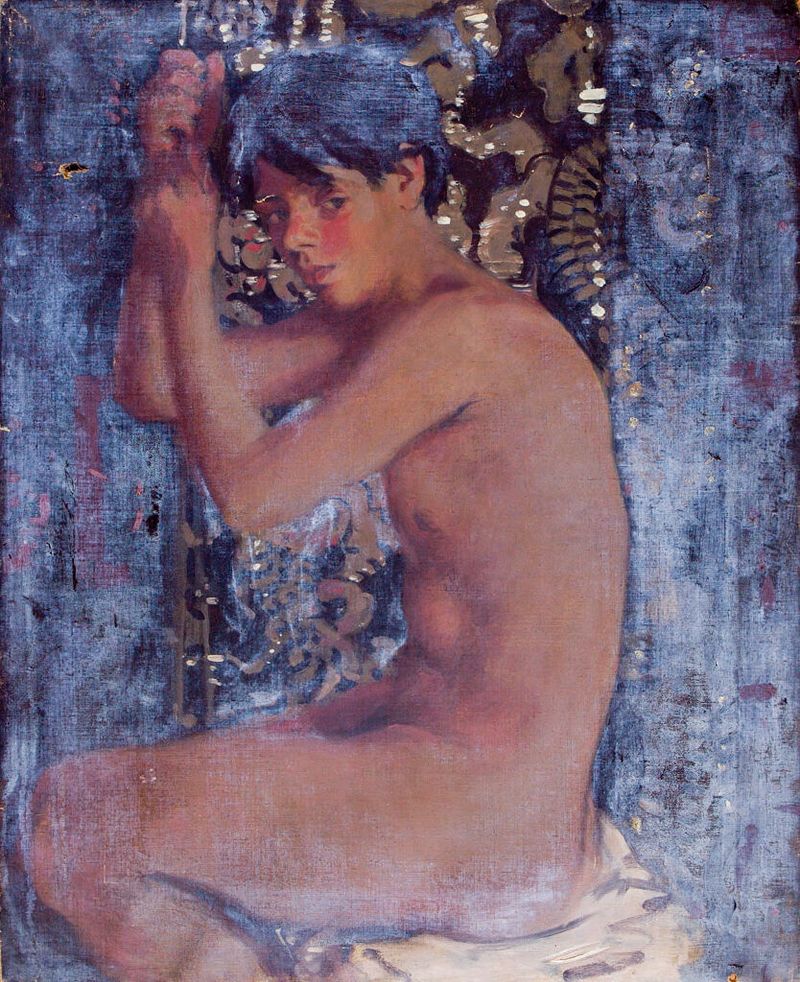
Portrait of a Seated Young Man
Denman Waldo Ross
Highland Light, North Truro, Massachusetts
Denman Waldo Ross
Profile Portrait of a Boy in Suit and Tie
Denman Waldo Ross
El Kantara, Near Biskra, Algeria
Denman Waldo Ross
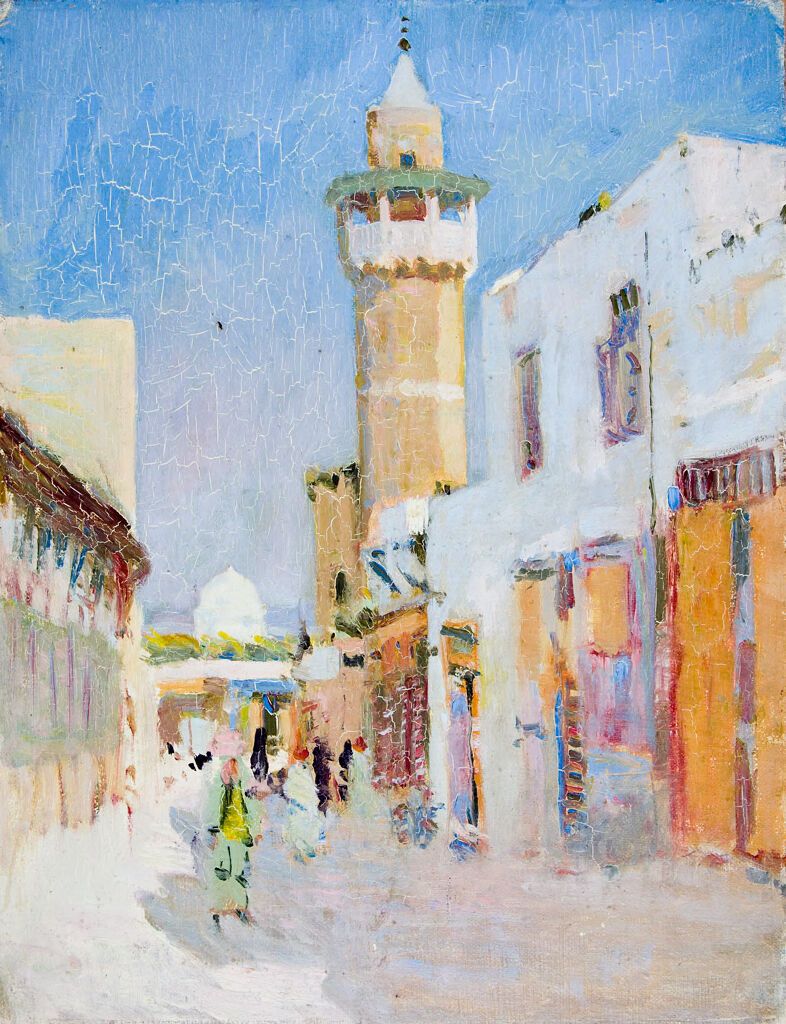
Tunis Street Scene
Denman Waldo Ross
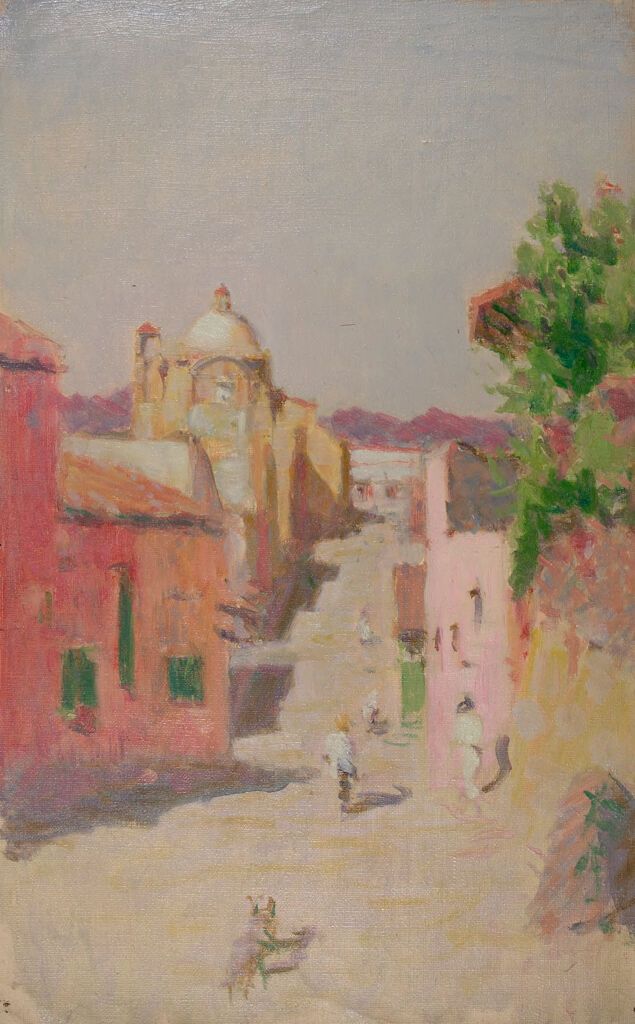
Street Scene with Animal and Figures
Denman Waldo Ross
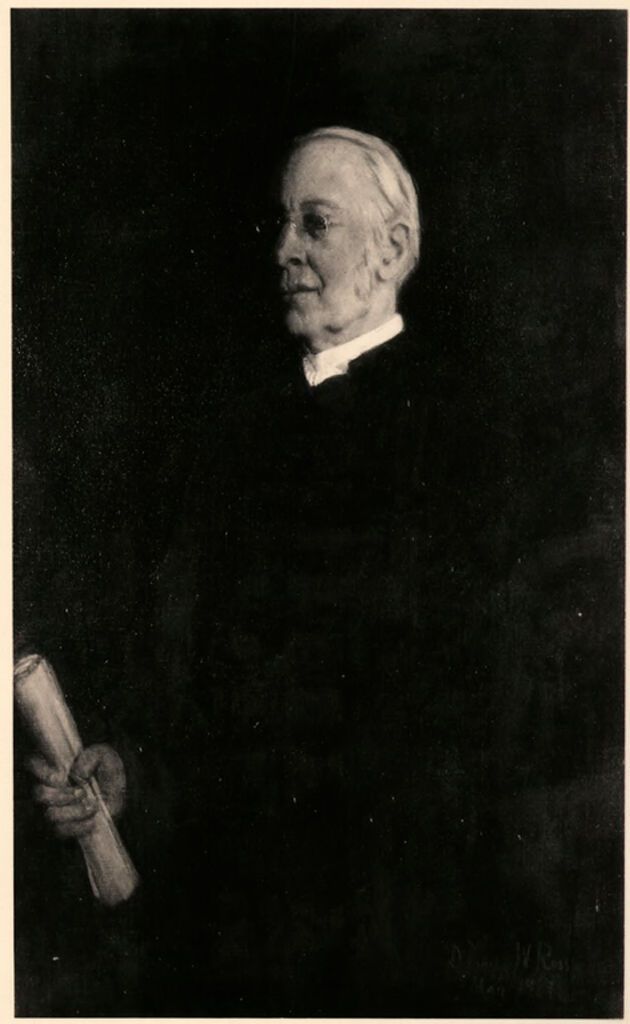
Charles William Eliot (1834-1926)
Denman Waldo Ross
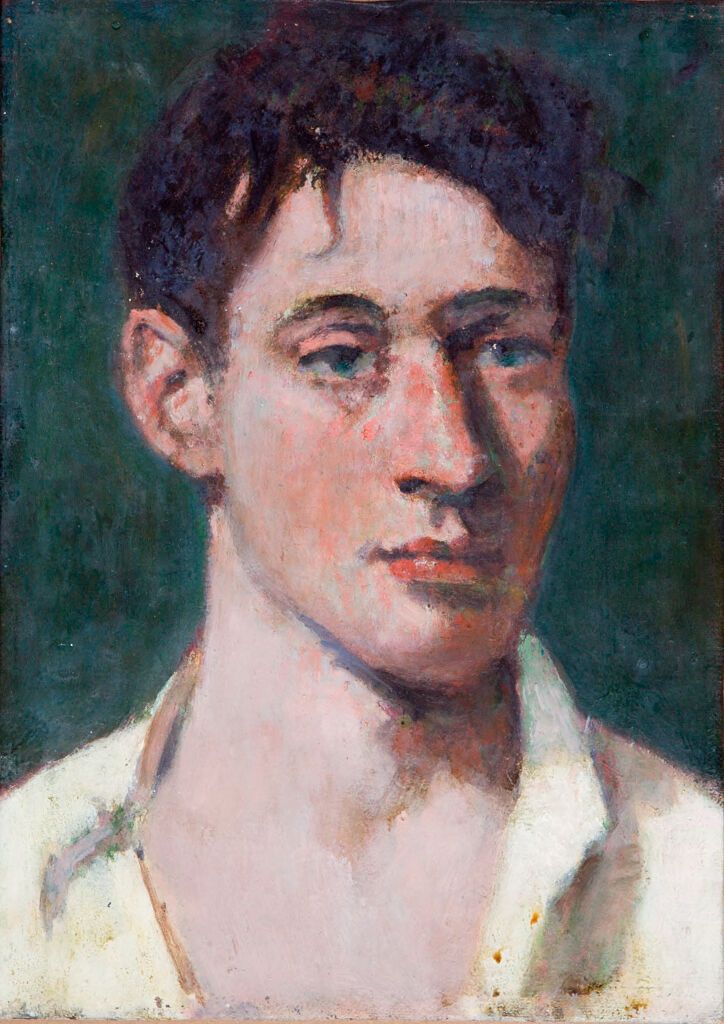
Portrait of a Young Man in White Shirt
Denman Waldo Ross
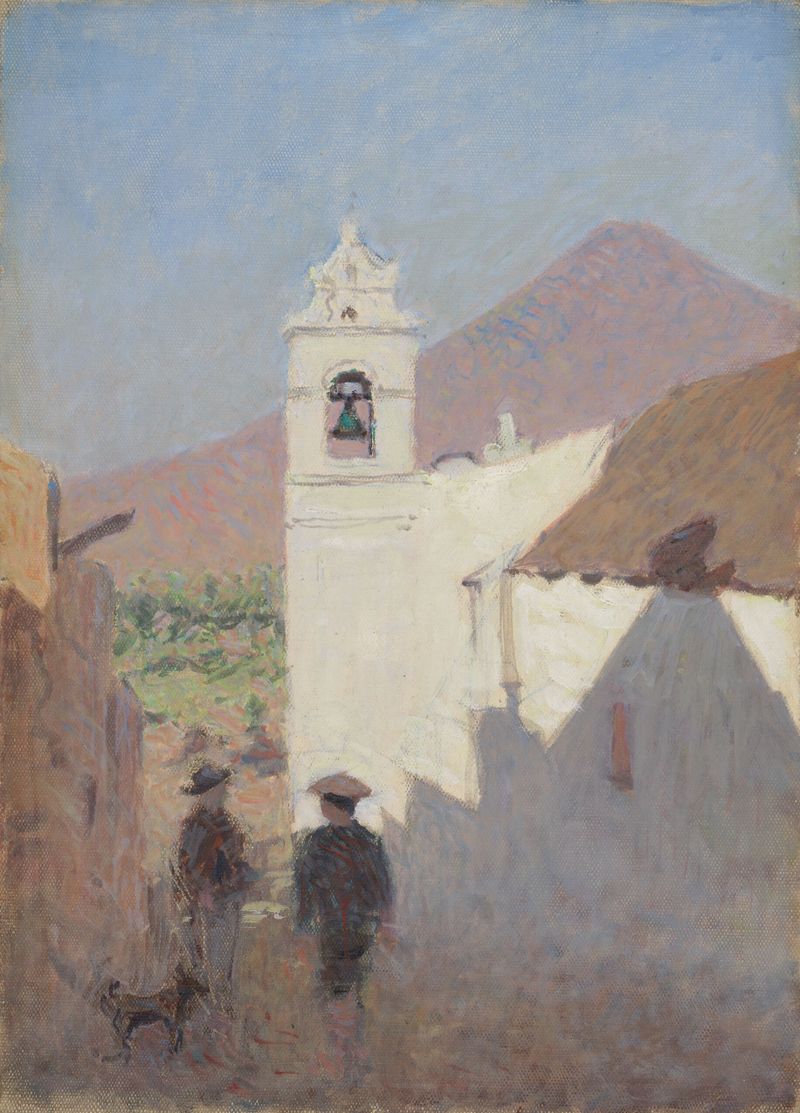
Village Near Arequipa, Peru
Denman Waldo Ross

York Harbor, Maine
Denman Waldo Ross
More Portrait Art
Browse all →
Las meninas
Diego Velázquez

Self-portrait with a Bandaged Ear and Pipe
Unidentified artist

Girl with a Pearl Earring
Johannes Vermeer

The Sampling Officials of the Amsterdam Drapers’ Guild, Known as ‘The Syndics’
Rembrandt van Rijn

The Hundred Guilder Print: the man seen on the back in the lower left corner
Rembrandt van Rijn

Portrait of Dr Gachet
Vincent van Gogh